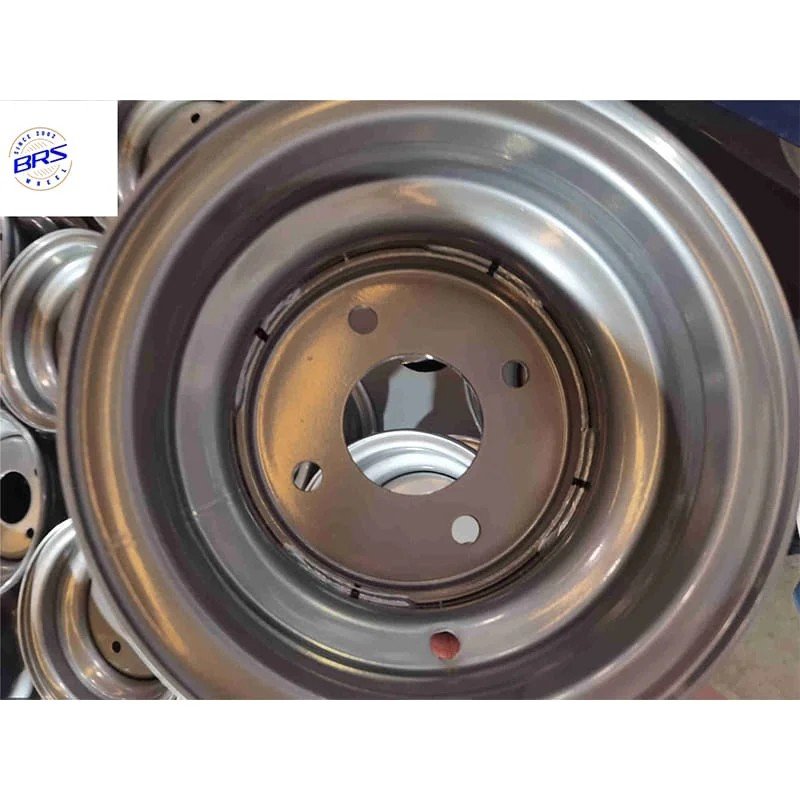
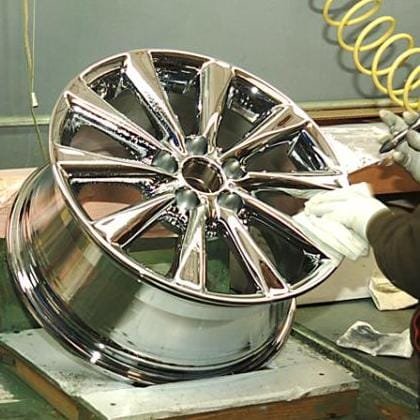

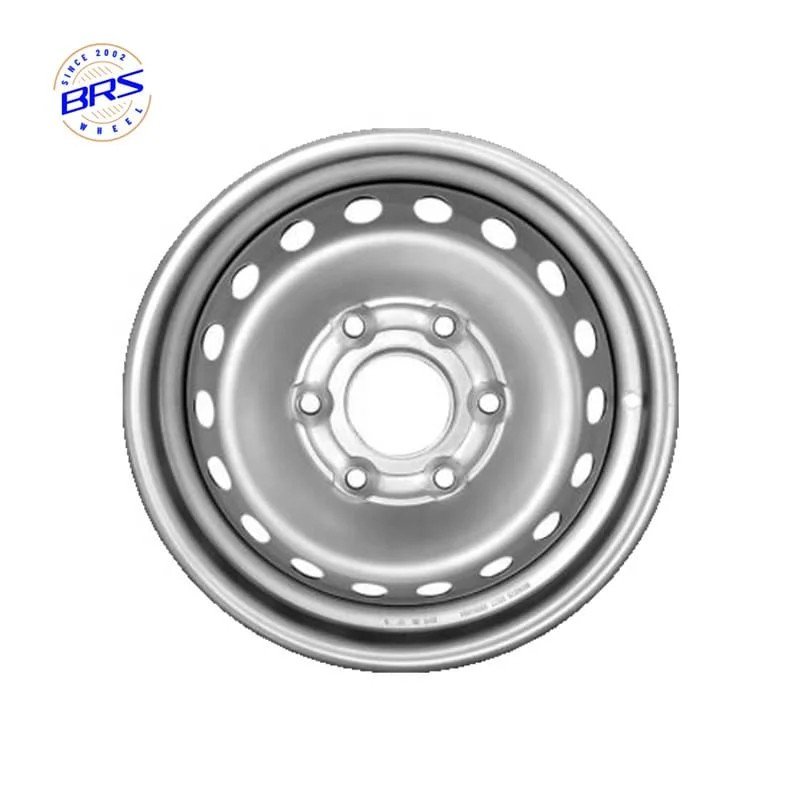
People use steel wheels in winter for three core reasons: superior impact resistance on snow-hidden potholes, far lower ownership costs, and more stable performance in cold, salted road conditions. Unlike alloy wheels that can crack on hard impacts, steel rims bend rather than shatter, and they cost a fraction of alloy alternatives — making them the industry standard for dedicated winter tire setups.
Key Takeaways
- Steel wheels bend instead of cracking on rough winter roads, offering better damage tolerance than alloy rims.
- Steel rims cost 70–80% less than alloy wheels, with cheaper, easier repairs after impact damage.
- A dedicated set of steel winter wheels simplifies seasonal swaps and protects expensive alloy rims from road salt and slush.
- Steel has lower thermal expansion than aluminum, so it maintains more consistent tire pressure in cold temperatures.
- Steel wheels make it easier to comply with local winter tire laws and reduce long-term wheel maintenance costs.
Why Steel Wheels Excel in Winter Driving
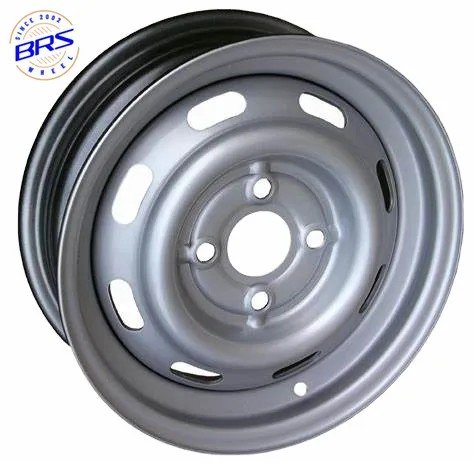
Winter roads expose wheels to hidden potholes, ice-covered curbs, salt, and constant temperature swings. Steel’s material properties make it far more forgiving of these harsh conditions.
Impact Resistance for Snow-Hidden Hazards
The biggest advantage of steel is its damage tolerance: steel bends where alloy cracks.
Aluminum wheels resist small dents but can crack or shatter on severe impacts, with damage that is often impossible to repair affordably. A bent steel rim, by contrast, can often be hammered back into shape with basic tools like a deadblow mallet. Steel has far better resistance to bending and fracture from pothole and curb strikes, making it the safer choice for roads where hazards are hidden under snow.
This toughness lasts beyond winter too. Frost heaves and broken pavement remain long after snow melts, so a set of winter steel wheels will hold up through early spring road conditions as well.
Stable Cold-Weather Performance
Steel delivers more consistent performance in freezing temperatures:
- More stable tire pressure: Steel expands and contracts far less than aluminum with temperature swings, so it maintains a better air seal and slower pressure drops on cold mornings. Alloy wheels are more porous, which can lead to gradual air loss in cold weather.
- Improved low-speed traction: The extra weight of steel wheels adds unsprung mass, which can improve tire contact on slick pavement — similar to the traction benefit of sandbags in light vehicles.
- Salt tolerance: While steel can develop surface rust from road salt, the corrosion is almost always cosmetic and does not compromise structural integrity. Alloy wheels, by contrast, are prone to hidden corrosion at the tire bead seat that can cause slow air leaks and permanent damage over time, per Uniroyal Tyres testing.
Cost Advantages of Steel Winter Wheels
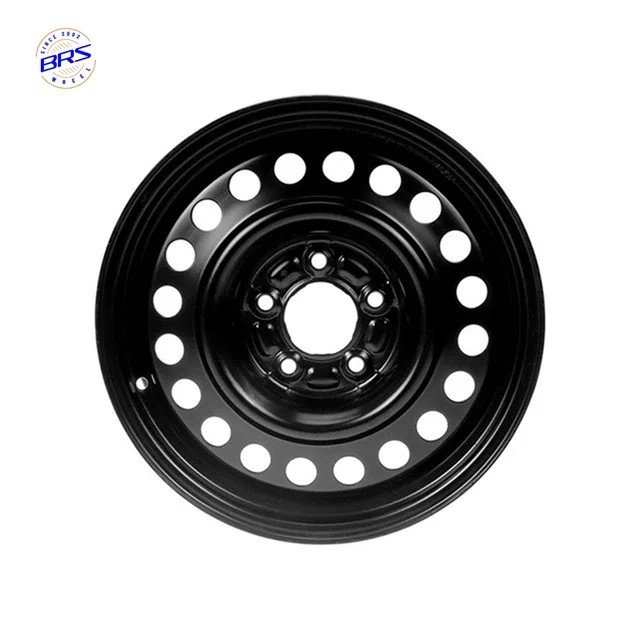
Cost is one of the biggest drivers of steel wheel adoption for winter use, with savings at purchase, during repairs, and across seasonal tire changes.
Lower Upfront & Repair Costs
Steel wheels cost roughly 70–80% less than alloy equivalents:
| Wheel Type | Cost per Wheel (Hyundai i20) |
|---|---|
| Steel rim | ~1,000 rupees |
| Alloy rim | Up to 12,000 rupees |
For a full winter set, four steel rims plus winter tires often cost less than a single premium alloy wheel. Repair costs follow the same pattern: minor bends in steel are fixable at home or for a low shop fee, while cracked alloy wheels almost always require full replacement.
Cheaper Seasonal Tire Swaps
A dedicated set of winter wheels mounted permanently to their tires changes the seasonal routine entirely.
Icy Road Safety data shows tire shops charge $80–$90 total for mounting and balancing — a fee that repeats twice every year. With a dedicated winter wheel set, you can swap the full wheels at home with basic tools, with no shop appointment needed. Over several seasons, avoided mounting fees alone can pay for the full set of steel rims.
Steel vs. Alloy Wheels: Winter Performance Comparison
| Category | Steel Wheels | Alloy Wheels |
|---|---|---|
| Impact resistance | Bends before cracking; easily repairable | Can crack/shatter on hard impacts; expensive to repair |
| Weight | Heavier; can improve snow traction | Lighter; better for handling and fuel economy |
| Cold-weather air retention | Excellent; minimal thermal expansion | Poorer; porous alloy can cause slow pressure drops |
| Corrosion behavior | Surface rust is common but cosmetic | Hidden bead-seat corrosion can cause permanent air leaks |
| Upfront cost | 70–80% cheaper | Significantly more expensive |
| Best for | Harsh winter roads, budget setups, dedicated winter use | Mild winters, year-round use, prioritizing appearance |
Neither material is universally better. Alloy wheels are ideal for mild climates and year-round use, where low weight and appearance are priorities. For long, cold winters with salted, potholed roads, steel offers clear practical advantages.
Winter Steel Wheel Care Tips
- Rinse wheels thoroughly after snow storms to remove road salt and grit, which slows surface rust formation.
- Inspect rims periodically for chipped paint or powder coat; touch up small damages to prevent rust from spreading.
- Store winter wheels in a cool, dry place off-season to extend coating and tire life.
Final Verdict
Drivers choose steel wheels for winter because they tolerate abuse, cost far less to own and repair, and hold up reliably on salted, potholed cold-weather roads. For dedicated winter tire setups, they are the most practical, cost-effective choice for most drivers in harsh climates.
Alloy wheels remain better for mild winters and year-round use, where low weight and appearance are higher priorities.
FAQ
Are steel wheels safe for winter driving?
Yes. Steel rims bend under hard impact instead of cracking, and most minor bends can be repaired with basic tools. They also maintain more consistent tire pressure in cold temperatures, making them a safe, practical winter choice.
Do steel wheels rust in winter?
They can develop surface rust from road salt, but this rust is almost always cosmetic and does not weaken the rim. Regular rinsing after storms and protective paint/powder coatings further reduce corrosion risk.
Why buy a second set of wheels for winter tires?
A dedicated winter wheel set makes seasonal swaps fast and cheap — you can change them at home with basic tools, no shop appointment needed. It also protects your expensive alloy wheels from salt, slush, and pothole damage.
Are steel rims heavier than alloy rims?
Yes, steel rims are heavier. The extra unsprung weight can improve traction on slick pavement. Alloy wheels are lighter, which benefits handling, suspension wear, and fuel economy in mild conditions.
Do I need winter tires by law?
Some regions require winter tires during cold months. Mounting them on dedicated steel rims makes compliance simple, as you can swap the full wheel set at home without remounting tires on your primary rims. Always check local regulations for exact requirements.