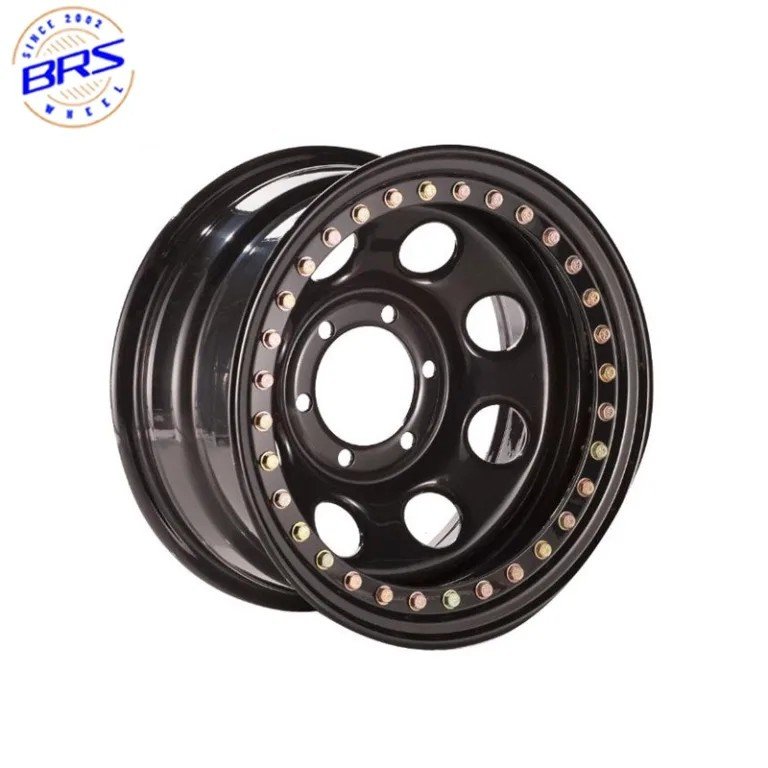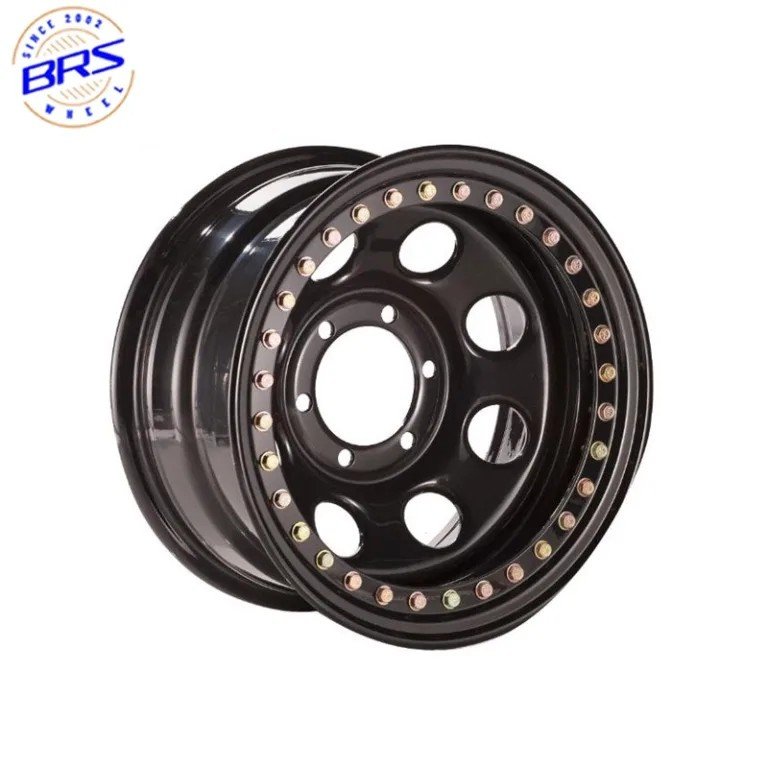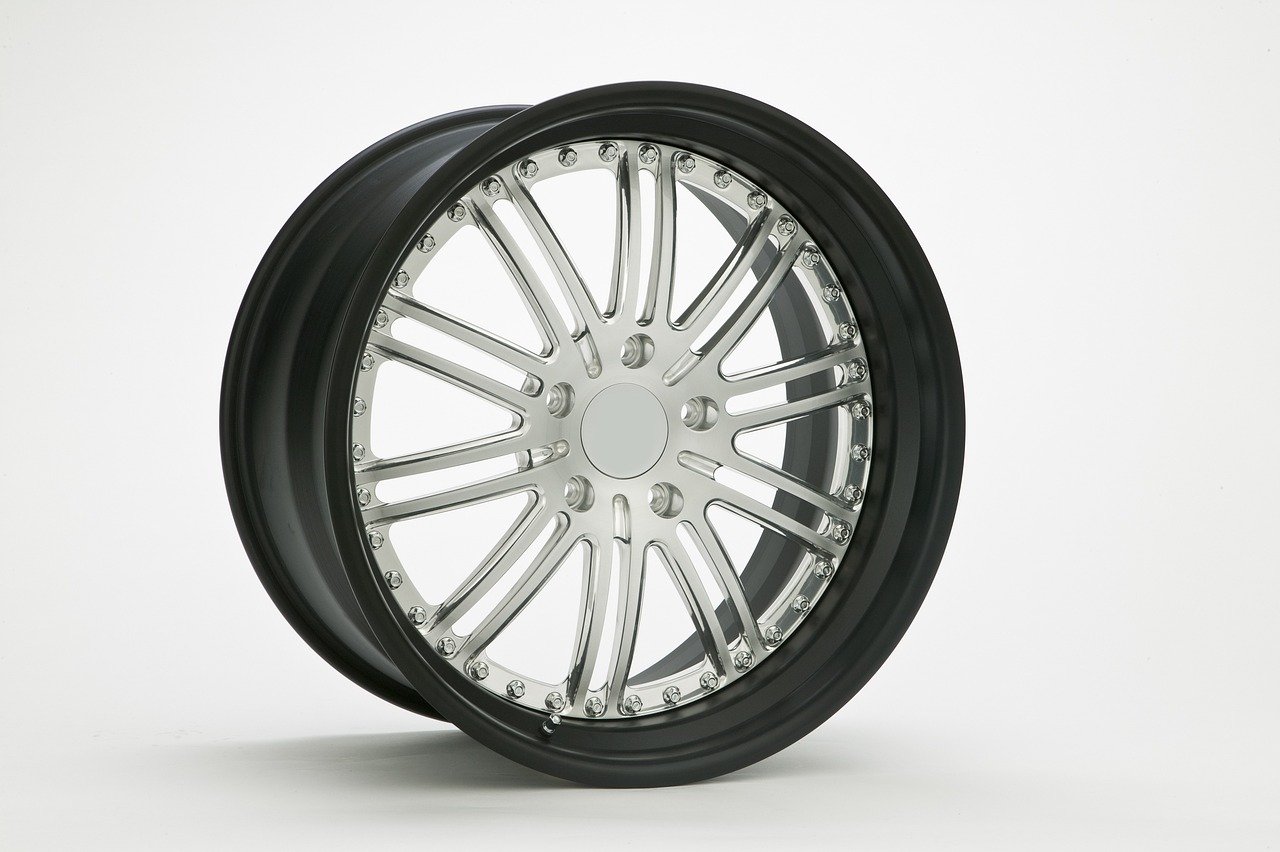

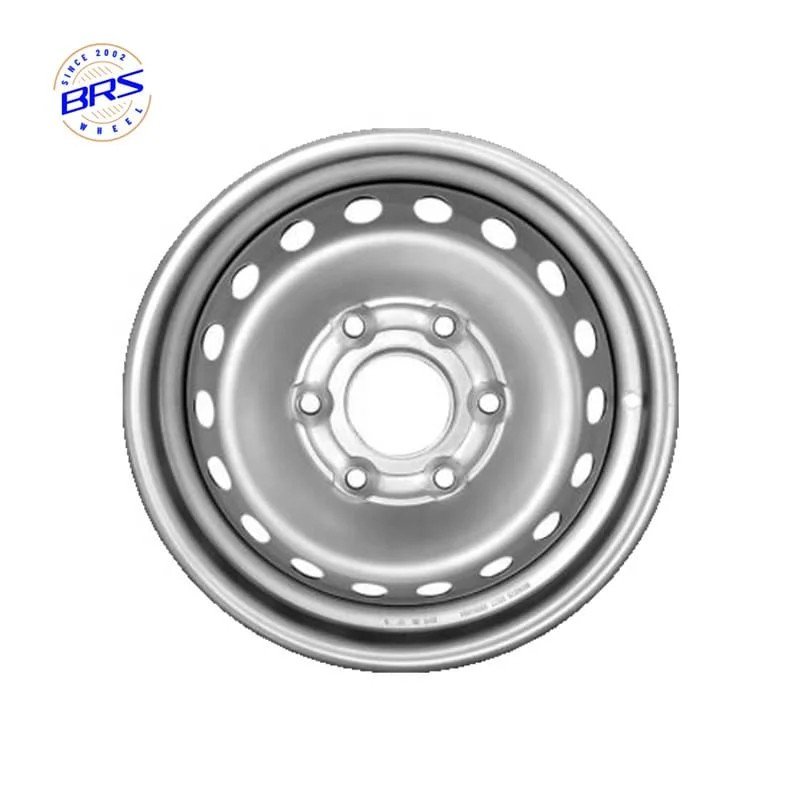
La gente utiliza llantas de acero en invierno por tres razones fundamentales: una resistencia superior a los impactos en baches ocultos bajo la nieve, costes de propiedad mucho más bajos y un rendimiento más estable en condiciones de frío y carreteras con sal. A diferencia de las llantas de aleación, que pueden agrietarse con impactos fuertes, los aros de acero se doblan en lugar de romperse, y cuestan una fracción de las alternativas de aleación, lo que los convierte en el estándar de la industria para montajes dedicados de neumáticos de invierno.
Puntos clave
- Las ruedas de acero se doblan en lugar de agrietarse en carreteras invernales accidentadas, ofreciendo mejor tolerancia al daño que los aros de aleación.
- Los aros de acero cuestan entre un 70 y un 80 % menos que las ruedas de aleación, con reparaciones más baratas y sencillas tras daños por impacto.
- Un juego dedicado de ruedas de acero para invierno simplifica los cambios de temporada y protege las costosas llantas de aleación de la sal y el hielo fundido de la carretera.
- El acero tiene una dilatación térmica menor que el aluminio, por lo que mantiene una presión de neumáticos más constante en temperaturas frías.
- Las ruedas de acero facilitan el cumplimiento de las leyes locales de neumáticos de invierno y reducen los costes de mantenimiento de las ruedas a largo plazo.
Por qué las ruedas de acero destacan en la conducción de invierno
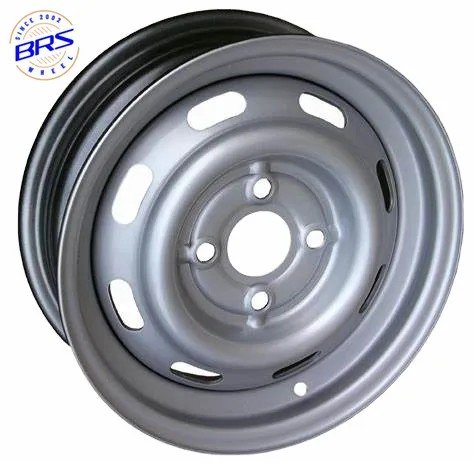
Las carreteras de invierno exponen las ruedas a baches ocultos, bordillos cubiertos de hielo, sal y constantes cambios de temperatura. Las propiedades del acero lo hacen mucho más tolerante a estas duras condiciones.
Resistencia a impactos con peligros ocultos bajo la nieve
La mayor ventaja del acero es su tolerancia al daño: el acero se deforma donde la aleación se agrieta.
Las llantas de aluminio resisten pequeños abollones, pero pueden agrietarse o romperse ante impactos severos, con daños que a menudo resulta imposible reparar a un coste razonable. En cambio, un aro de acero doblado suele poder martillarse de vuelta a su forma con herramientas básicas como un mazo de impacto. El acero ofrece una resistencia mucho mayor a la deformación y fractura por golpes contra baches y bordillos, lo que lo convierte en la opción más segura en carreteras donde los peligros quedan ocultos bajo la nieve.
Esta robustez perdura más allá del invierno. Las heladas y el asfalto agrietado siguen presentes mucho después de que se derrita la nieve, por lo que un juego de llantas de acero para invierno también resistirá las condiciones de la carretera a principios de la primavera.
Rendimiento estable en clima frío
El acero ofrece un rendimiento más consistente a temperaturas de congelación:
- Presión de neumáticos más estable: El acero se expande y contrae mucho menos que el aluminio ante los cambios de temperatura, por lo que mantiene un mejor sellado del aire y una pérdida de presión más lenta en las mañanas frías. Las llantas de aleación son más porosas, lo que puede provocar una pérdida gradual de aire en climas fríos.
- Mejor tracción a baja velocidad: El peso adicional de las llantas de acero añade masa no suspendida, lo que puede mejorar el contacto del neumático sobre el pavimento resbaladizo, de forma similar al beneficio de tracción que aportan las bolsas de arena en vehículos ligeros.
- Tolerancia a la sal: Aunque el acero puede desarrollar óxido superficial por la sal de la carretera, la corrosión casi siempre es estética y no compromete la integridad estructural. Las llantas de aleación, en cambio, son propensas a una corrosión oculta en el asiento del talón del neumático que puede causar fugas lentas de aire y daños permanentes con el tiempo, según pruebas de Uniroyal Tyres.
Cost Advantages of Steel Winter Wheels
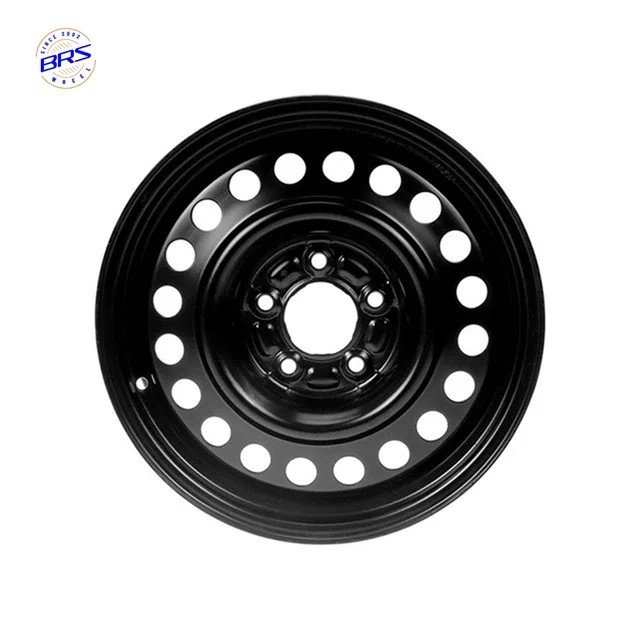
Cost is one of the biggest drivers of steel wheel adoption for winter use, with savings at purchase, during repairs, and across seasonal tire changes.
Lower Upfront & Repair Costs
Steel wheels cost roughly 70–80% less than alloy equivalents:
| Tipo de rueda | Cost per Wheel (Hyundai i20) |
|---|---|
| Steel rim | ~1,000 rupees |
| Alloy rim | Up to 12,000 rupees |
For a full winter set, four llantas de acero plus winter tires often cost less than a single premium alloy wheel. Repair costs follow the same pattern: minor bends in steel are fixable at home or for a low shop fee, while cracked alloy wheels almost always require full replacement.
Cheaper Seasonal Tire Swaps
A dedicated set of winter wheels mounted permanently to their tires changes the seasonal routine entirely.
Icy Road Safety data shows tire shops charge $80–$90 total for mounting and balancing — a fee that repeats twice every year. With a dedicated winter wheel set, you can swap the full wheels at home with basic tools, with no shop appointment needed. Over several seasons, avoided mounting fees alone can pay for the full set of steel rims.
Steel vs. Alloy Wheels: Winter Performance Comparison
| Categoría | Ruedas de acero | Llantas de aleación |
|---|---|---|
| Resistencia al impacto | Bends before cracking; easily repairable | Can crack/shatter on hard impacts; expensive to repair |
| Peso | Heavier; can improve snow traction | Lighter; better for handling and fuel economy |
| Cold-weather air retention | Excellent; minimal thermal expansion | Poorer; porous alloy can cause slow pressure drops |
| Corrosion behavior | Surface rust is common but cosmetic | Hidden bead-seat corrosion can cause permanent air leaks |
| Costo inicial | 70–80% cheaper | Significantly more expensive |
| Ideal para | Harsh winter roads, budget setups, dedicated winter use | Mild winters, year-round use, prioritizing appearance |
Neither material is universally better. Alloy wheels are ideal for mild climates and year-round use, where low weight and appearance are priorities. For long, cold winters with salted, potholed roads, steel offers clear practical advantages.
Winter Steel Wheel Care Tips
- Rinse wheels thoroughly after snow storms to remove road salt and grit, which slows surface rust formation.
- Inspect rims periodically for chipped paint or powder coat; touch up small damages to prevent rust from spreading.
- Store winter wheels in a cool, dry place off-season to extend coating and tire life.
Veredicto final
Drivers choose steel wheels for winter because they tolerate abuse, cost far less to own and repair, and hold up reliably on salted, potholed cold-weather roads. For dedicated winter tire setups, they are the most practical, cost-effective choice for most drivers in harsh climates.
Alloy wheels remain better for mild winters and year-round use, where low weight and appearance are higher priorities.
Preguntas frecuentes
Are steel wheels safe for winter driving?
Yes. Steel rims bend under hard impact instead of cracking, and most minor bends can be repaired with basic tools. They also maintain more consistent tire pressure in cold temperatures, making them a safe, practical winter choice.
¿Se oxidan las ruedas de acero en invierno?
They can develop surface rust from road salt, but this rust is almost always cosmetic and does not weaken the rim. Regular rinsing after storms and protective paint/powder coatings further reduce corrosion risk.
Why buy a second set of wheels for winter tires?
A dedicated winter wheel set makes seasonal swaps fast and cheap — you can change them at home with basic tools, no shop appointment needed. It also protects your expensive alloy wheels from salt, slush, and pothole damage.
Are steel rims heavier than alloy rims?
Yes, steel rims are heavier. The extra unsprung weight can improve traction on slick pavement. Alloy wheels are lighter, which benefits handling, suspension wear, and fuel economy in mild conditions.
Do I need winter tires by law?
Some regions require winter tires during cold months. Mounting them on dedicated steel rims makes compliance simple, as you can swap the full wheel set at home without remounting tires on your primary rims. Always check local regulations for exact requirements.

Experto en la fabricación de llantas de acero
Pioneros en el sector de la fabricación de llantas para automóviles