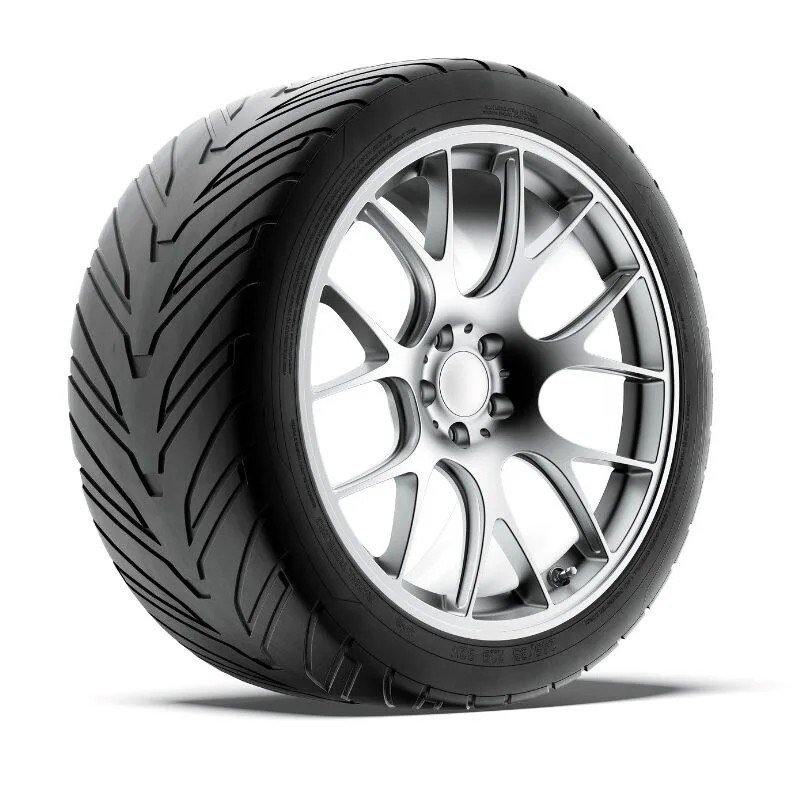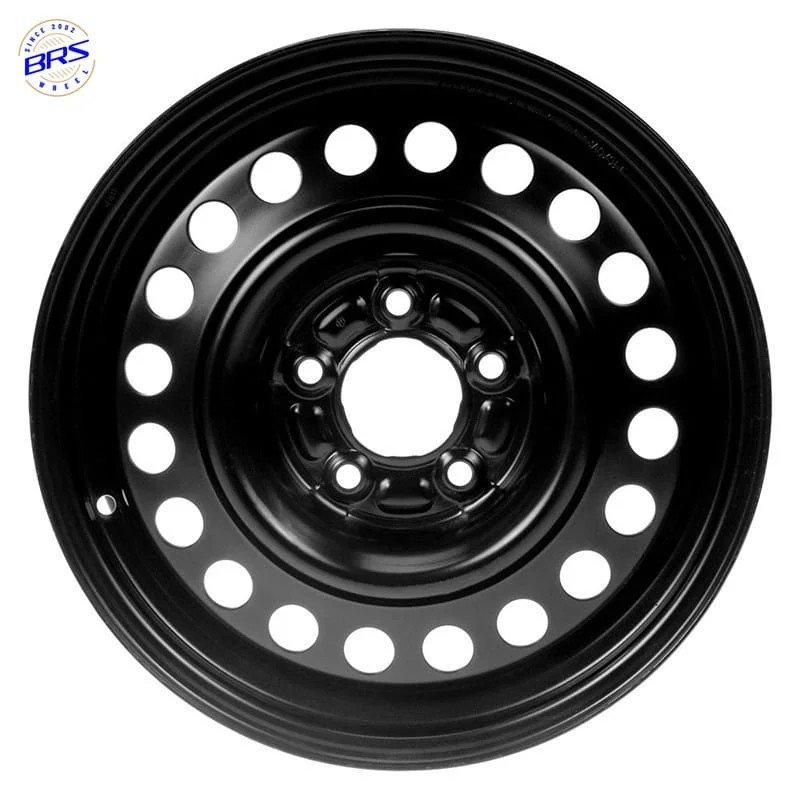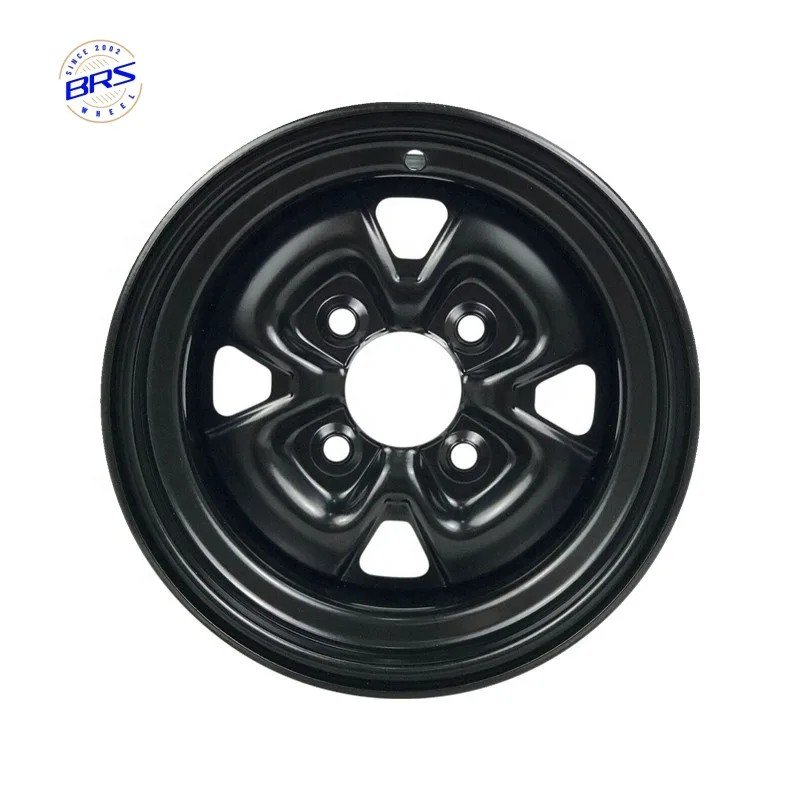
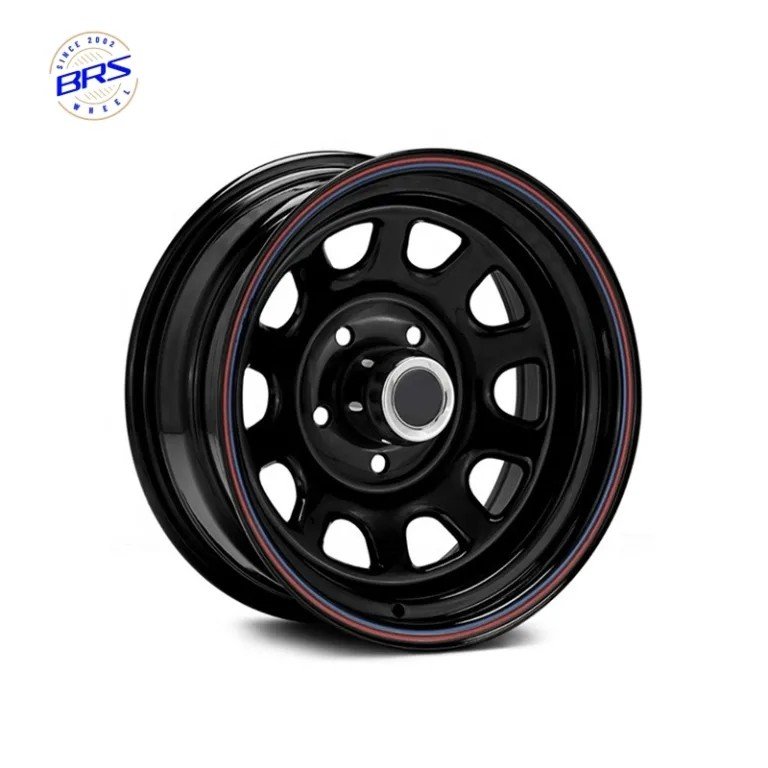

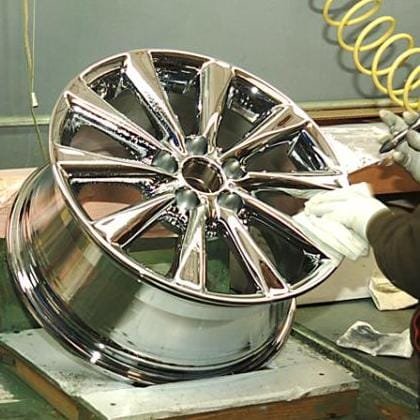
On average, chroming a steel wheel costs $250–$500 per wheel, with a full set of four typically running $800–$1,200 including round-trip shipping. Final pricing depends on five core factors: wheel size, surface condition, chrome grade, order quantity, and shop location. Basic entry-level jobs start around $250 per wheel for simple, good-condition rims; heavily damaged or complex multi-piece wheels can exceed $500 each.
This guide breaks down every cost driver, explains what the plating process includes, and shares actionable tips to lower your total bill.
Key Takeaways
- Standard decorative chrome plating costs $250–$500 per steel wheel, or $800–$1,200 for a set of four with shipping.
- Final price depends on wheel size, design complexity, surface condition, chrome grade, and local labor rates.
- You can reduce costs by dropping off wheels locally, shipping all four together, and doing light prep work yourself.
Average Chrome Plating Cost for Steel Wheels
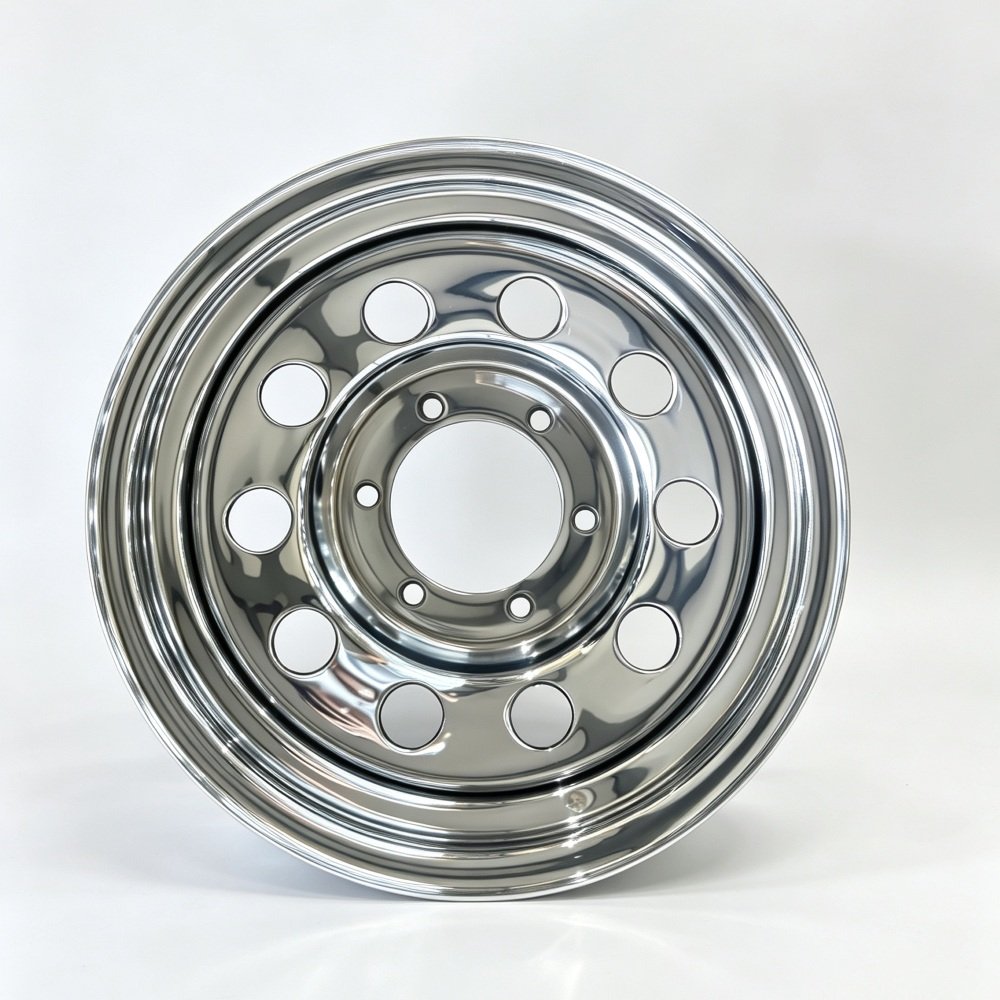
Most plating shops quote a range rather than a fixed price, as final costs shift based on wheel condition and design complexity.
| Purchase Type | Typical Price Range | Notes |
|---|---|---|
| Per wheel (standard decorative chrome) | $250–$500 | Covers stripping, polishing, and multi-layer plating for wheels in fair condition |
| Entry-level / high-volume shop | ~$250 per wheel | For simple smooth-face wheels with light surface wear |
| Premium / show-grade chrome | $500+ per wheel | For heavily damaged rims, multi-piece wheels, or show-quality finishes |
| Set of four (delivered) | $800–$1,200 | Includes round-trip shipping; local drop-off lowers the total significantly |
Entry-level pricing applies to simple, smooth-face wheels in good condition from high-volume shops with lower overhead. Wheels with deep rust pits, bends, cracks, or intricate spoke patterns require extra prep labor and fall at the top of the range — or higher.
5 Factors That Affect Chrome Plating Cost
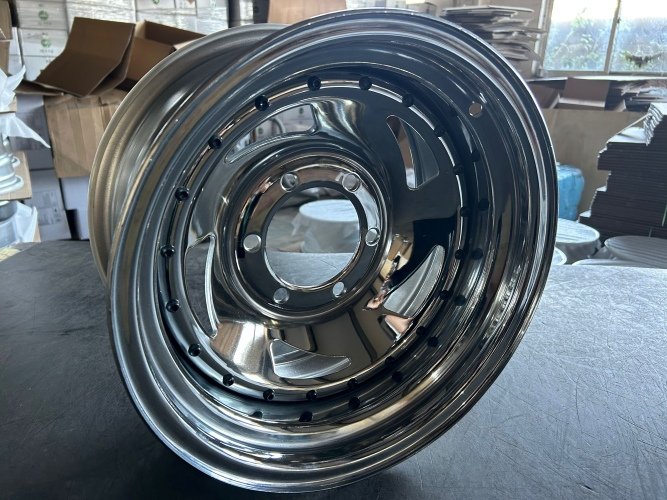
1. Wheel Size & Design Complexity
Larger, wider wheels have more surface area to strip, polish, and plate, so every step takes longer. Design detail matters just as much:
- Simple smooth-face wheels plate quickly and sit at the low end of the range.
- Spoked wheels, recessed details, and tight inner corners require hand polishing and extra labor, raising the final price.
2. Wheel Condition
Surface condition is the biggest variable in any quote. A wheel with light surface wear needs minimal prep; one with rust pits, dents, or cracks requires extensive work before plating can begin.
- Common extra charges: sandblasting to remove corrosion, welding to repair dents/cracks, and metal filling to smooth pitting.
- As Ogden Chrome notes, shops cannot give an accurate final quote until they inspect the wheel in person. Online estimates often increase once the shop sees the actual condition of the part.
3. Chrome Grade: Decorative vs. Show
There are two primary quality tiers:
- Decorative chrome: Standard bright finish for daily street use. Lower cost, suitable for most driver vehicles.
- Show chrome: Extra polishing stages, stricter quality control, and a deeper, more flawless finish. Costs significantly more and is only needed for show cars or concourse builds.
Daily drivers do not need show-grade plating, so you can avoid paying for unnecessary quality.
4. Order Quantity
Bundling four wheels in one order usually reduces per-unit cost, as setup and handling expenses spread across more parts. Some shops offer explicit set discounts; others do not advertise discounts but still charge less in total for a single batch compared to four separate shipments.
5. Location & Labor Rates
Regional labor costs create the largest price gap between shops. Areas with high overhead and hourly rates charge significantly more for the same wheel and chrome grade. Distance also adds to delivered cost: round-trip shipping can add $100–$300 to a set of four, which can erase any savings from a cheaper per-wheel rate at a distant shop.
What’s Included in the Chrome Plating Process?
A standard process for chrome steel wheels follows a fixed multi-stage sequence:
- Stripping: Chemical removal of the old finish and existing chrome.
- Prep: Sandblasting to clear corrosion, plus multi-stage hand polishing of the face and windows.
- Plating: Sequential application of copper, semi-bright nickel, bright nickel, and finally chrome.
- Finishing: Final buffing and quality inspection.
Multi-piece wheels require extra steps: the center and barrel are separated, plated individually, then welded back together to match the original construction.
Important note: Most shops include stripping in the base price, but some charge a separate $25–$50 per-wheel fee for old chrome removal. Always confirm this in writing before shipping your wheels.
How to Save Money on Wheel Chrome Plating
Follow these tips to lower your total cost without sacrificing quality:
- Drop off and pick up locally. Round-trip shipping is the biggest hidden cost; local drop-off eliminates it entirely.
- Ship all four wheels together. One consolidated shipment costs far less than four separate ones.
- Do light prep yourself. Clean wheels thoroughly and remove loose rust and debris before sending them in. Less prep labor for the shop can mean a lower final bill.
- Get 2+ written all-in quotes. Compare total delivered pricing, not just per-wheel rates. A slightly higher per-wheel price with included shipping can end up cheaper.
- Pick the right chrome grade. Skip show chrome for daily driver wheels. Decorative grade is more than sufficient for street use and costs much less.
FAQ
How long does chrome plating a steel wheel take?
Turnaround varies by shop workload and wheel complexity. A standard set usually takes 2–4 weeks. Multi-piece or heavily damaged wheels take longer. Always confirm current lead times before shipping.
Is chroming a steel wheel cheaper than buying new chrome wheels?
Not always. A full plating job with shipping often costs $800 or more for four wheels. Quality new chrome wheels are frequently price-competitive, especially for common sizes. Chroming is best for preserving original or classic wheels.
Can you chrome a rusty or damaged steel wheel?
Yes, but the price will be higher. Rust pits, dents, and cracks require extra prep work like sandblasting and welding. Shops cannot give an accurate final quote until they inspect the wheel in person.
Does dropping off wheels locally save a lot of money?
Yes. Round-trip shipping for a set of four steel wheels can add $100–$300 to the total. Local drop-off and pickup eliminates this cost entirely.
What should I confirm before approving a quote?
Verify the chrome grade, whether stripping and prep are included, any surcharges for damage, and the total delivered price. A written all-in quote gives you a fair basis to compare shops.