
ATV wheel material directly impacts ride performance, durability, load capacity, and total cost. Four core materials dominate the off-road market: steel, cast aluminum, forged/flow-formed aluminum, and carbon fiber, plus multi-piece custom designs. This guide breaks down each material’s strengths, tradeoffs, and ideal use cases to help you pick the right wheels for your terrain and riding style.
Key Takeaways
- Cast aluminum is the best all-around choice for most riders, balancing mid-range cost, solid strength, and reduced weight.
- Steel wheels are the lowest-cost option and nearly indestructible for heavy-duty work and hauling.
- Forged and flow-formed aluminum are lighter and stronger for performance-focused riding, but come at a premium price.
- Carbon fiber is ultra-lightweight but brittle and costly, reserved for sand and professional racing.
- Multi-piece wheels support custom sizes, offsets, and finishes for specialized builds, with easier field repair.
Price: Best Wheel Materials for Every Budget
Upfront cost is often the first deciding factor for most buyers. Steel sits at the lowest price point, cast aluminum fills the mid-range, and forged aluminum and carbon fiber command premium pricing.
Steel: Budget-Friendly Heavy Duty
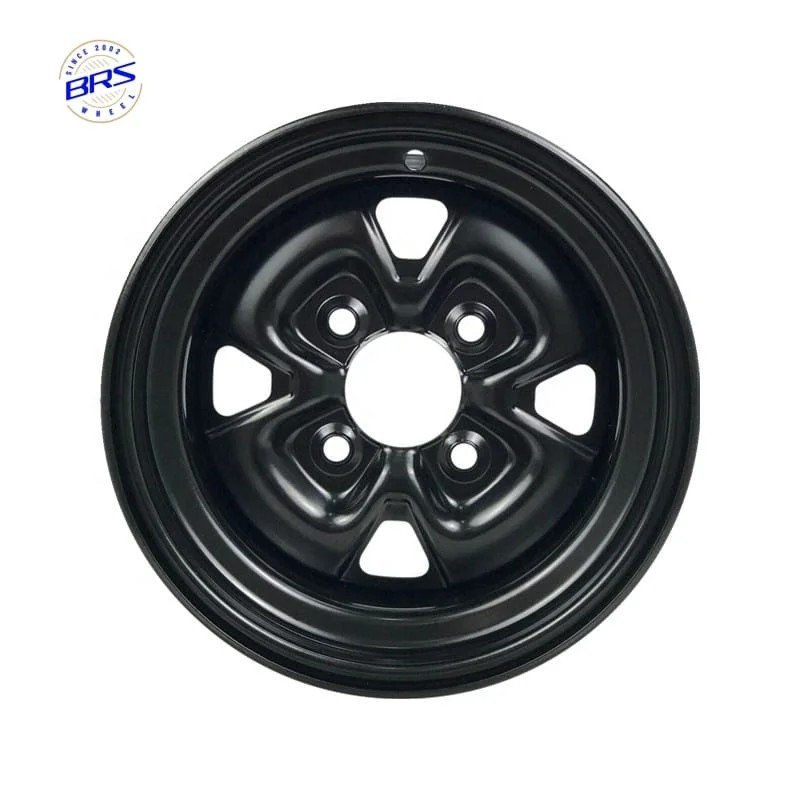
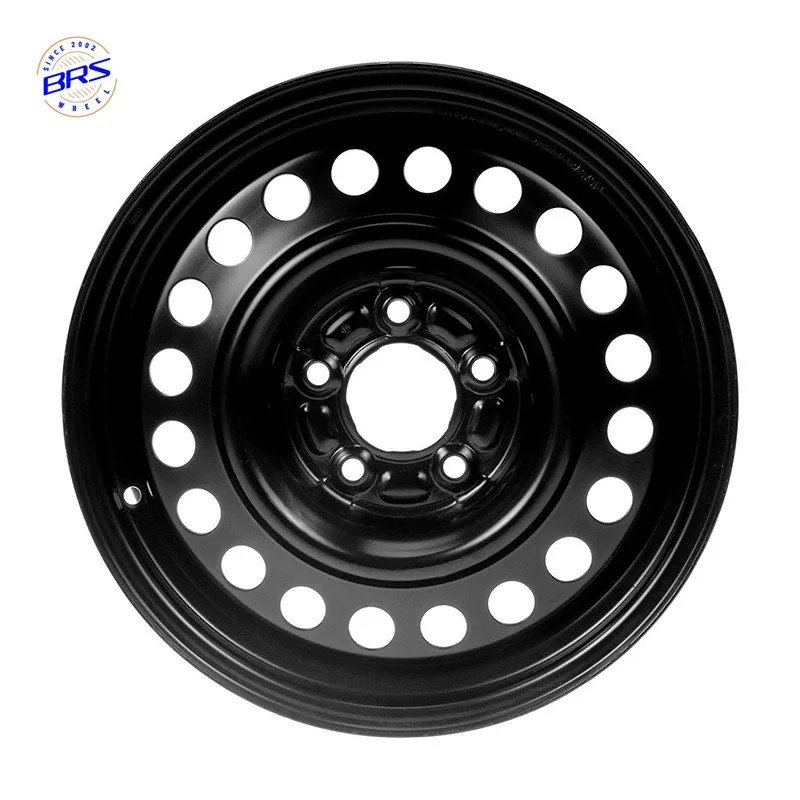
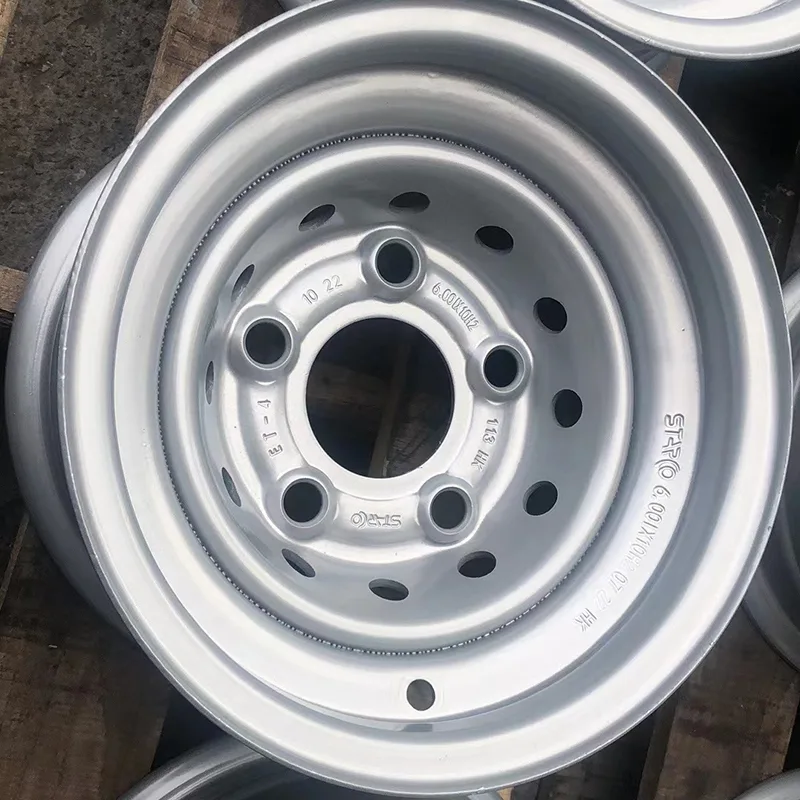
Basic steel ATV rims cost $20–$65 each, while hot-dip galvanized steel runs $35–$60 each. This makes steel the clear value pick for work-focused riders. Steel handles heavy loads without cracking; it bends under extreme impact rather than shattering, giving riders a visible warning before full failure.
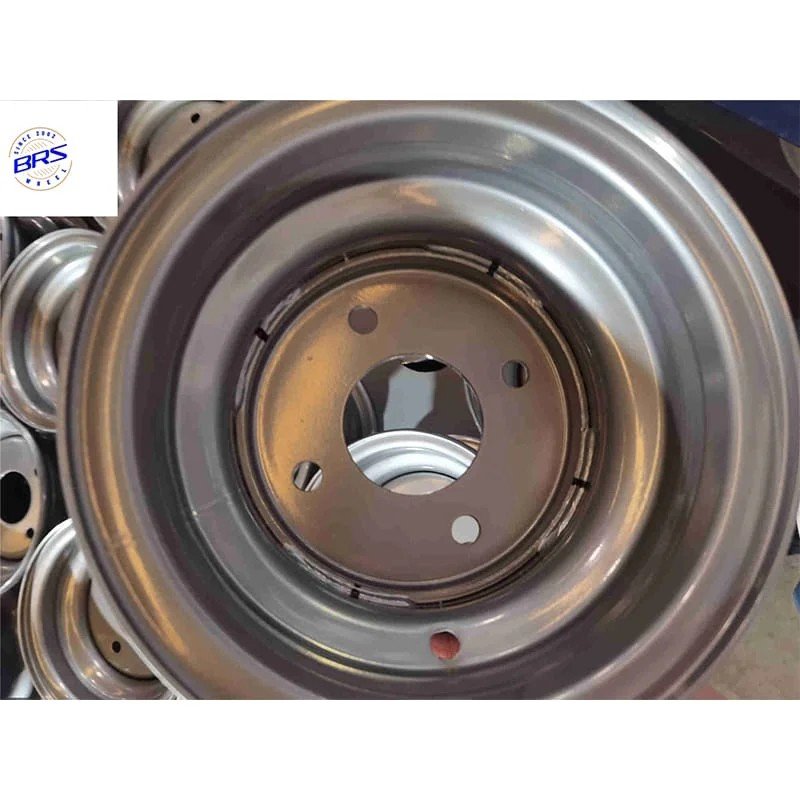
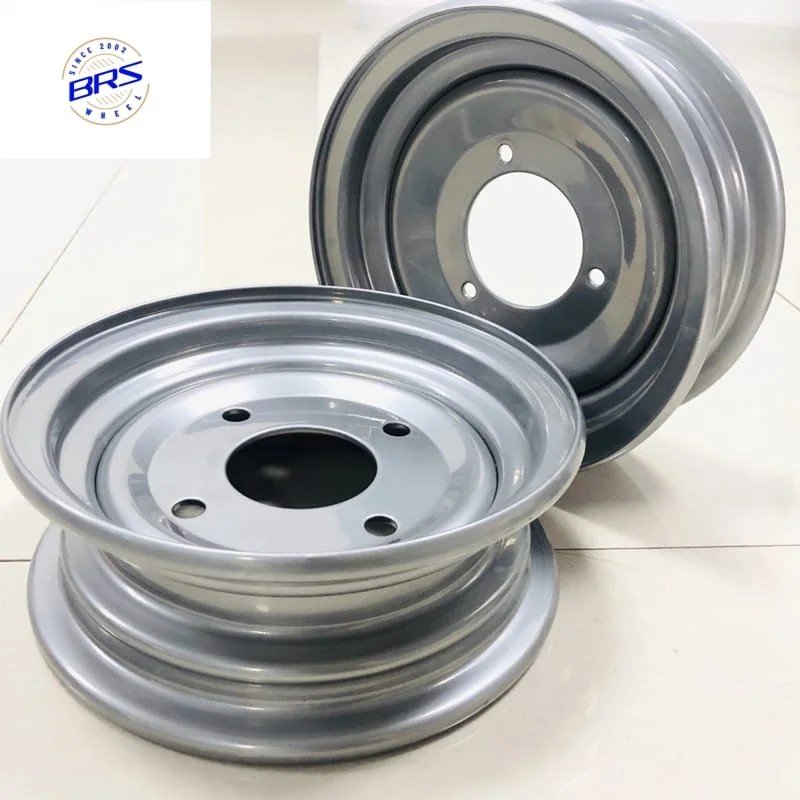
BRS manufactures steel rims from 8–14 inches wide with common 4×110 bolt patterns, with custom OEM/ODM offsets, load ratings, and powder-coated or chrome rust-resistant finishes. This combination keeps entry costs low while extending service life for utility, farm, and forestry use.
Cast Aluminum: Mid-Range Value
Cast aluminum alloy wheels typically cost $80–$150 each, positioning them above steel but well below premium forged options. For 6061-T6 forged aluminum, prices jump to $125–$180 each, making cast aluminum the smarter middle ground for everyday use. Common bolt patterns include 4×156, 4×137, 4×110, 5×114.3, and 6×139.7, fitting most popular ATV and UTV models.
Premium Options
Carbon fiber wheels remain prohibitively expensive for most recreational and utility riders, with limited practical benefit for general off-road impact loads.
Strength & Durability: Which Material Lasts Longest?
Off-road strength is about more than hardness — it’s how a wheel absorbs impact, holds load, and fails. Steel bends before it breaks; cast aluminum can crack under sharp, heavy hits. This difference in failure mode is critical for trail reliability.
Steel vs. Cast Aluminum Failure Mode
| Attribute | Steel Rims | Cast Aluminum Rims |
|---|---|---|
| Heavy impact response | Bends and deforms gradually | Cracks or shatters suddenly |
| Post-impact usability | Usually retains air; often drivable | Loses air immediately; unsafe to ride |
Steel’s ductile nature means it absorbs shock through deformation rather than catastrophic failure. Cast aluminum is stiffer and more brittle, so sharp impacts from rocks or roots can cause cracks that deflate the wheel instantly.
Aluminum Strength Comparison: Cast vs. Flow-Formed vs. Forged
Not all aluminum wheels are equal. Manufacturing process defines strength, weight, and durability:
- Cast aluminum: Molten metal poured into a mold leaves tiny internal air pockets and no aligned grain structure, resulting in lower tensile strength and higher brittleness.
- Flow-formed aluminum: Starts as a casting, then the barrel is compressed and rolled for a denser, stronger structure. The barrel is more durable, but the face and spokes remain cast.
- Forged aluminum: Compressed under extreme pressure into a tight, aligned grain structure, making it the strongest and lightest aluminum option. It bends under impact instead of snapping.
| Wheel Type | Tensile Strength (MPa) | Failure Mode |
|---|---|---|
| Cast Aluminum | 220–280 | Cracks / shatters (catastrophic) |
| Flow-Formed Aluminum | 280–350 | Cracks; barrel may bend |
| Forged Aluminum | 380–480 | Bends (non-catastrophic) |
Elongation is the key metric for off-road durability. Forged wheels absorb impact through minor bending, while cast wheels have low elongation and accumulate damage with each hard hit. A forged wheel lasts 5–10x more load cycles before failure.
Steel & Carbon Fiber Strength Notes
Steel delivers unmatched durability for heavy-duty use. BRS steel wheels are runout-tested and available in HD or beadlock setups for farming, rock-crawling, and logging applications. Carbon fiber is very strong for its weight, but brittle and expensive — suited only for racing where every ounce matters.
Weight: How Lighter Wheels Improve ATV Performance
Lighter wheels improve acceleration, braking, and suspension response by reducing rotational mass. Every pound of rotating wheel weight is equivalent to roughly 5–10 pounds of static vehicle weight for acceleration, which is why wheel weight has such a noticeable impact on ride feel.
Less rotational mass means more engine power reaches the ground, brakes work less to slow the wheels, and heat buildup is reduced — preventing brake fade on long descents. Lower unsprung mass also helps the suspension track terrain better, improving traction and rider comfort.
Lightweight Wheel Options
Forged aluminum, flow-formed aluminum, and carbon fiber deliver the greatest weight savings. Real-world performance testing confirms the difference:
- A Mazda Miata with 12 lbs less weight per wheel cut 0-60 mph time by 0.29 seconds.
- A 502-powered Chevelle saved 82 lbs total with lightweight wheels and gained 0.11 seconds in the quarter-mile.
- A BMW 3 Series with 3 lbs lighter per wheel posted faster lap times and sharper steering feel.
Steel wheels carry significant extra weight that slows acceleration and braking, but remain preferred for low cost and brute toughness. Cast aluminum sits in the middle — lighter than steel, more affordable than forged — making it the practical sweet spot for most riders.
Final Verdict: Best ATV Wheel Material by Use Case
Specialty Recommendations
| Riding Need | Best Wheel Material |
|---|---|
| Budget work and heavy hauling | Steel |
| Balanced trail and utility riding | Cast aluminum |
| Performance riding and desert racing | Forged or flow-formed aluminum |
| Sand dunes and professional racing | Carbon fiber |
| Custom builds and specialized offsets | Multi-piece wheels |
Steel remains unmatched for remote work sites, where a bent rim can be hammered back into shape on the trail and still hold air. For performance-focused riders, forged and flow-formed wheels deliver strength and weight savings that justify the higher price. Multi-piece wheels offer custom widths, offsets, and colors, with easier repair, though extra hardware adds some weight.
FAQ
Can a dented steel wheel keep working?
Yes. A bent steel wheel usually stays sealed and holds air. Riders can often pound the dent back into shape on the trail, making steel highly reliable for remote work sites. Cast aluminum, by contrast, cracks suddenly under extreme impact and loses air immediately.
How does wheel weight change an ATV’s feel?
Lighter wheels spin up faster, improve acceleration, and shorten braking distance. They also reduce unsprung mass, so the suspension responds better on rough terrain for improved traction and comfort. Forged aluminum saves the most weight; steel adds the most; cast rims sit in the middle.
Why do cast and forged aluminum wheels cost so differently?
Cast wheels are made by pouring molten metal into a mold, leaving tiny air pockets that weaken the structure. Forged wheels compress metal under extreme pressure into a tight, aligned grain structure, making them stronger and lighter. That extra strength and durability commands a higher price.