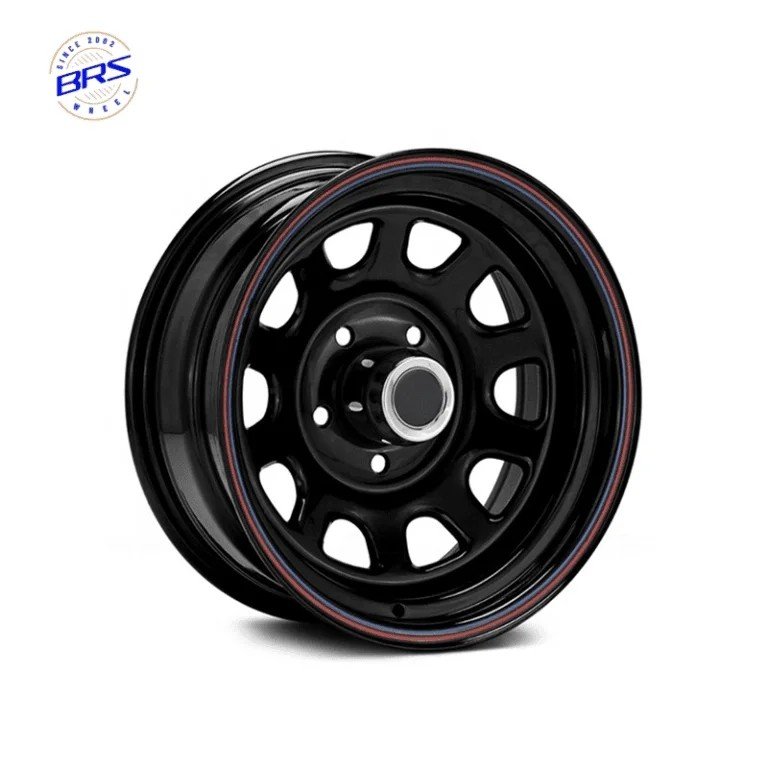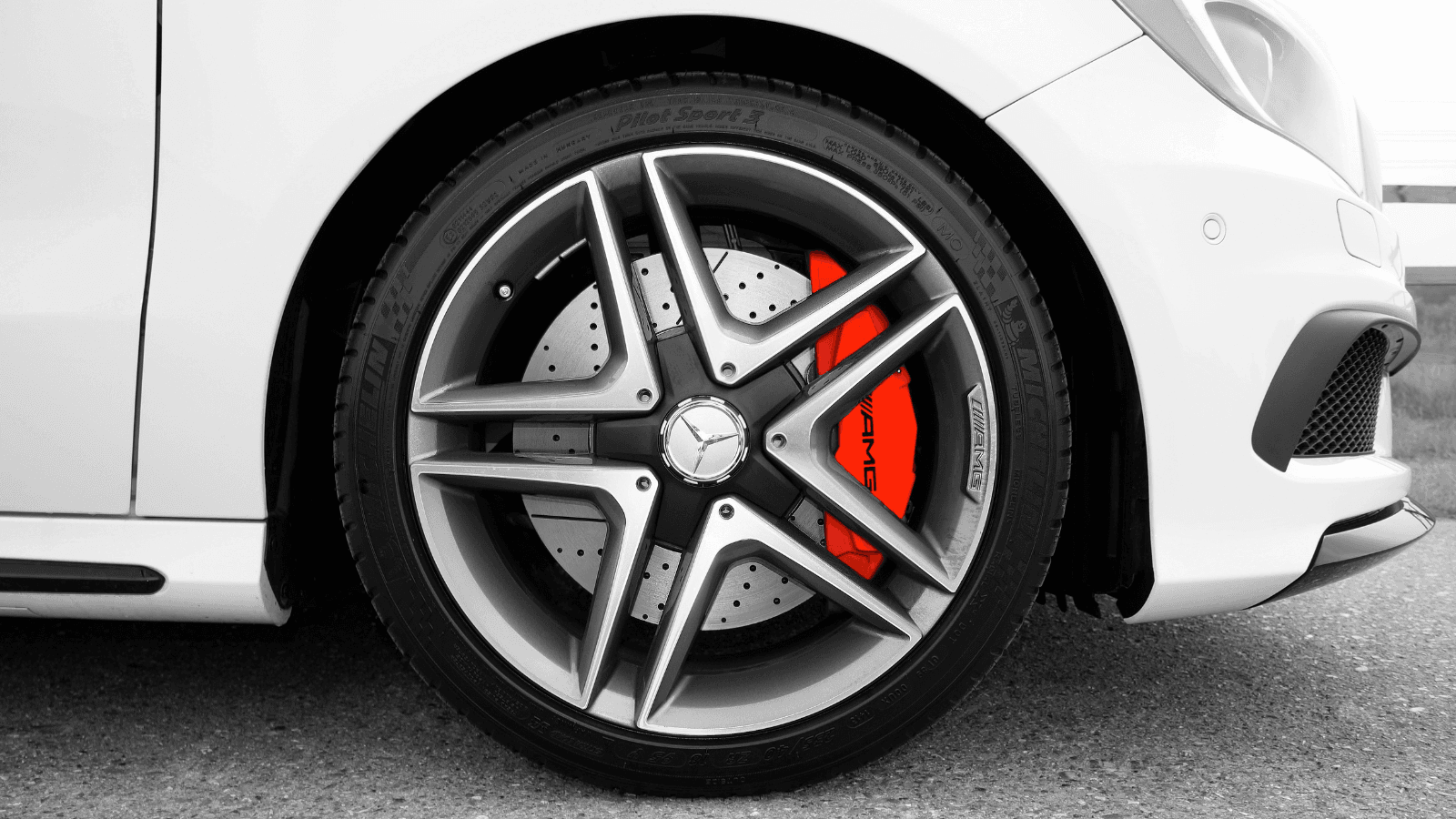

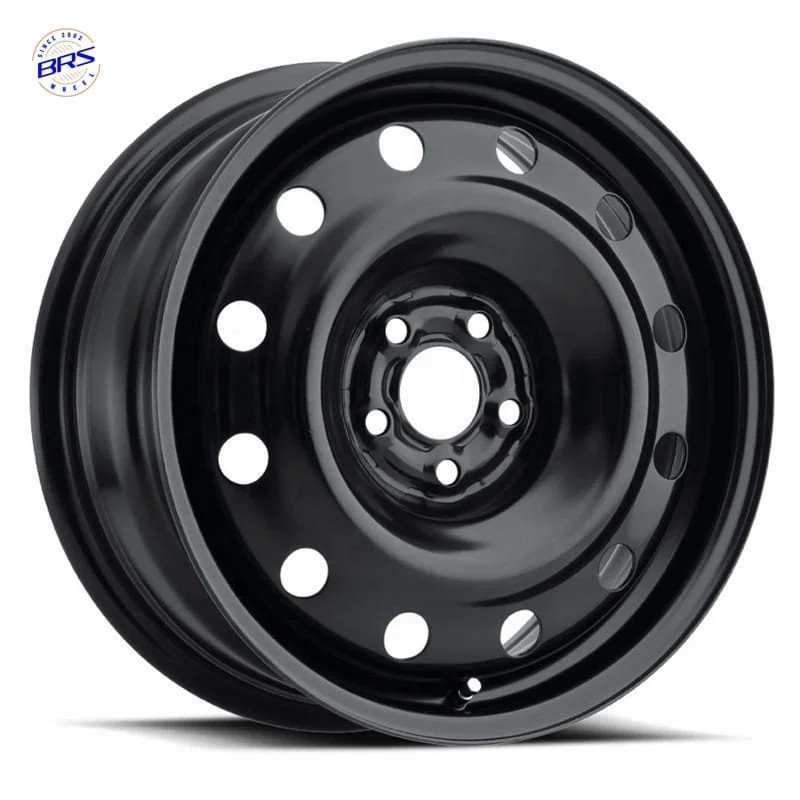
To measure a wheel bolt pattern, first count the lug holes and then measure the pitch circle diameter (PCD). The method depends on the number of lugs. On 4-, 6-, and 8-lug wheels, you can measure from the center of one lug hole to the center of the hole directly opposite it. On a 5-lug wheel, no hole sits directly across from another, so you need to use a center-to-outer-edge measurement.
The final bolt pattern is written as two numbers, such as 5×114.3, where the first number represents the lug count and the second represents the PCD in millimeters. Knowing how to measure the bolt pattern correctly helps you check wheel compatibility before ordering.
Основные выводы
- Count the lug holes first to determine the first number of the bolt pattern.
- Measure the PCD using the method appropriate for the lug count.
- Use a center-to-center measurement for 4-, 6-, and 8-lug wheels.
- Use a center-to-outer-edge measurement for 5-lug wheels.
- Record the measurement in millimeters when possible.
- Compare the measured pattern with the vehicle or wheel manufacturer’s specification before ordering.
What Is a Wheel Bolt Pattern?
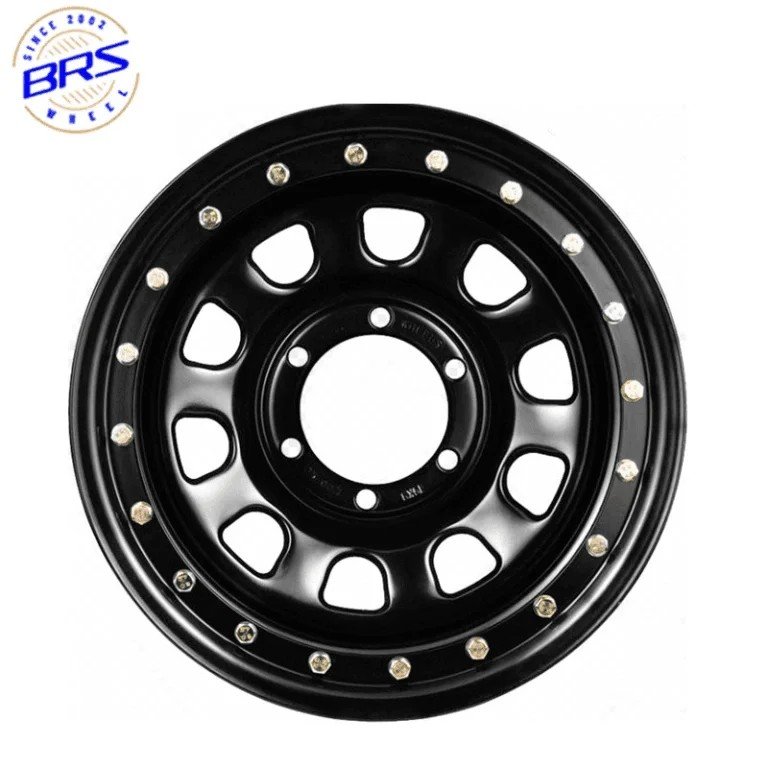
A wheel bolt pattern describes the number and spacing of the lug holes on a wheel. It is also commonly referred to as the bolt circle or pitch circle diameter (PCD).
The specification is written as two numbers, such as 5×114.3. The first number indicates the number of lug holes, while the second number indicates the diameter of the imaginary circle passing through the center of each lug hole.
How Do I Measure Wheel Bolt Pattern?
The basic process is simple: count the lug holes, identify whether the wheel has an even or odd number of lugs, and measure the PCD using the appropriate method.
A tape measure or metric ruler is sufficient for many wheels. A bolt pattern gauge or template can make 5-lug measurements easier.
How to Measure 4-, 6-, and 8-Lug Wheels
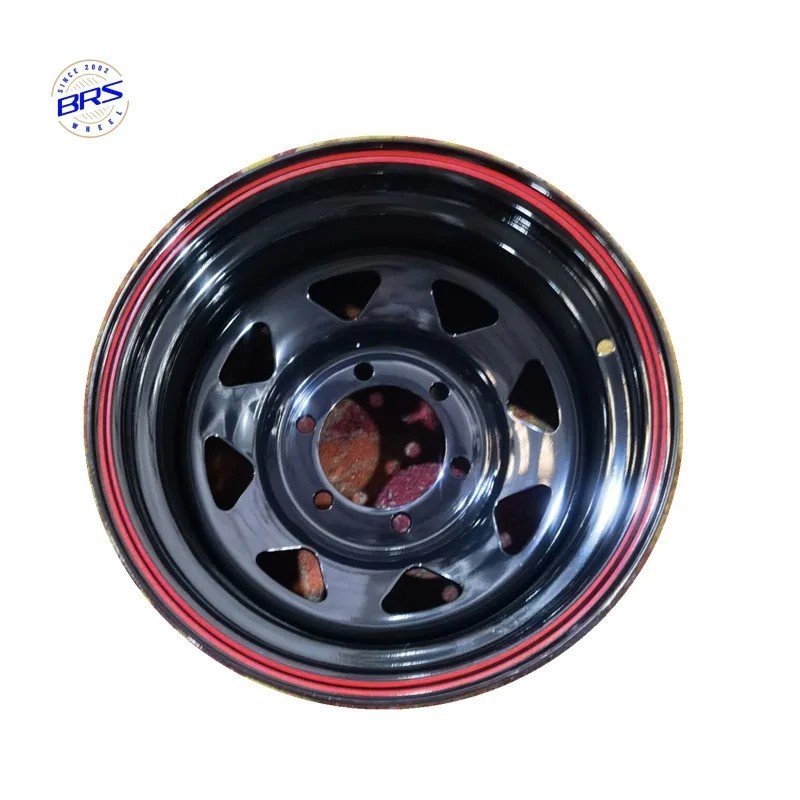
Even-lug wheels have a lug hole directly opposite each starting hole. This makes the PCD relatively straightforward to measure.
- Clean the wheel face and lug holes of dirt and grease so the tape sits flat and accurate.
- Pick any lug hole as your starting point, and align the tape’s zero mark with the center of the hole.
- Stretch the tape straight across the hub center to the center of the hole directly opposite.
- Read and record the measurement in millimeters.
- Repeat with a second pair of holes to confirm your reading. If numbers differ, clean the holes and measure again.
For example, if a 6-lug wheel measures approximately 139.7 mm from center to center across the wheel, its bolt pattern is 6×139.7.
The same method applies to 4-lug and 8-lug wheels. The key is to measure between the centers of opposite holes rather than from one edge of a hole to another.
How to Measure a 5-Lug Wheel
A 5-lug wheel requires a different method because no lug hole sits directly opposite another hole.
To measure a 5-lug bolt pattern:
- Pick any lug hole as your starting point, and align the tape’s zero mark with the hole’s center.
- Count two holes away from the starting point (skip one lug position).
- Stretch the tape straight across the hub to the outer edge of the target hole.
- Read and record the measurement in millimeters.
- Repeat with another set of holes to confirm consistency.
For example, a measurement of approximately 114.3 mm corresponds to a 5×114.3 bolt pattern when confirmed against the applicable specification.
The measurement must be taken carefully because 5-lug patterns can be difficult to judge by eye. A bolt pattern gauge or template can help identify the correct PCD, especially when the center of a lug hole is difficult to locate.
How to Check and Verify Your Measurement
Measuring the bolt pattern is only the first step. You should verify the result before ordering a wheel.
Measure in Millimeters
If your measurement is in inches, multiply the value by 25.4 to convert it to millimeters.
| Дюймы | Millimeters |
|---|---|
| 4.0 | 101.6 |
| 4.5 | 114.3 |
| 5.0 | 127.0 |
| 5.5 | 139.7 |
| 6.0 | 152.4 |
| 6.5 | 165.1 |
Using a metric tape measure can eliminate the need for conversion.
Compare the Pattern With the Specification
After measuring, compare both parts of the bolt pattern with the vehicle or производитель колес‘s specification.
For example, a wheel measured as 5×114.3 should be compared with the specified vehicle fitment rather than assumed to fit based only on the lug count.
If your measurement does not match the published specification, recheck the measurement before ordering. For a difficult 5-lug pattern, a bolt pattern gauge or a confirmed vehicle specification can provide an additional reference.
Часто задаваемые вопросы
What Happens if the Bolt Pattern Measurement Is Wrong?
A wheel with the wrong bolt pattern may not align correctly with the vehicle’s mounting points and cannot be properly installed. Always verify the lug count and PCD before ordering.
Can I Measure the Bolt Pattern Without Removing the Wheel?
In some cases, yes. If the lug holes are accessible, you can measure them using the appropriate method. However, access can be limited when the wheel is mounted on the vehicle, so checking the vehicle or wheel manufacturer’s specification may be easier and more reliable.
Do All 5-Lug Wheels Have the Same Bolt Pattern?
No. Five-lug wheels can have different PCD measurements. The lug count alone does not identify the complete bolt pattern. You need both the lug count and PCD.
Can a Bolt Pattern Gauge Improve Accuracy?
A bolt pattern gauge can make it easier to identify and verify a PCD, particularly on 5-lug wheels where no lug hole sits directly opposite another. It is useful when a tape measure or ruler does not provide a clear measurement.
What Other Wheel Specifications Should I Check?
In addition to bolt pattern, check wheel diameter, width, offset, center bore, load capacity, and other fitment requirements specified for the vehicle. A matching bolt pattern alone does not guarantee that a wheel will fit correctly.

Эксперт по производству стальных колес
Пионеры в области производства автомобильных колес