For most standard utility trailers, industry experts recommend greasing wheel bearings once per year or every 12,000 miles, whichever comes first. Regular lubrication prevents overheating, reduces wear and protects against bearing failure for saf 1 e towing. If you tow heavy loads, drive frequently in wet/dusty conditions or use your trailer for work, you 2 will need to shorten the service interval. Always reference your trailer owner’s manual 3 or guidelines from the wheel hub manufacturer for model-specific maintenance requirements.
Key Takeaways
- Standard service interval: 12 months / 12,000 miles for most greaseable trailer wheel bearings.
- New trailers require an initial bearing service after the first 1,000 miles to seat components and remove assembly contaminants.
- Shorten intervals to every 6 months for heavy loads, boat trailers, saltwater use and dusty/off-road conditions.
- Watch for warning signs including grinding noise, hub overheating and grease leaks — these indicate bearings need immediate service.
- Always follow the trailer manufacturer’s maintenance schedule and use the correct grease specification for your application.
Understanding Trailer Bearing Service Schedules
Recommended Greasing Intervals by Bearing Type
Service frequency depends first on your trailer’s bearing design. There are three common systems:
| Bearing Type | Service Interval | Service Difficulty | Best For |
|---|---|---|---|
| Standard grease-packed | 12 months / 12,000 miles | Moderate — full disassembly, clean and repack | General utility, car haulers, cargo trailers |
| E-Z Lube® / easy-lube | 12 months full service; quick top-off between services | Easy — grease fitting access | Frequent use, seasonal towing, utility fleets |
| Nev-R-Lube® / sealed | Annual visual inspection only; no greasing required | Very easy — sealed unit, no maintenance | Long-haul enclosed trailers, low-maintenance setups |
Important: Sealed “lifetime lubricated” bearings never need greasing. If you see grease leaks, hear grinding or feel play in the hub, the seal has failed and the entire bearing unit must be replaced.
New Trailer Break-In Service
All new trailers with greaseable bearings require their first service after approximately 1,000 miles. This initial service removes manufacturing debris, seats the bearings properly and checks for correct alignment after break-in. Skipping this first service greatly increases the risk of premature wear and early bearing failure.
Adjusted Intervals for Trailer Wheel Bearings under Special Conditions
Heavy-Duty & Harsh Environment Use
Standard 12-month intervals only apply to light, on-road use in dry conditions. Shorten service to every 6 months if you:
- Tow near-maximum loads regularly
- Drive on dirt, gravel or off-road terrain
- Use a boat trailer (especially in saltwater)
- Tow frequently in very dusty or muddy conditions
Water — and saltwater in particular — penetrates seals quickly and washes out grease, causing rapid rust and bearing failure. Rinse hubs after submersion and service bearings immediately after major water exposure.
Seasonal & Occasional Use
Even if you rarely tow, grease breaks down and absorbs moisture over time while the trailer sits in storage. Perform a full bearing service on each trailer wheel at least once per year regardless of mileage, and inspect hubs before each towing season.
Key Factors That Shorten Trailer Wheel Bearing Service Life
Load & Usage Intensity
Heavier loads create more heat and friction inside the hub, causing grease to break down much faster. Work trailers, equipment haulers and heavy car haulers should be inspected every 3–6 months and serviced as needed. Light, occasional use can follow the standard 12-month schedule.
Environmental Conditions
| Condition | Effect on Grease & Bearings |
|---|---|
| Water / saltwater | Washes out grease; causes rust and rapid wear |
| Dust, dirt & mud | Contaminates grease; creates abrasive grinding wear |
| High ambient heat | Accelerates grease breakdown and oxidation |
| Freezing temperatures | Thickens grease; reduces lubrication at startup |
Always use a grease rated for your operating conditions — marine-grade grease for boat trailers, high-temperature grease for hot climates and heavy loads.
Note: Never mix different grease types. Incompatible greases can react chemically, break down and lose lubricating ability, leading to overheating and failure.
How to Identify and Prevent Trailer Wheel Bearing Failure
Warning Signs Your Bearings Need Service Immediately
Do not tow if you notice any of these symptoms — continued use can cause total wheel bearing failure and wheel separation:
- Abnormal noise: Grinding, growling or rumbling from the wheel indicates metal-on-metal contact from lost lubrication. Squealing or squeaking often means bearings are dry and need immediate greasing.
- Hub overheating: A wheel hub that feels hot to the touch after driving is a classic sign of insufficient grease or failing bearings.
- Grease leaks: Grease seeping past the seal means the seal has failed; grease will continue to leak out and contamination will get in.
- Wheel play: Rock the tire side to side and top to bottom. Excess wobble means bearings are worn or loose and need adjustment or replacement.
Tip: Perform a quick walk-around hub temperature check after every long tow. Catching dry bearings early prevents expensive damage and roadside breakdowns.
Best Practices for Bearing Maintenance
- Use only the grease type specified in your owner’s manual. For most trailers, a high-quality NLGI #2 GC-LB rated, water-resistant grease is recommended.
- When using E-Z Lube fittings, pump grease slowly and stop as soon as fresh grease appears at the seal. Over-pressurizing can damage the seal and cause leaks.
- Always fully clean and repack bearings on the recommended service schedule; quick top-ups are only for interim maintenance.
- Store trailers in a dry, covered area to minimize moisture exposure and prevent corrosion in wheel hubs.
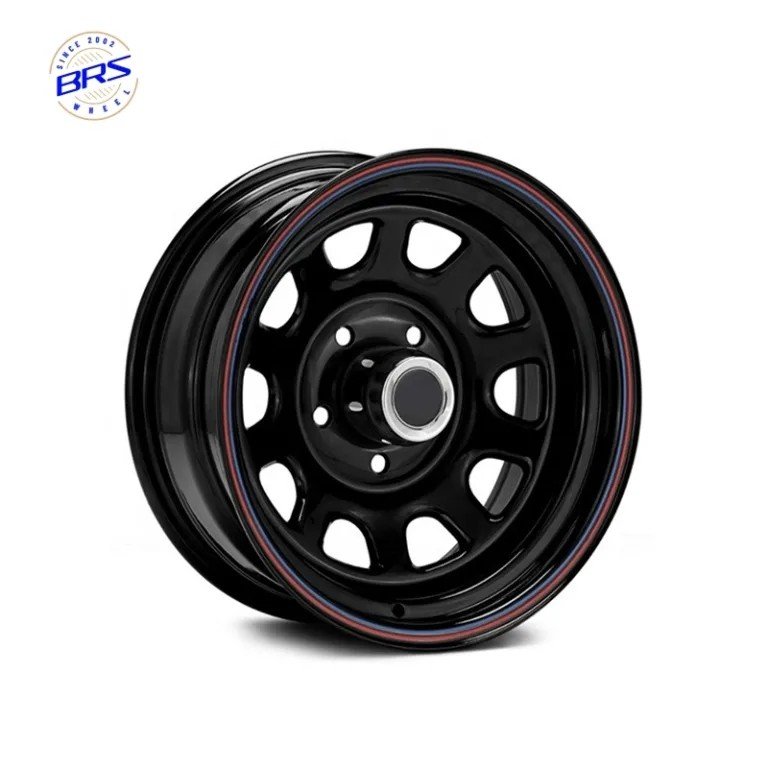
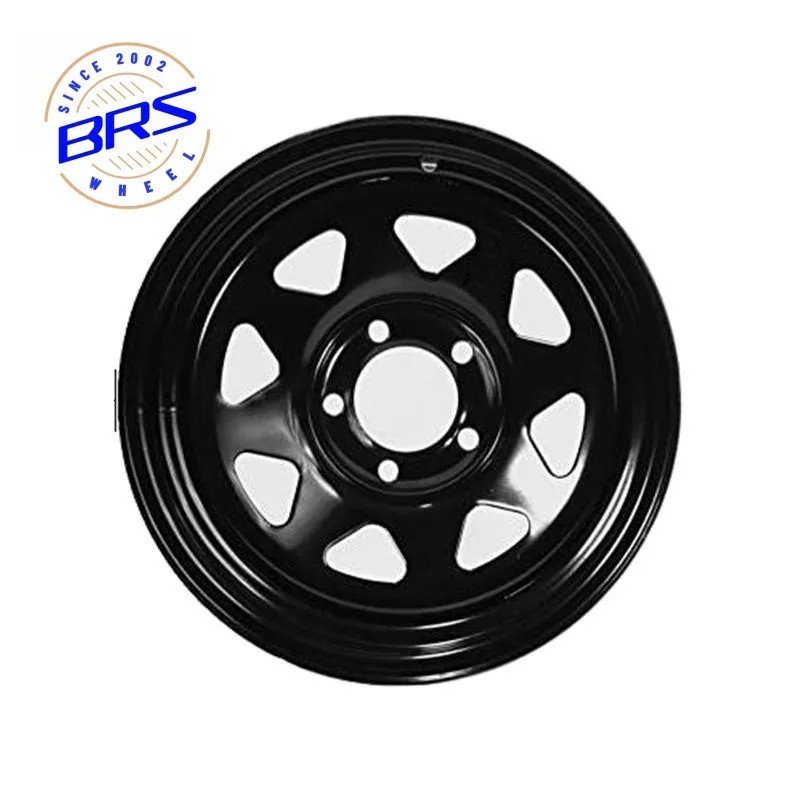
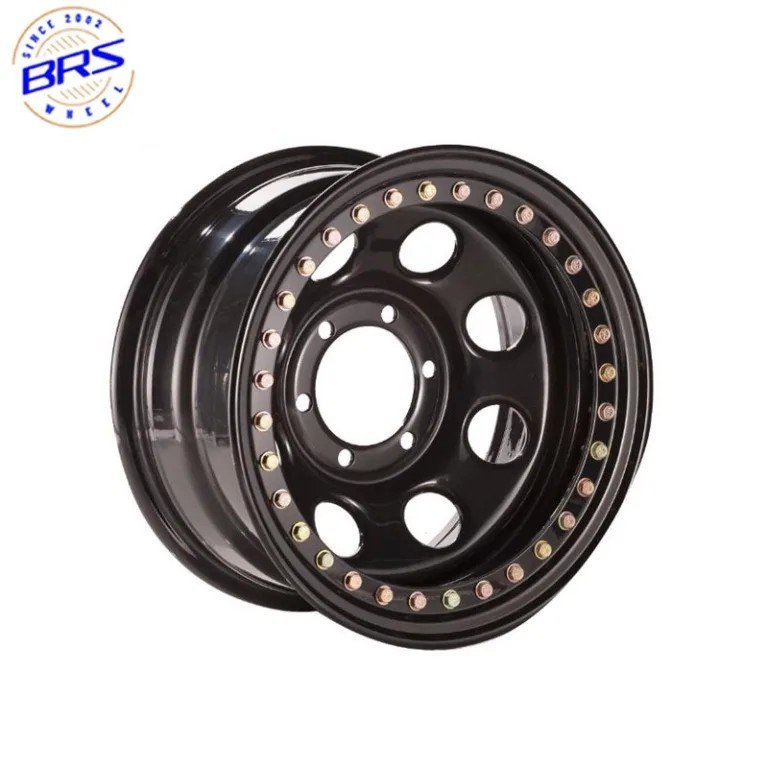
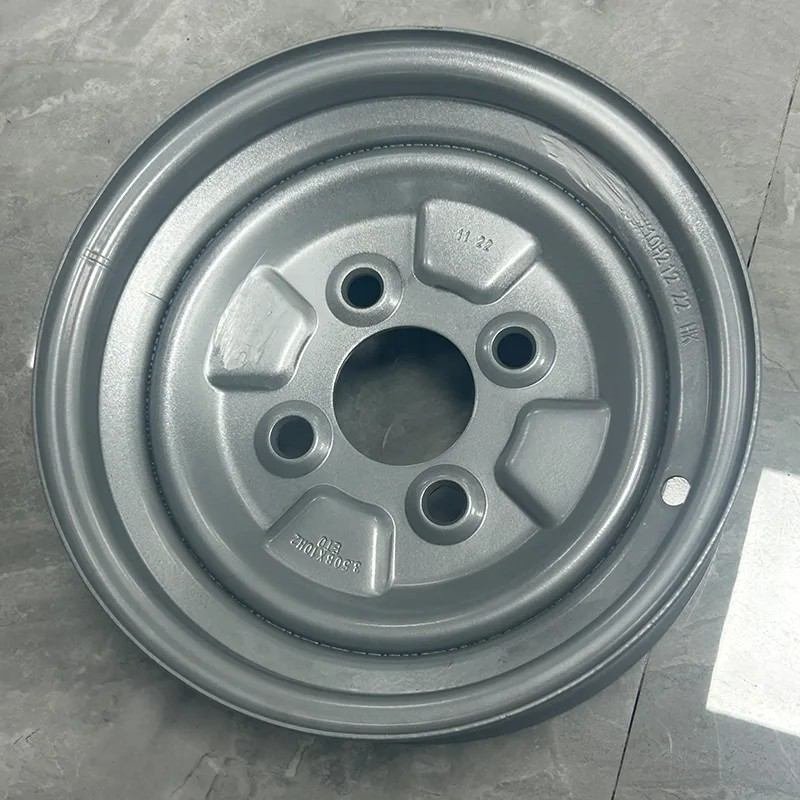
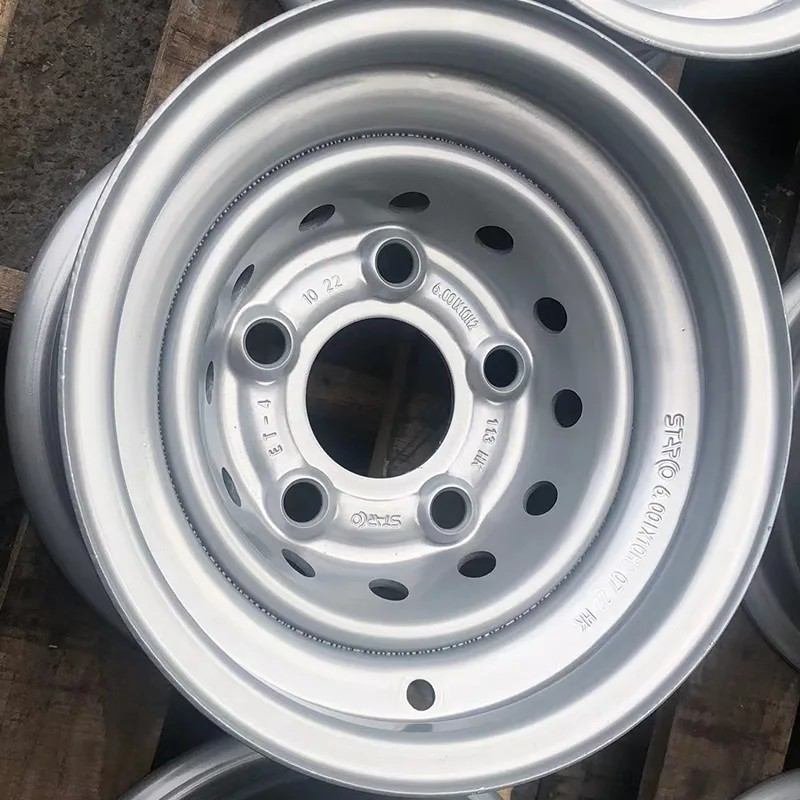
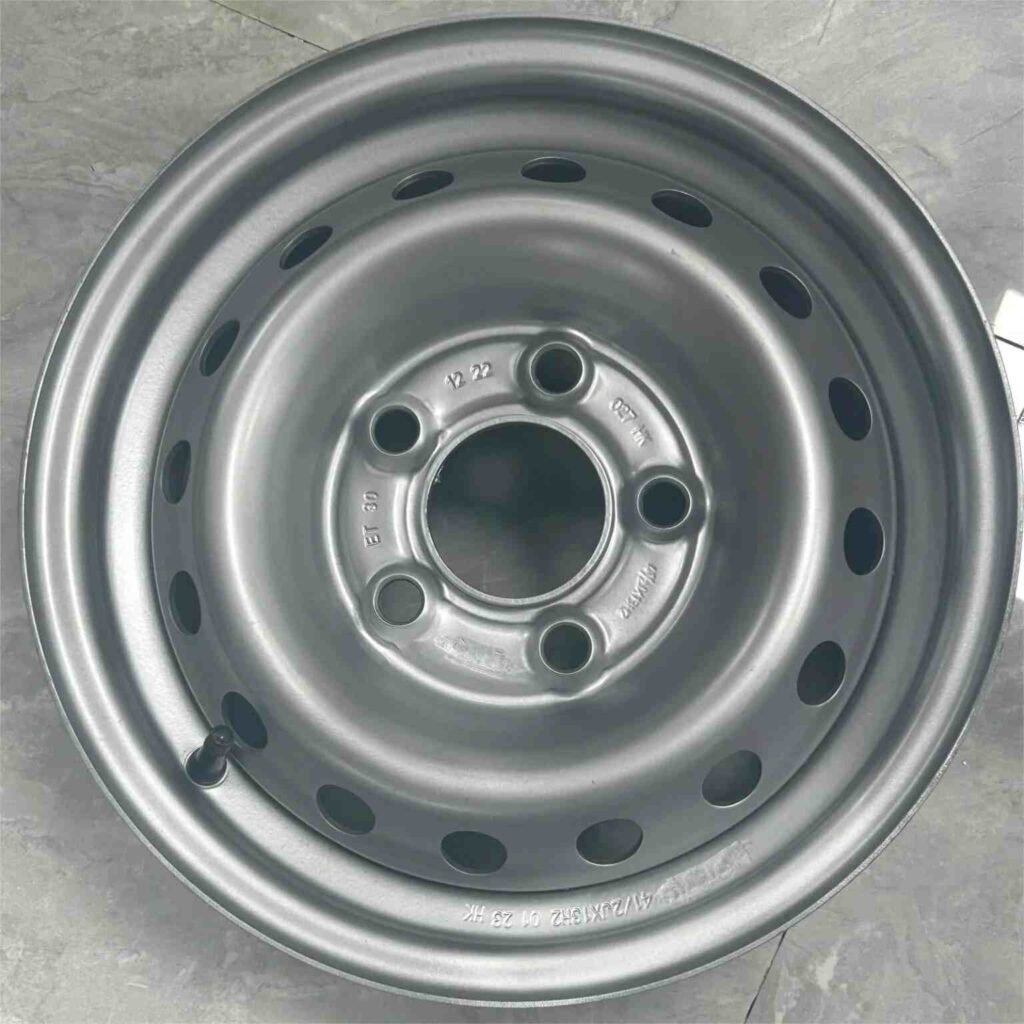
- Use high-quality components, such as BRS Steel Wheels, to improve durability and ensure more stable, low-maintenance towing performance over time.
Conclusion
Sticking to a 12-month / 12,000-mile bearing greasing schedule keeps your trailer running safely and prevents costly breakdowns. Adjust the interval shorter for heavy loads, water exposure and harsh conditions, and always address noise, heat or leaks immediately.
For dependable long-term towing performance, BRS Steel Wheels work seamlessly with all standard bearing systems and hold up reliably through years of regular service and routine maintenance.
FAQ
How often should trailer wheel bearings be inspected?
Perform a quick visual and physical check before every major trip. Schedule a full inspection at least once per year for light use, and every 6 months for heavy or frequent towing.
What kind of grease is best for trailer wheel bearings?
Use a high-quality, water-resistant wheel bearing grease rated NLGI #2 GC-LB. For boat trailers and saltwater use, marine-grade grease with extra corrosion protection is strongly recommended. Always match the manufacturer’s specified grease type.
Can I tow a trailer with noisy wheel bearings?
No. Never tow a trailer with grinding, rumbling or growling wheel bearings. Noise means lubrication has failed and metal is grinding on metal. Continued towing will destroy the bearings and spindle, and can lead to wheel separation at highway speeds.
Do new trailers need an early first bearing service?
Yes, for greaseable bearing designs. The first 1,000-mile service removes manufacturing contaminants, seats the bearings and checks for proper adjustment. Sealed maintenance-free bearings do not require this break-in service.