
Proper regular maintenance is the easiest way to keep steel wheels strong, rust-free, and safe for driving. With just five core steps — regular cleaning, rust prevention, routine inspection, seasonal care, and proper storage — you can extend the lifespan of your steel wheels by up to 30% compared to no maintenance at all. These simple steps work for all passenger cars, trucks, and SUVs, and require no special tools or professional skills.
Key Takeaways
- Clean steel wheels every 1–2 weeks to remove brake dust and road grime, which are the top causes of rust and finish damage.
- Inspect wheels monthly for dents, cracks, and early rust spots. Catching issues early avoids costly repairs and keeps wheels safe to drive on.
- Apply protective wax or sealant every 1–2 months to create a barrier against moisture, salt, and brake dust, reducing cleaning work and rust risk.
- Store off-season wheels in a dry, well-ventilated space, raised off the ground, with a rust-preventive coating for long-term protection.
- Consistent maintenance not only extends wheel life but also supports driving safety by reducing the risk of wheel-related failures.
Clean Steel Wheels Regularly & Correctly
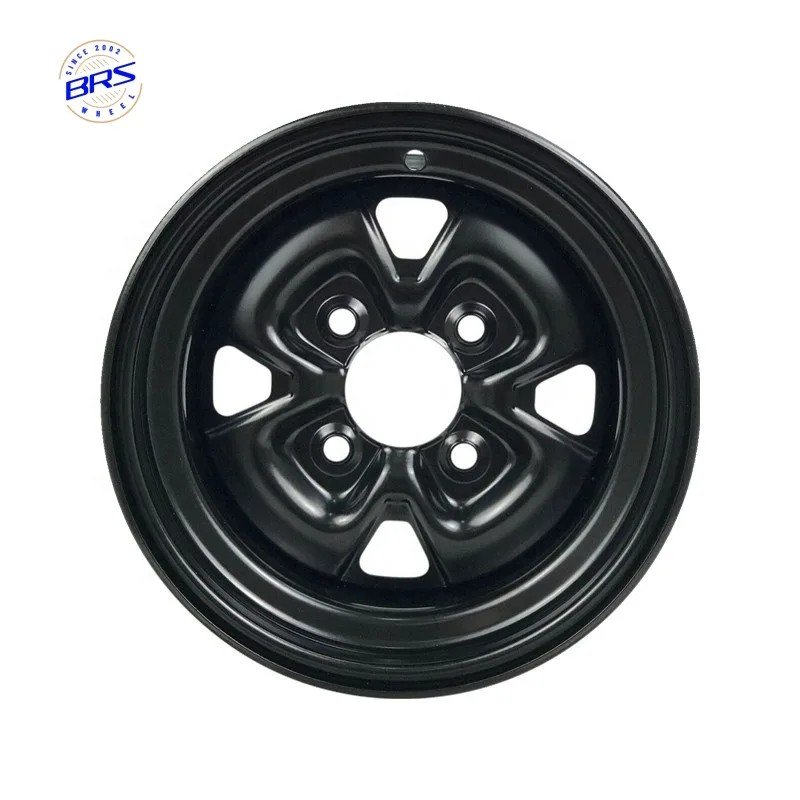
Brake dust and road grime are the biggest enemies of steel wheel finishes. Left to build up, they bond to the paint surface, trap moisture, and eventually lead to rust and corrosion. Regular cleaning removes these contaminants before they cause permanent damage.
Recommended Cleaning Frequency
- For normal daily driving: Clean every 1–2 weeks
- For winter driving with road salt, or off-road use: Clean every 3–5 days
Step-by-Step Cleaning Process
- Rinse wheels thoroughly with plain water to wash away loose dirt and brake dust.
- Spray on an acid-free, steel-safe wheel cleaner, and let it dwell for 2–3 minutes to break down grime.
- Gently scrub the surface and crevices with a soft-bristle brush or sponge — never use harsh abrasive brushes, as they will scratch the paint and create rust-prone spots.
- Rinse completely with clean water to remove all cleaner residue.
- Dry wheels fully with a soft microfiber towel. Standing water is the leading cause of rust on steel wheels.
- Inspect for paint chips or scratches, and touch up any damage right away.
- Apply a layer of wheel wax or sealant for long-term protection.
Protective Wax & Sealant Benefits
A good wheel wax or sealant creates a hydrophobic barrier on the wheel surface, offering these key benefits:
- Repels brake dust and road grime, making future cleaning faster
- Sheds water to reduce standing moisture and rust risk
- Withstands normal brake heat without breaking down
- Adds a clean, polished shine to the wheel finish
Prevent Steel Wheels from Rusting and Corroding
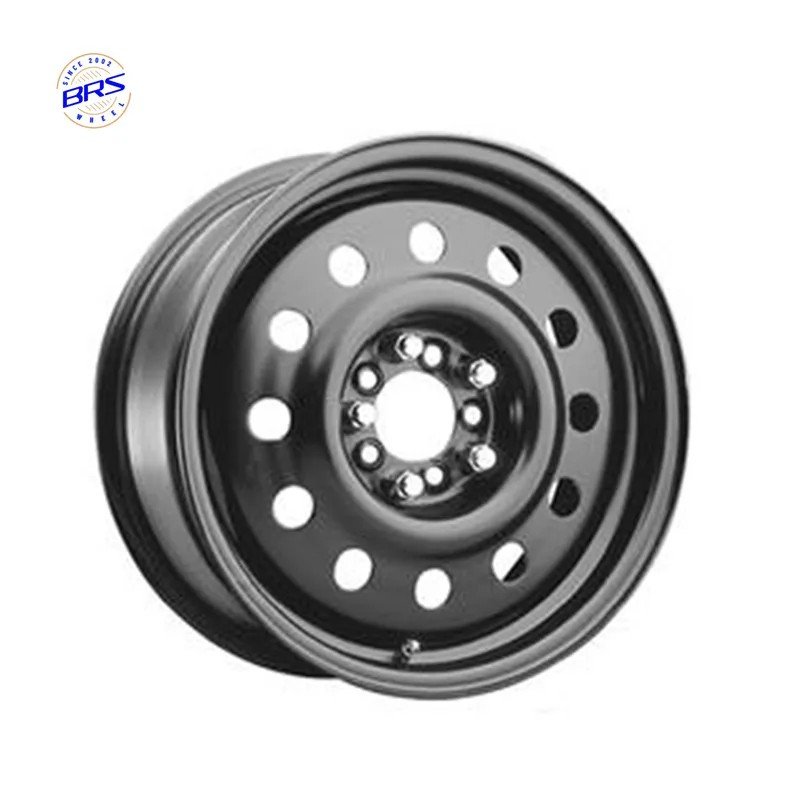
Steel naturally rusts when exposed to moisture and oxygen, so proactive rust prevention is the most important part of steel wheel maintenance.
Control Moisture
Always dry wheels completely after washing, rainstorms, or driving through snow. Pay extra attention to crevices and the inner barrel of the wheel, where water and mud can get trapped and stay wet for days. Remove caked-on mud or snow promptly, as these hold moisture against the metal surface and accelerate rust formation.
Maintain Protective Coatings
Most steel wheels come with a factory powder coat finish, which provides a strong initial barrier against moisture. High-quality steel wheels like BRS adopt durable powder coating, and these powder coated wheels feature built-in excellent corrosion resistance.
- If you notice chips or scratches in the paint, touch them up immediately with matching touch-up paint. Even a tiny chip exposes bare steel to moisture and can start rust in just a few days.
- Apply a top coat of wheel wax or sealant every 1–2 months for an extra layer of protection.
| Coating Type | Protection Level | Required Maintenance |
|---|---|---|
| Factory Powder Coat | High | Touch up chips immediately |
| Wheel Wax / Sealant | Medium | Reapply every 1–2 months |
| Bare Untreated Steel | Low | Not recommended for daily use |
Inspect Steel Wheels Monthly
Regular inspections catch small problems before they develop into expensive safety issues. Experienced steel wheel manufacturers recommend routine checks to maintain structural integrity and maximize wheel lifespan. Perform a quick inspection whenever you clean your wheels, and carry out a more detailed review once a month.
What to Look For
- Dents & bends: Common after hitting curbs or potholes. A bent wheel can cause uneven tire wear, steering vibration, or slow air leaks. Minor bends can often be straightened by a professional.
- Cracks: Check around the lug holes and barrel for fine cracks, even under the paint. Cracks are a serious safety risk and usually mean the wheel needs replacement.
- Early rust spots: Look for small orange or brown discoloration, especially around edges and chip sites. Treating surface rust early stops it from spreading deep into the metal.
Tip: Always inspect wheels after long trips or driving on rough roads. Early detection of damage prevents dangerous failures on the road.
When to Seek Professional Repair
Visit a wheel shop if you notice:
- Visible cracks or deep rust pitting
- Severe bends causing steering vibration
- Persistent slow air leaks that can’t be fixed by a tire repair
Adjusting Steel Wheel Care for Different Seasons
Winter Care (Snow & Road Salt)
Winter is the hardest season for steel wheels. Road salt and de-icing chemicals stick to wheels, trap moisture, and drastically speed up rust formation.
- Wash wheels every 3–5 days to remove salt and brine buildup. Don’t forget the inner barrel and wheel wells.
- Dry wheels fully after every wash.
- Check tire pressure weekly — cold temperatures cause pressure to drop, which affects both safety and wheel wear.
- Inspect for chips and rust spots more often, as salt will accelerate corrosion in any damaged areas.
Summer & Rainy Season Care
Heat and frequent rain also create rust-friendly conditions.
- Wash off mud and road grime promptly after rainstorms.
- Reapply sealant every 4–6 weeks, as high heat can break down wax faster.
- Touch up any paint chips before wet weather sets in.
How to Store Off-Season Steel Wheels Properly
Proper storage prevents rust and keeps wheels in good shape during months they’re not in use. Bad storage conditions can ruin a set of steel wheels faster than daily driving.
Follow these best practices:
- Clean and fully dry wheels before storing. Any dirt or moisture left on the surface will cause rust during storage.
- Apply a light rust-preventive coating or wax for extra protection.
- Store in a cool, dry, well-ventilated indoor space. Avoid damp garages or outdoor storage if possible.
- Keep wheels raised off the ground on pallets or racks, so they don’t sit directly on cold, damp concrete.
- If outdoor storage is unavoidable, use heavy-duty waterproof covers, and still keep wheels elevated on pallets.
Conclusion
Steel wheels are incredibly durable, but they only reach their full lifespan with consistent, simple maintenance. A regular cleaning routine, quick rust prevention steps, and monthly inspections will keep your wheels safe, rust-free, and looking good for years.
You don’t need special tools or professional service to maintain steel wheels. Following these five steps will extend their life by 30% or more, save you money on early replacements, and help keep your vehicle safe on the road.
FAQ
How often should you clean steel wheels?
For normal daily driving, clean steel wheels every 1–2 weeks. If you drive in winter with road salt, or on dirty off-road surfaces, clean them every 3–5 days to prevent corrosion from salt and grime buildup.
What is the best way to prevent rust on steel wheels?
The most effective rust prevention steps are: dry wheels completely after every wash or rainstorm, touch up paint chips immediately, and apply a protective wheel wax or sealant regularly to block moisture.
Can you use any wheel cleaner on steel wheels?
No. Harsh acid-based cleaners can strip the paint finish and leave steel vulnerable to rust. Always use an acid-free, wheel-specific cleaner labeled safe for painted steel surfaces.
How do you store steel wheels during the off-season?
Clean and dry wheels fully first, then apply a protective wax or rust inhibitor. Store them in a dry, well-ventilated area, raised off the ground on pallets or racks to avoid moisture contact from concrete floors.
Are steel wheels good for winter driving?
Yes. Steel wheels are extremely durable and hold up well to snow, ice, and road salt, making them a very popular choice for winter tire setups. Regular cleaning to remove salt will keep them in good shape for many winter seasons.