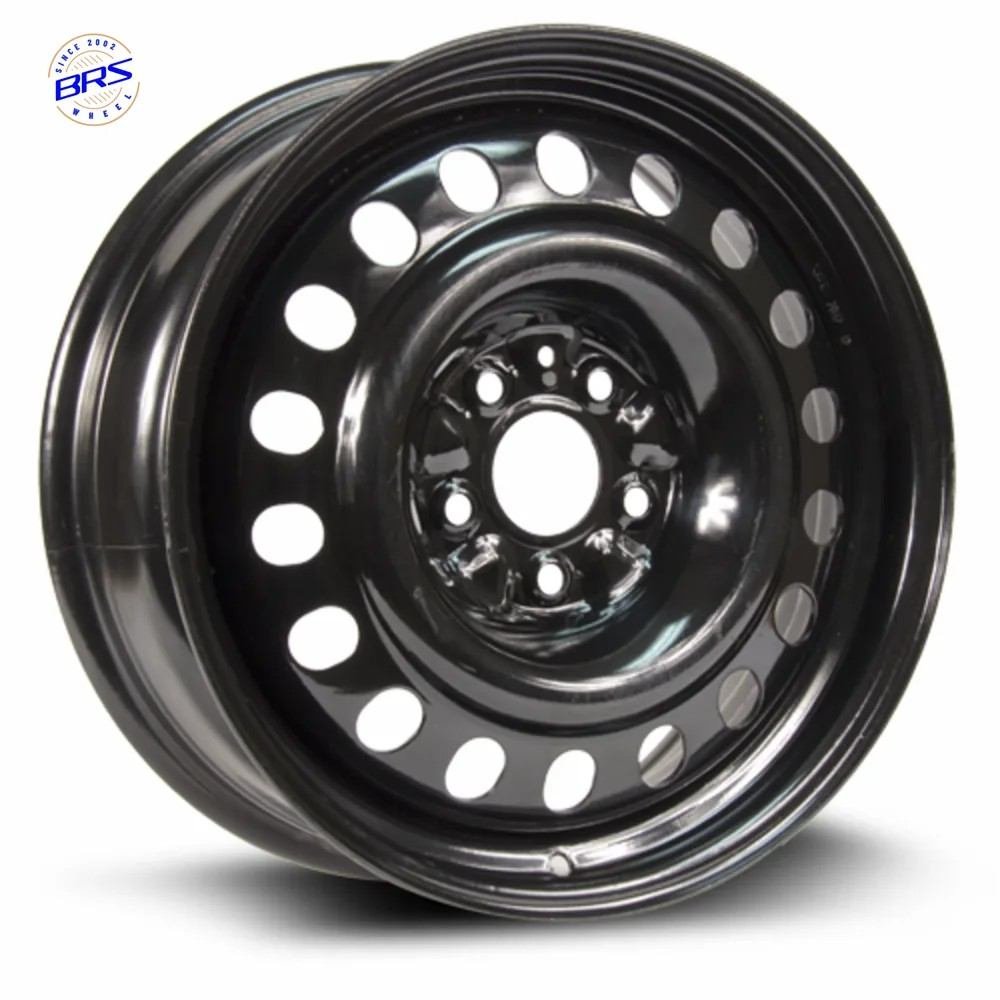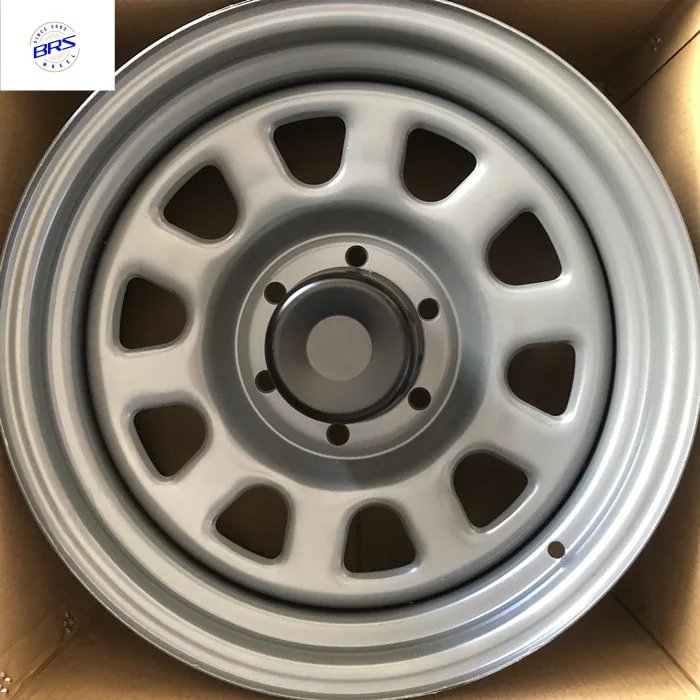
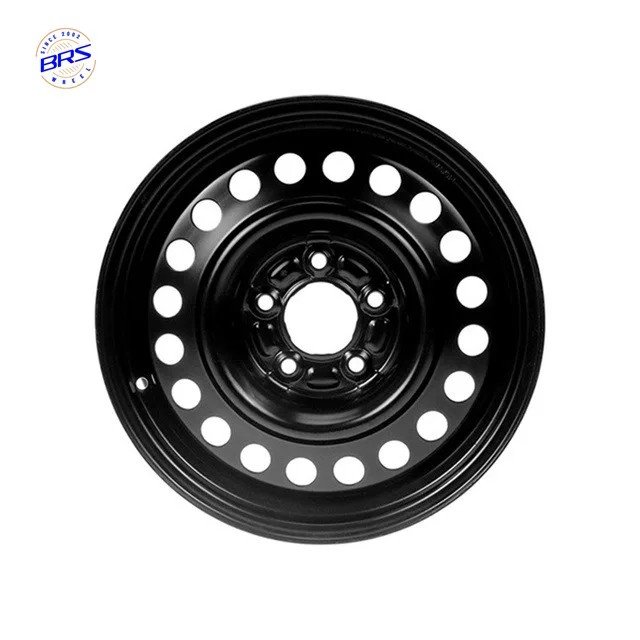
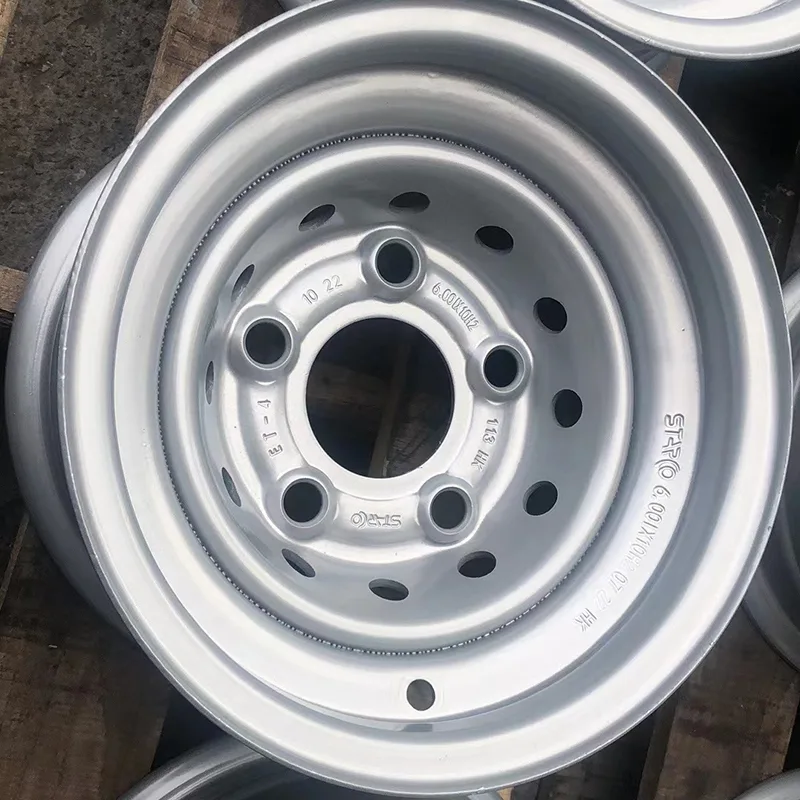
No, not all 5 lug trailer rims share the same bolt pattern. Also called lug pattern or bolt circle diameter (BCD), this measurement defines the arrangement of lug holes on a wheel, and it must match your trailer hub exactly for a safe, secure fit. Using the wrong pattern causes wheel wobble, uneven tire wear, and even catastrophic wheel failure while towing.
This guide covers the most common 5 lug trailer bolt patterns, the correct way to measure yours, and key fitment checks to avoid costly and dangerous mistakes.
Key Takeaways
- 5 lug trailer rims come in multiple standard sizes, with no universal one-size-fits-all specification.
- Always confirm your hub’s bolt pattern before purchasing new rims — never assume all 5 lug wheels are interchangeable.
- The four most common 5 lug trailer patterns are 5 on 4.5″, 5 on 4.75″, 5 on 5″, and 5 on 5.5″, each rated for different load capacities.
- For 5 lug wheels, measure from the center of one lug hole to the outer edge of the farthest opposite hole (skipping one hole in between) to get the bolt circle diameter.
- Beyond bolt pattern, always verify hub bore size, offset, and load rating to ensure safe, proper fitment.
What Is a 5 Lug Bolt Pattern?
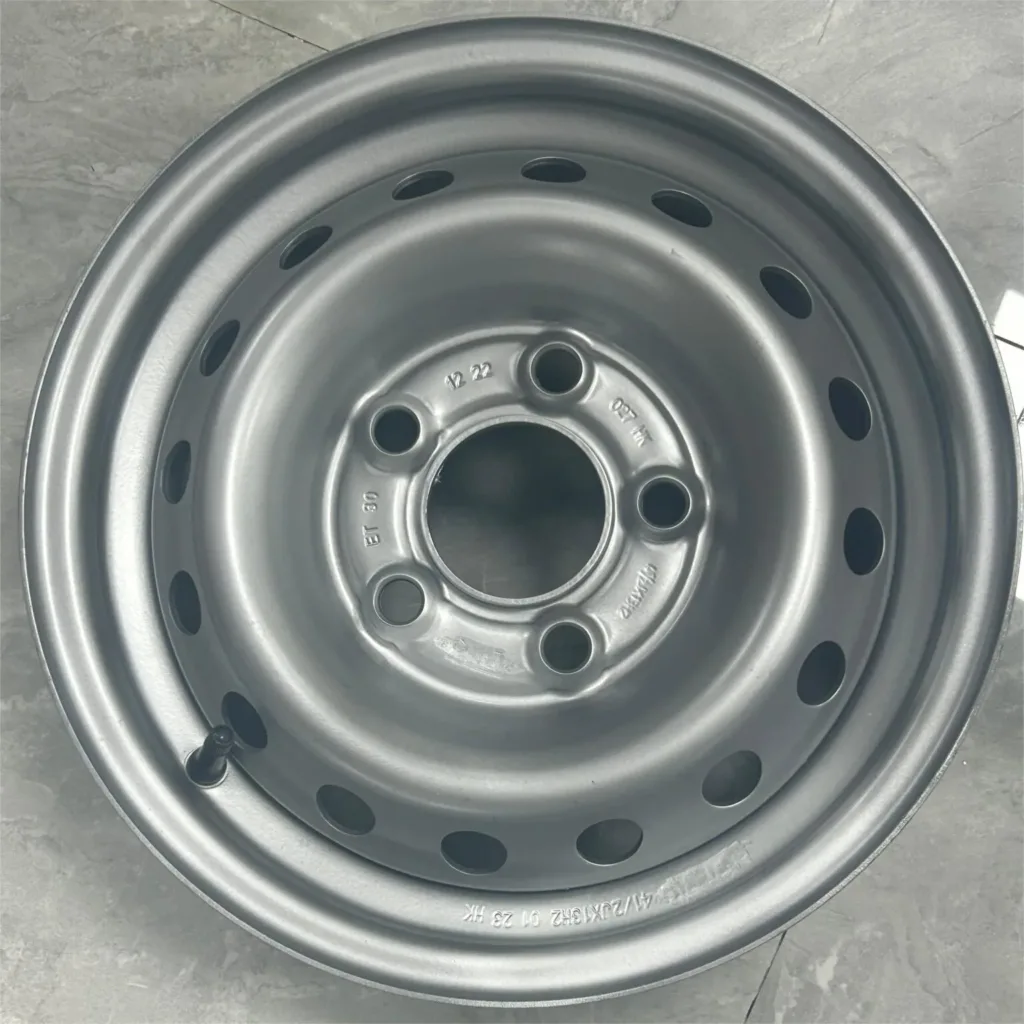
A bolt pattern describes two things: the number of lug holes on a wheel, and the diameter of the imaginary circle those holes form. It is written as [number of lugs] on [diameter in inches] — for example, “5 on 4.5” means 5 lug holes spaced evenly around a 4.5-inch diameter circle.
This measurement determines whether a wheel will mount flush and securely to your trailer hub. A mismatched pattern will not line up with the wheel studs, making the wheel impossible to install safely.
Common 5 Lug Trailer Rim Bolt Patterns
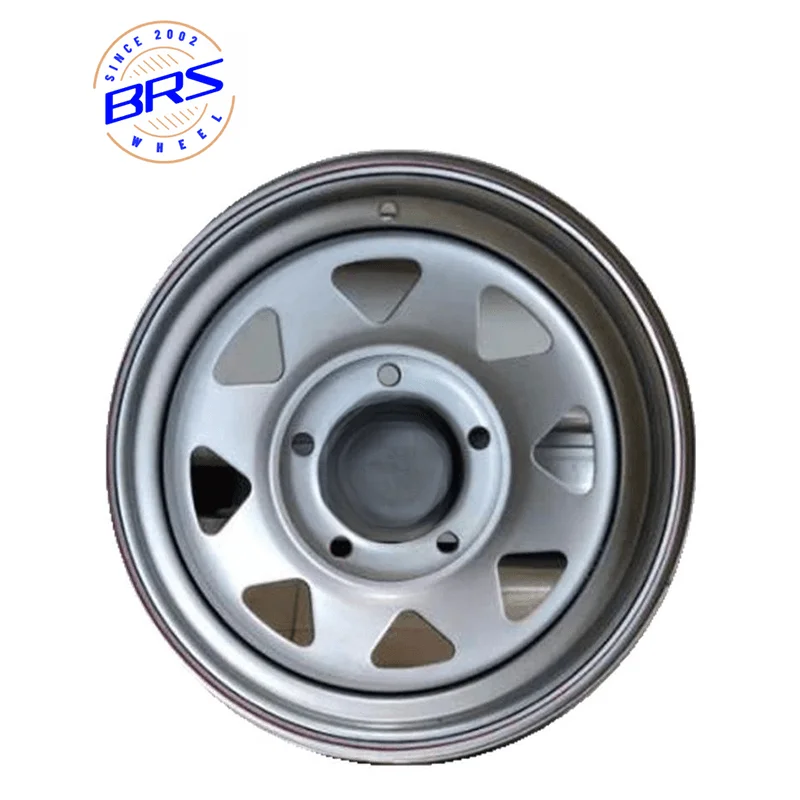
There are four industry-standard 5 lug bolt patterns for trailers, each engineered for a specific load range and trailer type.
| Bolt Pattern | Metric Equivalent | Typical Axle Load Rating | Common Applications |
|---|---|---|---|
| 5 on 4.5″ | 5×114.3mm | 3,500 – 5,200 lbs | Most common: utility trailers, boat trailers, small RVs, enclosed cargo trailers |
| 5 on 4.75″ | 5×120.65mm | 5,000 – 6,000 lbs | Less common: vintage trailers, some specialty cargo haulers |
| 5 on 5″ | 5×127mm | 5,200 – 7,000 lbs | Medium-duty: horse trailers, large cargo trailers, heavy utility haulers |
| 5 on 5.5″ | 5×139.7mm | 6,000 – 8,000 lbs | Heavy-duty: off-road trailers, equipment haulers, large construction trailers |
The 5 on 4.5″ pattern is the most widespread in North America for light and medium-duty trailers, and it shares the same specification used on many passenger cars, SUVs and light trucks.
How to Measure a 5 Lug Trailer Bolt Pattern Correctly
Because 5 is an odd number, there is no lug hole directly opposite any given hole, so you cannot measure center-to-center straight across. Follow this standard, accurate method:
Step-by-Step Measurement
- Pick any lug hole as your starting point, and locate its exact center.
- Skip one lug hole clockwise, so you are referencing the second hole over from your start point.
- Measure from the center of your starting hole to the outer edge of the farthest opposite hole.
- This measurement equals your approximate bolt circle diameter, and will match one of the standard sizes listed above.
- Double-check your measurement to avoid errors.
Tip: For the most precise results, use a digital caliper instead of a standard ruler. Pre-made lug pattern templates and mobile measuring apps are also available for quick, accurate confirmation.
How to Ensure Your 5 Lug Rims Fit Properly
Bolt pattern is the most critical fitment check, but it is not the only one. Always verify these four specifications before purchasing new trailer rims:
1. Hub Center Bore
The center hole of the wheel must fit snugly over the hub pilot. A too-large center bore causes the wheel to sit off-center, leading to vibration at highway speeds and premature bearing wear.
2. Wheel Offset
Offset is the distance between the wheel’s centerline and its mounting surface. Incorrect offset can cause the tire to rub against the trailer fender or frame, or place undue stress on the wheel bearings. Zero offset is standard for most trailer axles, but always confirm your existing wheel’s offset before replacing it.
3. Load Rating
The rim’s maximum load capacity must match or exceed your trailer’s axle weight rating. Using a rim with too low a load rating is a major safety hazard, even if the bolt pattern fits perfectly.
4. Brake Clearance
Ensure the inner diameter and backspacing of the wheel clear your trailer’s brake drums or calipers. Larger brake assemblies require wheels with enough internal space to fit without rubbing.
Conclusion
All 5 lug trailer rims do not use the same bolt pattern — there are four distinct standard sizes, each built for different load capacities and trailer types. Always measure your existing hub bolt pattern carefully before buying replacement or upgrade rims, and verify center bore, offset, and load rating for a safe, proper fit.
Reputable wheel manufacturers like BRS offer steel trailer wheels in all common 5 lug bolt patterns, with certified load ratings to match different trailer applications.
FAQ
What does “5 on 4.5” mean for trailer rims?
“5 on 4.5” means the wheel has 5 lug holes arranged evenly around a 4.5-inch diameter circle. It is the most common 5 lug bolt pattern for light and medium-duty utility, boat, and cargo trailers in North America.
Will any 5 lug trailer wheel fit any 5 lug hub?
No. The bolt pattern diameter must match exactly. A 5 on 4.5″ wheel will not fit a 5 on 5″ hub, and forcing installation will cause unsafe wheel wobble and potential failure.
How do you measure a 5 lug trailer bolt pattern?
Measure from the center of one lug hole to the outer edge of the farthest opposite lug hole, skipping one hole in between. This measurement equals the bolt circle diameter.
What is the most common 5 lug trailer bolt pattern?
5 on 4.5″ (5×114.3mm) is the most widely used 5 lug pattern for small and medium-duty utility, boat, and cargo trailers in North America.
Why is matching the bolt pattern important for trailer safety?
A mismatched bolt pattern prevents the wheel from seating flush and tightening evenly on the hub. This causes wheel wobble, uneven tire wear, stud breakage, and can lead to the wheel separating from the trailer while towing.