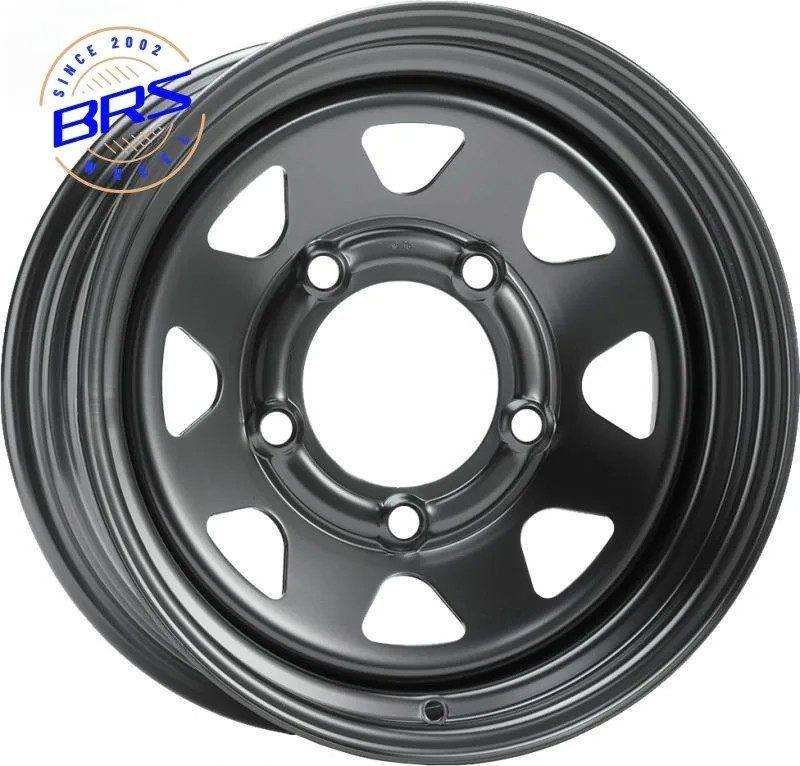


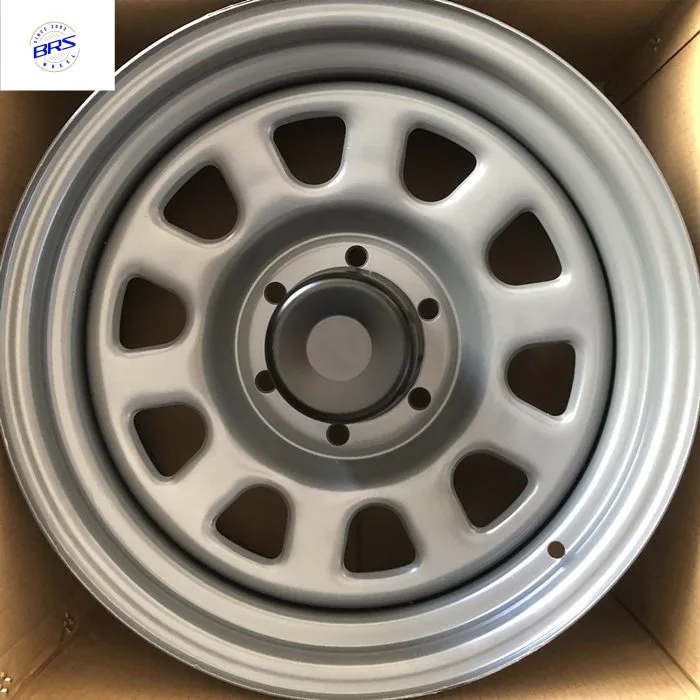
A standard 16-inch steel rim for a passenger car typically weighs 8–9 kg (17.6–19.8 lbs). The actual weight varies depending on rim width, construction, and application, with wide off-road, heavy-duty trailer, and some OEM steel rims weighing around 10–14 kg (22–31 lbs).
Rim weight can affect handling, fuel economy, suspension load, and ride quality. This guide explains typical 16-inch steel rim weights, the factors that affect them, and how steel compares with alloy rims.
Key Takeaways
- A 16-inch steel rim typically weighs 8–14 kg (17.6–31 lbs), depending on width, construction, material thickness, and application.
- OEM, off-road, trailer, and heavy-duty rims generally weigh more than standard aftermarket steel rims.
- Steel rims offer greater durability and repairability, while alloy rims provide lower weight and more performance-focused handling.
- Rim weight affects handling, ride quality, fuel economy, and suspension load, especially as unsprung mass.
- Always check the exact rim weight and specifications rather than relying on a general 16-inch weight estimate.
16-Inch Steel Rim Weight: Full Breakdown
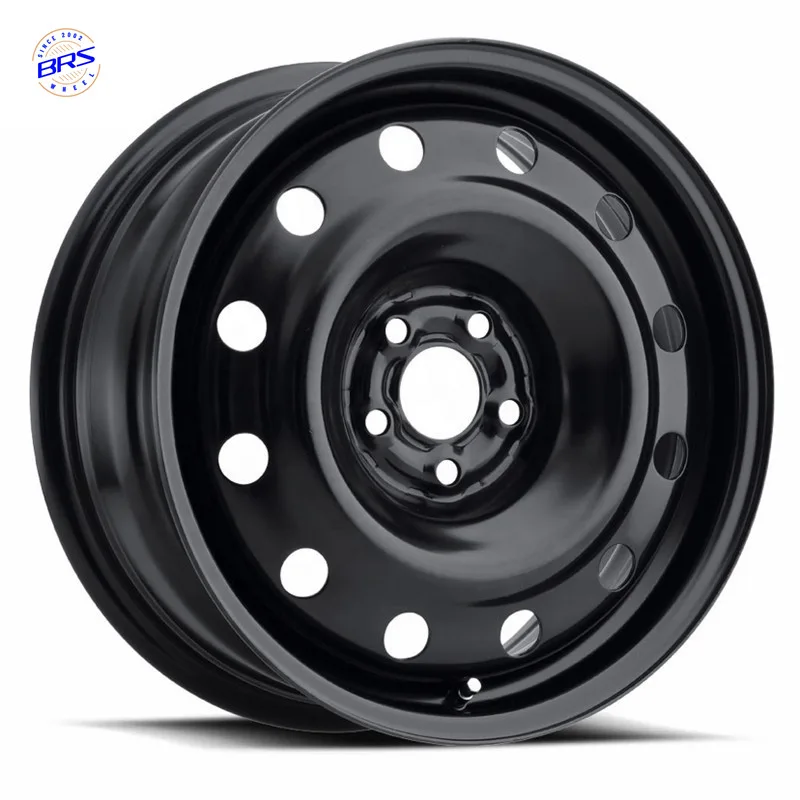
The 8–9 kg figure is the industry baseline for a standard 16×6.5 or 16×7 inch steel rim used on typical passenger cars, SUVs and light trucks. This is the most common size for daily drivers and winter tire packages.
Weight shifts significantly based on how the wheel is built and what it is designed for:
- Aftermarket standard steel rims are usually the lightest, at 8–9 kg, optimized for weight and cost.
- OEM factory steel rims often weigh 10–12 kg , as they are built to stricter load and durability specifications with thicker material and extra structural reinforcement.
- Off-road / beadlock 16-inch rims weigh 10–12 kg for light duty, and up to 14 kg for heavy-duty beadlock designs, due to thicker steel, reinforced lips and extra hardware.
- Trailer and commercial steel rims are the heaviest, at 12–14 kg, built for sustained load capacity.
This range explains why you will see different numbers quoted across sources — there is no single universal weight for a “16-inch steel rim.” The width, construction and use case all change the number.
What Affects Steel Rim Weight?
Four key factors determine the final weight of a 16-inch steel rim:
- Rim width: Every 1-inch increase in rim width adds roughly 0.8–1.2 kg of weight. A 16×8 inch rim will be noticeably heavier than a 16×6 inch rim.
- Material grade and thickness: Higher-strength steels (like N330 / N400 grade steel used by manufacturers such as BRS) allow thinner walls while maintaining load capacity, reducing weight by 10–15% compared to lower-grade steel of the same strength.
- Construction type: Two-piece steel rims (separate rim barrel + disc, welded together) are 10–15% heavier than one-piece designs, but they are stronger, easier to repair and more common for heavy-duty use.
- Design features: Reinforced ribs, extra vent holes, beadlock rings and hub extension structures all add weight. Vent-optimized designs can reduce mass by roughly 8–10% while meeting strength standards.
Steel vs. Alloy Rims: Weight and Performance Comparison
16-inch steel rims are consistently heavier than equivalent aluminum alloy rims — by roughly 30% on average.
| Rim Type | 16-Inch Weight Range | Key Tradeoffs |
|---|---|---|
| Steel | 8 – 14 kg (17.6 – 31 lbs) | Heavier, lower cost, highly impact resistant, easy to repair, excellent for winter / off-road |
| Aluminum Alloy | 6 – 9 kg (13.2 – 19.8 lbs) | Lighter, better acceleration & fuel economy, more cosmetic design options, prone to cracking on impact |
The weight difference comes down to material density. Steel is denser and stronger per unit of thickness, but aluminum is much lighter by volume. For the same load rating, a steel rim will always be heavier.
How Rim Weight Affects Vehicle Performance
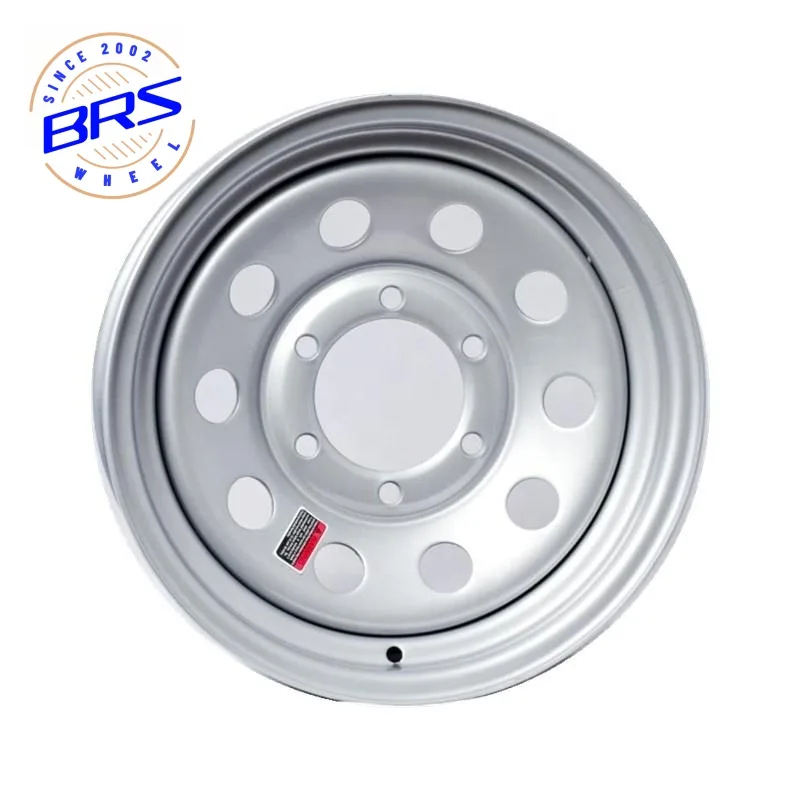
Wheel weight is unsprung mass — weight not supported by the suspension. Unsprung mass has a disproportionate effect on ride and handling, roughly 5–10 times more impactful than the same amount of sprung (body) weight.
Handling and Ride Quality
- Lighter rims deliver faster steering response, sharper turn-in and better suspension compliance over bumps. The suspension can follow the road surface more accurately when there is less weight to control.
- Heavier rims create more steering inertia, making the car feel slower to turn and more sluggish over rough roads. They also transmit more road shock into the cabin.
Fuel Economy
Reducing total rim weight by 8–12 kg across all four rims can improve fuel economy by roughly 1–2%, according to automotive engineering testing. The effect is most noticeable in city driving with frequent acceleration and braking, where the engine is constantly speeding up and slowing down rotating mass.
Component Longevity
Heavier rims put more stress on suspension components — shocks, struts, bushings and rim bearings — over time. Lighter rims reduce fatigue on these parts and can extend suspension service life, especially on rough roads.
Practical takeaway: For daily winter driving and work use, steel rims’ durability and low cost outweigh the weight penalty. For performance-focused street driving, lighter alloy rims will deliver better feel and efficiency.
Conclusion
When shopping for 16-inch steel rims, always ask for the exact weight of the specific model you are buying — not just a general estimate. Two rims of the same size can differ by 2–3 kg depending on width, construction and grade.
For consistent quality and predictable weight, look for manufacturers with formal quality certification (such as IATF 16949) and documented material specifications. Reputable manufacturers like BRS control weight tolerance tightly through automated forming and welding processes, so every rim matches spec.
FAQ
How much does a 16-inch steel rim weigh?
A standard 16-inch passenger car steel rim weighs 8 to 9 kg (17.6 to 19.8 lbs). Wide off-road beadlock rims and heavy-duty trailer rims can weigh 10–14 kg. Some OEM factory steel rims can weigh up to 14 kg due to heavier structural specifications.
Why are steel rims heavier than alloy rims?
Steel is a denser material than aluminum. For the same strength and load rating, a steel rim requires more material mass than an aluminum alloy rim. Steel rims are typically 30% heavier than equivalent alloy rims.
Does rim weight affect fuel economy?
Yes. Heavier rims increase rotational mass, making the engine work harder to accelerate and decelerate. Reducing rim weight across four rims by 10 kg can improve fuel economy by roughly 1–2%, most noticeably in stop-and-go city driving.
Are steel rims good for winter driving?
Yes. Steel rims are highly resistant to damage from potholes, road salt and ice melters. They are also cheaper to replace or repair if damaged. Most drivers choose steel rims for dedicated winter tire packages for this reason.
What vehicles use 16-inch steel rims?
16-inch steel rims are used on a huge range of vehicles: compact to midsize passenger cars, small SUVs, crossovers, light trucks, work vans, trailers and many off-road ATV and utility vehicles.