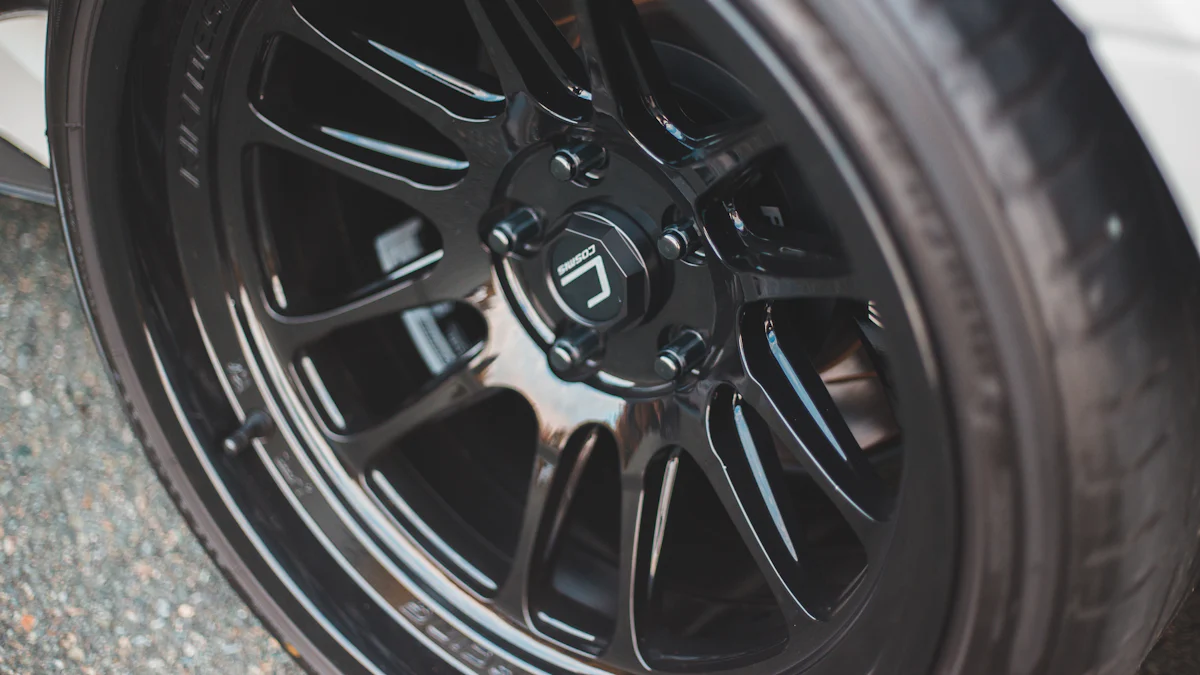
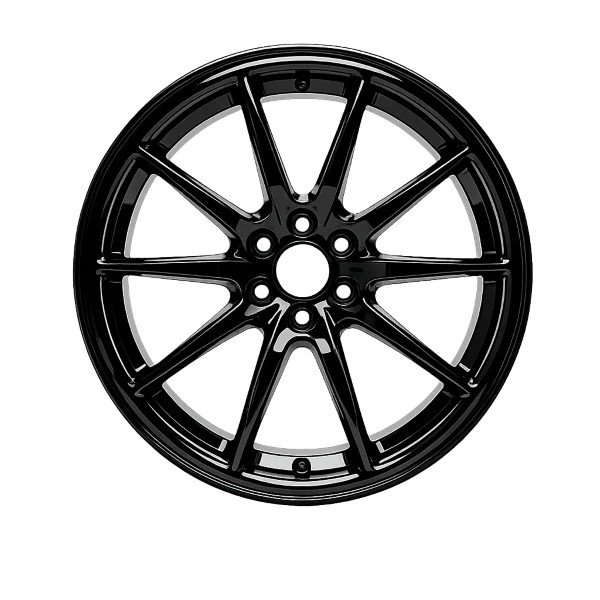

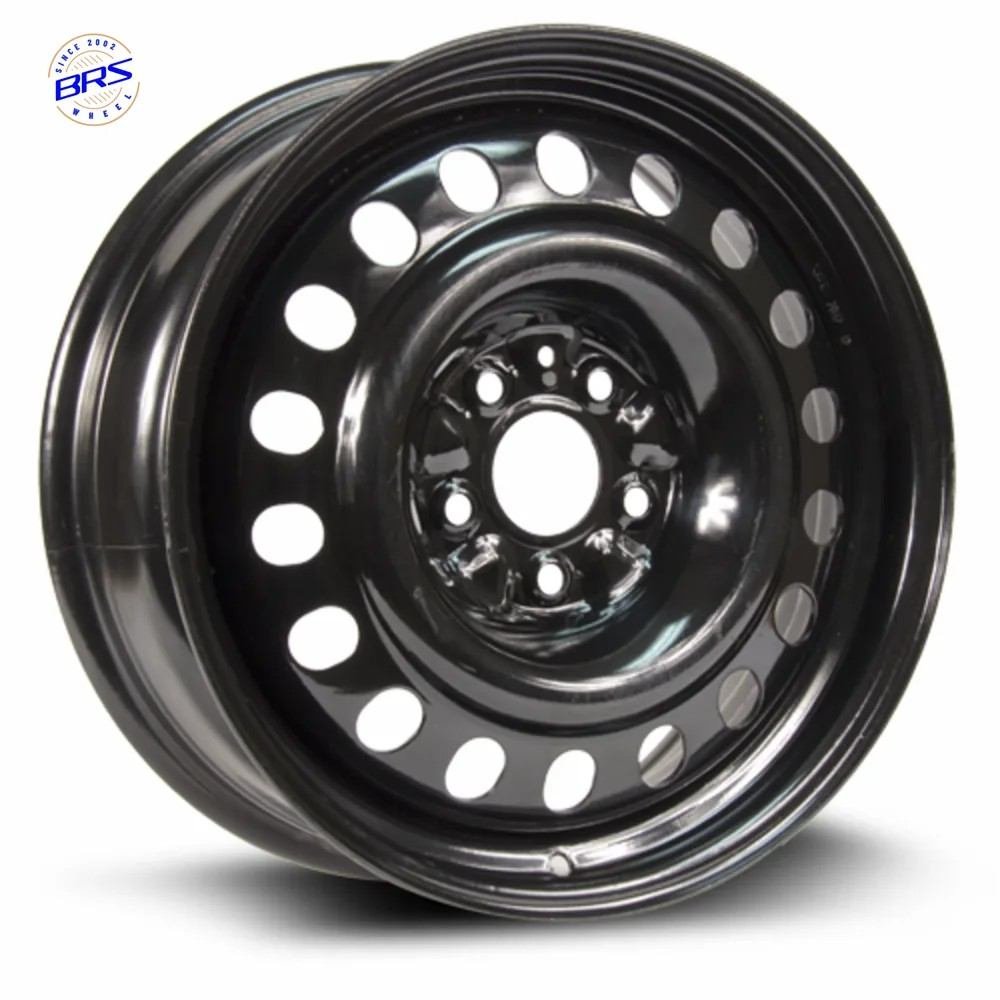
Steel wheels are far more durable and impact-resistant than most drivers assume. Their strength comes from fundamental material properties — not weight or price tag. High tensile strength, ductility, and robust construction let steel rims absorb hard impacts and carry heavy loads without cracking. Unlike brittle alloy wheels that shatter on impact, steel rims bend first, giving clear warning before failure — and they can usually be repaired.
This predictable, damage-tolerant performance is why commercial fleets, work trucks, and off-road machines rely on steel wheels as standard equipment.
Key Takeaways
- Steel wheels bend rather than shatter on hard impacts, absorbing crash energy and avoiding sudden catastrophic failure.
- High tensile strength and fatigue resistance let steel rims handle repeated road shocks and heavy loads reliably for years.
- Strength is not tied to weight or price: steel outperforms alloy wheels in rough conditions on ductility and impact tolerance.
- Protective coatings and regular recoating prevent rust and extend service life, lowering long-term operating costs.
- Bent steel rims can usually be straightened by repair shops, unlike cracked alloy wheels that require full replacement.
What Makes Steel Wheels Strong?
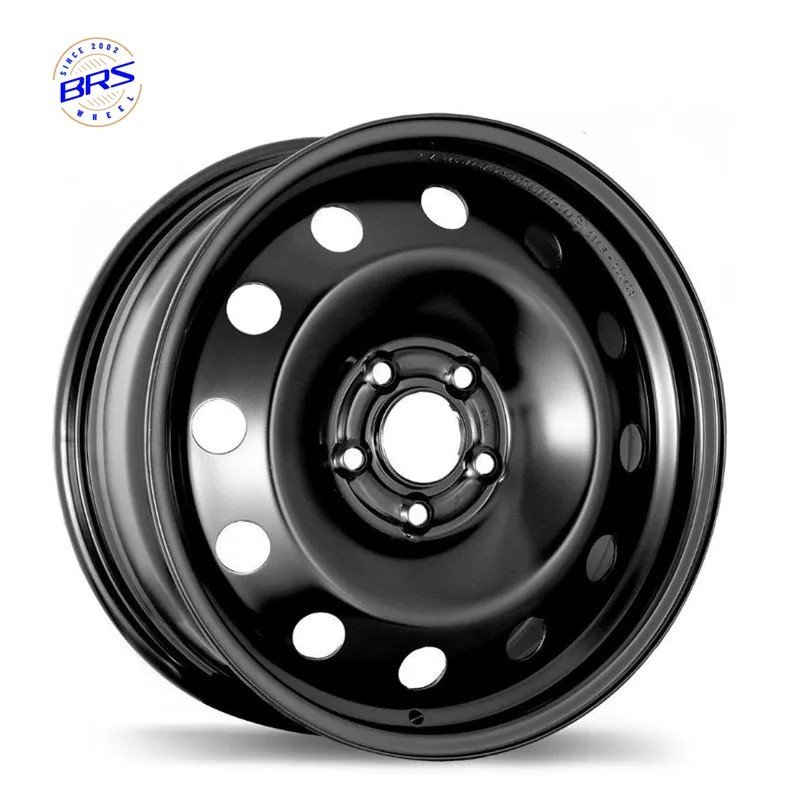
Steel’s toughness comes down to three core mechanical properties that define how the material reacts to impact and load:
- Yield strength: The stress threshold where permanent bending begins. High enough to resist early denting, but balanced to avoid brittle cracking.
- Tensile limit: The maximum stress steel can withstand before fracture. A high tensile limit handles hard impact shocks without sudden failure.
- Ductility: The ability to stretch and deform before breaking. This property spreads impact energy and stops cracks from initiating.
When a wheel hits a pothole, load follows a clear sequence: first elastic deformation (the wheel springs back), then yielding (permanent bend), then plastic hardening up to the tensile limit, and finally failure. The plastic bending phase absorbs most impact energy and prevents cracks from forming — the core reason steel rims survive hits that would shatter stiffer, more brittle materials.
This ductile failure mode is a defining advantage: steel gives visible warning signs (dents, bending) before failure, rather than snapping without notice.
Steel vs. Alloy Wheels: Strength & Durability Comparison
Alloy wheels are lighter and more stylish, but material science tells a different story when it comes to toughness.
| Factor | Steel Wheels | Alloy Wheels |
|---|---|---|
| Impact response | Bends and absorbs energy; remains functional | Brittle; cracks or shatters on hard hits |
| Failure behavior | Predictable, with visible warning signs | Sudden, catastrophic failure with little warning |
| Repairability | Bent rims can usually be straightened | Cracked rims almost always require full replacement |
| Fatigue resistance | Excellent; resists crack growth under repeated stress | More prone to crack propagation under repeated impact |
| Long-term fleet cost | Lower; repair instead of replace | Higher; full wheel replacement on damage |
For commercial fleets, work trucks, and off-road equipment, this difference is decisive. Steel rims deliver predictable durability and lower downtime. A bent wheel can be put back into service quickly and cheaply; a cracked alloy wheel is a total loss.
Real-World Performance & Long-Term Durability
Real-world driving subjects wheels to constant stress: potholes, curbs, gravel roads, and heavy cargo loads. Steel handles these conditions reliably.
Impact & Fatigue Resistance
Repeated road shocks cause fatigue damage over time as tiny stresses build into cracks. Steel handles this far better than most alloys:
- Ductility stops cracks from spreading: the metal stretches at the crack tip, absorbing energy and slowing growth.
- High tensile strength handles heavy cargo loads without permanent deformation.
- In dry climates, steel wheels can last 10–20 years; service life is shorter in corrosive coastal environments, but still competitive with properly maintained coatings.
Suppliers like BRS offer steel wheel options for everything from off-road vehicles and trailers to trucks, agricultural equipment, and SUVs, proving how versatile and reliable the material is across use cases.
Rust: A Maintenance Issue, Not a Structural Flaw
Surface rust is the most common criticism of steel wheels, but it is a maintenance problem — not a design flaw. Unprotected steel will corrode when coating chips, but:
- Regular inspection catches chips early, before rust spreads deep into the metal.
- Recoating damaged areas restores full protective barrier.
- Protective powder coatings or galvanization resist road salt and moisture for years.
Aluminum does form a natural oxide layer that resists rust, but damaged coatings on alloy wheels still lead to cosmetic and structural degradation — and unlike steel, structural alloy damage is not repairable.
Common Misconceptions About Steel Wheels
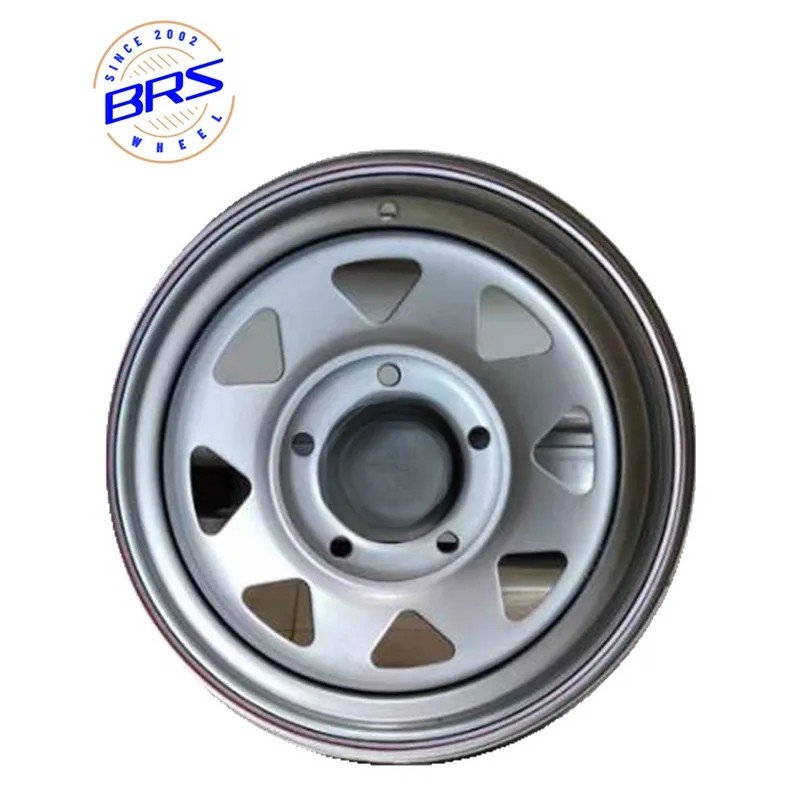
Myth: Cheap & Heavy = Weak
Many drivers assume low-priced steel wheels are low quality. In reality, steel wheels cost 30–50% less than comparable alloy wheels, yet deliver higher absolute tensile strength and load capacity.
It is true that aluminum has a better strength-to-weight ratio (roughly 5.7x higher by some estimates). But steel wins on absolute impact resistance and total load capacity. For heavy-duty use cases where durability matters more than weight savings, steel is the stronger choice.
Myth: Rust Ruins Steel Wheels Permanently
Surface rust does not equal structural failure. With routine inspection and touch-up coating, steel wheels maintain their full load-bearing integrity for years. Rust is a manageable maintenance cost, not a fatal design flaw.
FAQ
Why does a steel wheel bend instead of shattering?
Steel has high ductility: it deforms and stretches before reaching its breaking point. A hard impact bends the rim rather than cracking it, absorbing impact energy and keeping the wheel functional.
Can repair shops fix a bent steel wheel?
Yes. Most bent steel rims can be straightened by a professional repair shop. This repairability makes steel wheels very cost-effective for fleets, cutting downtime and replacement costs.
What causes rust on wheels, and how do you prevent it?
Unprotected steel corrodes when coating chips from road salt and moisture. Prevent it with regular inspection, touch-up recoating of damaged areas, and quality protective finishes. With proper care, steel wheels last for many years.
What makes forged wheels extra tough?
Forged wheels use compressed metal grain structures for improved fatigue resistance under repeated load cycles. Forged aluminum can be very strong for high-stress use, but steel wheels still hold the advantage on ductile failure mode and repairability.