
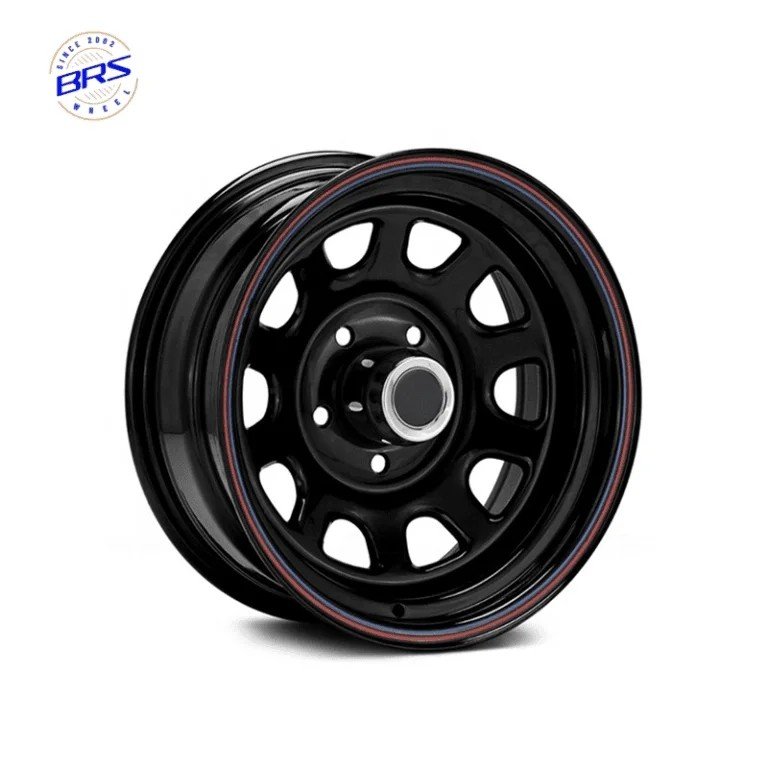
The right size and offset for off-road wheels depends on three core factors: your vehicle’s make and model, suspension lift height, and intended off-road use. For stock-height vehicles, stick close to factory specifications for the safest fit. Lifted trucks have clearance for larger tires and more aggressive offsets, while dedicated rock crawlers prioritize sidewall protection, backspacing and tire clearance above all else.
Key Takeaways
- Match wheel diameter to your tire size: 33-inch tires work with 16–17″ wheels, 35-inch tires with 17–18″ wheels.
- Offset and backspacing determine fitment; measure both to avoid tire rub and steering geometry issues.
- Lift kits add vertical clearance, but always verify tire clearance at full steering lock and full suspension compression.
- Confirm local tire coverage laws and verify wheel load ratings meet or exceed your vehicle’s axle weight.
- Always use a vehicle-specific fitment guide before purchasing to avoid costly fitment mistakes.
How to Choose Off-Road Wheel Size
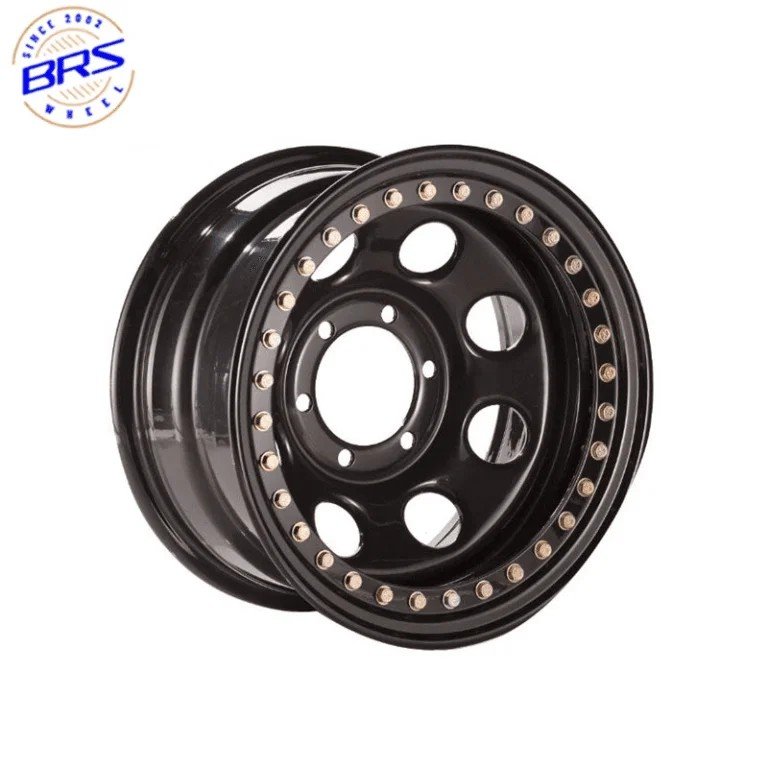
Wheel Diameter
A reliable rule of thumb is to pick a wheel diameter roughly half the height of your tire. This keeps the sidewall tall enough for off-road impact absorption while maintaining on-road stability.
| Tire Size | Recommended Wheel Diameter | Best Use Case |
|---|---|---|
| 33-inch | 16″ or 17″ | General off-road, overlanding, daily-driven 4x4s |
| 35-inch | 17″ or 18″ | Lifted trucks, moderate trail use |
| 37-inch+ | 17″ to 20″ | Heavy off-road, dedicated rock crawlers |
17-inch wheels are the most popular choice for modern 4×4 and overland builds. They clear most factory big brake packages, support the widest range of tire sizes, and balance off-road sidewall height with on-road handling stability.
- Larger diameter wheels: Pair with shorter sidewalls for sharper on-road cornering and more responsive steering.
- Smaller diameter wheels: Allow taller, thicker tire sidewalls that absorb rock impacts and protect rims from damage on rough trails.
Wheel Width
Wheel width must fall within the tire manufacturer’s approved range for your tire size.
- A wheel that is too narrow causes uneven tire wear and weak sidewall support.
- A wheel that is too wide stretches the tire excessively and reduces low-pressure traction.
Wider wheels flatten the tire contact patch and stiffen the sidewall for more predictable handling. Narrower wheels allow more sidewall flex, which improves traction when running low air pressure off-road. Always cross-reference your tire’s spec sheet for the approved width range before ordering wheels.
Note: UTV and side-by-side wheels follow the same sizing rules on a smaller scale. Always verify clearance and approved widths for your specific UTV model, as tight wheel wells leave very little room for error.
Understanding Off-Road Wheels Offset and Backspacing
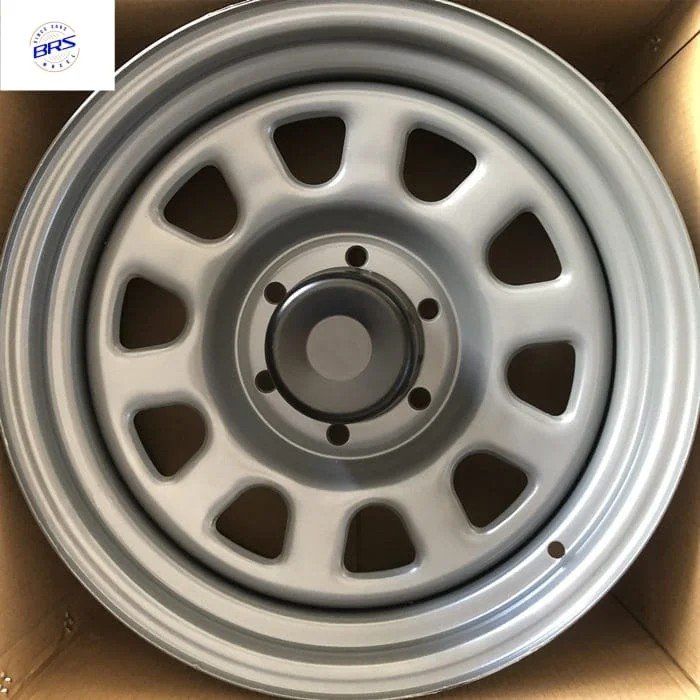
Offset and backspacing are two ways to measure the same wheel geometry, and they are the most common source of fitment confusion for new builders.
Core Definitions
| Measurement | Reference Point | Description |
|---|---|---|
| Offset | Wheel centerline | The distance between the wheel’s centerline and its mounting pad. Positive offset means the pad sits toward the outside of the wheel; negative offset means it sits toward the inside. |
| Backspacing | Inner wheel lip | The distance from the back edge of the wheel lip to the mounting pad. It describes how far the wheel tucks inward toward the suspension. |
You can convert between the two: subtract half the wheel’s total width from the backspacing measurement to get offset. To measure at home, lay the wheel face down, set a straightedge across the inner lip, and measure down to the mounting pad for backspacing.
Positive vs. Negative Offset
- Positive offset: The mounting pad sits outward of the wheel centerline, tucking the wheel inward toward the suspension. This is the factory spec for most modern independent suspension vehicles, and works well for tight wheel wells.
- Negative offset: The mounting pad sits inward of the centerline, pushing the wheel outward away from the vehicle. A slight negative offset widens the vehicle’s track for better stability on side slopes and loose terrain, and adds clearance between the tire and inner suspension components.
Too much negative offset causes predictable problems:
- Tires can contact fenders or body panels at full steering lock
- Extra leverage on wheel bearings and ball joints accelerates wear
- Scrub radius changes can make steering feel vague or twitchy
Stick to a modest offset change for the best balance of stability and reliability.
How Lift Height Affects Wheel Fitment
Stock-Height Vehicles
Factory suspension leaves very little extra clearance. Wheels and tires must stay close to factory dimensions to avoid rubbing at full lock or during suspension compression. Stick near OEM offset and backspacing specs for the safest, most predictable fit.
Lifted Trucks & SUVs
A suspension lift raises the body and adds vertical clearance for taller tires, but it does not automatically allow more aggressive negative offset. The tire still swings inward toward the frame and fender during compression, and can still rub at full steering lock.
Before buying new wheels, always test clearance:
- Turn the wheel fully left and right to check inner fender and frame clearance
- Verify no contact occurs at full suspension compression
- Confirm both body clearance and suspension clearance — fixing one does not guarantee the other.
Wheel Spacers
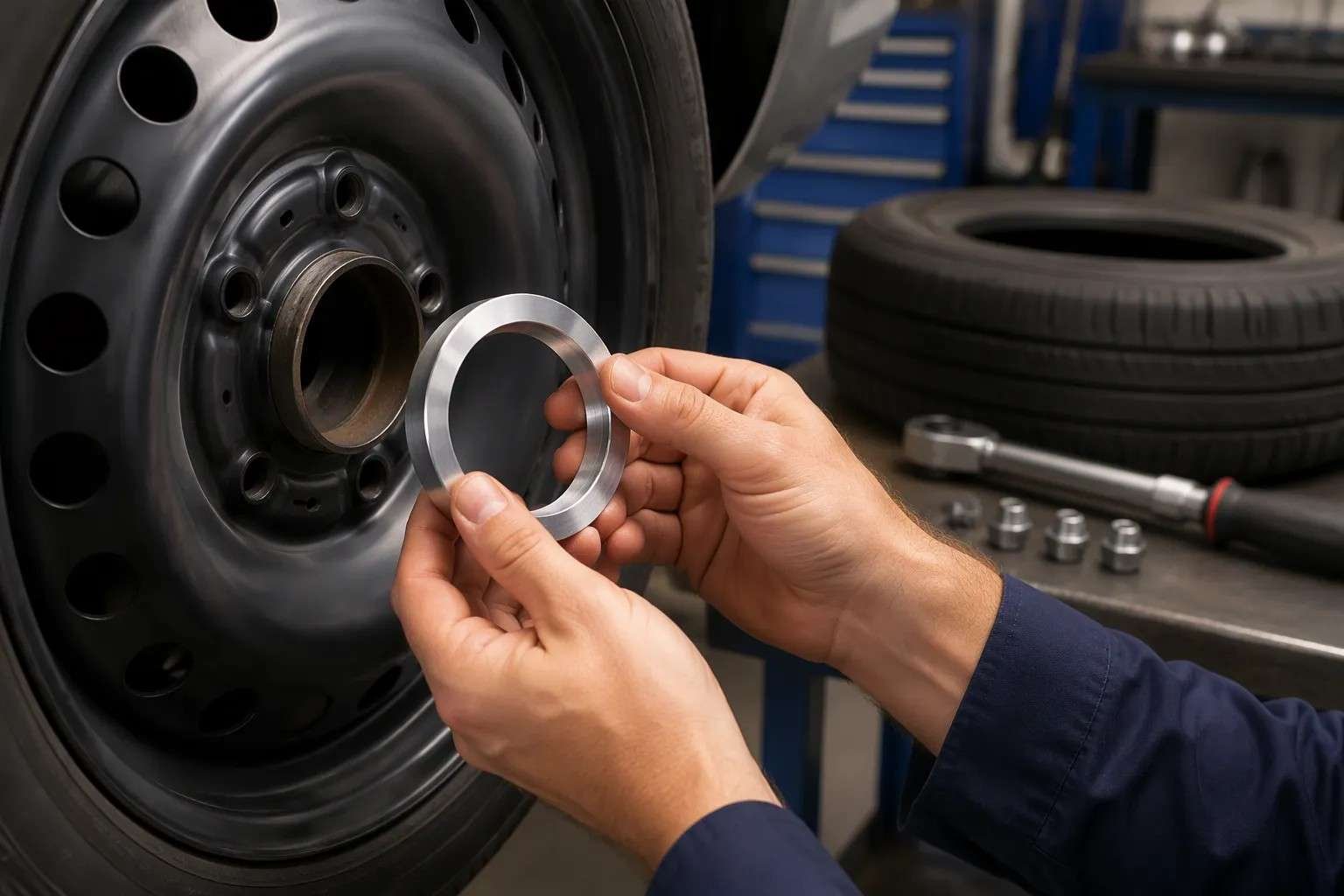
If you need slightly more outward clearance, properly installed, hub-centric wheel spacers are a temporary solution. Always torque them to spec and never stack multiple spacers, as this causes vibration and can lead to stud failure.
Off-Road Wheels Safety, Legal, and Durability Checks
Local Tire Coverage Laws
Most states require fenders or mud flaps to fully cover the tire tread. Pushing wheels outward with negative offset can make tires extend past the body, which may fail inspection or result in a ticket. Check your local regulations before running an aggressive offset, and verify coverage both with wheels straight and at full turn.
Wheel Load Rating
Every wheel has a published load rating, and it must meet or exceed the weight carried by that corner of the vehicle. Add the weight of bumpers, roof tents, gear and passengers when calculating your needs. An overloaded wheel can crack or fail at the bead seat, creating a serious safety hazard.
Material Choice: Steel vs. Alloy
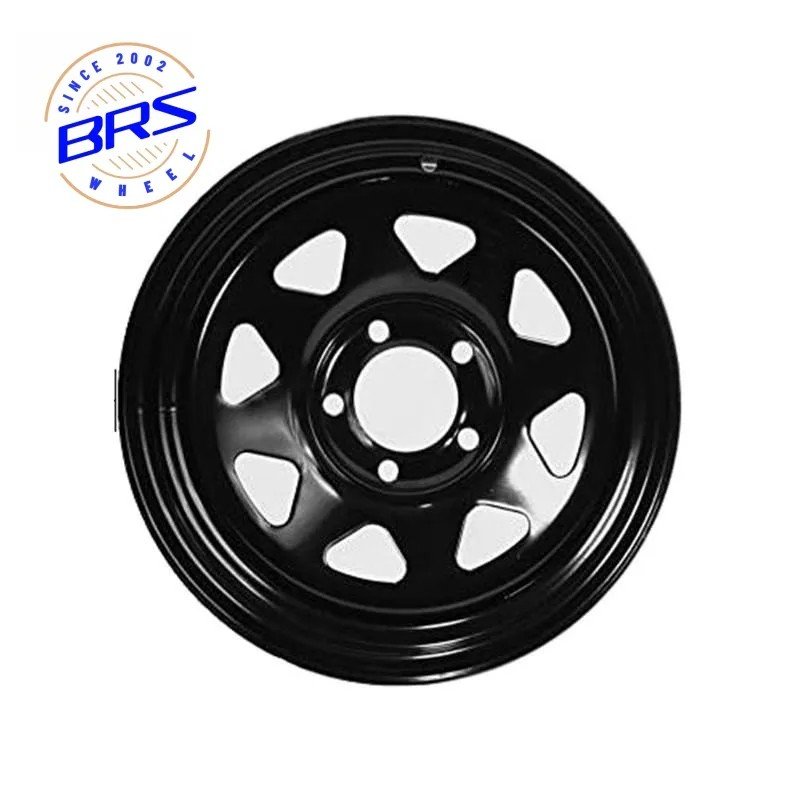
- Steel wheels: More impact-resistant for off-road use. They bend rather than crack on hard impacts, and most bent rims can be straightened and put back into service. This makes them the most durable, cost-effective choice for rough trails and winter use.
- Alloy wheels: Lighter weight, which reduces unsprung mass for better acceleration and steering response. They are ideal for overland builds that split time between pavement and trails.
FAQ
How do I measure offset and backspacing at home?
Lay the wheel face down and measure from the inner lip to the mounting pad to get backspacing. Subtract half the total wheel width from the backspacing measurement to calculate offset. For example, a 7-inch wide wheel with 3.5 inches of backspacing has zero offset.
Is negative offset better for off-roading?
A slight negative offset improves stability by widening the vehicle’s track. Too much negative offset will cause tire rub at full steering lock and accelerate wear on wheel bearings and ball joints. Always pair offset changes with a full clearance check.
Does a lift kit let me run more aggressive offset?
A lift adds vertical clearance for taller tires, but it does not create extra room for wider or more offset wheels. The tire still moves inward during suspension compression, so you must verify clearance at full lock and full compression before changing offset.
Do UTV wheels follow the same offset rules?
Yes, the same geometric rules apply to UTV and side-by-side wheels. UTV wheel wells have very tight clearance, so always check your model’s specific fitment guide instead of using generic off-road charts.
What wheel size works with 33-inch or 35-inch tires?
As a rule of thumb, wheel diameter should be roughly half the tire height. 33-inch tires pair best with 16 or 17-inch wheels, while 35-inch tires work with 17 or 18-inch wheels. 17-inch wheels are the most versatile for mixed on/off-road use.