
There is no universally better choice between 15-inch and 17-inch wheels — the ideal size depends on your driving priorities, including ride comfort, acceleration, tire cost, handling performance, and brake upgrade needs.
15-inch wheels typically use taller tire sidewalls, providing a smoother ride, better impact absorption, quicker acceleration response, and lower tire costs. 17-inch wheels use lower-profile tires that improve steering precision, cornering stability, and brake clearance for larger performance brake kits.
Why Wheel Size Changes Performance
Every change in rim diameter alters two key physical properties that directly shape how a car drives.
Tire Sidewall Height
For a given overall tire diameter, a larger rim means a shorter, stiffer tire sidewall, and a smaller rim means a taller, more flexible sidewall.
- Tall sidewalls bend and flex under cornering forces, which softens steering response but absorbs road bumps.
- Short, low-profile sidewalls resist flex, creating immediate steering feedback and more stable cornering, but transmit more road harshness into the cabin.
Unsprung Weight
Wheels are part of the vehicle’s unsprung mass — weight not supported by the suspension. Heavier wheels also add rotational inertia, which means the engine must work harder to spin them up to speed.
Industry estimates hold that reducing 1 pound of unsprung weight delivers a performance benefit equal to removing 5–10 pounds of body weight. Lighter 15-inch wheels therefore improve acceleration and suspension responsiveness, while heavier 17-inch wheels place more load on the suspension and powertrain.
Advantages of 15-Inch Wheels
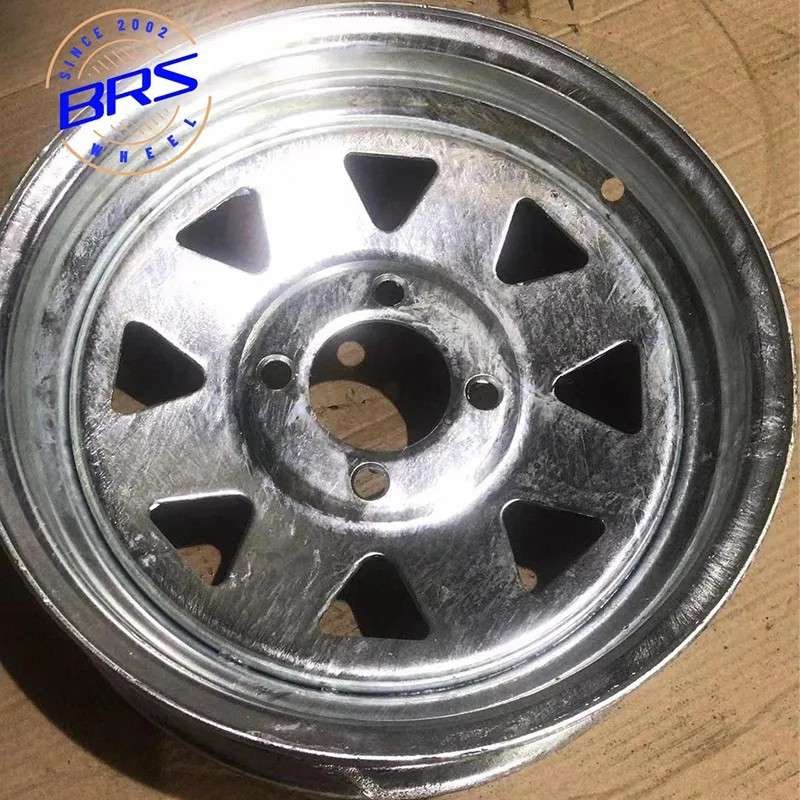
Smaller 15-inch rims excel at daily drivability, value, and ride quality.
Faster Acceleration
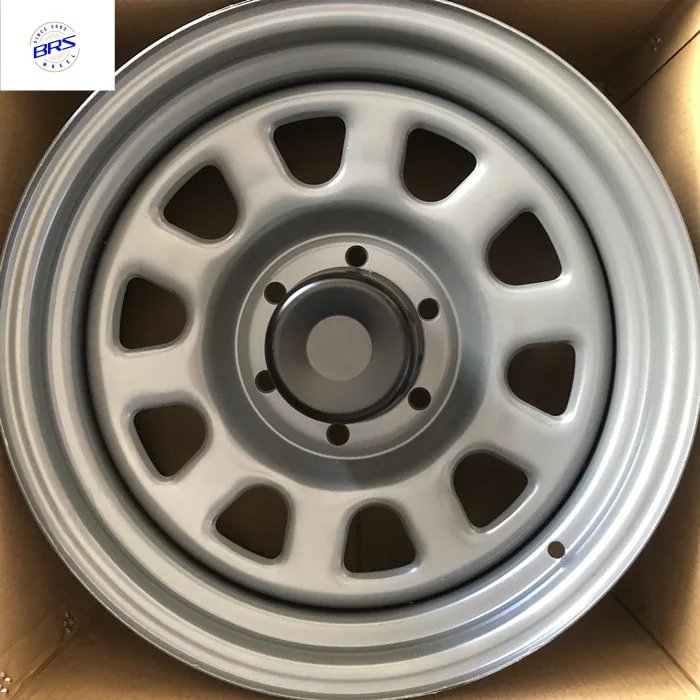
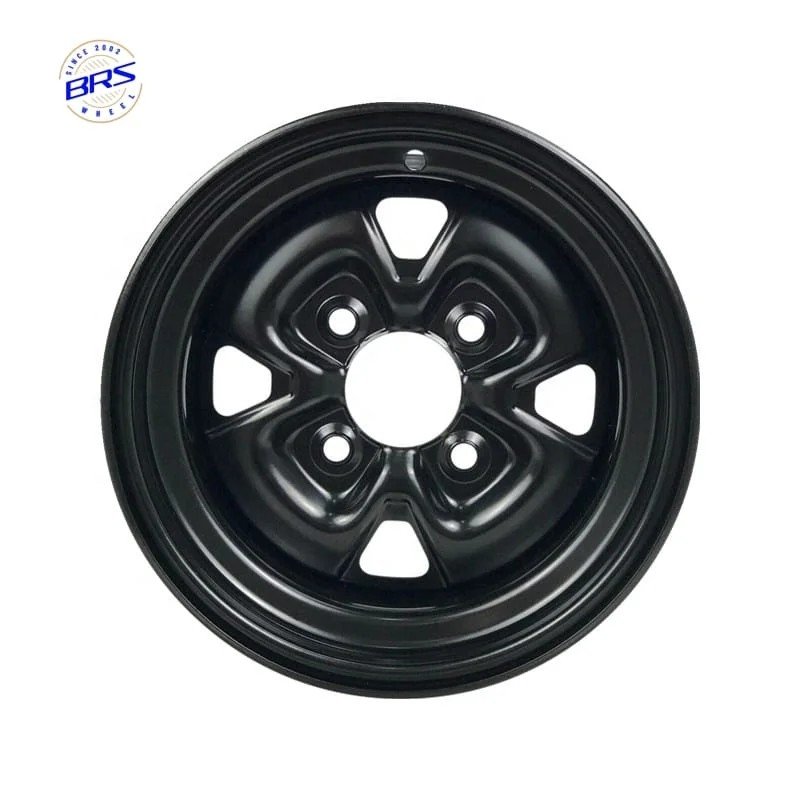
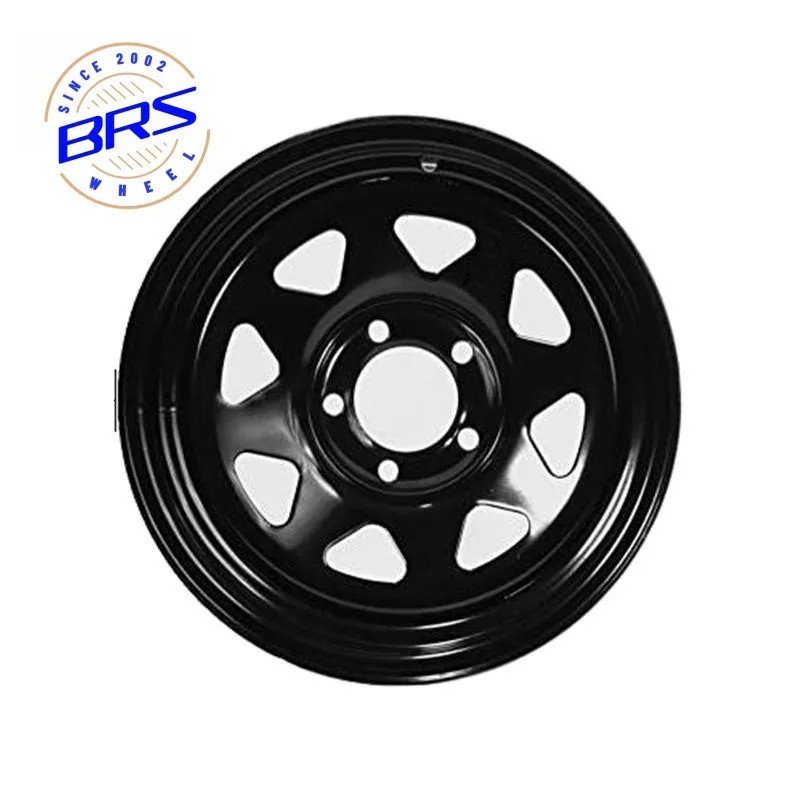
Thanks to lower rotational mass, 15-inch wheels require less engine power to spin up. This translates to snappier throttle response and quicker off-the-line acceleration, especially in smaller, lower-power cars. For many compact vehicles, upgrading to properly sized 15-inch steel wheels is a cost-effective way to improve durability, reliability, and everyday performance without engine modifications.
Smoother, More Comfortable Ride
Taller tire sidewalls act as natural cushions, absorbing potholes, cracked pavement, and rough road surfaces far better than low-profile tires. This makes 15-inch wheels ideal for daily commuters, cars driven on poorly maintained roads, and anyone who prioritizes cabin comfort over sharp handling.
Lower Tire Costs & Wider Selection
15-inch tires are the most common passenger car size globally. They are produced in higher volumes, so they cost significantly less per set than 17-inch equivalents. There is also a far wider range of all-season, winter, and performance tire options available in 15-inch sizes, giving buyers more choices at every price point.
Better Fuel Efficiency
Lighter rotational weight and narrower tire contact patches reduce rolling resistance, which helps 15-inch wheel setups deliver slightly better gas mileage in city and highway driving. For high-mileage drivers, this adds up to noticeable fuel savings over time.
Advantages of 17-Inch Wheels
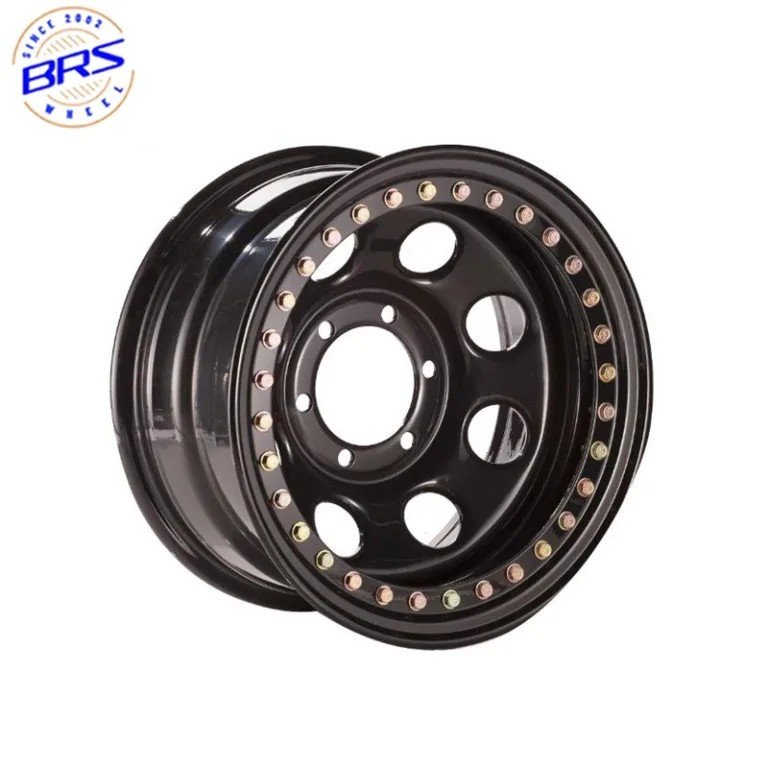
Larger 17-inch rims are built for performance, style, and upgraded braking capability.
Sharper Steering & More Cornering Grip
Shorter, stiffer sidewalls minimize tire flex during hard cornering. This gives the driver more immediate, precise steering feedback and keeps more of the tire tread flat against the road surface for better traction. For spirited driving or winding roads, 17-inch wheels deliver a far more connected, responsive feel.
Improved High-Speed Stability
Low-profile tires have less sidewall deformation at speed, which reduces float and wander on highways. The wider contact patch also improves straight-line stability, making 17-inch setups preferred for performance sedans and vehicles regularly driven at high speeds.
Clearance for Larger Brake Systems
This is the most practical functional benefit of 17-inch wheels: the larger inner diameter creates room for bigger brake calipers and rotors.
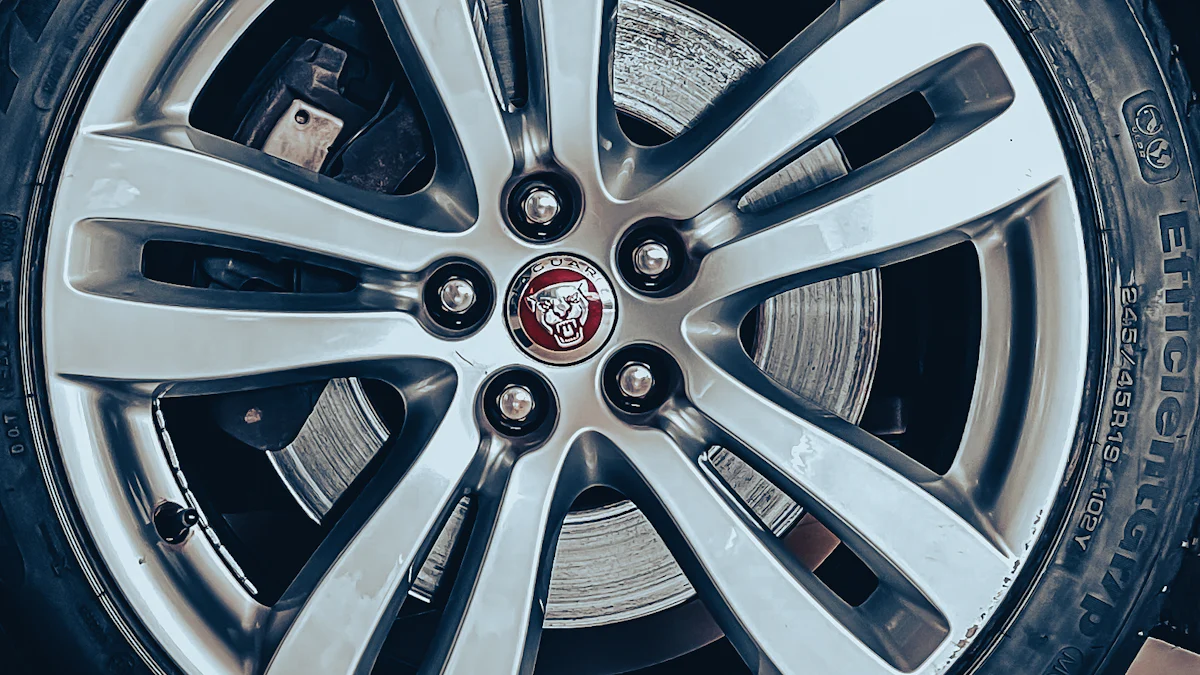
- Most 4-piston and 6-piston big brake kits with 330mm+ rotors require 17-inch or larger wheels to fit inside the rim barrel.
- Extra internal space also improves airflow around brake components, reducing heat buildup during hard braking.
15-Inch vs 17-Inch Wheels: Full Comparison Table
| Category | 15-Inch Wheels | 17-Inch Wheels |
|---|---|---|
| Steering Response | Lighter, more relaxed feel | Sharp, immediate feedback |
| Cornering Grip | Adequate for daily driving | Stronger, more stable at limit |
| Ride Comfort | Excellent; absorbs bumps well | Firmer; transmits more road harshness |
| Acceleration | Faster off-the-line; lower rotational mass | Slower; heavier wheels require more power |
| Fuel Efficiency | Better; lower rolling resistance | Slightly worse; more weight and contact area |
| Tire Cost | Lower; wider budget options | Higher; premium low-profile sizing |
| Brake Upgrade Space | Limited; fits only small factory brakes | Ample; supports most big brake kits |
| Road Feedback | Muted, smooth feel | Direct, detailed road feel |
| Wheel Weight | Lighter | Heavier |
Choosing the Right Wheel Size for Your Driving Needs
Pick 15-inch wheels if:
- You prioritize a smooth, quiet ride over sporty handling
- You drive mostly on rough or poorly maintained roads
- You want the lowest possible tire replacement costs
- You drive a lower-power compact car and want faster acceleration
- Fuel efficiency is a top priority
Pick 17-inch wheels if:
- You want sharper steering and better cornering performance
- You regularly drive at highway speeds or on winding roads
- You plan to upgrade to larger brake calipers and rotors
- You prefer a more connected, responsive driving feel
- You value the sportier look of larger wheels
FAQ
How does wheel size affect ride comfort?
Larger wheels reduce ride comfort because they require shorter, stiffer tire sidewalls that absorb fewer bumps. 15-inch wheels with taller tires deliver a noticeably smoother, softer ride over cracked pavement and potholes compared to 17-inch low-profile setups.
Why do performance cars use 17-inch wheels?
Performance vehicles use 17-inch wheels for two main reasons: stiffer low-profile tires reduce sidewall flex for sharper cornering and steering response, and the larger inner diameter provides space for bigger, more effective brake systems.
Do smaller 15-inch wheels improve gas mileage?
Yes, all else being equal, 15-inch wheels deliver slightly better fuel efficiency. Their lower rotational mass requires less engine power to accelerate, and narrower tires typically have lower rolling resistance.
Can I fit bigger brakes under 15-inch wheels?
Most upgraded multi-piston brake calipers and large-diameter rotors will not fit under 15-inch wheels. Almost all big brake kits require 17-inch or larger rims for proper caliper clearance.
Will switching from 15-inch to 17-inch wheels change my speedometer?
It will if the overall tire diameter changes. To keep speedometer accuracy, select a 17-inch tire size with a total diameter as close as possible to your original 15-inch setup. A difference of ±3% is generally considered acceptable for street use.
Final Thoughts
15-inch and 17-inch wheels each have clear strengths: 15-inch rims win for comfort, value, acceleration, and daily drivability, while 17-inch rims deliver better handling, high-speed stability, and brake upgrade potential.
There is no universally “better” option. The best size is the one that matches your driving style, road conditions, and performance priorities.