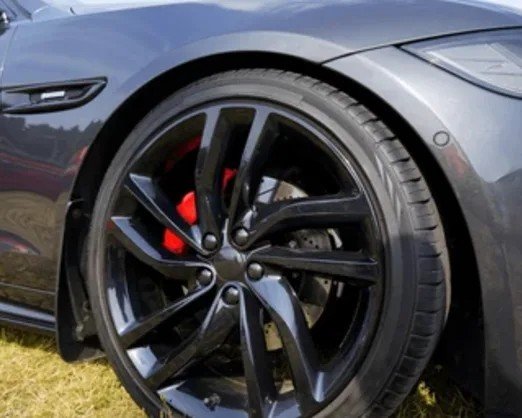
Custom rims are one of the most impactful upgrades for a vehicle’s style and performance, but pricing varies widely based on material, build process, size, and customization level. Entry-level sets start as low as $200, while premium forged custom wheels can exceed $8,000 for a full set. Understanding what drives pricing helps you match your budget to your performance and style goals.
Key Takeaways
- Custom rim prices range from $200 for an entry-level steel set to over $8,000 for premium forged wheels, depending on material, size, and customization level.
- Steel rims are the most affordable option, while forged aluminum wheels deliver the highest performance and carry the highest price tag.
- Expect to pay an extra $80 to $180 for professional installation and tire balancing, which should always be included in your total budget.
- Surface finishes, custom spoke designs, and multi-piece construction all add to the final cost; simpler designs keep pricing lower.
- Comparing materials and customization levels helps you find options that match both your style preferences and budget.
Average Custom Rim Cost in 2026
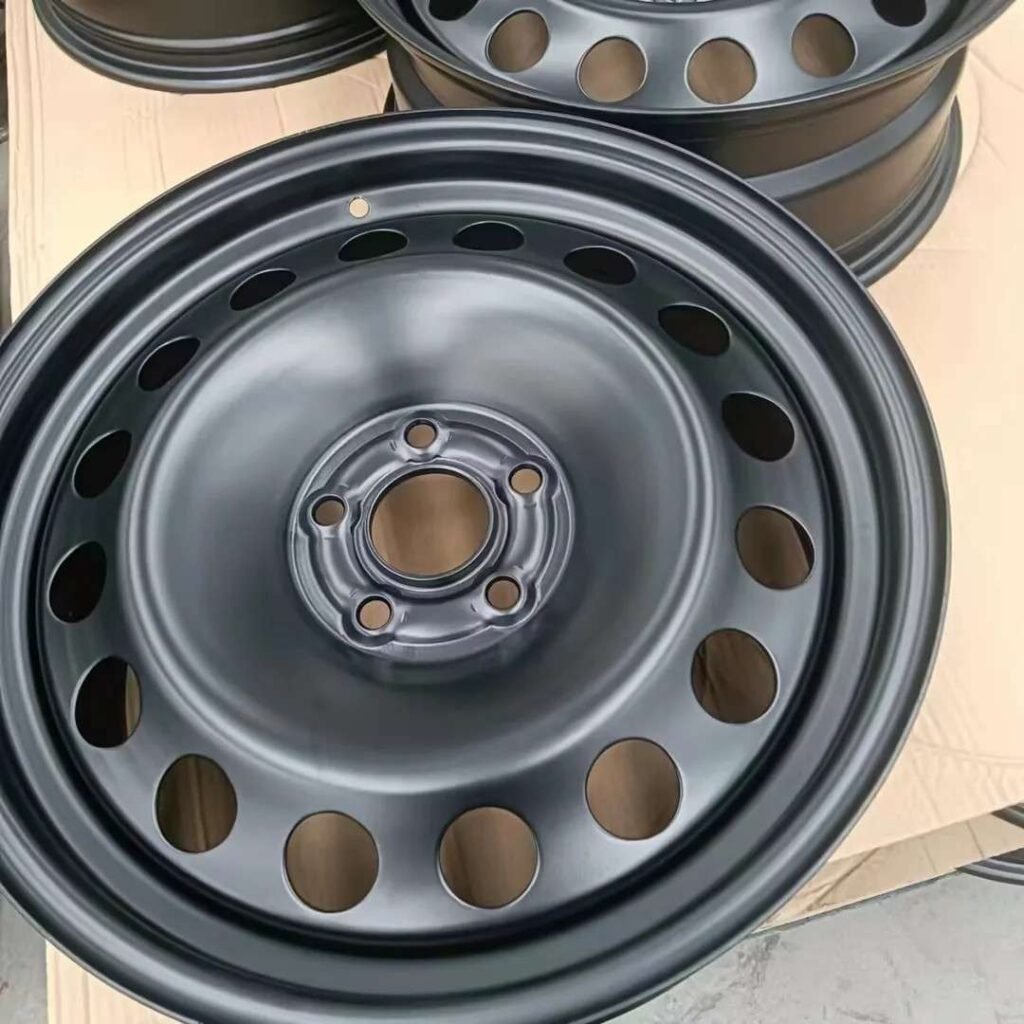
Custom wheel pricing is primarily driven by base material and manufacturing process. Below is a breakdown of the most common rim types, with prices listed both per wheel and for a standard 4-wheel set.
Price by Material & Construction
| Rim Type | Price Per Wheel | Price for 4-Wheel Set | Core Characteristics |
|---|---|---|---|
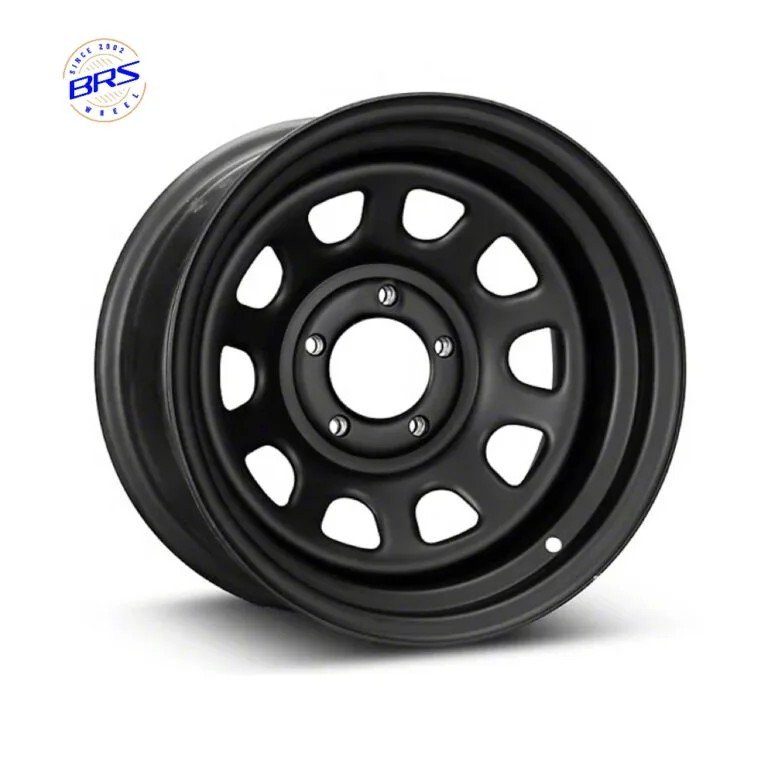
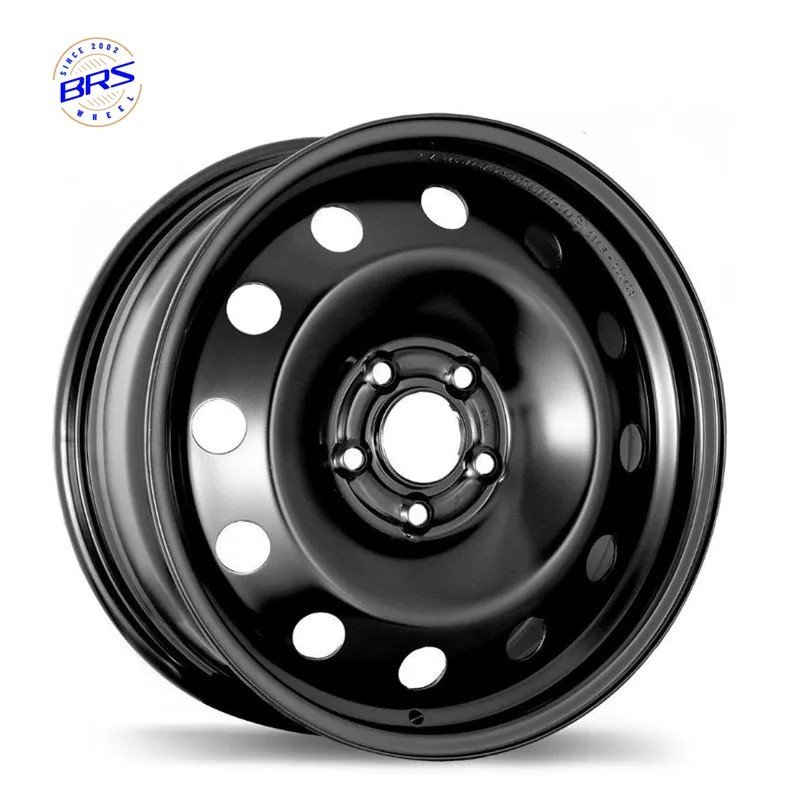
| Steel | $100 – $420 | $220 – $850 | Highly durable, impact-resistant, simple customization; ideal for work trucks and daily drivers |
| Cast Aluminum Alloy | $160 – $750 | $580 – $2,400 | Lightweight, wide range of style options; the most popular choice for passenger cars and SUVs |
| Flow-Formed (Rotary Forged) | $210 – $950 | $820 – $3,400 | Stronger and lighter than cast alloy; mid-tier performance upgrade |
| Forged Aluminum | $1,100 – $5,200 | $4,200 – $20,000+ | Highest strength-to-weight ratio, fully customizable; premium performance and show builds |
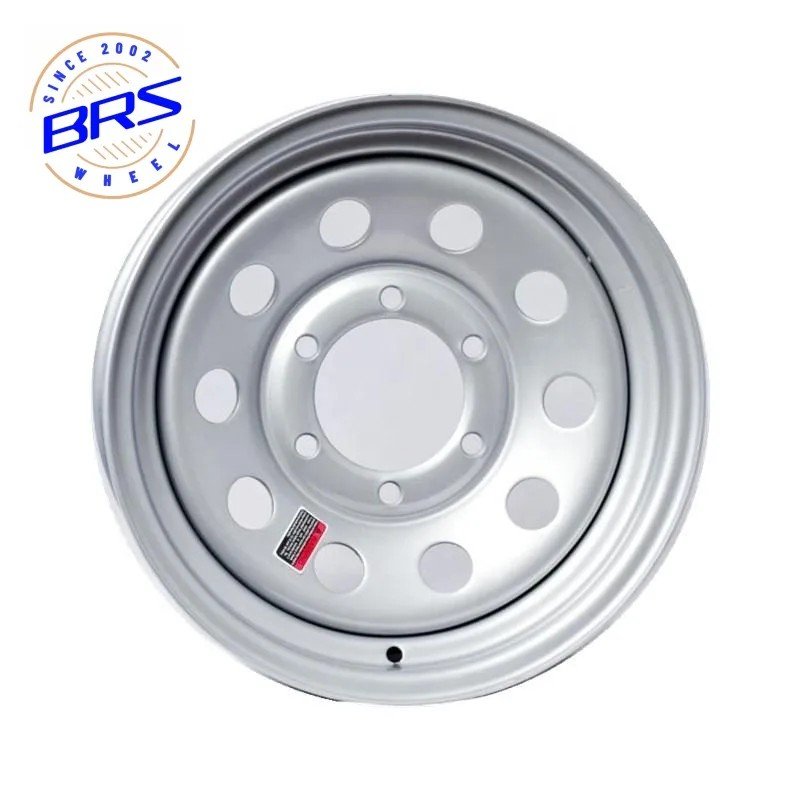
For budget-friendly custom steel wheels, options from manufacturers like BRS offer customizable sizes and powder coat finishes at an accessible price point, making them a popular entry-level choice for trucks, SUVs, and trailers.
Price by Budget Tier
You can also shop for custom rims by general budget category, each aligned with a specific build quality and use case:
- Budget ($220 – $850 per set): Gravity-cast or steel wheels with basic finishes and simple designs. Best for daily drivers and work vehicles where durability matters more than lightweight performance.
- Mid-Range ($850 – $2,400 per set): Flow-formed or high-quality cast alloy wheels with improved strength, lighter weight, and more style options. Ideal for most passenger cars, crossovers, and light trucks.
- Premium ($4,200+ per set): Forged aluminum or multi-piece wheels with fully custom designs, finishes, and fitments. Built for performance vehicles, show cars, and high-end builds.
Key Factors That Affect Custom Rim Pricing
Many variables influence the final cost of a custom wheel set. The biggest drivers are outlined below.
Size and Fitment
Larger diameter and wider rims require more raw material and more precise machining, so they cost more. Custom offset, bolt pattern modifications, and fitments for specialty vehicles (like lifted trucks or performance cars) also add to the price, as they require extra engineering to ensure safe installation.
Manufacturing Process
How the wheel is built is the single biggest driver of cost:
- Gravity casting: Lowest cost; molten metal poured into a mold produces a heavier, basic wheel.
- Flow forming: Additional rotary pressing strengthens the wheel barrel, delivering better strength-to-weight at a moderate price increase.
- Forging: High-pressure compression of a solid aluminum billet creates the strongest, lightest wheels. The complex process and material waste make it the most expensive option.
- Multi-piece construction: 2-piece or 3-piece wheels allow more custom configuration but require precision machining and assembly, raising costs significantly.
Finish & Custom Design
Surface treatments and design customization add cost incrementally:
- Basic painted finishes are the most affordable.
- Powder coating adds durability and color options at a moderate upcharge.
- Premium finishes (chrome, matte, machined two-tone, brushed metal) cost more due to extra processing steps.
- Fully custom spoke patterns, engraved logos, and bespoke color matching add the most to the final price.
Additional Costs Beyond the Wheels Themselves
Many first-time buyers overlook secondary costs that add to the total budget. Always account for these when planning your purchase.
Installation & Tire Balancing
Professional mounting and balancing ensure safe, vibration-free driving. As of 2026, most independent tire shops charge $20 – $40 per tire for mounting and balancing, working out to $80 – $160 total for a full set of 4 wheels. Dealerships and premium service centers typically charge more, ranging from $45 – $75+ per wheel.
Many retailers offer free mounting and balancing with a combined wheel and tire package, which is a simple way to save on installation costs.
Shipping & Maintenance Costs
- Shipping: Most online retailers offer free shipping on orders over $300 within the contiguous U.S. Smaller or specialty orders may incur shipping fees.
- Repair & maintenance: Curbside scratches, bent rims, and cracked wheels require professional repair over time. Minor scratch repair costs $50 – $150 per wheel; rim straightening runs $100 – $160 per wheel.
- Warranty: Longer structural warranties add upfront value by reducing future repair costs. Many premium brands offer lifetime structural coverage, while budget options typically include 1-year warranties.
Financing
Payment plans and 0% APR offers can make custom rims more accessible, but high-interest financing will increase your total cost over time. Always calculate the full repayment amount before choosing a payment plan.
How to Save Money on Custom Rims
- Buy a wheel + tire package: Bundling wheels and tires almost always includes free mounting and balancing, and often comes with a package discount.
- Prioritize needs over extras: Pick a material and build that matches your use case, and skip premium custom finishes if you’re on a tight budget.
- Stick to standard sizes: Custom non-standard sizes and offsets cost significantly more than common fitments.
- Compare brands and retailers: Pricing varies across sellers, and many run seasonal sales on popular wheel styles.
- Confirm fitment first: Ordering the wrong bolt pattern or offset will lead to costly return fees or unsafe installation.
Conclusion
Custom rim pricing spans a huge range, from affordable $200 steel sets to $8,000+ premium forged builds, so there is an option for nearly every budget. The biggest cost drivers are material, manufacturing process, and customization level — and the best choice depends on how you use your vehicle and what you want to achieve.
By accounting for installation and maintenance costs upfront, and prioritizing the features that matter most to you, you can pick a set of custom rims that delivers the style and performance you want without breaking your budget.
FAQ
What makes custom rims more expensive than standard factory wheels?
Custom rims use more specialized manufacturing processes, offer bespoke designs and finishes, and undergo stricter quality control. Custom fitment engineering and premium materials also add to the higher price compared to mass-produced factory wheels.
How long does it take to get custom wheels made?
Most off-the-shelf custom styles ship within a few days. Fully built-to-order custom forged wheels typically take 4 – 8 weeks to manufacture, depending on design complexity and finish options. Custom steel rims generally have a 45 – 60 day lead time.
Can you customize steel rims for different vehicles?
Yes. Steel rims can be customized by size, bolt pattern, and powder coat finish. They are available for cars, trucks, SUVs, trailers, and ATVs, making them a flexible budget-friendly custom option.
Do custom wheels affect vehicle performance?
Yes. Lighter alloy and forged wheels improve handling, acceleration, and fuel efficiency. Larger diameter rims can change ride quality and steering feel. Steel rims are heavier but far more impact-resistant for rough road use.
What extra costs should I budget for with custom rims?
Plan for installation, tire balancing, and shipping costs upfront. Over time, budget for minor repairs and maintenance. Extended warranty plans can help reduce unexpected repair costs down the line.