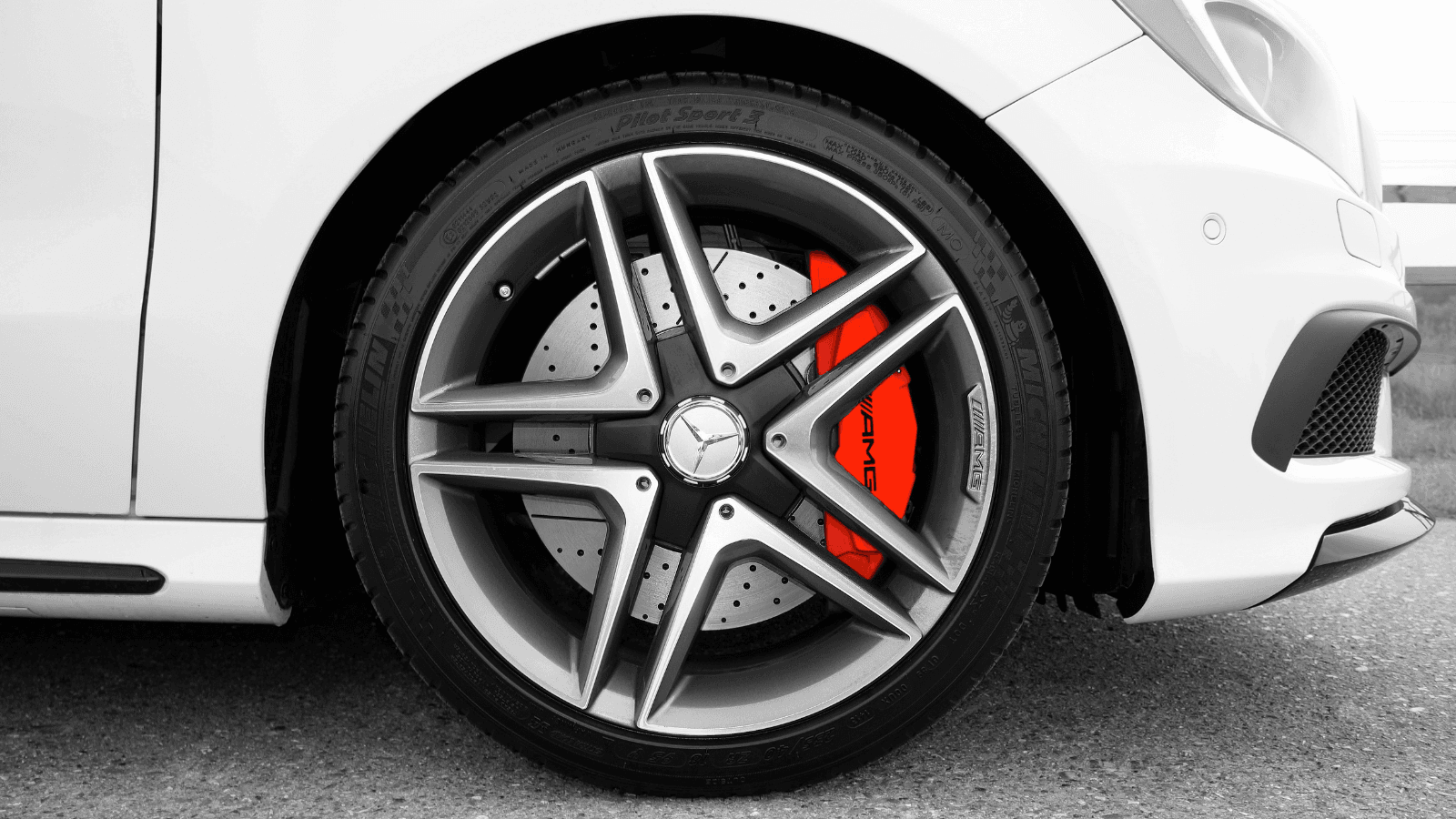
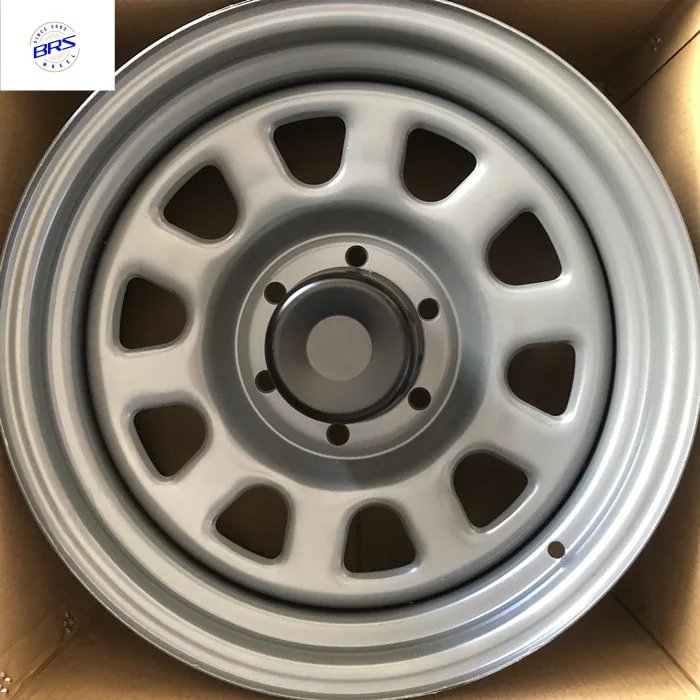
Yes, you can replace just one rim — as long as the new wheel matches the exact specifications of the other three. This ensures safe handling, even tire wear and consistent performance.
Drivers usually need a single rim replacement after hitting a pothole, scraping a curb, or sustaining isolated cosmetic damage. Underinflated tires can also cause rim damage over time. Single-rim replacement is safe only when the other three rims are in good condition. If multiple rims are damaged, bent or worn, a mechanic will likely recommend replacing more than one. Always verify fitment and compatibility before making a purchase.
Key Takeaways
- Single-rim replacement is safe when the new wheel matches the existing set in size, specs and style.
- Minor cosmetic damage (scratches, scuffs, curb rash) qualifies for single replacement; structural cracks or bends require closer inspection.
- Always confirm rim size, width, bolt pattern and offset before buying. Mismatched specs cause unsafe handling and uneven tire wear.
- If multiple rims are damaged or worn, replacing all four delivers better balance, safety and long-term performance.
- Choose between OEM and aftermarket rims carefully. OEM wheels guarantee exact fit; quality aftermarket options offer more style variety when built to proper standards.
When Can You Replace Just One Rim?

Minor Cosmetic Damage Only
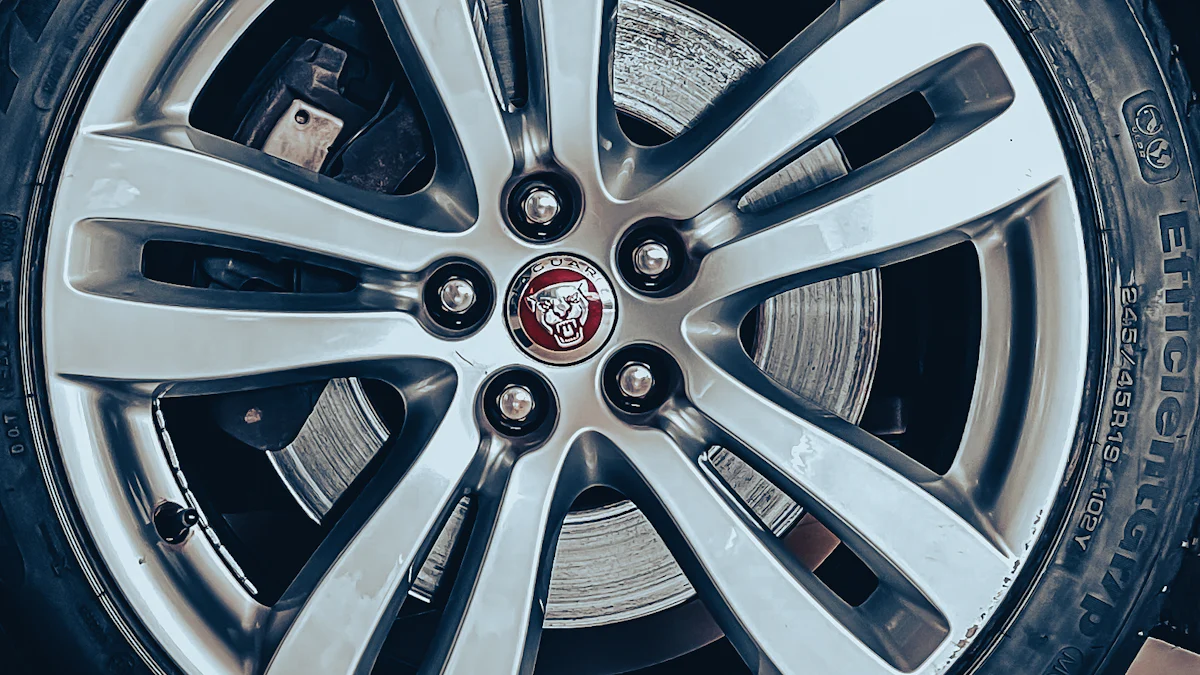
Surface-level marks from parking scrapes, curb contact or road debris are the most common reason for single-rim replacement. This includes scuffs, light scratches, curb rash, paint chips and small dents that affect only appearance, not structural integrity.
As long as the rim has no deep cracks, bends or air leaks, you can safely replace just the damaged wheel with a matching replacement.
Tip: Do not replace only one rim if there is structural damage like deep cracks or bends. These issues pose a safety risk and require full inspection by a professional.
Exact Specification Match
Safety and handling depend entirely on the new rim matching the factory specifications of your existing wheels. The replacement must be compatible with your tire and meet industry standards from organizations like the Tire and Rim Association (TRA). For example, a P205/55R16 tire is approved for rim widths of 5.5″, 6″, 6.5″, 7″ and 7.5″.
Core specs to match:
- Exact diameter and width
- Matching bolt pattern
- Identical offset and center bore size
- Compatible load rating
When all specifications align perfectly, a single replacement rim will not affect handling, tire wear or safety.
Note: Mismatched rims cause uneven tire wear, poor handling and extra stress on suspension components. Always confirm the new wheel is identical to the others before installation.
When Should You Replace More Than One Rim?
Severe Structural Damage
Deep cracks, heavy bends or broken bead seats mean the rim can no longer hold air or support the tire safely. This type of damage usually comes from hard impacts with potholes or curbs at speed.
If only one rim has structural damage and the other three are in perfect condition, you may replace just the broken wheel. If multiple rims show bending, cracking or corrosion, replacing all damaged wheels is the safer choice to avoid vibration, steering pull or tire blowouts.
Tip: Never drive on a cracked or bent rim. It can lead to sudden tire failure and loss of vehicle control.
Multiple Damaged or Worn Rims
Consider replacing more than one rim if you notice:
- Visible cracks, dents or corrosion on multiple wheels
- Steering vibration at speed
- Uneven tire wear across the vehicle
- Frequent flat tires from slow air leaks
Damaged rims throw off wheel balance, accelerate tire wear and can cause alignment issues that strain suspension parts over time. Regular visual inspections help catch damage early.
Performance or Style Upgrades
If you are changing rim size for better handling or appearance, always replace all four wheels at once. Changing size alters ride quality, steering response and tire fitment; mixing old and new sizes creates unsafe handling imbalances.
The table below shows good and bad things about changing rim size:
| Rim Size Change | Pros | Cons |
|---|---|---|
| Larger diameter | Sportier look, sharper steering, better cornering | Firmer ride, more vulnerable to pothole damage, higher tire cost |
| Smaller diameter | Smoother ride, better winter traction, lower cost | Less sharp steering, less aggressive appearance |
Note: Full set replacement ensures uniform look and balanced performance. Mixing old and new rims of different sizes is never recommended.
Key Checks Before Replacing a Single Rim
Before ordering a replacement rim, verify these critical fitment details to avoid safety issues:
| Fitment Factor | Why It Matters |
|---|---|
| Rim diameter & width | Ensures proper tire fit and correct sidewall shape |
| Bolt pattern | Guarantees the wheel mounts securely to the vehicle hub |
| Center bore diameter | Prevents vibration and ensures proper wheel centering |
| Offset | Keeps the tire clear of brake calipers, suspension parts and fenders |
Also confirm the wheel’s load rating matches or exceeds your vehicle’s requirement. A wheel with insufficient load capacity can fail under normal driving weight.
Finally, match the wheel style and finish for a uniform look. Mismatched wheel designs can lower resale value and create an uneven appearance.
Choosing the Right Replacement Rim
OEM vs. Aftermarket Rims
- OEM rims: Made by the vehicle manufacturer, guaranteed to match exact factory specs. They offer perfect fit, proven safety and consistent quality, but are typically more expensive.
- Aftermarket rims: Made by third-party manufacturers, available in a wider range of styles and price points. Always verify that the aftermarket wheel meets all your vehicle’s fitment and load requirements before purchasing.
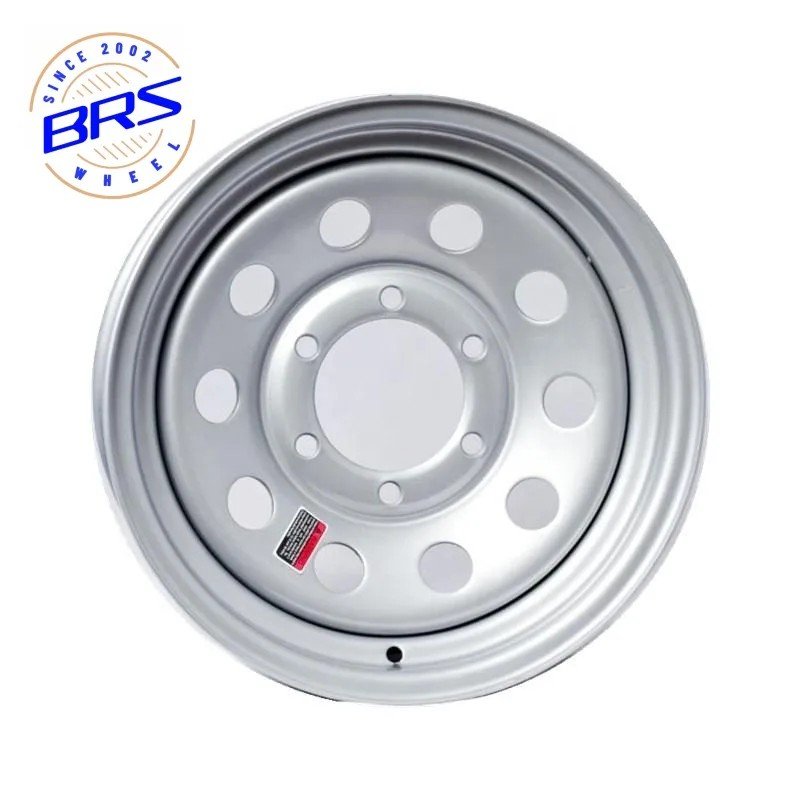
Custom Steel Rims from BRS
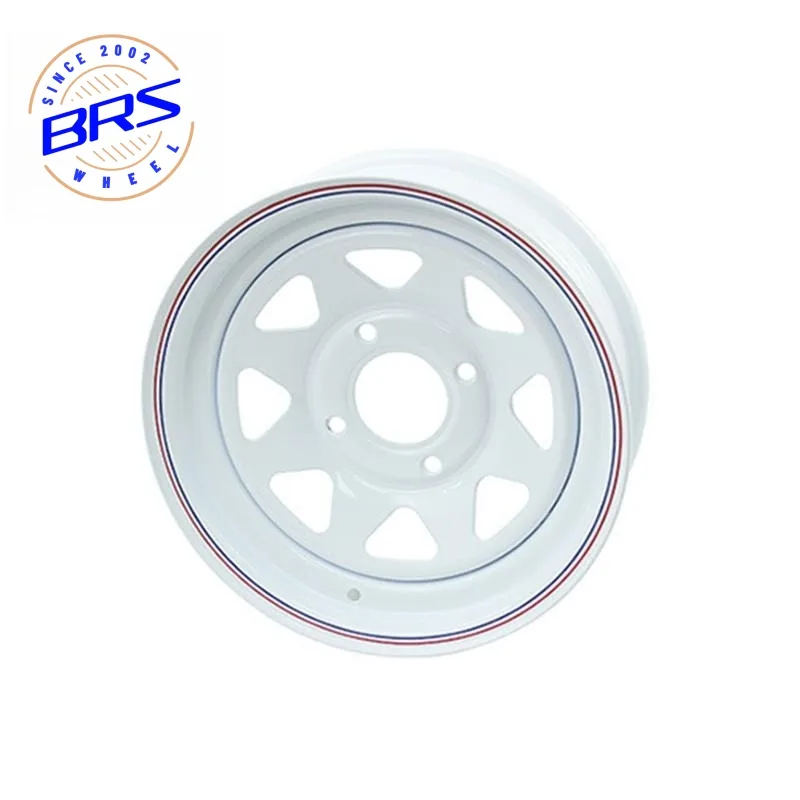
For drivers seeking durable, reliable replacement steel rims, BRS is a trusted custom rim manufacturer specializing in high-quality custom steel rims for passenger vehicles, trailers, and commercial fleets. We offer flexible customization options, including sizes, bolt patterns, offsets, finishes, and load ratings, ensuring every rim meets your vehicle’s performance and safety requirements.
Tip: Always have replacement rims installed and balanced by a professional technician to ensure safe, vibration-free performance.
Conclusion
Single-rim replacement is a safe, cost-effective option when only one wheel has damage and you can find an exact spec match for the other three. Always confirm diameter, width, bolt pattern, offset and load rating before purchasing, and have the wheel professionally installed and balanced.
If multiple rims are damaged, or if you are changing wheel size or style, replacing all four wheels is the better choice for balanced handling and long-term safety. For durable, specification-compliant steel wheel replacements, BRS offers a wide range of options built to meet strict quality and safety standards.
FAQ
Can I drive with one new rim and three old rims?
Yes, as long as the new rim matches the existing set exactly in size, bolt pattern, offset and load rating. Mismatched specifications will negatively affect handling, tire wear and safety.
How do I know if a rim needs to be replaced?
A rim needs replacement if it has structural cracks, deep bends, or cannot hold a consistent air seal. Warning signs include steering vibration, uneven tire wear or visible damage. A professional mechanic can inspect the rim to confirm if replacement is needed.
Do all four rims have to match exactly?
All four rims must match in size, bolt pattern, offset and load rating for safe, balanced performance. Cosmetic differences like color or finish are acceptable, but functional specs must be identical.
Are steel rims better than alloy rims?
Steel rims are more affordable, more durable against impacts and better for heavy loads or rough roads. Alloy rims are lighter, which can improve fuel efficiency and performance. The best choice depends on your vehicle and driving needs.
Why choose BRS Steel Wheels for rim replacement?
BRS Steel Wheels are built with high-strength steel, meet strict safety standards and offer a wide range of size and customization options. They are a trusted choice for reliable, long-lasting steel wheel replacements.