You can judge rim quality by evaluating the material, manufacturing process, structural workmanship, safety certifications, and fitment accuracy. Understanding how professional rim manufacturers produce and test their wheels also helps you identify high-quality products that improve vehicle handling, reduce breakdown risk, and enhance driving safety. Reliable rims combine durable construction with precise engineering, and anyone can learn to assess quality using a few systematic checks.
Key Takeaways
- Start with material and construction type: steel, cast alloy, flow-formed and forged rims each have different strength, weight and durability profiles.
- Inspect surfaces and structure for cracks, dents, porosity and corrosion — these defects compromise structural safety.
- Always verify load rating before purchase; rims must support the vehicle’s gross axle weight to avoid failure.
- Trusted brands with third-party industry certifications and clear manufacturer warranties deliver more consistent quality.
Core Hard Indicators of High-Quality Rims
1. Material Composition
Base material sets the upper limit for strength, weight and durability. Each material has clear tradeoffs for different applications:
| Material | Key Advantages | Key Limitations | Best Use Case |
|---|---|---|---|
| Steel | Exceptional impact resistance, low cost, high load capacity | Heavier than alloy options | Heavy towing, trailers, work trucks, winter use |
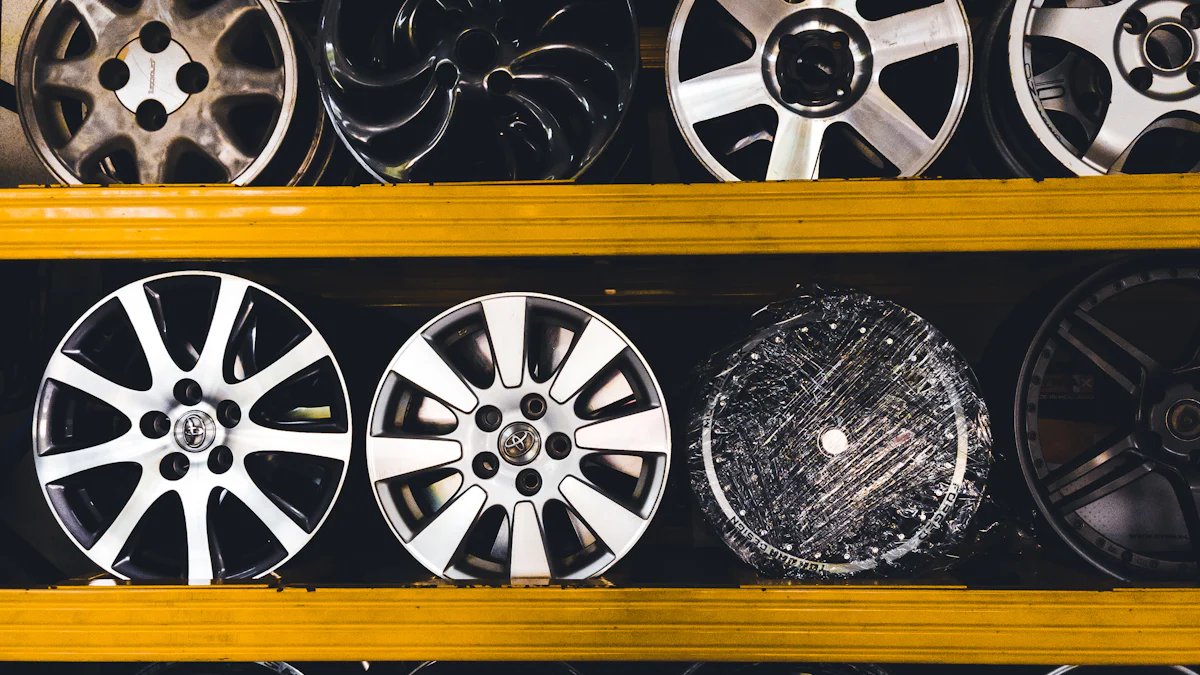
| Cast Alloy (Aluminum) | Good strength-to-weight ratio, wide styling options | Lower impact resistance than steel | Daily passenger cars, standard SUVs |
| Flow-Formed Alloy | Better strength than cast, lighter weight | Higher cost than cast | Performance sedans, enthusiast driving |
| Forged Alloy | Highest strength-to-weight ratio, very durable | Premium pricing | Racing, off-roading, high-performance builds |
| Magnesium | Extremely lightweight | High cost, poor corrosion and impact resistance | Track-only motorsport |
| Carbon Fiber | Ultra-lightweight, high tensile strength | Very expensive, low impact tolerance | Exotic performance and show vehicles |
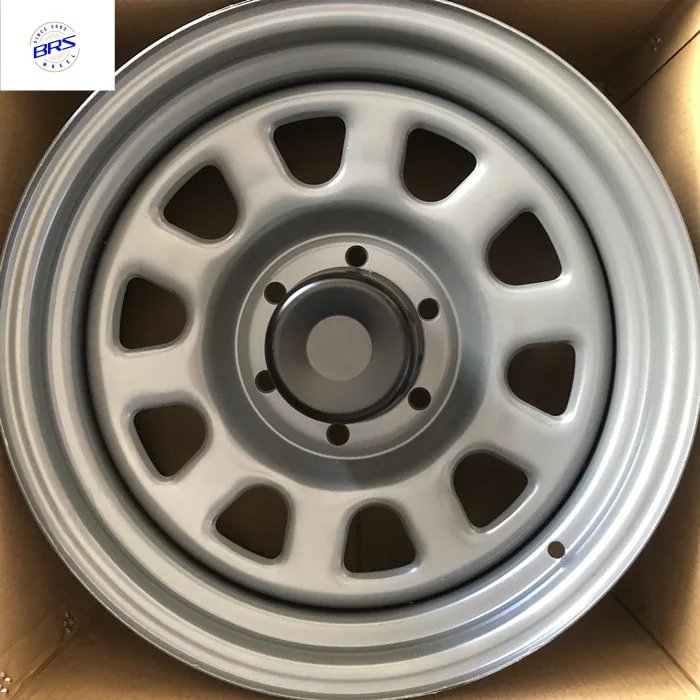
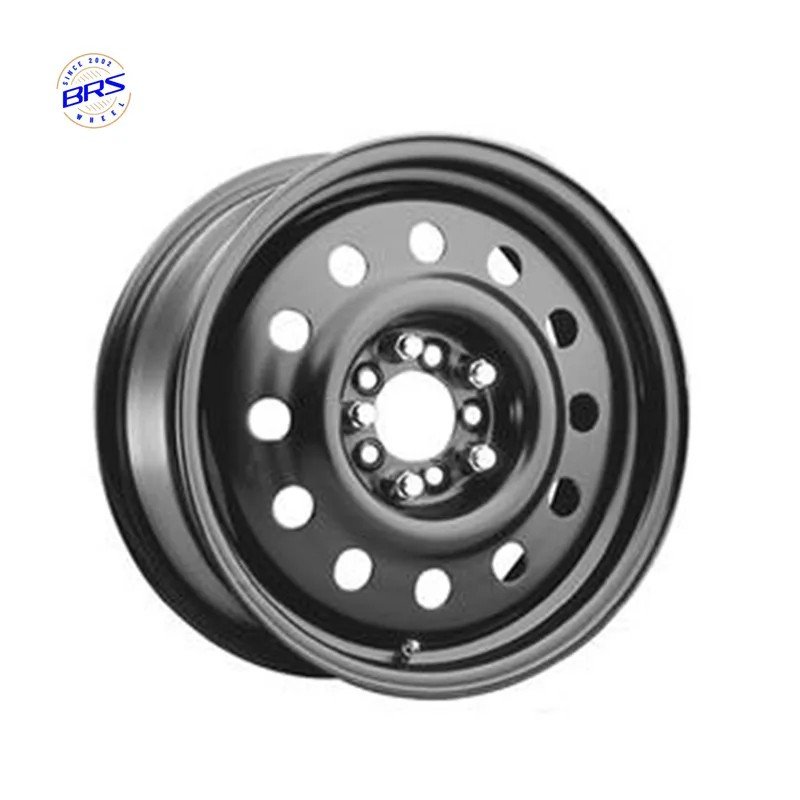
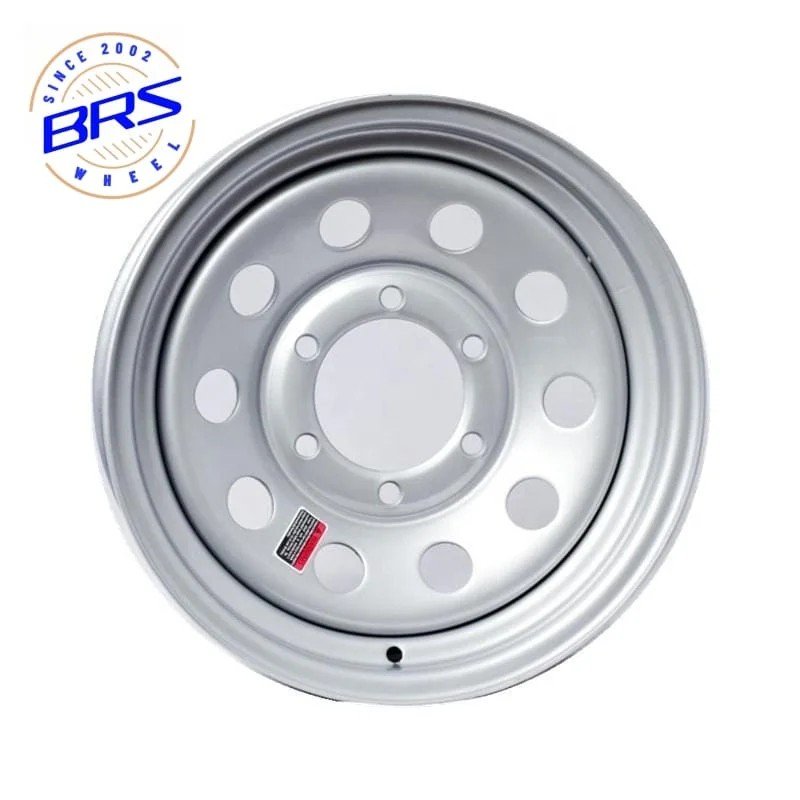
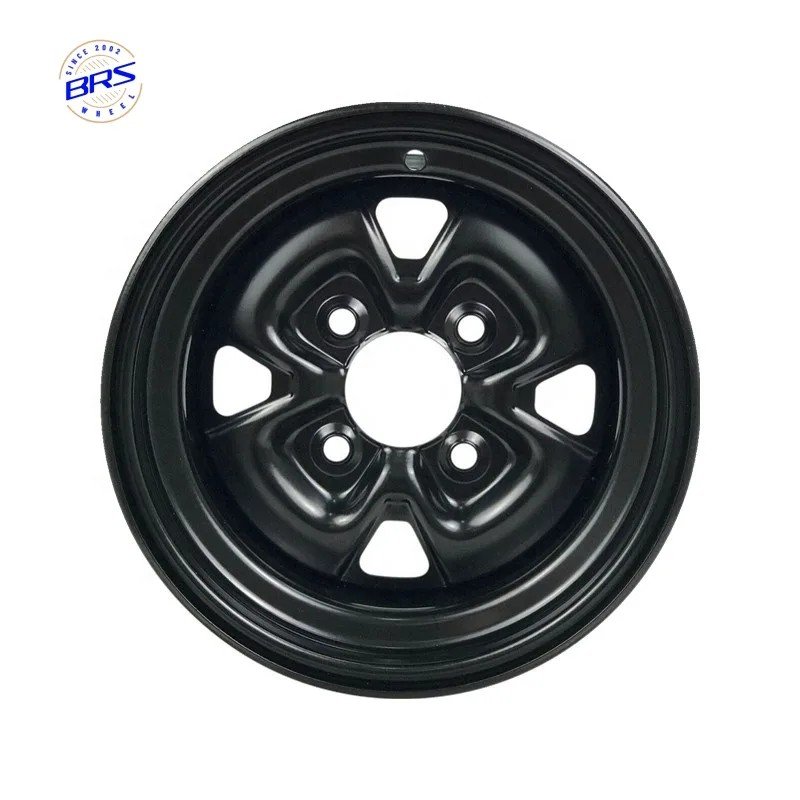
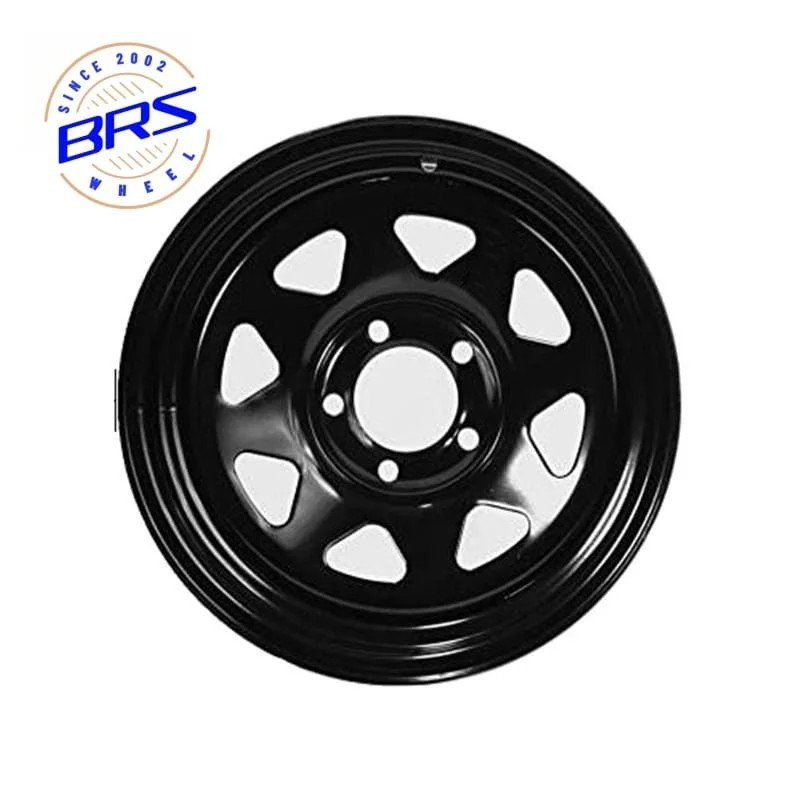
Steel rims like BRS models are valued for their toughness and long service life under heavy loads. OEM factory rims almost universally use aluminum alloy for its balanced performance and cost.
Manufacturing Process
How a rim is built directly determines its strength and consistency. There are three primary production methods:
| Manufacturing Type | Strength Level | Typical Weight | Common Use Cases | Price Tier |
|---|---|---|---|---|
| Cast Alloy | Moderate | 20–30 lbs | Passenger cars, daily SUVs | Entry |
| Flow Formed | Medium–High | 16–22 lbs | Performance driving, light off-road | Mid-range |
| Forged | Highest | 14–18 lbs | Racing, heavy off-road, premium builds | Premium |
Reputable manufacturers use automated production and in-process quality testing to ensure consistency. BRS produces rims with robotic manufacturing lines under IATF 16949 automotive quality management certification — the same standard used for OEM factory wheels.
3. Load Rating & Safety Specifications
Load rating is the most critical safety metric for any rim. Every wheel has a published maximum weight capacity, and exceeding it dramatically increases the risk of catastrophic failure.
- Always match rim load rating to your vehicle’s gross axle weight rating (GAWR).
- For trailer and heavy towing applications, steel rims with higher load ratings are the safest choice.
- Confirm TPMS (Tire Pressure Monitoring System) compatibility before purchasing aftermarket rims. Improper sensor fit disables tire pressure warnings and creates road safety risks.
Hands-On Rim Quality Inspection Steps
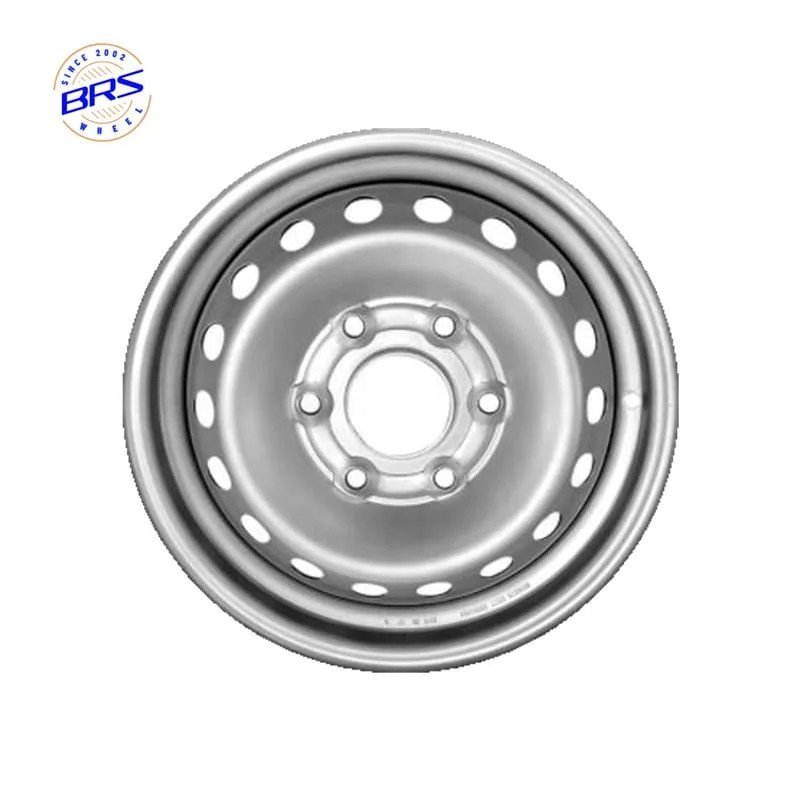
Surface Finish
A clean, consistent finish is a visible sign of good manufacturing control.
- Look for uniform paint/coating color, smooth machined surfaces and no sharp burrs around edges or bolt holes.
- Rough spots, uneven machining or visible porosity signal poor production quality.
- On used wheels, surface scratches are cosmetic, but flaking coating or widespread corrosion indicates underlying degradation.
Structural Defect Check
Structural damage makes rims unsafe to use. Inspect these key areas:
| Inspection Area | Common Defects to Look For |
|---|---|
| Outer rim barrel & lip | Dents, flat spots, curb damage, cracks |
| Center hub & bore | Surface cracks, machining defects, corrosion |
| Inner rim flanges & welds | Uneven weld seams, hidden cracks, deformation |
Run your hand along the inner and outer edges to feel for bends or cracks you cannot see. Any rim with structural cracks, bent lips or deformed bead seats should not be used.
Inspect the Coating and Corrosion Protection
Paint and protective coatings prevent rust and significantly extend rim life. According to the ASTM D7378 standard, which defines the ideal coating thickness for automotive wheels, a hands-on inspection should focus on three critical areas:
- Check Edges (Under-application): Closely inspect edges and recessed areas. If the coating is too thin, it will easily chip from road debris and expose the metal to rust.
- Inspect Joints (Over-application): Examine complex structural joints and crevices. Overly thick paint is highly prone to cracking, peeling, and poor adhesion.
- Feel Surfaces (Uniformity): Run your hands over the wheel. A high-quality coating must be completely uniform, bubble-free, and provide full coverage across both the front face and the inner barrel.
How to Verify Rim Quality via Certifications and Brand Guarantees
Industry Certifications
Third-party certifications validate consistent production quality and safety compliance. The most important automotive standard is IATF 16949, which mandates strict quality control processes throughout manufacturing. BRS holds this certification, meaning its steel rims meet OEM-level production and testing standards.
Brand Reputation
Established, reputable brands consistently deliver higher and more predictable quality than unbranded budget rims.
- Look for brands that clearly publish load ratings, material specs and manufacturing standards.
- Most quality rim brands include a limited warranty covering manufacturing defects. Normal road hazard damage (potholes, curbs) is typically excluded, but separate wheel protection plans may add coverage.
- Always read warranty terms before purchase; a clear, comprehensive warranty signals a manufacturer that stands behind its product.
Conclusion
Judging rim quality comes down to checking material and construction fundamentals, verifying structural integrity and confirming safety ratings match your vehicle. Taking the time to inspect carefully avoids unsafe, low-quality wheels that can fail on the road.
For heavy-duty, trailer, and work vehicle applications, BRS steel rims deliver certified IATF 16949 quality, high load capacity, and proven long-term durability — making them a reliable, cost-effective choice for drivers prioritizing safety, longevity, and the dependable performance demanded by premium custom rims.
FAQ
How can you tell if rims are good quality?
Start by verifying material, construction type and published load rating. Then inspect the surface and structure for uniform finish, no cracks or bends, and consistent coating. Third-party certifications and a solid manufacturer warranty further confirm reliable quality.
What should buyers look for in quality used wheels?
Check carefully for structural cracks, bent rims, corrosion and worn bead seats. Confirm load rating matches the vehicle, and ask the seller for clear photos of all inner and outer surfaces before purchasing.
Are used OEM rims a safe choice?
OEM rims are generally a safe, high-quality option because they are built to IATF 16949 standards and vehicle-specific load requirements. Always inspect thoroughly for hidden damage before use, and confirm they have not been bent or repaired.
Why does brand reputation matter for rim quality?
Brands with strong reputations use consistent production processes, perform regular quality testing and stand behind their products with warranties. Unbranded budget rims often skip testing and have highly variable build quality.
How long do steel wheels last?
Under normal road use with proper maintenance, steel wheels can last 10–15 years. Regular cleaning to remove road salt and corrosion extends service life significantly. Steel rims are far more impact-resistant than most alloy alternatives.