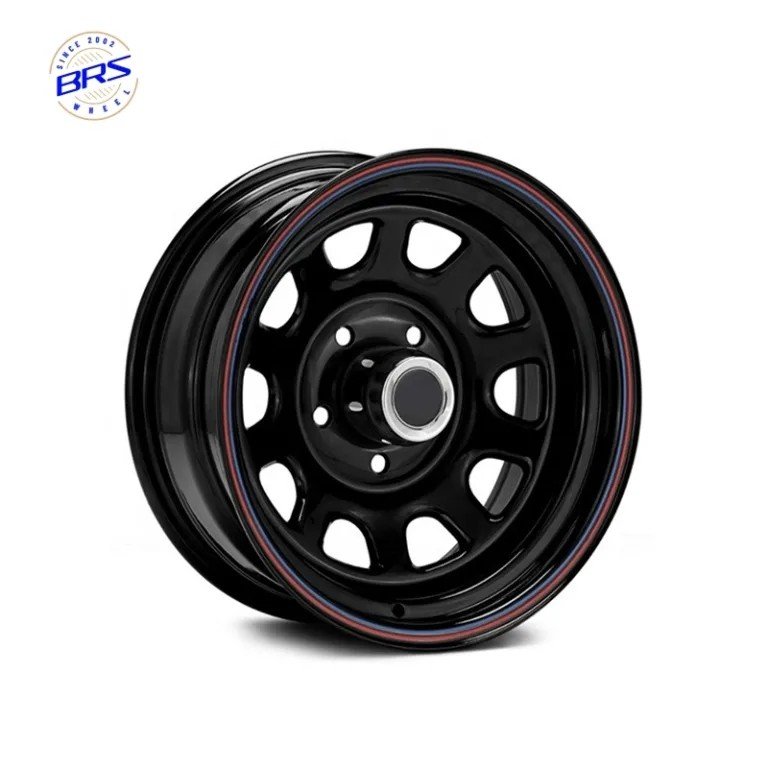
When towing heavy loads, wheel size directly impacts ride safety, load capacity and long-term durability. 18-inch wheels deliver higher load ratings, taller sidewalls and a smoother ride over rough terrain, making them the standard for heavy-duty trailer towing. 20-inch wheels offer sharper handling and a more polished appearance, but work best for light, occasional towing on paved roads. For reliable heavy-duty performance, BRS steel trailer wheels are a trusted choice built for strength and long service life across both size options.
Key Takeaways
- 18-inch wheels support higher payloads and absorb bumps better, making them ideal for heavy towing on uneven or unpaved roads.
- 20-inch wheels provide more responsive steering and a bold, stylish look, but have lower load capacity and a stiffer ride.
- Always verify load rating and tire compatibility before towing — rated capacity matters more than wheel diameter alone.
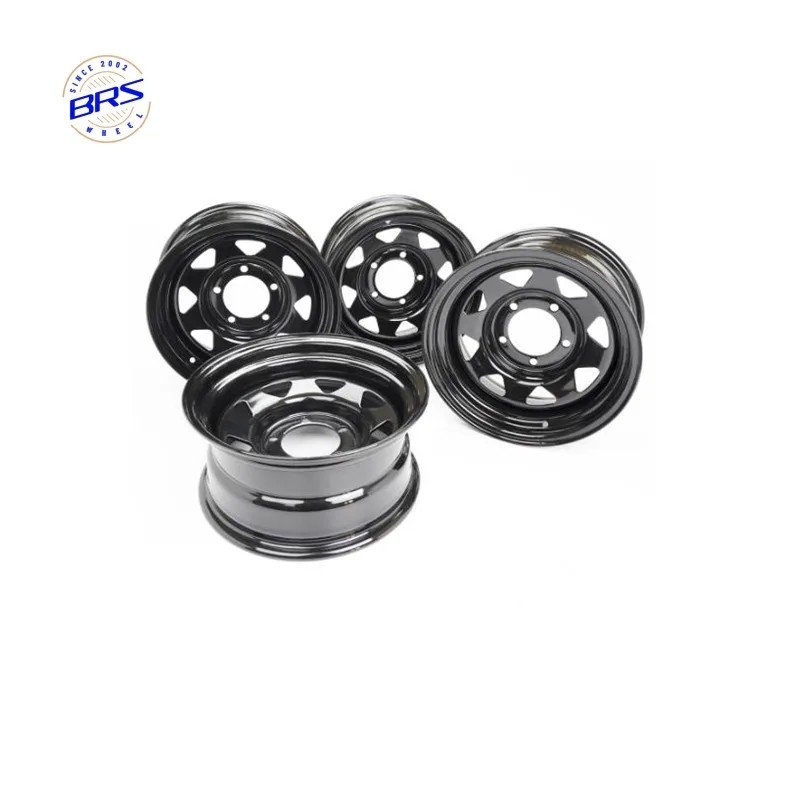
- BRS steel trailer wheels deliver high impact resistance and consistent load performance in both 18-inch and 20-inch sizes.
- Match wheel size to your use case: choose 18-inch for heavy utility, horse or marine trailers; 20-inch for light highway towing with daily-driven trucks.
Key Factors That Impact Towing Wheel Performance
Load Capacity
Every wheel and tire combination has a rated maximum load weight. For equivalent build quality, 18-inch trailer wheels typically carry a higher load index than 20-inch wheels:
| Wheel Size | Typical Load Index | Maximum Load Per Tire |
|---|---|---|
| 18-inch | 129 | 4,080 lbs |
| 20-inch | 127 | 3,860 lbs |
Sidewall Height
Tire sidewall height is determined by wheel diameter and tire aspect ratio:
- 18-inch wheels allow taller sidewalls, which cushion road impact, absorb potholes and reduce vibration transferred to the trailer.
- 20-inch wheels require shorter, lower-profile sidewalls, which create a firmer ride and more responsive steering but transmit more road shock to the load.
Ride Comfort
Taller sidewalls on 18-inch wheels smooth out rough pavement and gravel roads, reducing trailer sway and fatigue on long hauls. 20-inch low-profile setups feel more planted at steady highway speeds but transmit every bump and imperfection directly to the trailer frame, increasing the risk of load shift and discomfort.
Braking Performance
Larger diameter wheels can create extra clearance for upgraded brake hardware on tow vehicles, but this has minimal impact on standard trailer setups. For towing safety, consistent tire traction and stable load distribution matter far more than wheel size alone.
Tip: Always use trailer-specific (ST) tires paired with purpose-built trailer wheels. Passenger truck tires are not rated for the sustained vertical load of trailer towing.
18-Inch Wheels: Pros, Cons & Best Towing Uses
Advantages
- Higher maximum load rating: Safely handles heavier utility, horse and boat trailer weights
- Smoother, more compliant ride: Taller sidewalls absorb bumps and reduce trailer vibration
- Better rough-road durability: Thicker sidewalls resist cuts, impacts and pinch flats on gravel and unpaved roads
- Wider heavy-duty tire selection: More ST-rated trailer tire options at lower price points
- Lower overall cost: Both wheels and replacement tires are typically cheaper than 20-inch equivalents
Disadvantages
- Less aggressive, less stylized appearance compared to larger 20-inch wheels
- Slightly softer steering feel at highway speeds
- Fewer low-profile performance tire options for daily driver show trucks
Best Towing Applications
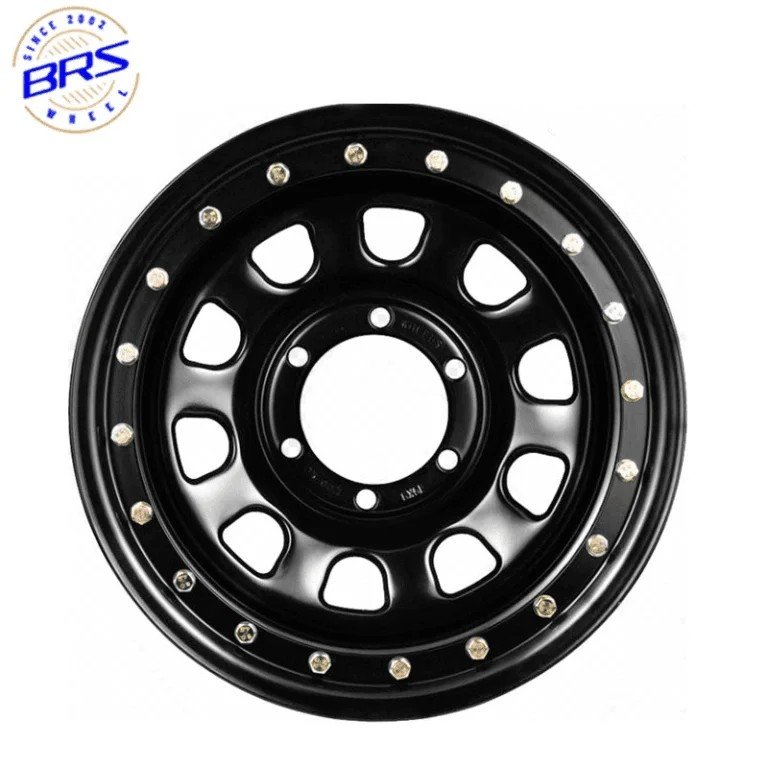
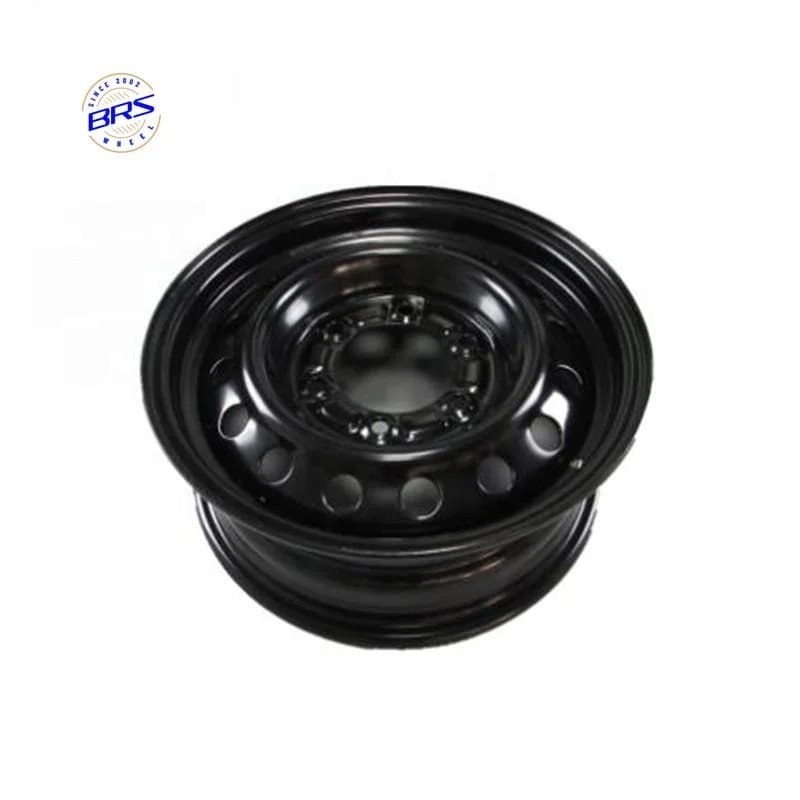
18-inch wheels are the industry standard for heavy-duty and mixed-terrain towing. They are the preferred choice for utility trailers, horse trailers, marine trailers and construction hauling, especially on routes with rough pavement or unpaved sections. BRS steel 18-inch trailer wheels add extra structural strength and impact resistance for demanding heavy-load use.
20-Inch Wheels: Pros, Cons & Best Towing Uses
Advantages
- Bold, premium visual appearance that enhances truck styling
- Firmer, more responsive steering feel on smooth paved roads
- Improved high-speed stability for light highway towing
- More clearance for large brake calipers on upgraded tow vehicles
Disadvantages
- Lower maximum load capacity, not ideal for maximum-weight trailers
- Harsher, stiffer ride that transmits more shock to cargo and trailer frame
- More expensive tires with fewer heavy-duty ST trailer options
- Shorter sidewalls are more vulnerable to pothole and curb impact damage
Best Towing Applications
20-inch wheels are best suited for light to moderate towing on well-maintained highways. They work well for drivers who use their truck for daily commuting and only tow occasionally, prioritizing appearance over maximum payload. They are not recommended for heavy off-road, gravel or construction-site towing.
18 vs 20 Inch Wheels for Towing
| Feature | 18-Inch Wheels | 20-Inch Wheels |
|---|---|---|
| Load Capacity | Higher; built for heavy-duty towing | Lower; best for light/moderate loads |
| Ride Comfort | Smoother; absorbs rough roads and potholes | Firmer; stiffer ride on uneven pavement |
| Handling | Stable and predictable in all conditions | Sharper steering response on smooth highways |
| Upfront & Replacement Cost | More affordable for both wheels and tires | Higher purchase and tire replacement cost |
| Heavy-Duty Tire Options | Wide, readily available selection of ST tires | Fewer dedicated heavy-duty trailer tire options |
| Ideal Use Case | Utility, horse, marine and construction trailers | Light towing, daily-driven show trucks, highway use |
How to Choose the Right Size for Your Towing Needs
Match Size to Payload Weight
- Heavy towing (over 6,000 lbs, frequent use): Choose 18-inch wheels for higher load rating, better impact resistance and a smoother, safer ride. This is the standard for commercial, agricultural and full-time trailer use.
- Light towing (under 5,000 lbs, occasional use): 20-inch wheels work well, especially if you prioritize truck appearance and mostly drive on smooth highways.
Match Size to Road Conditions
- Highway-only, well-paved routes: Either size works; 20-inch offers slightly better steering feel.
- Mixed pavement, gravel or unpaved roads: 18-inch wheels are strongly recommended. Taller sidewalls reduce tire damage risk and keep the trailer more stable over uneven surfaces.
Other Critical Factors Beyond Size
- Load rating first: Always select a wheel and tire combination with a rated capacity above your fully loaded trailer weight. Load rating matters more than diameter.
- Wheel material: Steel trailer wheels offer higher impact strength and lower repair costs compared to alloy wheels, making them the safer choice for heavy towing.
- Tire type: Use ST (Special Trailer) rated tires designed for vertical trailer load stress, not standard passenger truck tires.
- Proper offset: Correct wheel offset ensures even weight distribution and stable towing handling.
Conclusion
For most towing scenarios — especially heavy loads, rough roads, and regular use — 18-inch custom wheels are the safer, more practical choice. They deliver higher load capacity, a smoother ride, lower replacement costs, and far more heavy-duty tire options. Conversely, 20-inch custom wheels work perfectly for drivers who prioritize a sleek appearance and only tow light loads occasionally on smooth highways.
FAQ
Why are 18-inch wheels better for heavy towing?
18-inch wheels accommodate taller, higher-load-rated trailer tires with thicker sidewalls. This combination supports more total weight, absorbs road impact better and reduces the risk of tire damage on rough surfaces — all critical for safe heavy-load towing.
Can 20-inch wheels be used for off-road towing?
20-inch wheels are not recommended for off-road or rough gravel towing. Their short, stiff sidewalls transmit more shock, are far more vulnerable to pinch flats and impact damage, and have fewer heavy-duty all-terrain trailer tire options.
Are steel trailer wheels better than alloy wheels for towing?
Yes for heavy-duty use. Steel wheels like BRS offer higher impact strength, better load capacity and lower repair costs, which are essential for trailer duty. Alloy wheels dissipate heat faster but are more prone to cracking under heavy impact and generally have lower load ratings.
How do I pick the correct wheel size for my trailer?
Base your choice on total loaded trailer weight:
| Towing Type | Recommended Wheel Size |
|---|---|
| Heavy, frequent loads | 18-inch |
| Light, occasional highway towing | 20-inch |
Always confirm the size matches your trailer axle and hub specifications for safety.