Routine rim care does more than maintain appearance — it helps protect structural integrity, extend service life, and improve driving safety. Professional wheel rim manufacturers design rims with durable materials and protective finishes to withstand brake dust, road salt, moisture, and harsh driving conditions. However, regular cleaning, protective treatment, and inspections remain essential to prevent corrosion, finish damage, and premature wear.
Key Takeaways
- Regular cleaning removes corrosive brake dust and road salt, preventing rust, pitting, and permanent finish damage.
- Always use pH-balanced, acid-free cleaners to protect rim finishes; harsh chemicals can strip coatings and accelerate corrosion.
- Inspect rims monthly for cracks, dents, and corrosion to catch issues early and avoid safety risks like air leaks or blowouts.
- Apply a protective sealant or wax after every deep clean to repel dirt, simplify future cleaning, and extend finish life.
- Proper tire pressure and correct rim fit are critical for safety, even tire wear, and optimal fuel efficiency.
Why Regular Rim Care Matters
Prevent Corrosion and Premature Structural Damage
Rims face constant exposure to elements that break down metal and finishes:
- Humidity, rain, and standing water seep into small chips and scratches, triggering rust and corrosion.
- Winter road salt is highly corrosive and accelerates rust formation even on aluminum alloy rims.
- Brake dust contains fine metallic particles that stick to wheel surfaces; when mixed with moisture, the particles oxidize and etch into the rim finish.
Consistent cleaning removes these harmful contaminants before they cause permanent damage, significantly extending rim service life.
Boost Safety, Fuel Efficiency and Resale Value
Well-maintained rims directly impact overall vehicle performance and value:
- Regular inspections catch bends, cracks, and corrosion early, preventing slow air leaks, uneven tire wear, and catastrophic blowouts.
- Clean, undamaged rims support proper tire seating and balanced weight distribution, improving traction, steering response, and braking performance.
- Correct tire pressure and properly fitted rims reduce rolling resistance, which improves fuel economy.
- Wheels in good condition preserve a vehicle’s resale value and give it a well-maintained appearance.
Rim Care Guidelines by Wheel Material
Different rim materials have unique properties and require different care routines. Always match your cleaning products and methods to your rim type to avoid damage.
Alloy / Aluminum Rims
The most common OEM and aftermarket rim type. Aluminum is prone to oxidation and acid damage.
- Use only pH-neutral, non-acidic cleaners.
- For light oxidation, a gentle baking soda paste can restore shine without scratching.
- Apply sealant every 2–3 months to block moisture and prevent pitting.
Chrome Rims
Chrome plating is thin and easily damaged by harsh chemicals and abrasive tools.
- Clean with mild soapy water and a soft microfiber cloth only.
- Never use acidic cleaners, abrasive scrubbers, or polishing compounds, as they will scratch or strip the chrome layer.
- Dry thoroughly after washing to prevent water spots and under-chrome rust.
Steel Rims
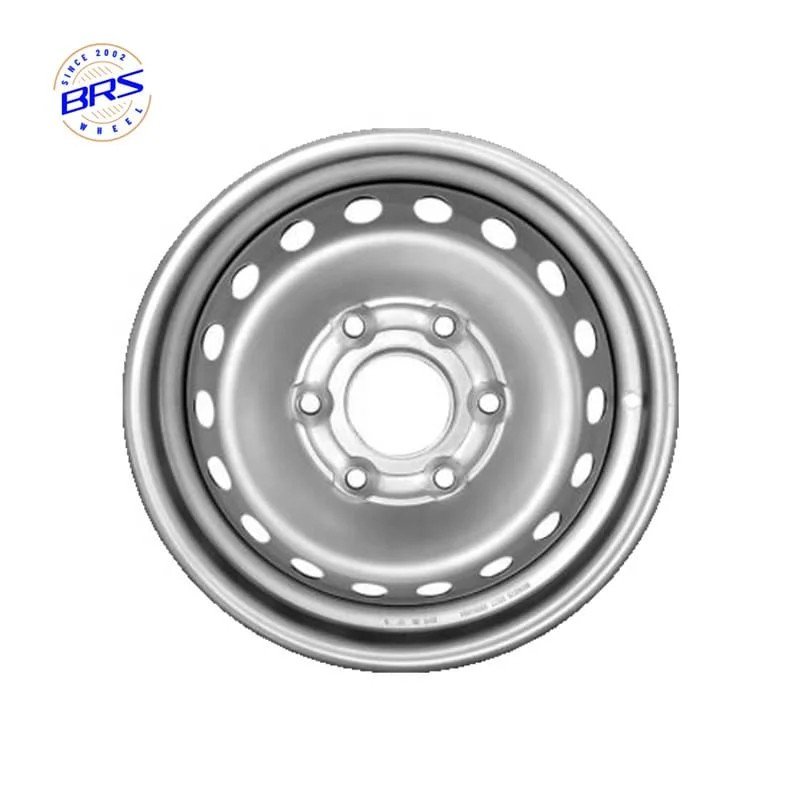
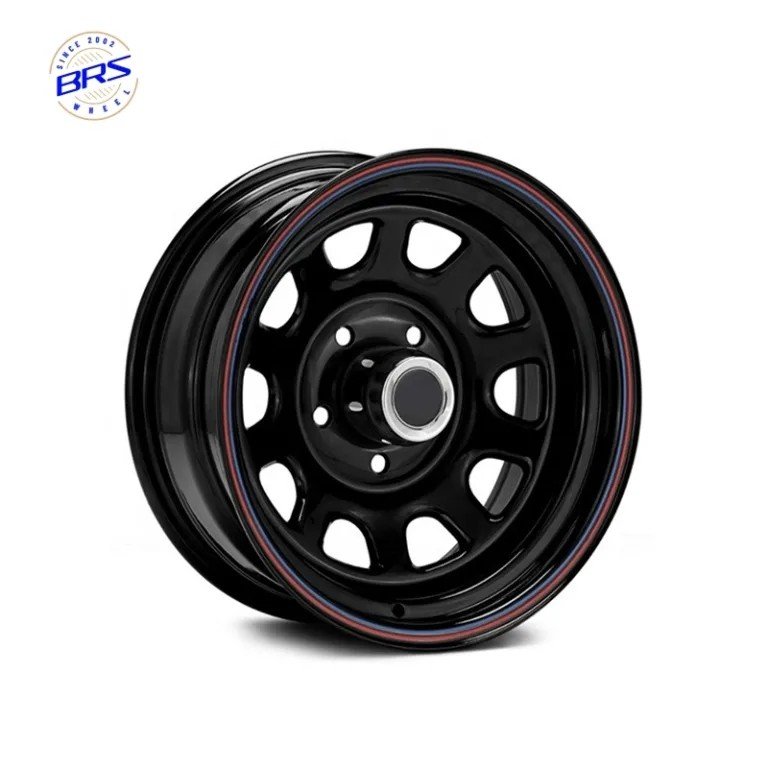
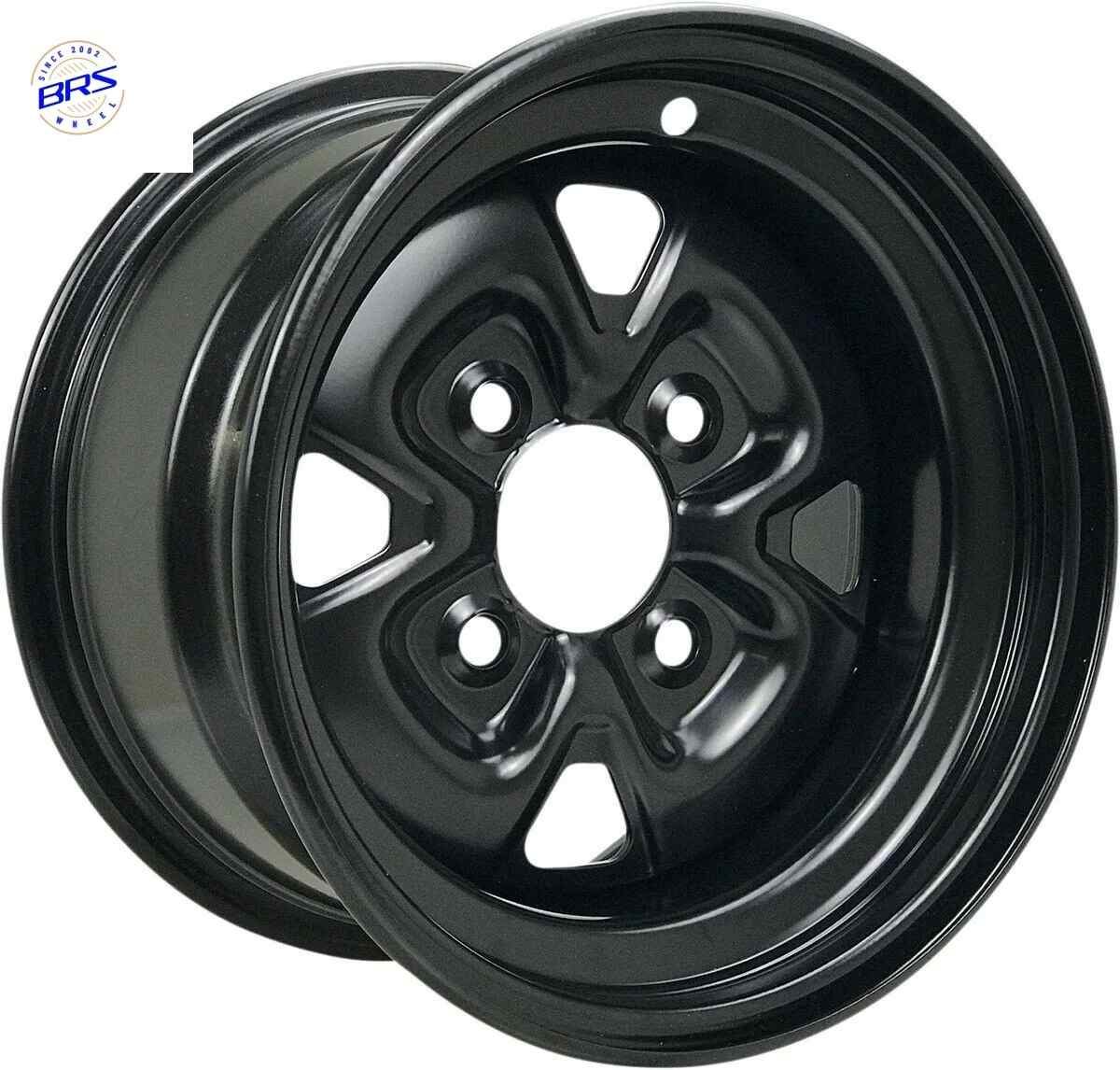
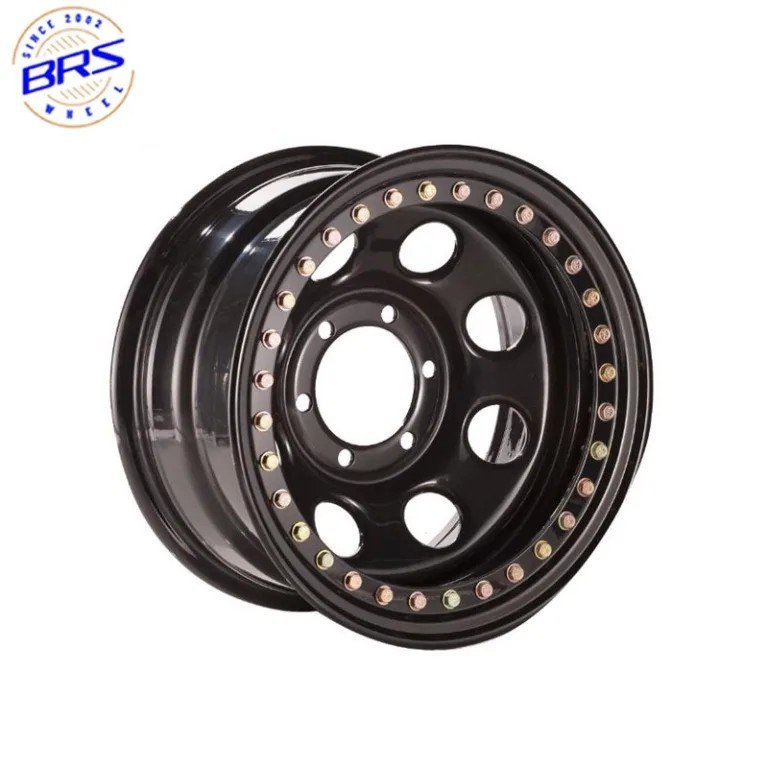
Steel rims are highly durable but highly susceptible to rust, especially where the protective paint coating is chipped or damaged.
- Clean frequently in winter to remove road salt from crevices.
- Touch up paint chips immediately to prevent rust from spreading.
- Ensure full drying after cleaning, especially around lug holes and weld seams.
Forged Rims
Made via high-pressure forming, forged rims are denser, stronger, and more impact-resistant than cast rims.
- They do not require special cleaners, but pH-balanced products still deliver the best finish protection.
- Their dense structure resists corrosion and bending better than cast rims, but they still need regular cleaning and protection for longest life.
How to Clean Rims Properly
Choose the Right Cleaner
The wrong cleaner can ruin a rim finish faster than dirt. For all rim types, a pH-balanced, acid-free wheel cleaner is the safest, most versatile choice. Acidic cleaners may cut grime faster, but they strip protective coatings, etch metal, and discolor chrome and powder-coated finishes.
| Product | Cost per fl. oz. | Available Sizes | Key Benefits |
|---|---|---|---|
| Chemical Guys Diablo Gel | $0.89 | 16 fl. oz., 128 fl. oz. | pH-balanced, safe for powder-coated and chrome wheels, dissolves heavy brake dust |
| Adam’s Polishes Wheel Cleaner | $1.06 | 16 fl. oz., 64 fl. oz., 128 fl. oz. | Acid-free, professional-grade formula, effective on heavy grime |
| WeatherTech TechCare Wheel Cleaner | $1.22 | 18 fl. oz. | Biodegradable, acid-free, low-scrub formula for light to medium dirt |
For at-home alternatives:
- Light dirt: Mild dish soap and water works for all rim types.
- Light alloy oxidation: Diluted white vinegar solution.
- Minor aluminum oxidation: Gentle baking soda paste.
Important: Always clean rims when they are completely cool. Cleaning hot wheels causes cleaner to evaporate instantly, leaving streaks, water spots, and permanent finish damage. Avoid cleaning in direct sunlight.
Step-by-Step Cleaning Process
- Rinse thoroughly with a hose to wash away loose dirt, mud, and surface brake dust.
- Apply pH-balanced cleaner evenly across the rim and barrel, and let it dwell for 30–60 seconds to dissolve grime.
- Scrub gently with a soft-bristle wheel brush or microfiber mitt, reaching into barrels and lug nut holes. Never use harsh scouring pads.
- Rinse completely to remove all cleaner residue.
- Dry immediately with a clean microfiber towel to prevent water spots.
- Apply protective sealant or wheel wax to create a barrier against dirt, brake dust, and moisture.
For best results, clean rims before washing the vehicle body, and work on one wheel at a time to prevent cleaner from drying on the surface. Clean rims at least once per month; increase frequency during rainy seasons, winter salt season, or after driving on unpaved roads.
Essential Ongoing Rim Maintenance Tips
Monthly Damage Inspections
Every time you clean your rims, do a quick visual check for:
- Discoloration, bubbling, or white/green corrosion spots around lug holes
- Cracks, bends, or dents from pothole impacts
- Slow air leaks around the tire bead or valve stem
Catching damage early allows for repair before it worsens and creates a safety hazard. For fleet vehicles, inspect wheels before long trips, check tire pressure monthly, rotate tires seasonally, and do a full annual inspection.
Proper Tire Pressure & Rim Fit
Correct tire pressure distributes vehicle weight evenly, reduces unnecessary stress on rims, and lowers rolling resistance for better fuel economy.
Using incorrectly sized or offset rims creates serious risks:
- Impaired brake and suspension performance, plus increased hydroplaning risk
- Accelerated wear on drivetrain, suspension, and brake components
- Reduced fuel efficiency from higher rolling resistance
- Potential voided vehicle warranty and insurance complications after an accident
Always use rims specified for your vehicle’s make and model.
Seasonal Protection & Road Hazard Prevention
- Winter care: Road salt is extremely corrosive. Clean rims more frequently, and thoroughly rinse inner barrels and crevices to remove salt residue. Consider applying a thicker protective sealant before winter.
- Summer care: Never clean hot rims in direct sunlight. UV rays fade and degrade finishes over time; a quality sealant or ceramic coating adds UV protection.
- Everyday protection: Slow down for potholes and avoid scraping curbs to prevent bends and cracks. For maximum durability, ceramic or powder coatings add a strong, long-lasting protective layer.
Investing in high-quality rims from trusted manufacturers like BRS also reduces long-term maintenance work. BRS rims are built with premium steel and alloy materials, undergo rigorous IATF 16949 quality testing, and feature durable, corrosion-resistant finishes that hold up better to road salt, debris, and daily wear — reducing long-term repair and reconditioning costs.
Conclusion
Rim maintenance is a low-effort, high-reward part of vehicle care. A monthly clean, a regular coat of protectant, and quick periodic inspections are all it takes to prevent corrosion, avoid safety issues, and keep wheels looking like new.
Whether you have basic steel wheels, chrome alloys, or high-performance forged rims, matching your cleaning routine to the material and staying consistent with protection will extend rim life, improve on-road safety, and keep your vehicle looking its best for years.
FAQ
What is the difference between forged rims and cast rims?
Forged rims are manufactured by shaping solid metal under extreme pressure. This creates a denser, stronger, lighter rim compared to cast rims. Forged rims resist bending and cracking better, handle higher stress loads, and typically have a longer service life.
Are forged rims easier to maintain long-term?
Yes, generally. Their dense, uniform structure gives them better resistance to impact damage and corrosion than standard cast rims. They still require regular cleaning and protection, but they are far less likely to develop bends, cracks, or pitting under normal use.
How often should I clean my rims?
For most passenger vehicles, clean rims at least once per month. In winter salt regions, rainy climates, or for vehicles driven on unpaved roads, clean every 1–2 weeks to prevent corrosive buildup.
Can road salt damage forged aluminum rims?
Yes. While forged aluminum is more durable than cast aluminum, road salt will still cause corrosion and pitting if left on the surface for long periods. Regular cleaning and a protective sealant will prevent salt damage.
Do forged rims need special cleaners or tools?
No, forged rims do not require specialty products. For best results, use a pH-balanced wheel cleaner and a soft-bristle brush, and avoid harsh acidic chemicals. Always dry thoroughly after washing to prevent water spots.
How often should I apply wheel sealant?
For most drivers, reapply wheel sealant every 2–3 months. In harsh winter salt environments or very sunny climates, reapply every 4–6 weeks for maximum protection.