On average, powder coated rims last 3 to 5 years under regular daily driving conditions. When applied by professional technicians with proper surface preparation, and paired with consistent routine care, a high-quality powder coat finish can remain intact and vibrant for 15 to 20 years.
Powder coating forms a thick, durable protective layer over metal rims, offering better chip, fade, and corrosion resistance than traditional liquid paint. Its actual service life varies widely based on application quality, driving conditions, and maintenance habits. This guide breaks down average lifespan benchmarks, key influencing factors, and actionable tips to maximize the durability of your powder coated wheels.
Key Takeaways
- Standard powder coated rims last 3–5 years with regular daily use; professional application and proper care can extend lifespan to 15–20 years.
- Clean powder coated rims regularly with mild, pH-neutral soap and water. Avoid harsh acidic cleaners and abrasive tools that can scratch or degrade the finish.
- Surface preparation quality and consistent coating thickness are the two biggest factory-side factors that determine long-term durability.
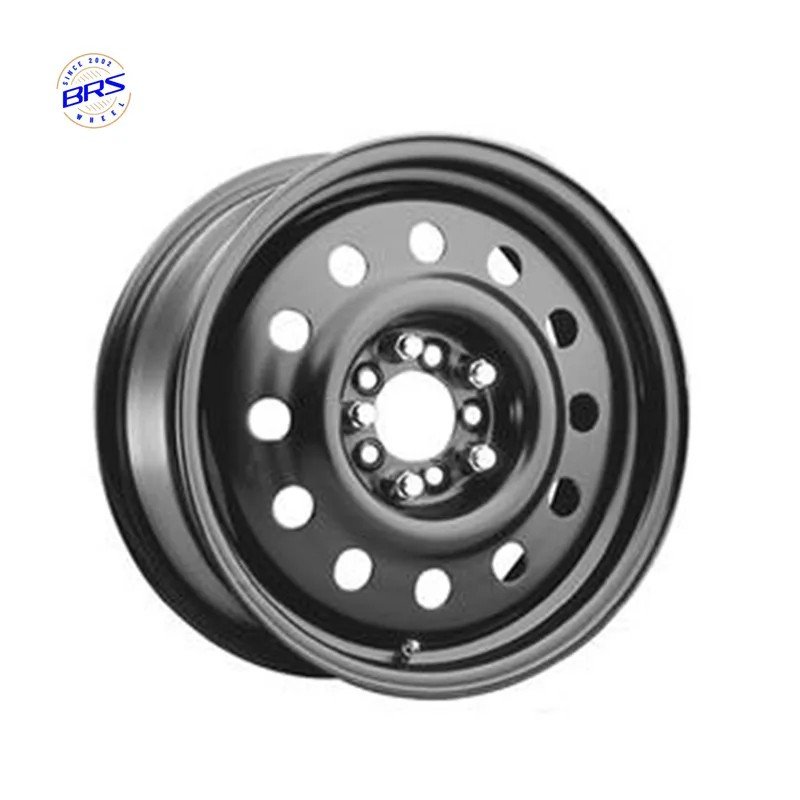
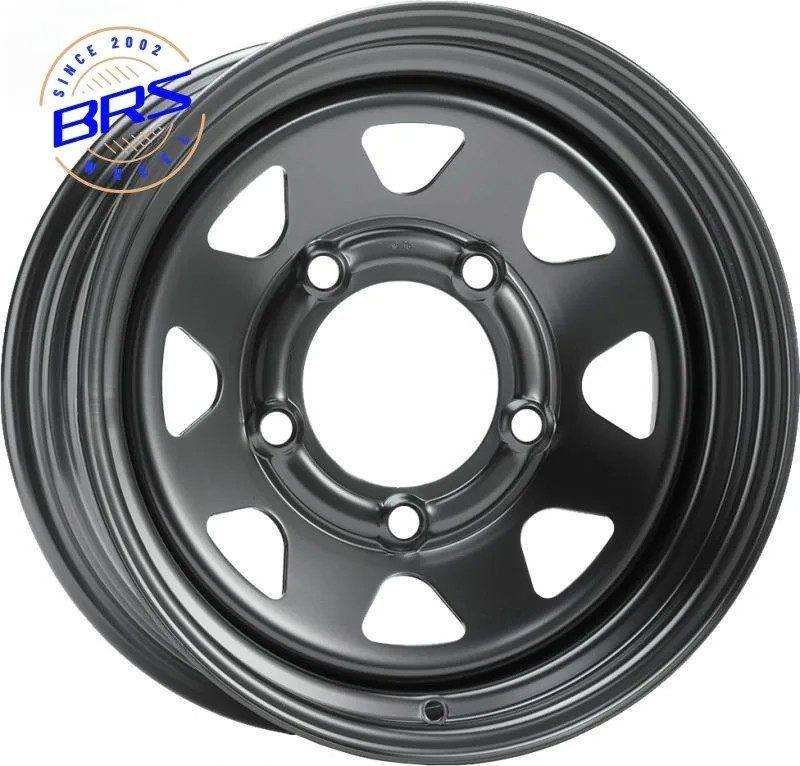
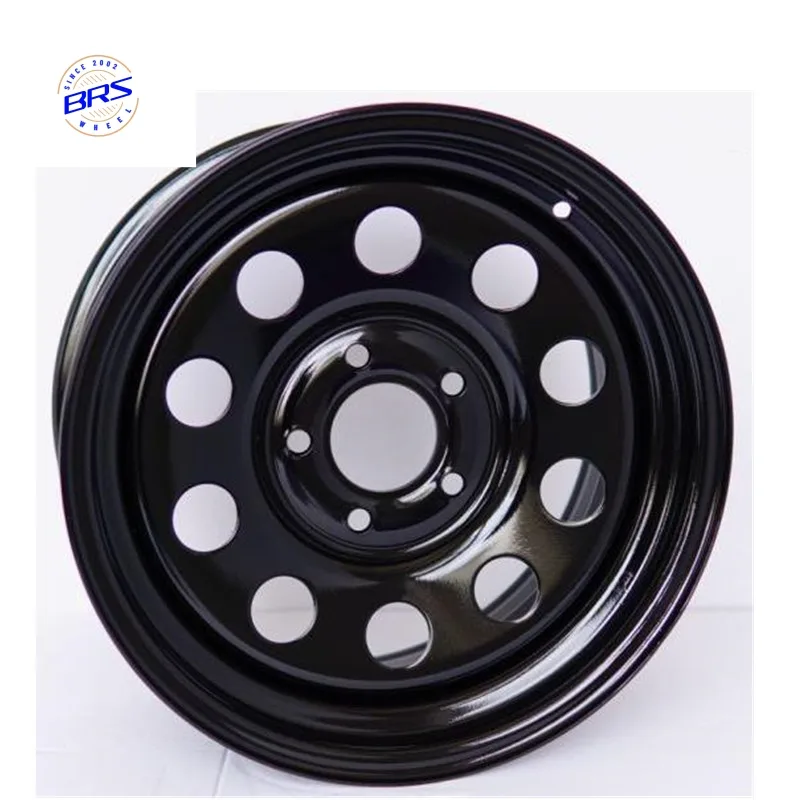
- High-quality powder coated wheels, such as BRS Black Powder Coated Wheels, are formulated to resist road salt, UV fading, and corrosion for extended service life.
- Periodic professional inspections and touch-ups prevent small chips from turning into widespread corrosion, saving money on full re-coating over time.
Average Lifespan of Powder Coated Rims
Real-world powder coat lifespan depends heavily on application quality and driving environment. Below are general benchmarks based on common use cases:
- Normal daily driving, professional application: 5–10 years of reliable performance with minimal fading or chipping.
- Harsh winter climates / frequent road salt exposure: 3–5 years before visible wear or corrosion begins to appear.
- Low-mileage vehicles + consistent care: 10+ years, with premium finishes lasting 15–20 years in mild climates.
The biggest gap between budget and premium powder coating comes down to surface preparation and application precision. Factory-applied powder coats from reputable manufacturers follow strict quality controls, resulting in far more consistent and long-lasting finishes than DIY or low-budget shop applications.
Powder Coating vs. Traditional Paint: Durability Comparison
Powder coating is significantly more durable than standard liquid wheel paint. Traditional paint tends to chip, fade, and peel within 2–3 years of regular use, as it forms a thin surface layer that bonds weakly to the metal.
Powder coating, by contrast, creates a thick, uniform, flexible film that chemically bonds to the metal substrate. This gives it superior resistance to:
- Chips and scratches from road debris
- UV fading from sun exposure
- Corrosion from road salt and moisture
- Chemical damage from brake dust and road grime
High-quality powder coated wheels are also tested for adhesion strength, corrosion resistance, and UV stability to ensure they hold up to extreme temperature swings and harsh weather.
Key Factors That Affect Powder Coated Rim Lifespan
Four core factors determine how long your powder coated rims will stay looking new and providing protection.
1. Surface Preparation Quality
Thorough surface prep is the single most important step for long-lasting powder coating. Before application, the rim must be fully stripped of grease, brake dust, old paint, and oxidation, usually via sandblasting or chemical cleaning.
A clean, contaminant-free metal surface allows the powder to form a strong, uniform bond. If grease, rust, or dirt remain under the coating, the finish will chip, bubble, and peel prematurely. Reputable rim manufacturers like BRS use multi-stage cleaning and masking processes to ensure full surface preparation before coating, which directly extends service life.
2. Coating Thickness & Application Precision
Consistent coating thickness is critical for both appearance and durability. A properly applied powder coat is thick enough to resist scratches and block moisture, but even enough to avoid bumps, runs, or uneven coverage.
- Too thin: Leaves weak spots where moisture can penetrate, causing rust under the coating.
- Too thick: Creates an uneven, bumpy finish and reduces adhesion, leading to chipping.
Professional spray application ensures uniform coverage across the entire wheel face, barrel, and lug holes, providing consistent protection everywhere.
3. Curing Process & Adhesion Strength
Curing is the heating process that melts the powder into a solid, bonded film. Rims are baked in controlled ovens at precise temperatures to ensure the coating fully cross-links and adheres to the metal.
Proper curing creates a strong, flexible, impact-resistant finish. Poor curing leads to weak adhesion, chipping, and premature fading. Strict curing protocols, like those used in BRS’s production process, ensure consistent bond strength and long-term durability.
4. Environmental Exposure & Driving Conditions
Daily driving conditions have a huge impact on how long the finish lasts. The biggest threats to powder coated rims are:
- Road salt: Highly corrosive; can break down the coating and cause rust in as little as a few months on low-quality finishes.
- UV sunlight: Prolonged sun exposure causes gradual fading, especially for dark and black finishes.
- Road debris: Rocks, gravel, and pothole impacts cause chips and scratches that let moisture reach the metal underneath.
- Extreme temperature swings: Repeated freezing and thawing can weaken coating adhesion over time.
Wheels driven primarily in mild, dry climates will last far longer than those exposed to year-round salt, snow, and rough roads.
How to Extend the Life of Your Powder Coated Rims
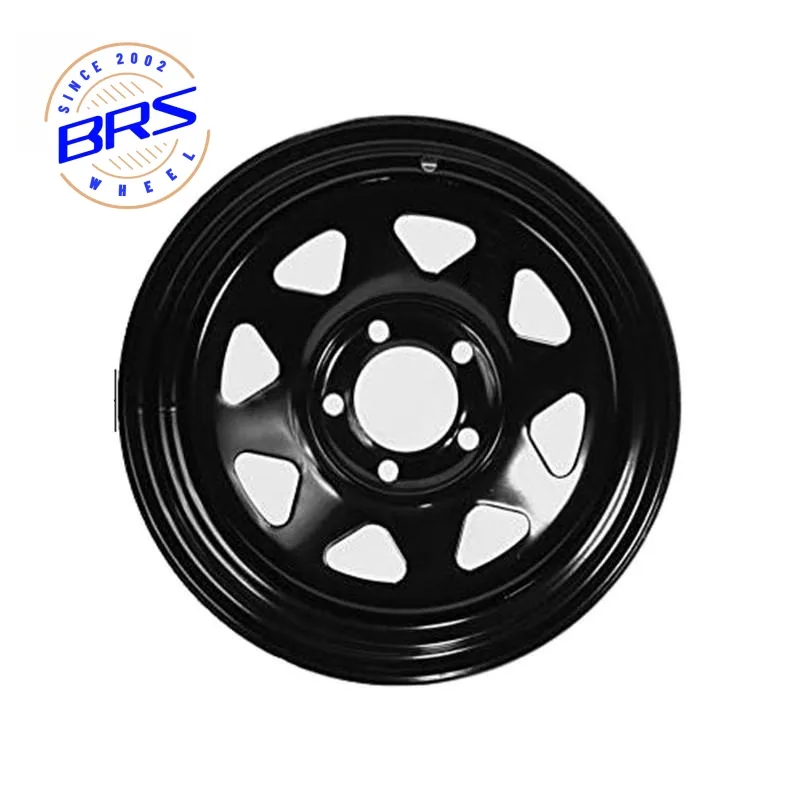
With basic routine care and a few preventive habits, you can significantly extend the life of your powder coated wheels.
Regular, Gentle Cleaning
Brake dust and road grime eat away at the coating over time, so regular washing is the easiest way to preserve the finish.
- Frequency: Clean every 2 weeks for daily drivers; increase to weekly during winter salt season.
- Cleaning method:
- Rinse loose dirt with a hose or pressure washer set to 1,200 PSI or lower.
- Wash with mild, pH-neutral (pH ~7.0) soap and a soft nylon brush.
- Scrub spokes, lug holes, and barrels gently to remove brake dust.
- Rinse thoroughly and dry immediately with a thick 600 GSM microfiber towel to avoid water spots.
- What to avoid: Acidic wheel cleaners, bleach, rust removers, and abrasive scouring pads — all will scratch or etch the powder coat finish.
For ready-to-use products, gentle options like Turtle Wax Hybrid Solutions Hyper Foam and Chemical Guys Signature Series Wheel Cleaner are safe for powder coated surfaces when used as directed.
Daily Damage Prevention
Small preventive habits add up to years of extra lifespan:
- Inspect wheels monthly for chips, scratches, or peeling. Touch up small damage early to prevent rust from spreading under the coating.
- Avoid curbs and slow down for potholes to prevent impact chips and bends.
- Maintain proper tire pressure to reduce impact stress on rims.
- Consider rim protectors for frequent city driving to guard against curb scrapes.
- For maximum protection, apply a ceramic coating top coat. It adds an extra layer of UV and chemical resistance and makes cleaning easier.
Professional Maintenance & Touch-Ups
You do not need professional service on a regular basis, but professional touch-ups are a cost-effective way to extend rim life. Fixing small chips and scuffs before they spread prevents the need for a full re-coat.
Professional wheel touch-ups typically cost $100–$250 per wheel, which is far less than replacing or fully re-coating a full set. Over 10–15 years, powder coated wheels with occasional touch-ups cost less than repeatedly repainting wheels, since paint chips and fades much faster.
BRS Black Powder Coated Wheels are engineered for low-maintenance durability, with a heavy-duty finish that stands up to road salt, UV exposure, and daily wear. With basic routine cleaning, they retain their deep black finish and corrosion protection for years, delivering strong long-term value.
Conclusion
Powder coating is one of the most durable wheel finish options available, far outlasting traditional liquid paint. For most daily drivers, you can expect 3–5 years of like-new appearance, and double that with professional application and consistent care.
The biggest driver of longevity is initial quality: a properly prepared, evenly applied, fully cured powder coat from a reputable manufacturer will hold up far better to road salt, UV rays, and daily wear. Pair that with regular gentle cleaning and quick touch-ups of small damage, and your powder coated rims can look great and protect your wheels for well over a decade.
FAQ
How long does powder coating on rims normally last?
On daily-driven vehicles, powder coated rims typically last 3–5 years before showing visible wear. With professional application and regular care, a high-quality powder coat can last 10–20 years.
Can powder coated rims get scratched or chipped?
Yes. While powder coating is tougher than paint, it is not indestructible. Rocks, gravel, curb impacts, and potholes can all chip or scratch the finish. Gentle driving and regular inspections help minimize damage.
Do powder coated rims hold up in winter road salt?
Good-quality powder coating resists road salt far better than regular paint, but salt will still cause damage over time. Frequent washing to remove salt buildup is the best way to protect the finish through winter.
What cleaners are safe for powder coated rims?
Mild, pH-neutral soaps and dedicated non-acidic wheel cleaners are safe. Avoid bleach, rust removers, acidic cleaners, and abrasive scrubbers — all will damage the powder coat finish.
Do powder coated wheels need to be re-coated eventually?
Eventually, yes. All finishes wear down over time. With proper care, you can go 10+ years before needing a full re-coat. Small chips can be touched up professionally to delay full re-coating.