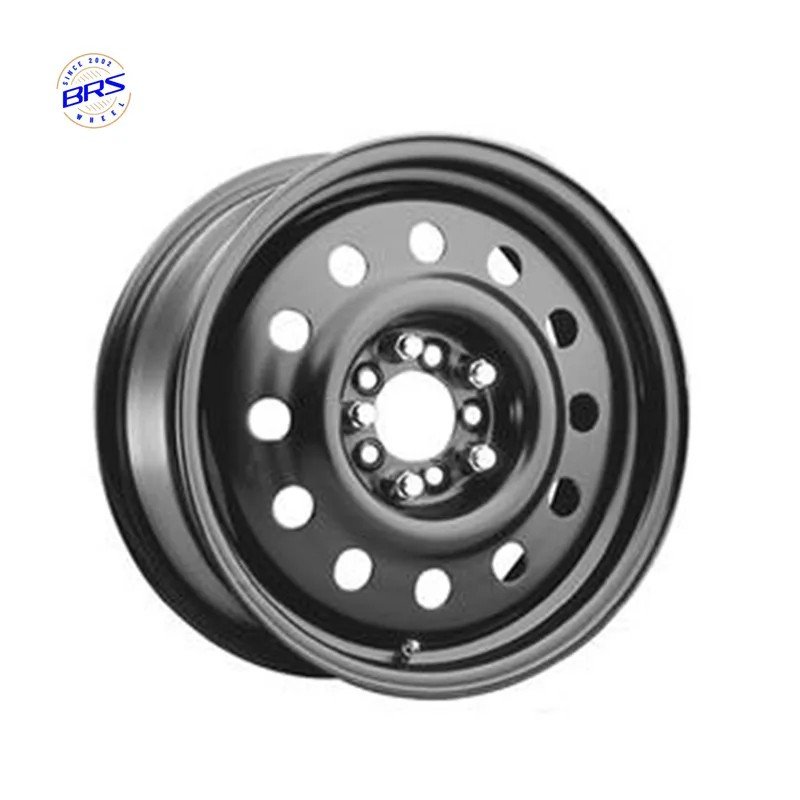
Preventing rust on steel wheels relies on regular cleaning, protective barrier coatings, and proper storage habits. Even high-quality steel wheels from manufacturers like BRS remain vulnerable to oxidation when exposed to moisture, road salt, and brake dust. Taking proactive steps stops rust before it takes hold, preserving both appearance and structural integrity.
Key Takeaways
- Steel wheels rust when exposed to moisture, oxygen, road salt, and contaminants, especially when protective coatings are damaged.
- Regular cleaning and thorough drying help prevent moisture, brake dust, and road salt from accelerating corrosion.
- Treat surface rust early by removing the corrosion, applying rust-inhibiting primer, and sealing exposed steel with suitable paint or coatings.
- Inspect steel wheels regularly for bubbling paint, peeling coatings, discoloration, pitting, and rough spots, particularly around the inner barrel and lug holes.
- Limit exposure to road salt and standing water, especially during winter or in coastal environments, to extend the service life of steel wheels.
Why Do Steel Wheels Rust?
Rust forms through a natural oxidation process in which iron in steel reacts with oxygen and moisture to produce iron oxides. Whenever unprotected steel is exposed to water and air, corrosion can gradually develop.
Common Causes of Accelerated Rust
Road salt is one of the biggest corrosion triggers for steel wheels. When combined with moisture, salt creates a highly corrosive environment that accelerates surface corrosion and pitting. Drivers in cold climates face greater risk because of winter road salt and de-icing chemicals, while coastal areas can expose wheels to salt-laden air and moisture.
Trapped moisture provides the water needed for corrosion to continue. Water can collect around the tire bead, valve stem, lug holes, and other recessed areas after driving in wet conditions or washing the vehicle. Parking in damp, poorly ventilated areas can also keep wheel surfaces wet for longer.
Brake dust contains fine particles from brake components and other road contaminants. When brake dust accumulates on the wheel and combines with moisture, it can contribute to finish deterioration and create conditions that promote corrosion.
Physical surface damage from potholes, curb impacts, gravel, and road debris can chip paint or protective coatings and expose bare steel. If these damaged areas are not cleaned and repaired, moisture can reach the exposed metal and accelerate rust.
Early Warning Signs of Rust
Early rust does not always appear as obvious orange spots. Look for bubbling or peeling paint, small areas of discoloration, surface pitting, and rough or uneven patches, especially around wheel edges, seams, lug holes, and the inner barrel.
Run your fingers carefully over accessible wheel surfaces to check for unusual roughness or raised areas, and inspect hard-to-see areas with a flashlight. Rust can generally be grouped into three stages:
- Surface rust: Light discoloration with no significant metal loss.
- Scale rust: Flaking or raised corrosion with deeper surface deterioration.
- Penetrating rust: Deep pitting, holes, or corrosion that may compromise wheel integrity and require professional assessment or replacement.
Early detection makes rust much easier to control.
Best Ways to Protect Steel Wheels from Rust
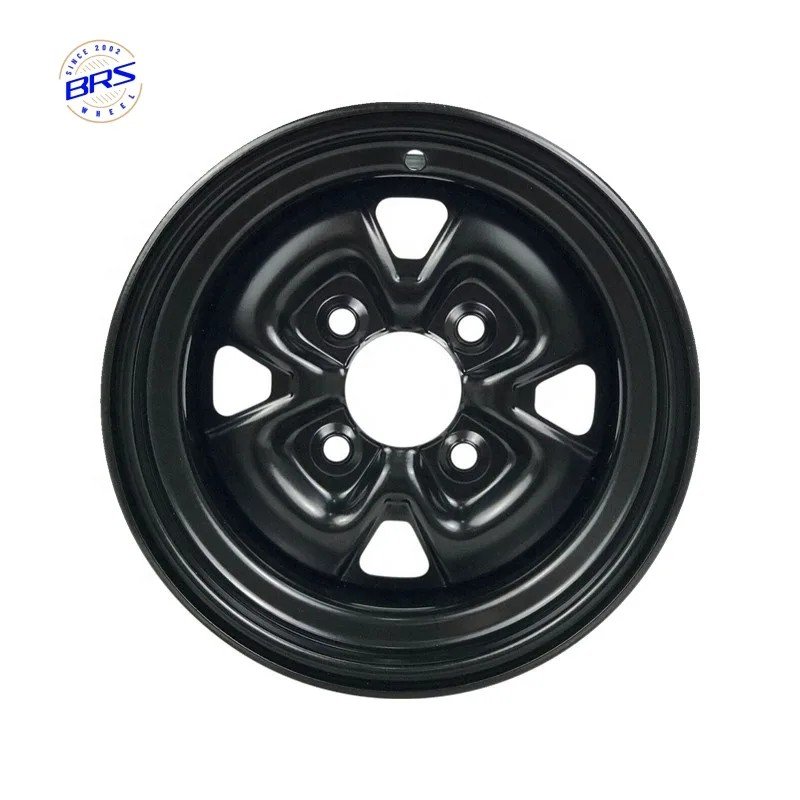
Effective rust prevention starts with keeping steel wheels clean and dry, then adding a protective barrier and repairing exposed metal before corrosion spreads.
Keep Wheels Clean and Thoroughly Dry
Dirt, brake dust, road grime, and road salt can trap moisture against steel surfaces and accelerate corrosion. Wash your wheels regularly with a pH-balanced, acid-free wheel cleaner to remove these contaminants without unnecessarily affecting the wheel finish.
After washing, dry the wheels thoroughly. Pay particular attention to the inner barrel, lug nut areas, valve stem, and other small gaps where water can collect. A microfiber towel or leaf blower can help remove remaining moisture. Keeping these areas dry reduces the conditions that allow rust to develop.
Remove Rust and Apply Protective Coatings
If you notice surface rust, deal with it early before it develops into deeper corrosion. Light rust can usually be removed with sandpaper or a suitable rust remover. Start with coarser grit to remove loose rust and scale, then use a finer grit to smooth the surface.
Once the affected area is clean and completely dry, apply a rust-inhibiting primer followed by a suitable wheel paint or protective coating. For minor chips and scratches, touch-up paint can help seal exposed steel and prevent moisture from reaching the metal.
For additional protection, consider:
- Wheel wax or sealant: Easy to apply and useful for routine protection, but requires regular reapplication.
- Ceramic coating: Provides a more durable barrier against water, road salt, brake dust, and other contaminants when properly applied.
- Clear coat: Useful for sealing repaired or painted areas and protecting the finish from moisture and contamination.
Long-Term Maintenance for Rust-Free Steel Wheels
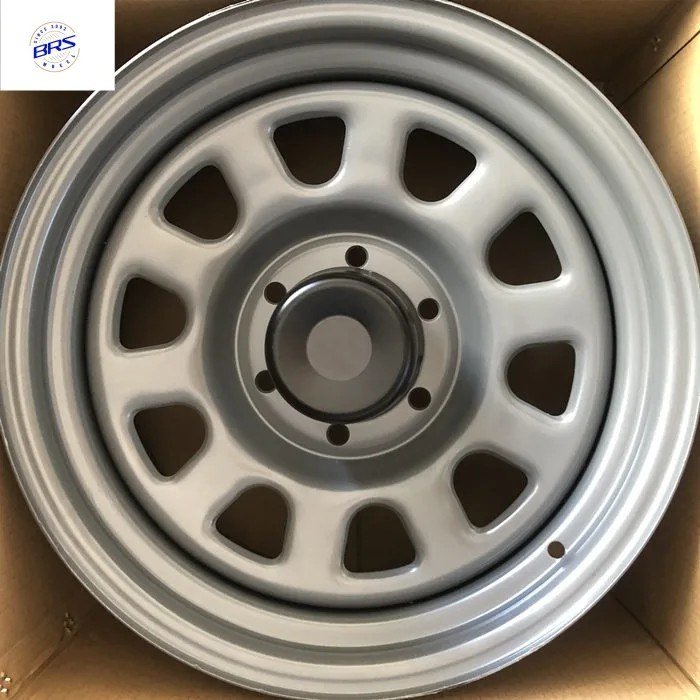
Rust prevention is an ongoing process. Following recommendations from a reliable steel wheel manufacturer, along with regular inspection and reduced exposure to moisture and road salt, can help extend the service life of steel wheels.
Inspect Your Steel Wheels Regularly
Check your wheels periodically for rust spots, bubbling paint, peeling coatings, or surface pitting. Pay extra attention to the inner barrel, wheel edges, lug nut areas, and other locations where moisture and dirt can accumulate.
If you drive in a humid climate, near the coast, or on roads treated with salt during winter, inspect your wheels more frequently. Catching surface rust early makes it easier to clean and repair before the damage becomes more extensive.
Minimize Salt and Moisture Exposure
Road salt and de-icing chemicals can significantly accelerate corrosion on exposed steel. During winter, wash your wheels regularly to remove salt and grime before they remain on the surface for extended periods.
You can also reduce corrosion risk by:
- Rinsing wheels after driving on heavily salted or wet roads.
- Avoiding prolonged parking in standing water.
- Using mud flaps to reduce water and salt spray.
- Parking in a dry, well-ventilated area when possible.
- Deep-cleaning the wheels after winter to remove accumulated salt and road grime.
Conclusion
Preventing rust on steel wheels is always cheaper and easier than repairing it. The core formula is simple: keep wheels clean and dry, apply an appropriate protective coating, inspect regularly, and limit exposure to salt and moisture.
For drivers in high-risk climates — cold winter salt zones or coastal areas — investing in a ceramic coating and sticking to a strict wash schedule will keep steel wheels looking good and structurally sound for years. A little proactive maintenance preserves both appearance and vehicle value long-term.
FAQ
How often should I wash steel wheels to prevent rust?
Wash every two weeks in normal weather. In winter with road salt or in coastal areas, wash once a week to remove corrosive salt and brake dust buildup before it damages the finish.
Can household products remove rust from steel wheels?
White vinegar and baking soda mixed into a paste can remove light surface rust — apply, leave for 30 minutes, then scrub and rinse. For heavier rust, professional products like Evapo-Rust work more effectively, stripping rust to bare metal without aggressive scrubbing.
Which protective coating lasts the longest for steel wheels?
Ceramic coatings provide the longest protection, lasting 3–5 years under normal driving conditions. Traditional wax begins degrading immediately and typically fails within weeks, requiring frequent reapplication.
Does winter driving always cause rust on steel wheels?
Winter driving increases rust risk due to road salt, but it does not guarantee damage. Regular washing to remove salt, pre-winter protective coatings, and dry garage parking all effectively prevent winter corrosion.
How often should I inspect steel wheels for rust?
Inspect every six months in mild, dry climates. In harsh conditions with heavy road salt or coastal humidity, inspect monthly. Run a finger along the rim edge to feel for rough spots, and use a flashlight to check the inner barrel where moisture collects.