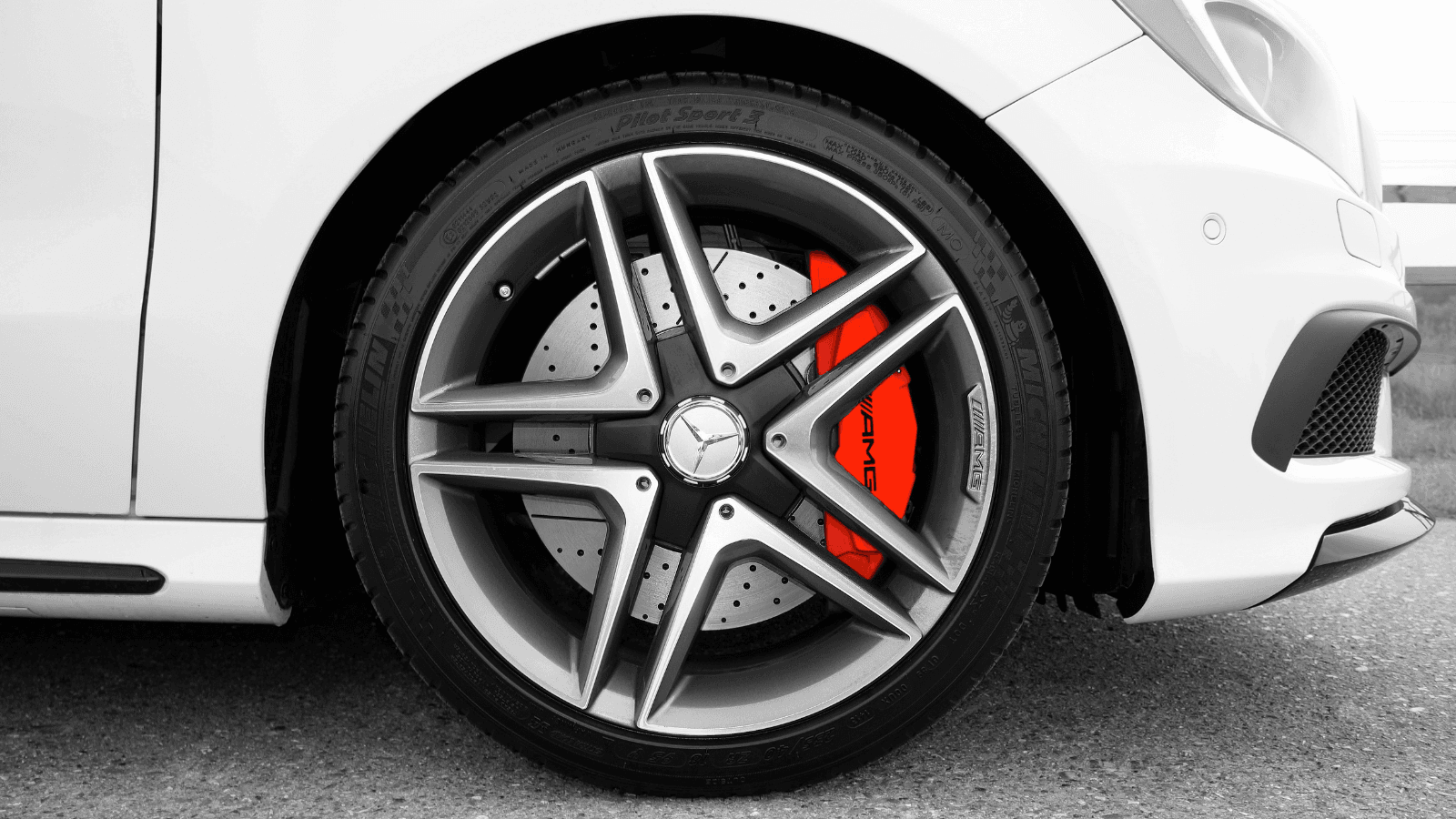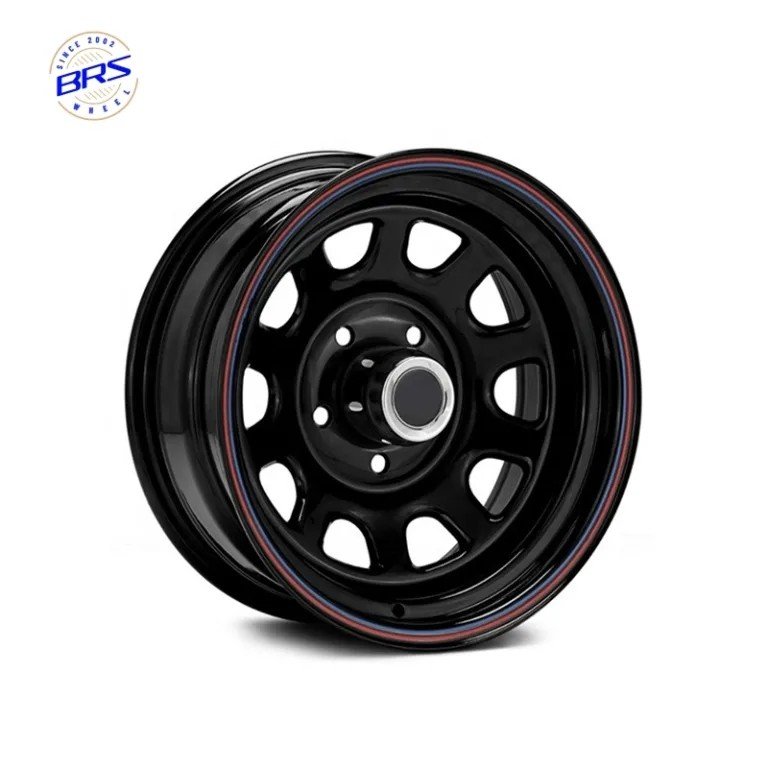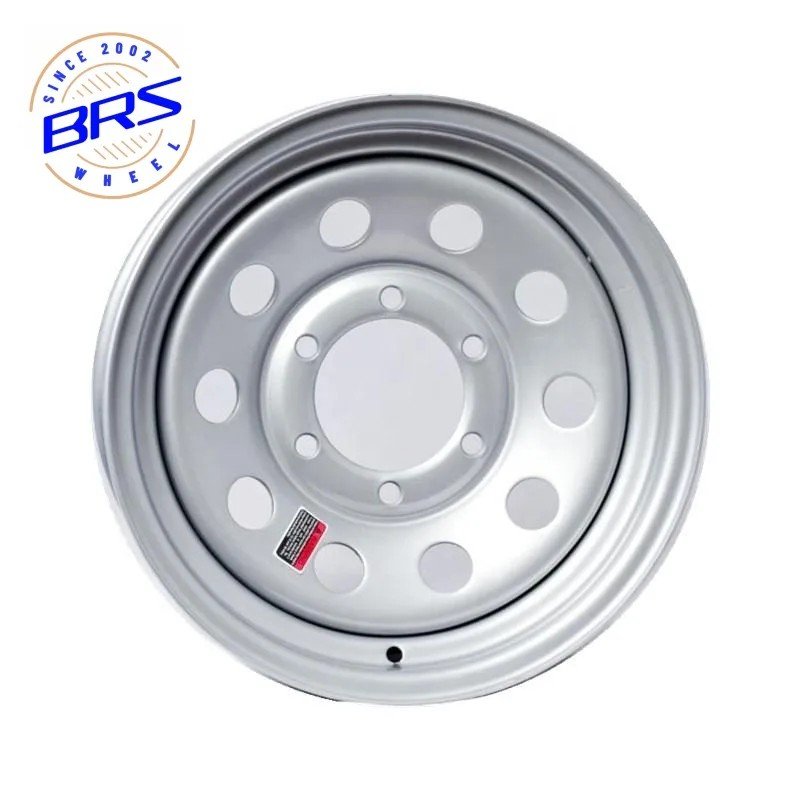
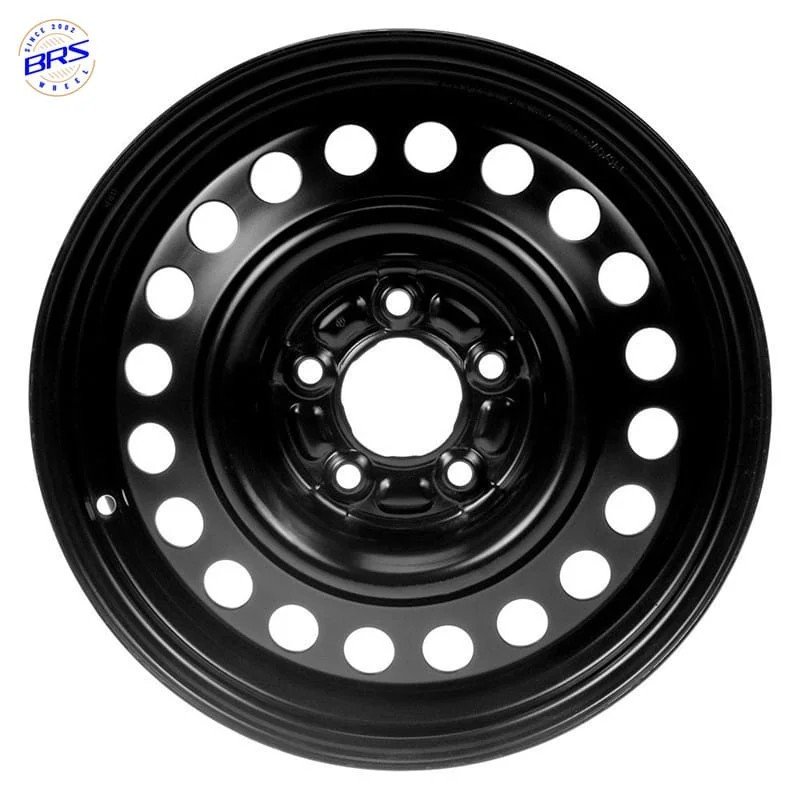
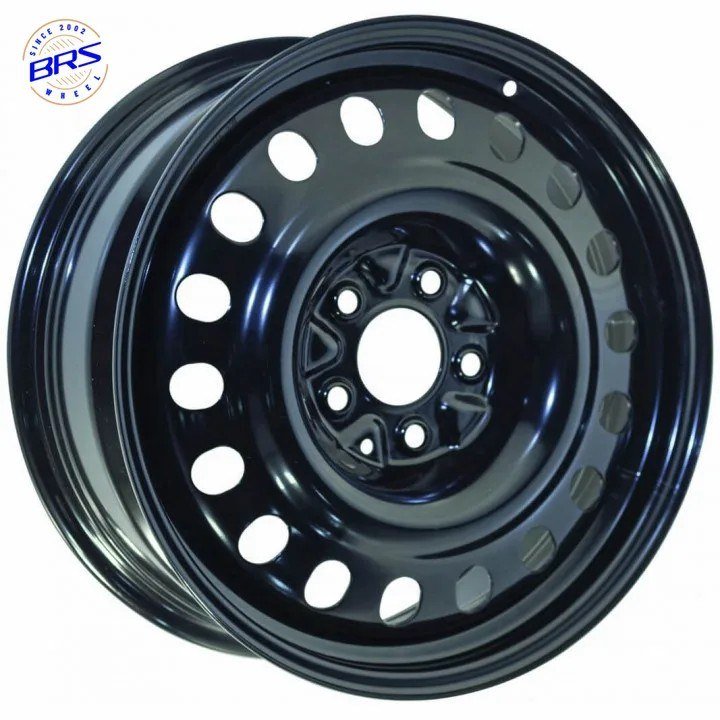
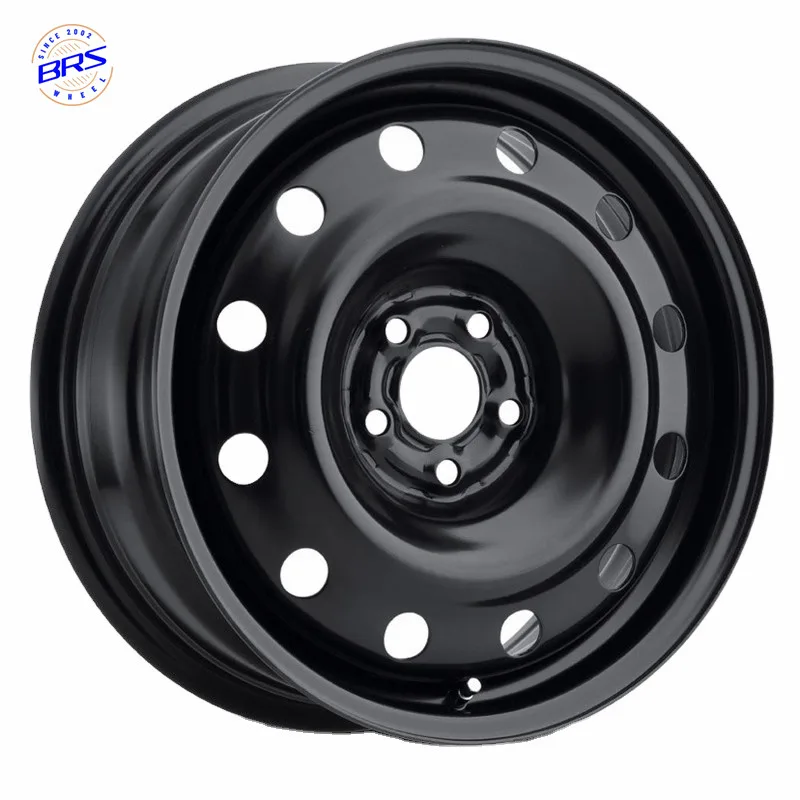
Yes, steel wheels do reduce fuel economy slightly compared to lighter alloy wheels, primarily due to their greater rotational mass. The typical penalty ranges from 2–5% for most drivers, with up to an 8% difference in extreme stop-and-go city driving. For most daily commuters, the difference is small and often barely noticeable at the gas pump.
Wheel material is only one factor in overall efficiency. Driving style, tire choice, and drive cycle often have a larger impact on mileage than whether wheels are steel or alloy. Each option comes with tradeoffs: steel wheels are low-cost and impact-resistant, while alloy wheels deliver better handling and aesthetics at a higher price point.
Key Takeaways
- Steel wheels typically reduce fuel economy by 2–5% compared to alloy wheels; heavy stop-and-go city driving can push the gap to ~8%.
- Driving style, tire choice, and drive cycle (city vs. highway) impact fuel efficiency far more than wheel material alone.
- The fuel penalty is most noticeable in frequent-stop city driving, and smallest during steady highway cruising.
- Alloy wheels offer better handling, faster heat dissipation, and improved appearance, but cost more and crack more easily on hard impacts.
- Fuel savings alone rarely justify the cost of upgrading to alloy wheels; most drivers upgrade for handling and aesthetic benefits.
How Wheel Weight Impacts Fuel Economy

The fuel economy gap comes down to rotational mass — the energy required to spin a wheel. Think of a runner wearing heavy boots versus light running shoes: heavier footwear demands more energy with every step, and the runner tires faster. The same principle applies to vehicle wheels.
Heavier steel wheels require more engine power to accelerate from a stop, and more energy to keep spinning at speed. The effect is amplified because weight at the outer edge of the wheel matters more than weight near the center. Steel wheels typically have thicker outer barrels, moving more mass farther from the hub and increasing rotational inertia. Every time the vehicle speeds up, the engine works harder to overcome this resistance.
Heavier wheels also increase rolling resistance: the extra weight compresses the tire more against the road, creating additional friction and heat that wastes energy. This effect stacks with rotational mass penalty, especially in frequent stop-and-go driving.
What Shapes the Size of the Impact?
Vehicle Type
The penalty is more noticeable in smaller, lighter vehicles, where 40–60 pounds of extra wheel weight makes up a larger share of total vehicle mass. A 2,500-pound compact car will feel the difference far more than a 5,000+ pound full-size SUV, where the same wheel weight is a tiny fraction of total mass.
Driving Cycle: City vs. Highway
City driving produces the largest fuel penalty from car steel wheels. Frequent stops and starts force the engine to overcome rotational inertia over and over, multiplying the energy cost. Steady highway cruising minimizes the effect, since the engine only needs to maintain speed rather than accelerate repeatedly. On the open road, the gap between steel and alloy wheels shrinks significantly.
Aggressive driving — hard acceleration and late braking — amplifies the penalty even further. Smooth, steady driving reduces the impact of wheel weight on mileage.
Tire Choice
Tire selection can matter just as much as wheel material for fuel economy. Low-rolling-resistance tires reduce friction between the tire and road, improving efficiency regardless of wheel material. A steel wheel paired with efficient tires can deliver very respectable mileage. Conversely, heavy aggressive mud-terrain tires on alloy wheels will erase any fuel savings from lighter weight.
Steel vs. Alloy Wheels: Tradeoffs At a Glance
| Factor | Steel Wheels | Alloy Wheels |
|---|---|---|
| Fuel economy | 2–5% penalty vs. alloy | 2–5% improvement vs. steel |
| Upfront cost | Lower; budget-friendly | Higher; significant premium |
| Impact durability | Bend instead of cracking; excellent for winter/rough roads | More prone to cracking or cracking on hard impacts |
| Handling & performance | Heavier; slower steering response | Lighter; more agile steering and better heat dissipation |
| Appearance | Utilitarian; hidden by hubcaps in winter | Polished finish; widely considered more attractive |
| Best for | Winter driving, rough roads, budget-focused builds | Performance applications, street aesthetics, all-season daily driving |
Is Upgrading to Alloy Wheels Worth It?
For most drivers, fuel savings alone do not justify the cost of upgrading to alloy wheels. A 2–5% improvement translates to only a few dollars per month for the average commuter, which may take years to offset the higher purchase price. For buyers comparing wheel options, working with an experienced steel wheel manufacturer can also provide a better understanding of how steel and alloy wheels differ in weight, durability, and cost.
Most people upgrade to alloys for non-fuel benefits such as sharper handling, better brake heat dissipation, and improved appearance. If you value those qualities, the premium may be worth considering. If your only goal is better gas mileage, you may see a larger return from low-rolling-resistance tires or more fuel-efficient driving habits.
FAQ
Are steel wheels worth it despite the fuel cost?
Yes, for many drivers. Steel wheels cost less upfront, handle rough roads and potholes better, and bend instead of cracking — a major benefit in winter conditions. The fuel penalty is small for most daily drivers, making them a very cost-effective choice.
Does tire choice matter more than wheel material?
It can matter just as much. Low-rolling-resistance tires reduce road friction and improve fuel economy regardless of wheel material. For best results, think about the full package: wheels, tires, and driving style together.
Will I notice the difference at the gas pump?
Most drivers will not notice a large day-to-day change. The 2–5% penalty is subtle for casual driving. People with long, stop-and-heavy city commutes may see a small difference over time, but drivers with mostly highway routes will barely notice.