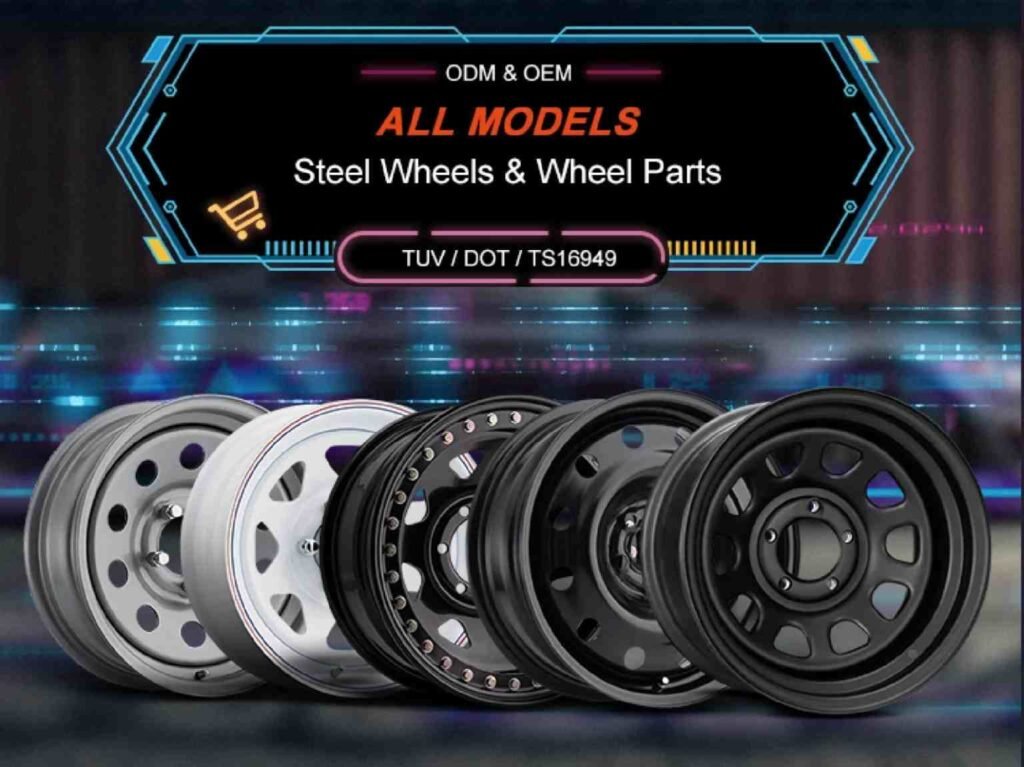
Finding a trustworthy wheel manufacturer is a critical decision for automotive OEMs, aftermarket brands, and commercial vehicle fleets. The right partner ensures consistent quality, regulatory compliance, stable supply, and long-term cost efficiency — while a poor choice can lead to safety risks, production delays, and brand damage.
Key Takeaways
- Start by clearly defining your technical requirements, including material, load rating, and dimensions, before reaching out to manufacturers.
- Source through direct factory outreach, B2B platforms, and industry trade shows to compare options and build long-term partnerships.
- Prioritize suppliers with globally recognized safety certifications: IATF 16949, TÜV, JWL, VIA, and DOT.
- Validate manufacturing capabilities through third-party lab tests, factory audits, and prototype sample evaluation before placing bulk orders.
- Compare total cost of ownership — not just unit price — including tooling fees, shipping, and warranty coverage.
Define Your Exact Wheel Requirements
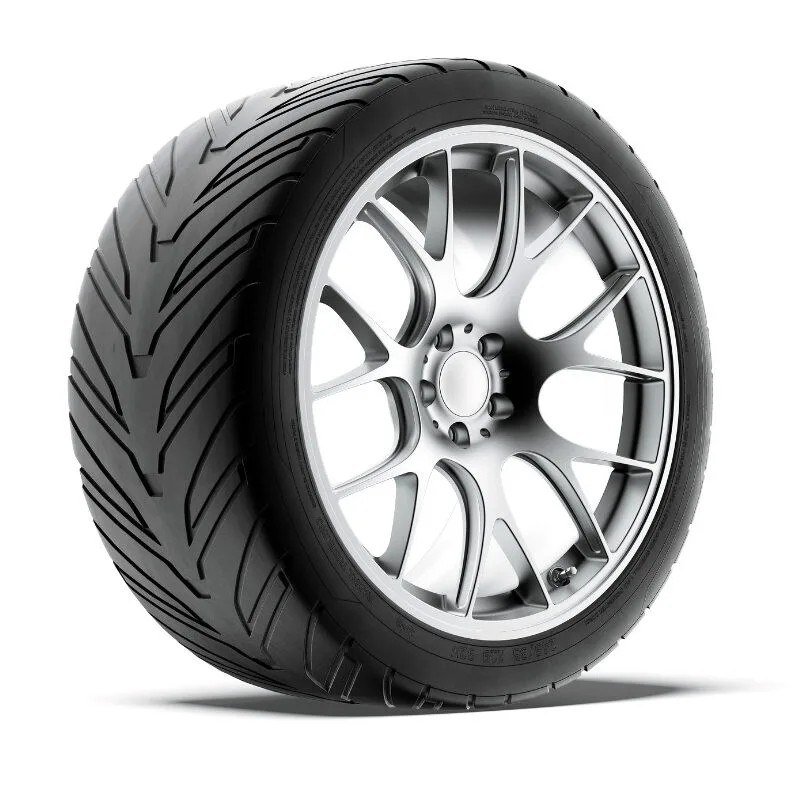
Clear, detailed specifications help suppliers provide accurate quotes and production timelines, and eliminate miscommunication later in the process.
Choose Right Material
Select the right material based on your vehicle type and performance requirements:
| Material Type | Primary Benefit | Common Application |
|---|---|---|
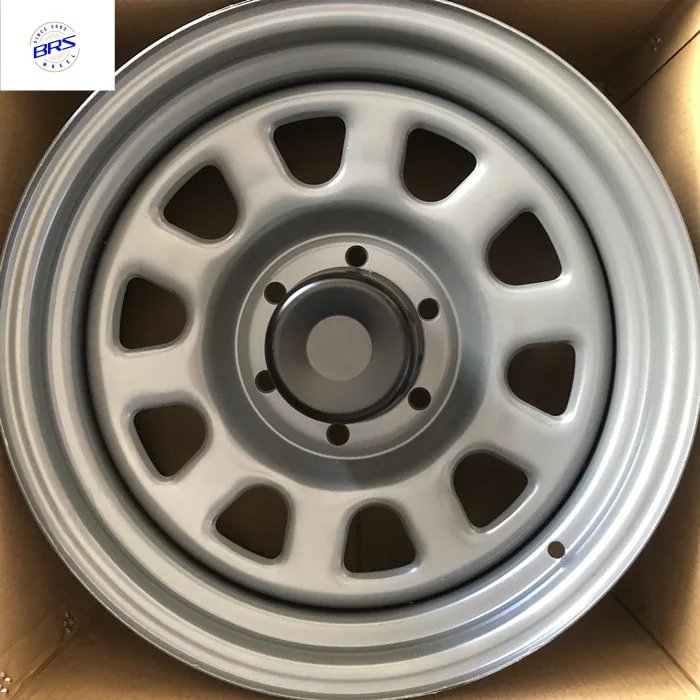
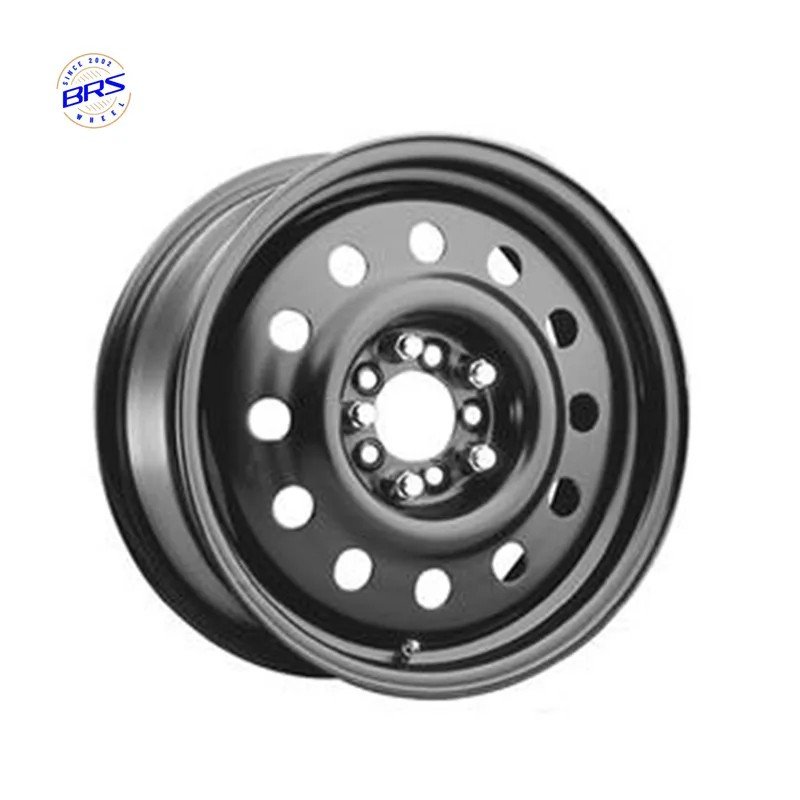
| Steel | High durability, low cost | Commercial vehicles, off-road, trailers |
| Cast Aluminum | Balanced weight and cost | Mass-market passenger cars |
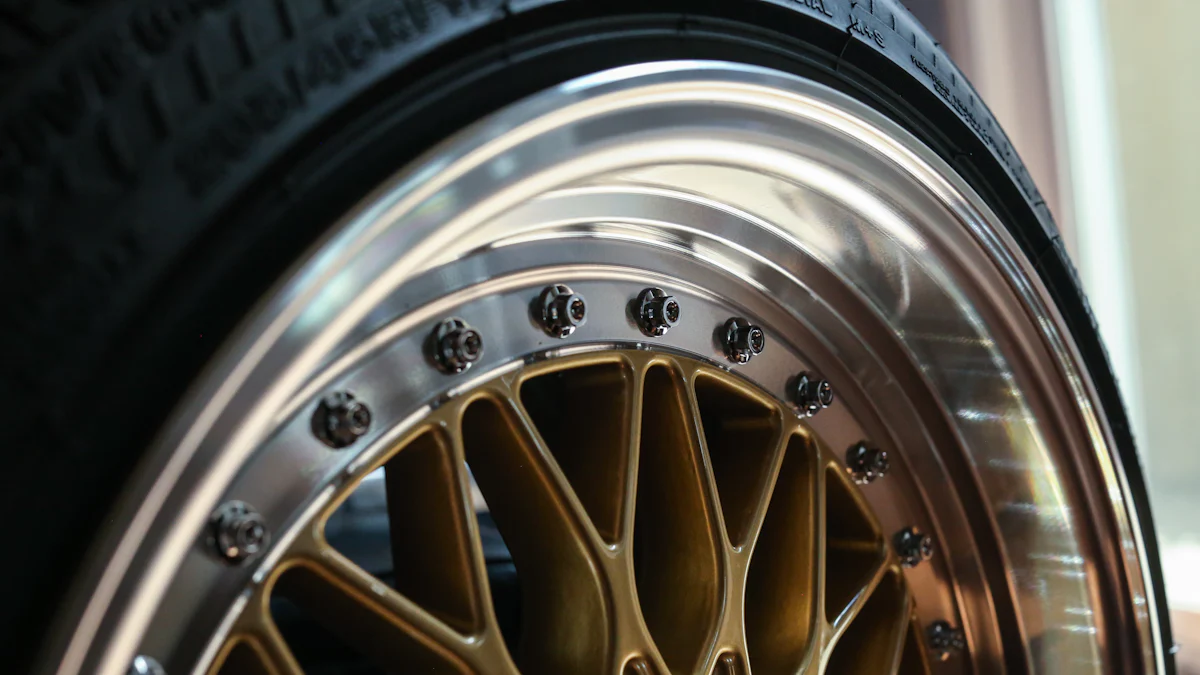
| Forged Aluminum | Maximum strength-to-weight ratio | High-performance sports cars, luxury vehicles |
Set Technical Performance Specifications
Document all dimensional and performance parameters upfront:
- Load rating: matched to your vehicle’s axle load requirements
- Dimensional specs: size, width, offset, PCD (bolt pattern), center bore
- Tolerance standards: precision fit prevents vibration issues at highway speeds
- Surface finish options: paint, powder coating, chrome, or custom designs
Confirm Budget
Align your order volume with supplier minimums to secure optimal pricing. Larger orders spread fixed setup and tooling costs across more units, reducing per-unit pricing significantly.
Source Manufacturers Through Trusted Channels
Use a mix of channels to compare suppliers and find the best fit for your project scale.
Direct Factory Partnerships
Working directly with a manufacturer eliminates middleman costs, enables full customizability, and creates more stable long-term supply chains. It also allows for direct technical communication to resolve issues quickly.
For reference, leading steel wheel manufacturer Ningbo BRS operates a 100,000 sqm production facility with an annual output of 4 million sets, supporting custom specs for passenger cars, trailers, off-road vehicles, and agricultural machinery.
Verified B2B Marketplaces
Global B2B platforms are useful for initial market research and fast comparison of multiple suppliers. Prioritize suppliers with “Verified Supplier” badges, which indicate third-party audits of business credentials and production facilities. Use these platforms for shortlisting, but always conduct further due diligence before placing orders.
Automotive Industry Trade Shows
Industry expos such as SEMA, Automechanika, and IAA offer face-to-face access to factory representatives, hands-on sample evaluation, and direct insight into new market trends. In-person meetings build trust faster than digital communication and accelerate deal negotiation for large projects.
Evaluate Wheel Manufacturer Certifications and Technical Capabilities
Quality and safety are non-negotiable for automotive wheels. Verify these core capabilities before moving forward with samples.
Verify Mandatory Safety Certifications
All wheel suppliers must meet regional regulatory standards. Look for these core certifications and verify their authenticity with official registration numbers:
| Certification Standard | Bending / Radial Fatigue Requirement | Impact Test Requirement |
|---|---|---|
| US DOT / SFI | 500,000 cycles with no new or propagating cracks | Zero structural cracking after controlled impact |
| Japan JWL | 500,000 cycles with full structural integrity | No structural damage after weighted drop test |
| Japan VIA | 2,000,000 test cycles with full strength retention | Full structural integrity after impact load |
| Germany TÜV | 1,000,000 cycles with no cracks, stable bolt torque | Zero air pressure loss for 1 minute post-impact |
Pro tip: Always request official test report numbers and cross-check them with issuing agency databases, rather than accepting verbal claims of certification.
Assess Engineering & Design Capabilities
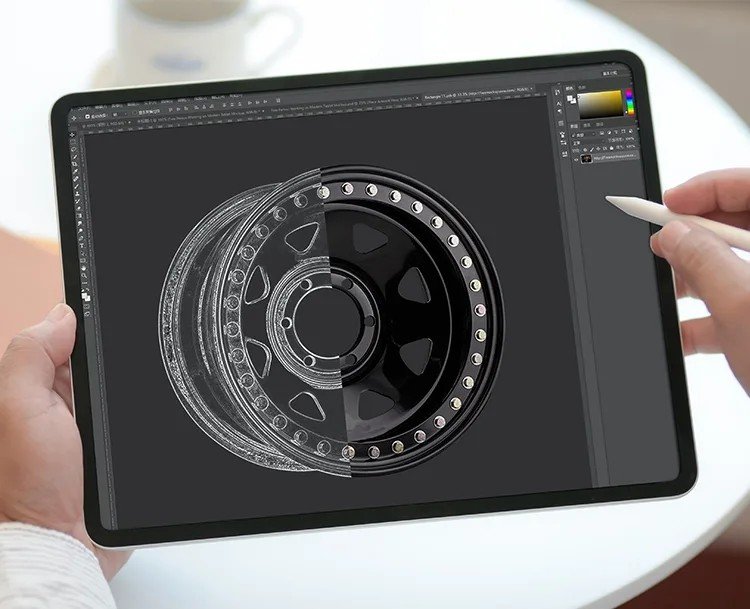
Top manufacturers use advanced engineering tools to optimize designs before production:
- 3D modeling and 2D technical drafting for precise dimensional control
- FEA (Finite Element Analysis) stress testing to map high-stress areas on spokes and hubs
- Virtual deformation and safety factor verification to identify design flaws before prototyping
- Pre-production risk reduction to cut tooling revision costs and speed up time to market
Evaluate Manufacturing Automation & Scale
Consistent quality depends on standardized, automated production processes. Look for:
- Robotic welding systems for repeatable, error-free weld quality
- Precision fixturing to ensure uniform part alignment
- Automated surface treatment lines for consistent coating quality
- Scalable production capacity to support both small batch and large volume orders
Validate Wheel Supplier Quality Through Samples and Audits
Never place a bulk order based solely on specifications or marketing materials. Validate performance through physical testing.
Request Prototype Samples
Order 1–5 pre-production samples to inspect:
- Dimensional accuracy and fitment compatibility with your hub
- Surface finish quality and coating adhesion
- Overall build quality and workmanship
Conduct Independent Performance Testing
Send samples to a third-party accredited lab for core performance tests:
- Radial fatigue testing to simulate long-term highway use
- Impact testing to verify resistance to pothole and road hazard damage
- Corrosion testing for salt spray and harsh environment durability
Perform On-Site or Third-Party Factory Audits
For large-volume OEM projects, conduct formal factory audits to verify:
- Raw material sourcing and quality control processes
- In-line production inspection protocols
- Final quality inspection standards
- Compliance with labor and environmental regulations
Evaluate Quotes and Partnering Terms with the Wheel Manufacturer
Compare total cost of ownership, not just unit price, to get the best long-term value.
Analyze MOQ & Tiered Pricing
Most manufacturers offer volume-based tiered pricing:
| Order Volume | Price Per Unit | Savings Level |
|---|---|---|
| 500 – 1,000 units | Standard base price | Baseline |
| 1,001 – 5,000 units | ~10% discount | Moderate savings |
| 5,000+ units | ~20% discount | Maximum savings |
Always calculate total landed cost, including tooling fees, packaging, shipping, and import duties, to make an apples-to-apples comparison between suppliers.
Confirm Production Lead Times
- Standard production lead times range from 3–6 weeks for existing designs
- Custom designs require 2–4 weeks of additional tooling and prototyping time
- Request weekly production status updates to avoid delivery delays, especially during peak manufacturing seasons
Finalize Warranty & Supply Agreements
Formalize all terms in a written agreement to reduce risk:
- Defect rate guarantees and replacement policies for faulty units
- Clear payment terms and milestone structures
- Confidentiality agreements for custom proprietary designs
- Long-term supply stability commitments for repeat orders
Conclusion
Finding a reliable wheel manufacturer requires structured due diligence — not just choosing the lowest quoted price. By starting with clear technical specifications, verifying official safety certifications, validating quality through independent testing, and negotiating fair partnership terms, you can build a long-term supply partnership that delivers consistent quality, on-time delivery, and competitive costs.
For high-volume OEM or commercial vehicle projects, prioritizing IATF 16949 certified manufacturers with automated production capabilities will minimize long-term operational risks and support stable business growth.
FAQ
What is the most important certification for a wheel manufacturer?
IATF 16949 is the global gold standard for automotive quality management systems, as it sets strict requirements for production processes, quality control, and continuous improvement. For regional regulatory compliance, look for DOT (US), JWL/VIA (Japan), and TÜV (EU) certifications to meet local market entry requirements.
How do I verify a manufacturer’s real production capacity?
Beyond reviewing stated capacity numbers, request recent production records, ask for client references in your industry, and arrange third-party factory audits. For large orders, you can also verify equipment scale, automation levels, and raw material stock levels during on-site visits.
What is the main difference between steel and forged aluminum wheels?
Steel wheels offer exceptional impact resistance and low upfront cost, making them ideal for commercial vehicles, trailers, and heavy off-road use. Forged aluminum wheels are significantly lighter with higher tensile strength, which improves vehicle handling and fuel efficiency, making them the preferred choice for high-performance and luxury applications.
What are the benefits of sourcing directly from a wheel manufacturer?
Direct factory sourcing eliminates middleman markup, allows for full customizability of specifications and surface finishes, enables faster technical communication, and creates more stable long-term supply partnerships. It also provides full transparency into production processes and quality control protocols.
What is a typical minimum order quantity for custom wheels?
MOQs vary by product type and manufacturer. Standard steel wheel designs typically have MOQs of 500–1,000 units, while custom forged aluminum wheels may have higher minimums due to higher tooling and setup costs. Many manufacturers offer flexible MOQ terms for long-term partnership agreements.