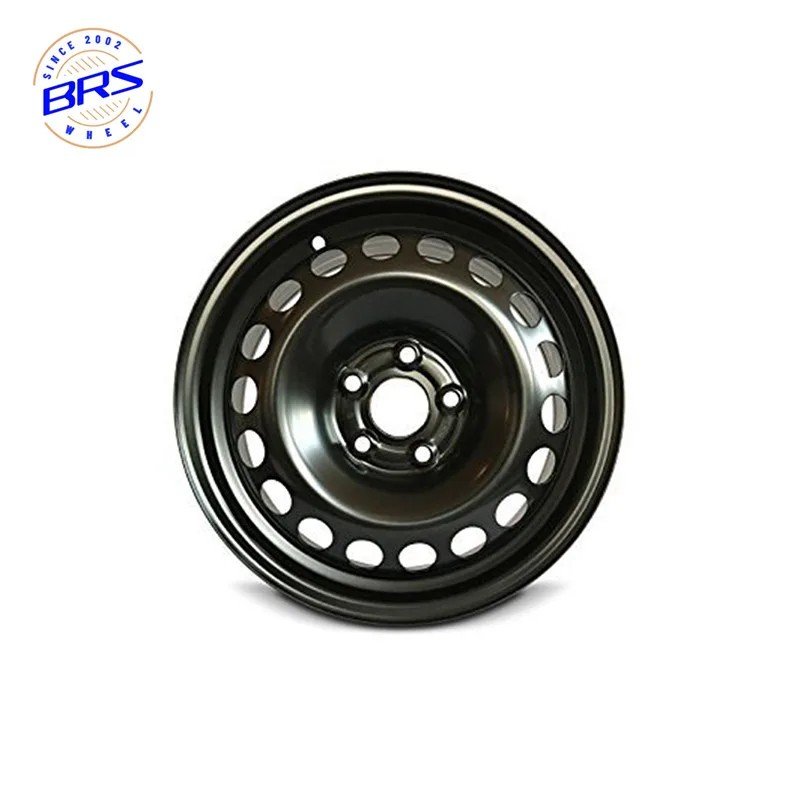
Yes, all properly manufactured steel wheels have official load ratings. A load rating is the maximum static weight a single wheel is engineered, tested, and certified to support safely. This figure applies per wheel, not to the entire vehicle, and reputable manufacturers validate every published rating through formal lab testing.
Load rating is one of the most critical specs to confirm before buying steel wheels, as it directly impacts safety and long-term durability. This guide explains what load ratings mean, how they are tested, where to find the rating stamped on a wheel, and how steel wheels compare to aluminum options for heavy-duty use.
Key Takeaways
- All quality steel wheels carry a per-wheel maximum static load rating verified through engineering and formal testing.
- The rating is stamped directly into the metal, usually near the hub, inner rim, or bead seat area.
- Always keep total vehicle weight (cargo, passengers, trailer tongue load) below the per-wheel rating for safe operation.
- Steel wheels offer high impact strength and easy repairability, making them ideal for heavy hauling and off-road use.
- Match wheel load capacity to your vehicle’s actual payload needs to prevent premature failure and safety risks.
What Is a Steel Wheel Load Rating?
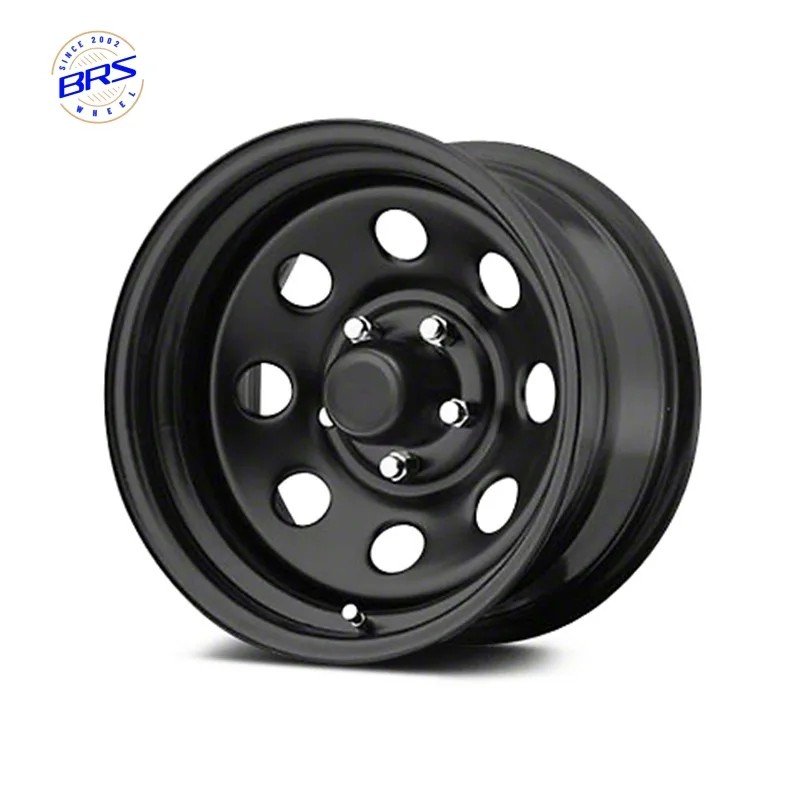
A load rating defines the maximum weight one wheel can safely support when the vehicle is stationary. The number is derived from engineering analysis and physical testing, not marketing estimates.
One important detail: the published rating is a static load limit. Driving adds dynamic forces from bumps, cornering, and road shock. Engineers build a safety margin into every rating to account for these real-world stresses, so the published figure is a safe working limit — not the absolute point of failure.
Load ratings apply across all vehicle types, including passenger cars, trailers, off-road vehicles, and farm equipment. Buyers should always treat the rated capacity as a firm upper limit, not a rough guideline.
How Steel Wheel Load Ratings Are Tested & Certified
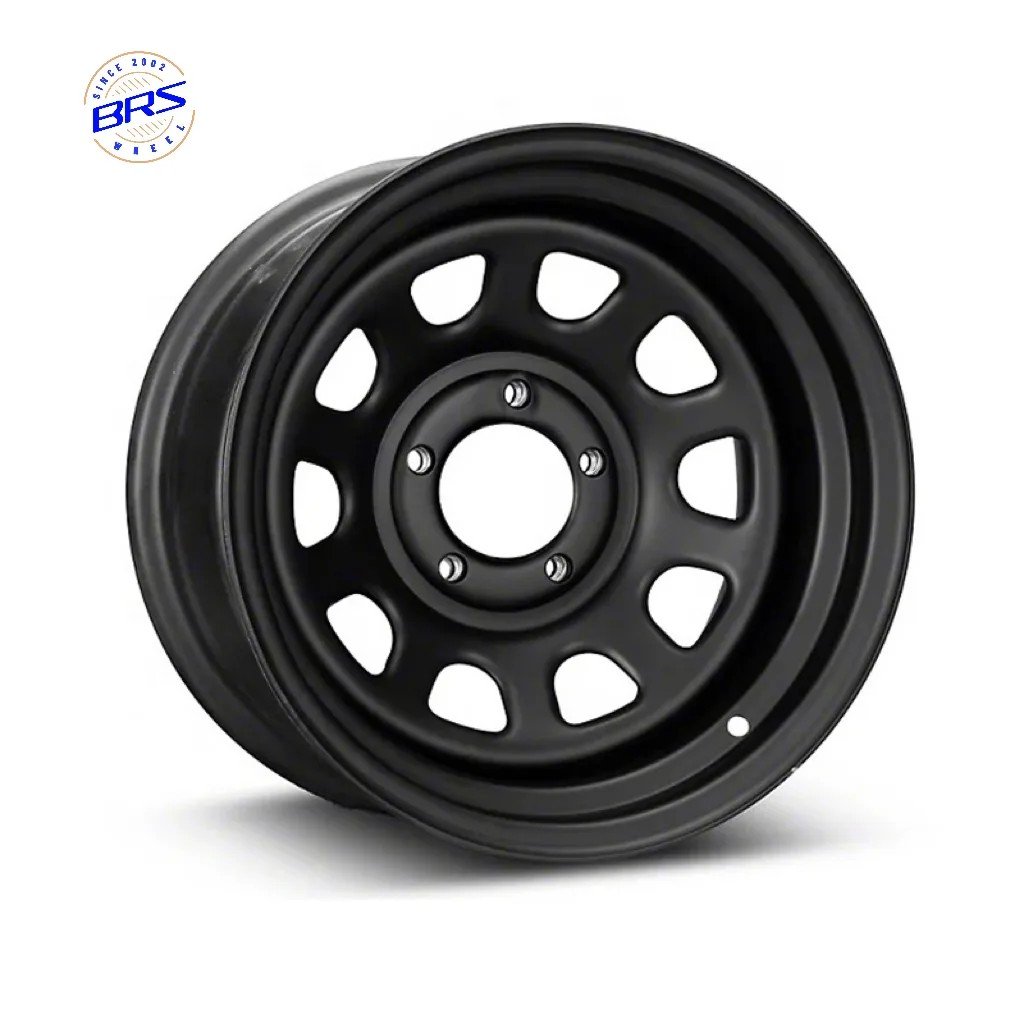
Responsible steel wheel manufacturers validate all load capacity claims through formal testing aligned with industry standards.
Internal Lab Testing
For example, BRS operates an in-house wheel testing lab under its IATF 16949 certified quality system. A team of 10+ engineers uses 2D, 3D, and CAE analysis to model wheel stress under load, then runs physical lab tests to confirm the wheel meets its claimed capacity before mass production. This ensures every rated wheel can withstand real-world stresses long term.
Industry Standards
Third-party and industry standards set universal testing criteria for wheel performance:
| Organization | Role | Standard / Certification |
|---|---|---|
| SAE International | Global transport engineering standards body | SAE J2530: aftermarket wheel performance, sampling, and testing requirements for passenger cars and light trucks |
| Japan Light Alloy Wheel Association | Industry standards group | JWL / JWL-T technical standards (primarily for light alloy wheels, but core testing principles apply to steel wheels) |
| Japan Vehicle Inspection Association | Independent third-party testing body | VIA Mark certification |
Important: Always rely on the manufacturer’s published data and the physical stamp on the wheel for accurate ratings. Generic online listings sometimes quote the lowest common figure across multiple sources, which can understate the actual capacity of a well-built steel wheel.
Where to Find & Read a Steel Wheel Load Rating
Manufacturers stamp load capacity directly into the wheel metal. The exact location varies by brand, so check these common spots:
- The center hub area near the bolt circle
- The inner face of the rim barrel
- The outer rim edge close to the bead seat
- The back side of the wheel (often hidden by dirt and brake dust; clean with a rag and use a flashlight)
How to Read the Rating Correctly
- Identify the number and unit: Most stamps list capacity in either pounds or kilograms, sometimes with a letter prefix or suffix. Always confirm the unit — a kilogram rating is roughly 2.2 times the same number in pounds, and mixing up units can lead to accidental overloading.
- Verify with the seller: Code formats vary by manufacturer, so never assume a stamp means the same thing across brands. If you are unsure, photograph the stamp and ask the seller to explain each part of the marking. Custom-marked wheels (such as BRS’s custom logo stamping service) follow the manufacturer’s own marking system, so seller confirmation is especially important.
- Calculate your actual load: Add up the total weight of the vehicle, cargo, passengers, and trailer tongue weight, then divide by the number of wheels. The result should sit comfortably below the per-wheel rating. Always leave extra safety margin if you tow or haul heavy loads regularly.
What Affects Steel Wheel Load Capacity?
Several design and material factors determine a wheel’s maximum safe load:
- Steel thickness: Thicker steel in the rim and hub resists bending better under heavy loads, increasing overall capacity.
- Material grade: Different steel grades are specified for different applications. For example, BRS uses B380CL, B500CL, HR60, and DP600 steel for passenger wheels, and N330 and N400 steel for off-road models, matched to the expected stress level of each use case.
- Wheel design: Features like beadlock reinforcements and hand-hole shaping change how stress distributes across the wheel. Some lightweight 10-hand-hole designs achieve the same load rating as heavier standard wheels, saving weight without sacrificing strength.
FAQ
Do steel wheels have load ratings like aluminum wheels?
Yes. Both steel and aluminum wheels are rated the same way, with a per-wheel maximum static weight set through engineering and testing. Steel is preferred for heavy-duty and off-road work, while aluminum is chosen for lighter weight. Both deserve the same careful rating check before purchase.
What happens if you exceed a wheel’s load rating?
Overloading subjects the wheel to stress beyond its design limits, which can lead to bending, cracking, or sudden failure — especially on rough roads. Always calculate your total loaded weight and keep it well below the per-wheel rating, with extra margin for dynamic road forces.
Do bigger steel wheels always have higher load ratings?
No. Diameter is only one factor. Steel thickness, material grade, and structural design have just as much impact on capacity. Some lightweight optimized designs match the load rating of heavier standard wheels of the same size.
Does the load rating cover towing and uneven loads?
The rating applies to static weight per wheel, and towing tongue weight and uneven cargo all count toward that limit. Unevenly stacked loads put extra weight on one side of the vehicle, so always divide total load by wheel count and leave a safety buffer.
How do I confirm a wheel’s load rating before buying?
Look for the stamped marking on the hub, rim edge, or back face of the wheel. Since marking formats vary by brand, ask the seller to explain the code and confirm the official rating. Reputable sellers will provide this information clearly.