
A 13X5.00-6 tire is designed to fit a 6-inch rim diameter and typically works best with a rim width of 3.5 to 4.5 inches. Selecting the correct rim size is essential for safe operation, optimal tire performance, and long service life. Whether you’re replacing a lawn and garden wheel, trailer wheel, or durable steel wheel, proper rim fitment ensures reliable traction and load-carrying performance.
Key Takeaways
- A 13X5.00-6 tire is engineered for a 6-inch diameter rim to meet industry safety and performance standards.
- Optimal rim width falls between 3.5 and 5 inches to provide proper tire support and maintain shape.
- Always measure rim diameter and width at the bead seat (not the outer edge) for accurate sizing.
- Correct rim sizing prevents premature tire wear, improves handling stability, and reduces safety risks.
- High-quality steel rims with certified manufacturing offer the most durable fit for utility and light-duty applications.
Understanding the 13X5.00-6 Tire Size Code
Before selecting a rim, it helps to decode what each number in the tire size represents. Each value corresponds to a critical dimension:
| Number | Dimension | Meaning |
|---|---|---|
| 13 | Tire diameter | The total outer height of the inflated tire, measured in inches |
| 5.00 | Tire width | The nominal width of the tire tread sidewall, measured in inches |
| 6 | Rim diameter | The inner diameter of the tire, which matches the required rim diameter in inches |
The final number (6) directly tells you the required rim diameter for a proper fit.
Exact Rim Size for a 13X5.00-6 Tire
Recommended Rim Diameter
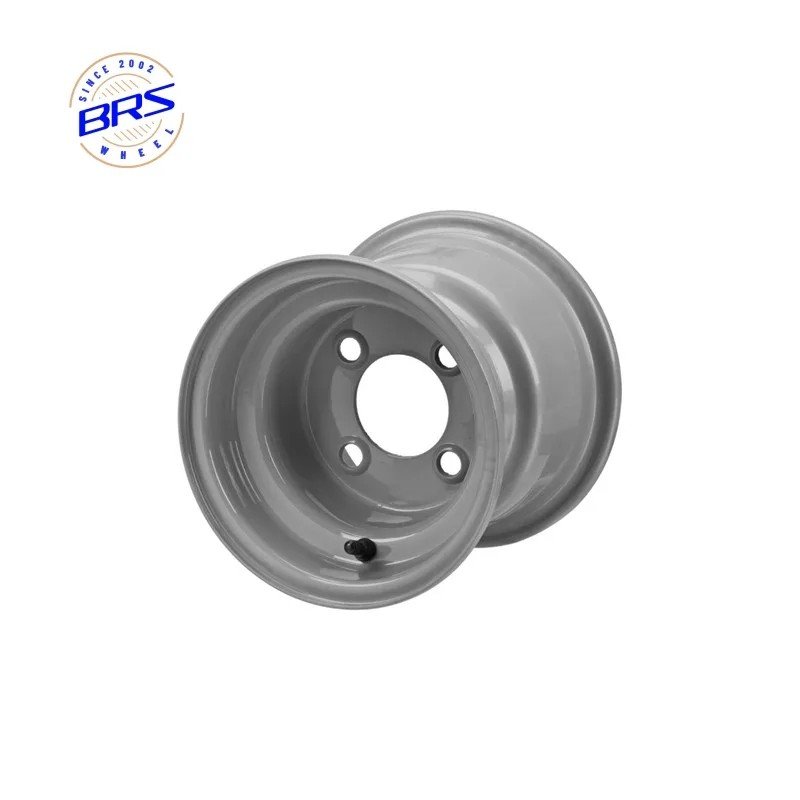
A 13X5.00-6 tire requires a 6-inch diameter rim. This is a non-negotiable specification: the tire bead is designed to seat securely on a 6-inch rim, and any other diameter will prevent proper mounting.
Using a rim with the wrong diameter will not only make installation impossible, but also creates major safety hazards — the tire can slip off the rim under load, lose air suddenly, or fail during operation.
Recommended Rim Width
For optimal performance, pair a 13X5.00-6 tire with a rim width between 3.5 inches and 5 inches. This range supports the tire sidewall properly, maintains the intended tread profile, and distributes weight evenly.
| Specification | Value |
|---|---|
| Tire Size | 13×5.00-6 |
| Required Rim Diameter | 6 inches |
| Ideal Rim Width Range | 3.5 – 5 inches |
| Common Mounted Width | 4.5 inches |
Most standard 6-inch rims for this tire size use a 3/4-inch or 1-inch axle bore, so always confirm your hub and axle dimensions before purchasing to ensure a smooth fit.
How Rim Width Affects Tire Performance
Rim width directly impacts how the tire performs and wears over time:
- Rim too narrow: The tire sidewalls bulge inward, creating a rounded tread profile. This reduces contact patch area, lowers traction, and causes uneven center tread wear.
- Rim too wide: The tire gets stretched outward, flattening the sidewall and stiffening the ride. This can lead to edge tread wear, reduced shock absorption, and a higher risk of sidewall damage from impacts.
A rim within the 3.5–5 inch range keeps the tire’s intended shape, delivers consistent traction, and maximizes tread life.
How to Correctly Measure a Rim
If you are unsure of your existing rim size, take measurements at the bead seat — the inner ledge where the tire bead sits — not at the outer edge of the rim flange.
Measure Rim Diameter
- Lay the rim flat on a level surface.
- Place a tape measure across the center of the rim.
- Measure from the inner bead seat on one side to the inner bead seat on the opposite side.
- For a 13X5.00-6 tire, this measurement should equal exactly 6 inches.
Measure Rim Width
- Keep the rim on a flat surface.
- Measure the distance between the two inner bead seats (the inside edges where the tire seals).
- Confirm the measurement falls within the 3.5–5 inch range for this tire size.
Pro Tip: Never measure from the outermost edges of the rim — this will give you an oversized reading and lead to wrong fitment.
How to Choose the Right Rim for Your Tire
Common Fitment Mistakes to Avoid
- Using a 7-inch rim on a 13X5.00-6 tire: This is not compatible. The 1-inch diameter mismatch prevents proper bead seating and creates an extreme safety risk.
- Guessing size instead of measuring: Rim markings can wear off over time. Always verify dimensions at the bead seat before mounting.
- Ignoring hub/axle fit: Even if the diameter and width are correct, a mismatched hub bore or bolt pattern will make the rim unusable.
- Skipping bead inspection: Rust, debris, or damage on the rim bead seat will prevent an airtight seal and cause slow air leaks.
Rim Buying Tips
When shopping for a 6-inch rim for your 13X5.00-6 tire, prioritize:
- Certified manufacturing: Look for products that meet industry quality standards (such as IATF 16949) to ensure structural durability.
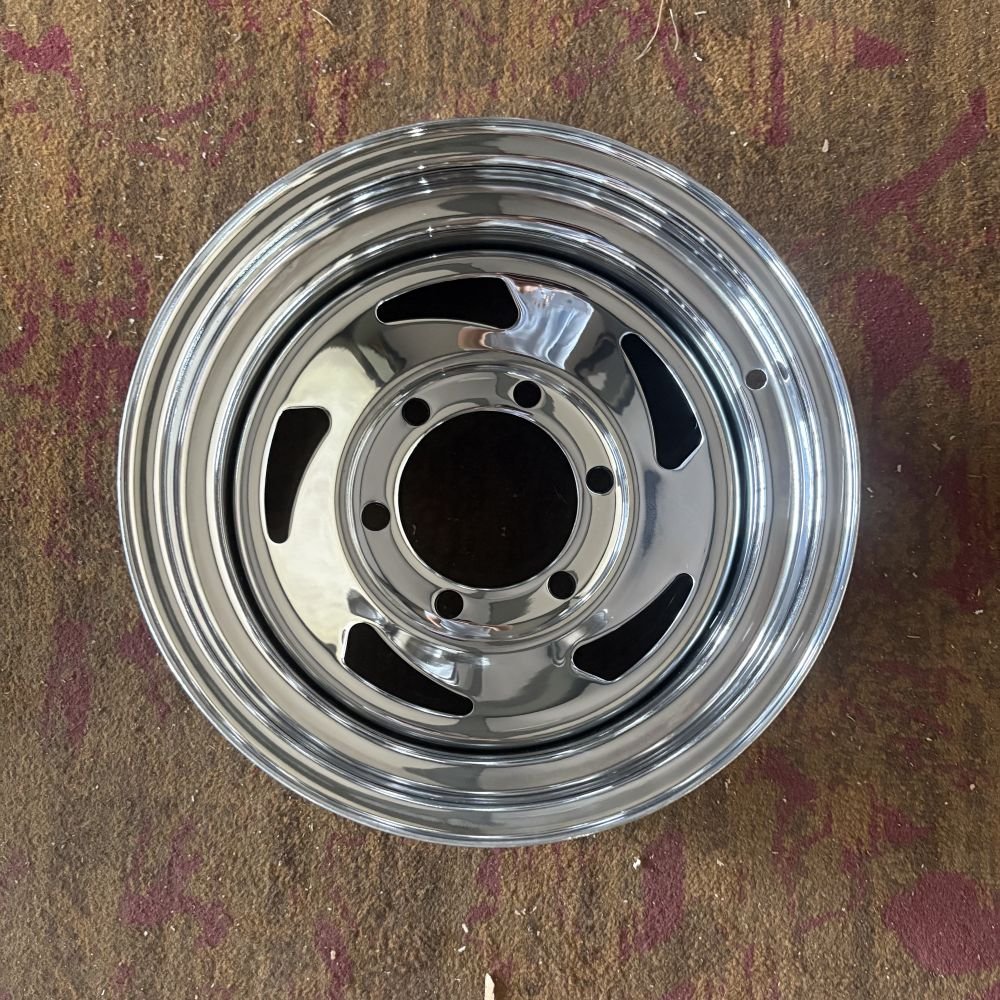
- Material match: Steel rims are the most common and durable choice for utility vehicles, lawn tractors, trailers, and light-duty equipment that use 13X5.00-6 tires.
- Custom options: Many suppliers offer standard and custom color finishes to match your equipment aesthetic.
- Load rating: Confirm the rim’s load capacity matches or exceeds the tire’s maximum load (typically around 400 lbs for this size).
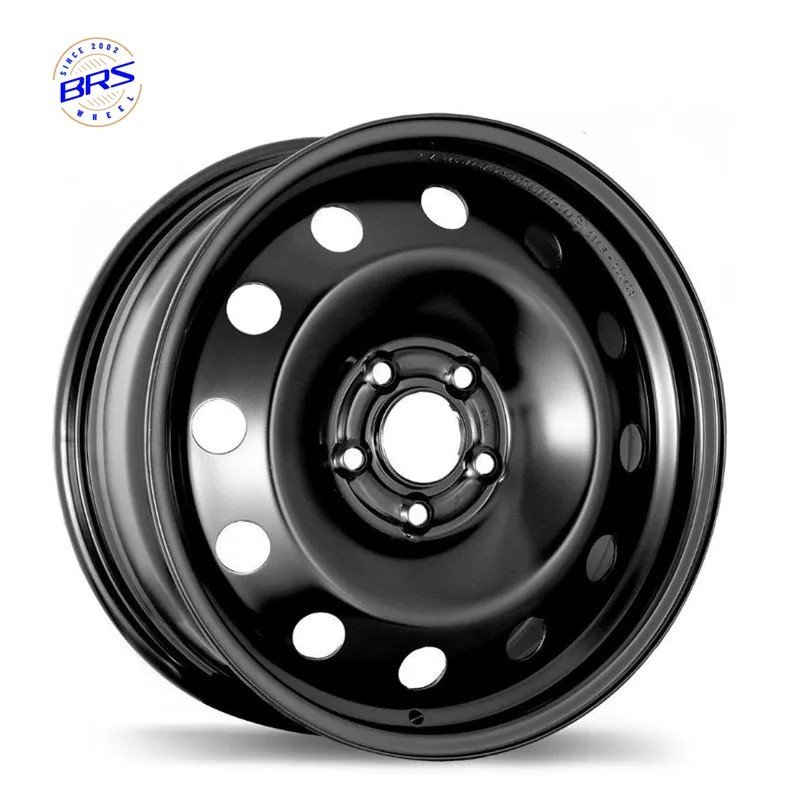
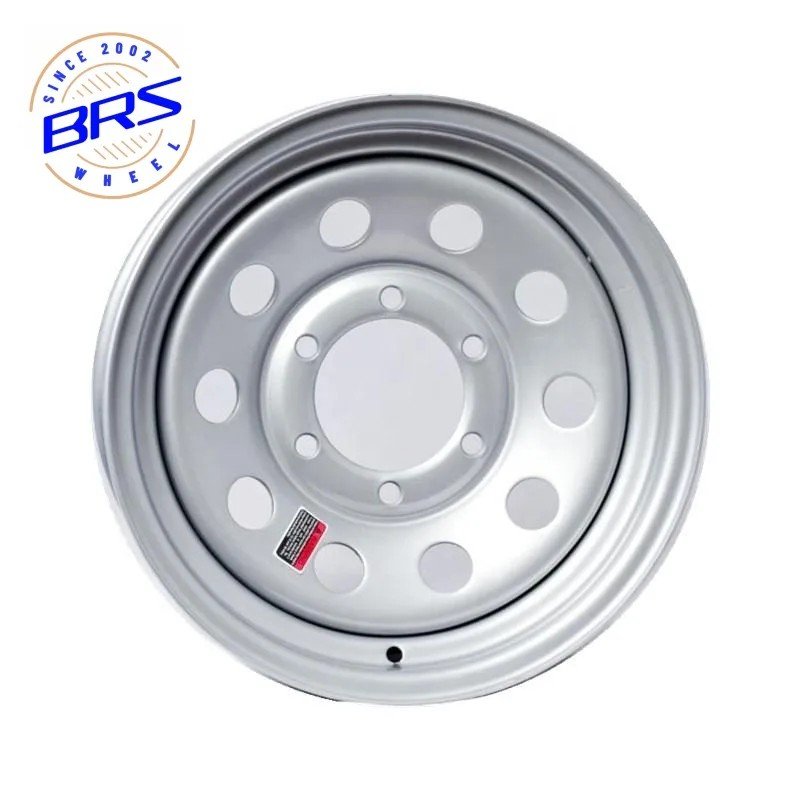
For reliable 6-inch steel rims, BRS offers a range of sizes from 6 to 18 inches with certified production quality and custom color options, making them a solid choice for consistent fit and durability.
Conclusion
For a 13X5.00-6 tire, a 6-inch diameter rim with a 3.5–5 inch width is the only correct fit. Taking the time to verify rim dimensions, check hub compatibility, and choose a quality manufactured rim will ensure safe operation, longer tire life, and reliable performance.
If you are unsure about fitment for your specific equipment, consult the tire manufacturer’s official spec sheet or a professional wheel and tire technician.
FAQ
What does 13X5.00-6 mean on a tire?
The three numbers represent tire outer diameter (13 inches), tire width (5.00 inches), and compatible rim diameter (6 inches) respectively.
Can a 13X5.00-6 tire fit on a 7-inch rim?
No. A 7-inch rim has a 1-inch larger diameter than the tire is designed for. The tire bead will not seat properly, leading to air leaks, tire failure, and serious safety hazards.
How do you measure rim width for a 13X5.00-6 tire?
Lay the rim flat and measure the distance between the inner bead seats (where the tire seals against the rim). Do not include the outer rim flanges in your measurement.
Why is rim width important for tire performance?
Correct rim width maintains the tire’s intended sidewall shape and tread profile. It ensures even weight distribution, consistent traction, and even tread wear. Wrong width leads to premature wear, poor handling, and reduced ride comfort.
Can I use a wider tire on a 6-inch rim?
Always check the tire manufacturer’s recommended rim width range. Stretching a tire beyond its specified rim width range compromises safety and shortens tire life.