
A 14×6 inch rim typically fits tire widths from 185mm to 215mm, with popular everyday choices including 185/60R14, 195/60R14, and 205/60R14. Among these, 185–205mm tires usually provide the best balance of handling, ride comfort, and rim compatibility for most passenger cars. Choosing the correct tire size ensures proper bead seating, stable sidewall support, predictable handling, and longer tire life.
Key Takeaways
- A 14×6 rim is best matched with 185–215mm tires, with common choices including 185/60R14, 195/60R14, and 205/60R14.
- 185mm tires prioritize comfort and efficiency, while 195–205mm sizes offer better grip and handling.
- Always check rim width, tire diameter, clearance, and load/speed ratings before installation.
- Avoid oversized tires that may cause bead issues, sidewall flex, or rubbing problems.
- A properly matched 14×6 steel wheel and tire combination from a reliable wheel manufacturer improves fitment accuracy, safety, handling stability, and long-term service life.
Recommended Tire Sizes for a 14×6 Rim
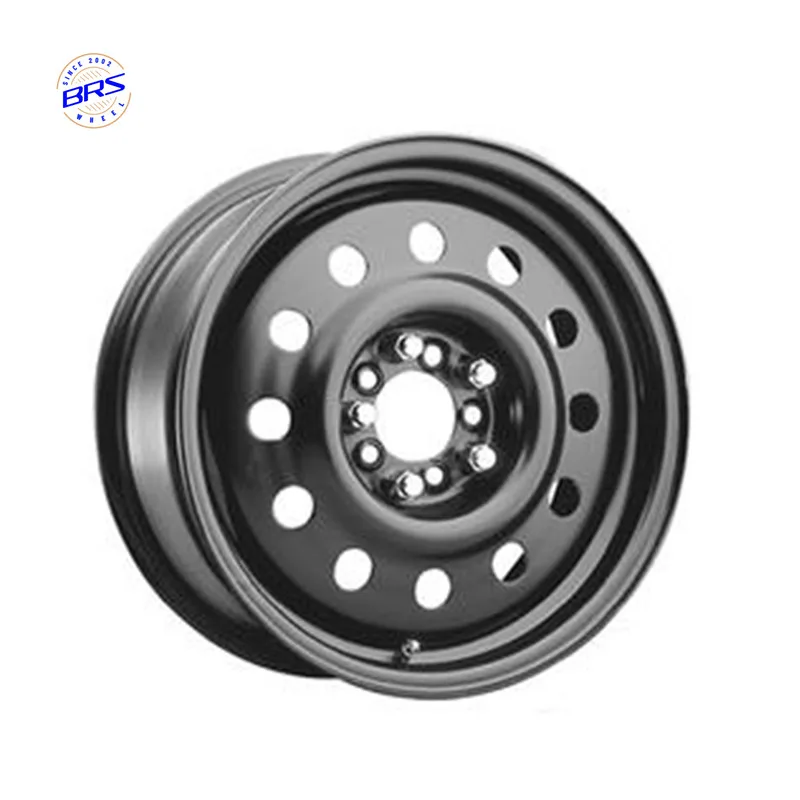
The ideal tire size for a 14×6 rim depends on your driving priorities, vehicle clearance, and intended use.
Size Comparison Chart
| Tire Size | Section Width | Sidewall Height | Overall Diameter | Best For |
|---|---|---|---|---|
| 185/55R14 | 185 mm | 101.8 mm | 22.0 in | Sporty handling, compact cars |
| 185/60R14 | 185 mm | 111.0 mm | 22.7 in | Balanced daily driving |
| 185/65R14 | 185 mm | 120.3 mm | 23.5 in | Comfort-focused commuting |
| 195/60R14 | 195 mm | 117.0 mm | 23.2 in | All-around performance upgrade |
| 205/60R14 | 205 mm | 123.0 mm | 23.7 in | Improved grip and stability |
| 215/60R14 | 215 mm | 129.0 mm | 24.2 in | Wider classic car applications |
Narrow & Efficient Daily Driver Sizes (185mm)
Narrower 185mm tires are among the most common choices for 14×6 rims, especially for compact cars and daily driving applications.
185/55R14:
Provides quick steering response and sharper handling due to its shorter sidewall. It works well for drivers who prefer a sportier feel.
185/60R14:
One of the most versatile choices for a 14×6 rim, offering a good balance of comfort, fuel efficiency, and handling.
185/65R14:
The taller sidewall improves ride comfort and absorbs bumps, making it suitable for daily commuting and rough roads.
Balanced Performance Upgrade: 195/60R14
The 195/60R14 is a popular upgrade option for a 14×6 rim. Its slightly wider tread improves cornering grip and stability while maintaining good ride comfort and everyday drivability.
It provides a noticeable handling improvement without the clearance issues often associated with wider tires.
Wider Performance Street Sizes (205mm)
For drivers looking for more traction, 205mm tires offer a good balance between width and compatibility.
205/60R14:
Improves dry grip and high-speed stability while maintaining a similar overall diameter to many factory setups.
205/70R14:
A taller profile commonly used on classic cars and vintage sedans where a larger tire appearance and smoother highway ride are preferred.
Upper Width Range: 215mm
A 215mm tire is near the upper practical limit for many 14×6 wheels. These sizes may work well on certain classic vehicles, but require careful checking of:
- Manufacturer-approved rim width range
- Fender clearance
- Suspension movement
- Tire sidewall behavior
Safety note: Avoid mounting 225mm or wider tires on a 14×6 rim unless specifically approved by the tire manufacturer. Excessive width can cause poor bead seating, increased sidewall flex, and reduced handling stability.
Key Fitment Factors for 14×6 Rim
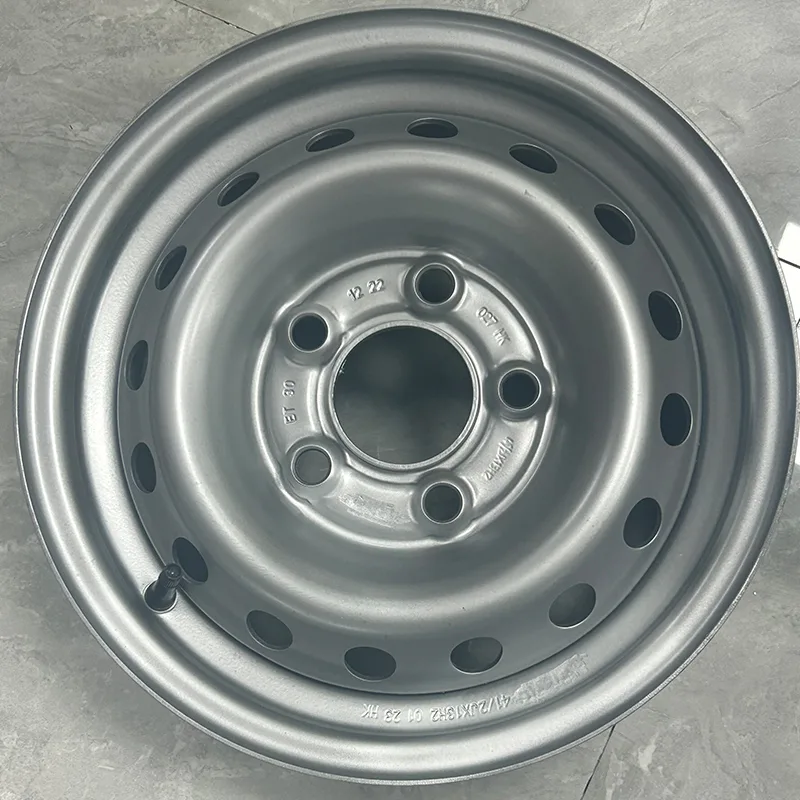
Rim Width Range
Every tire has a manufacturer-approved rim width range. Even if a tire physically fits a 14×6 wheel, it must fall within the approved range to ensure proper bead seating, handling stability, and safe operation.
- Correct rim width keeps the tire profile balanced and maintains predictable handling.
- An overly narrow rim can increase sidewall flex and reduce cornering stability.
- An overly wide rim can overstretch the sidewall and increase impact damage risk.
Always check the tire manufacturer’s approved rim width specifications before installation.
Overall Diameter
Changing tire size affects overall diameter, which can alter speedometer readings, odometer accuracy, and vehicle electronics calibration.
For most vehicles, keeping the new tire diameter within approximately ±3% of the original tire size helps maintain proper performance.
When comparing tire sizes, consider:
- Overall diameter change
- Sidewall height
- Vehicle suspension clearance
Fender & Suspension Clearance
Wider or taller tires may create clearance problems even when they fit the rim.
Always check clearance during:
- Full steering lock
- Suspension compression
- Normal driving over bumps
Common issues include:
- Wider tires contacting inner fender liners
- Taller sidewalls rubbing against fender lips
- Modified suspension reducing available clearance
Confirm sufficient clearance around the fender, suspension components, and inner wheel well before installation.
Load & Speed Rating
The tire’s load index and speed rating must meet or exceed your vehicle’s original equipment requirements.
Higher ratings can improve durability and stability, while using tires below the recommended specification may reduce safety, especially for heavier vehicles or highway driving.
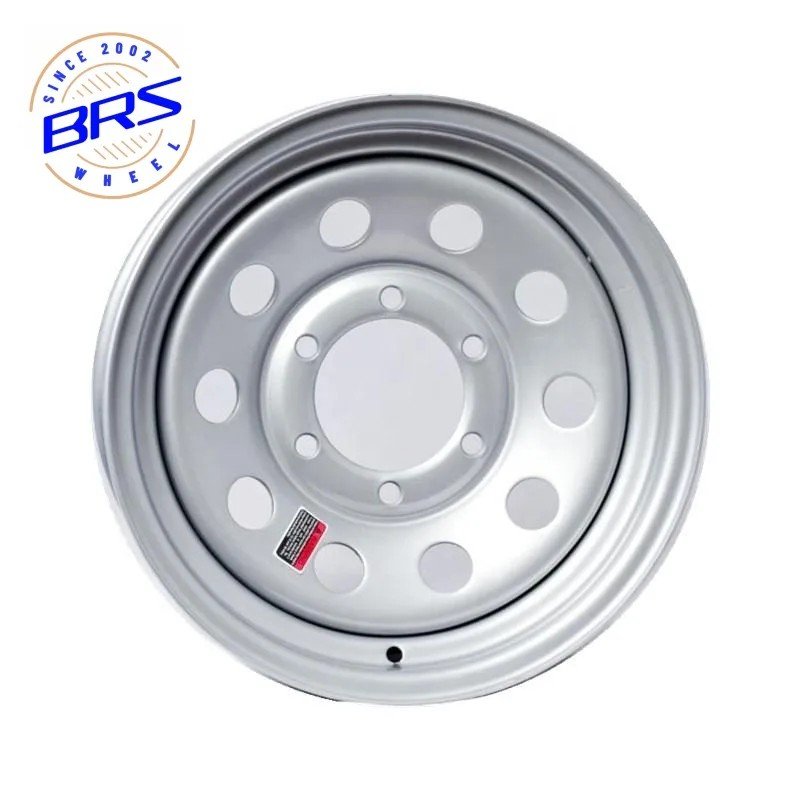
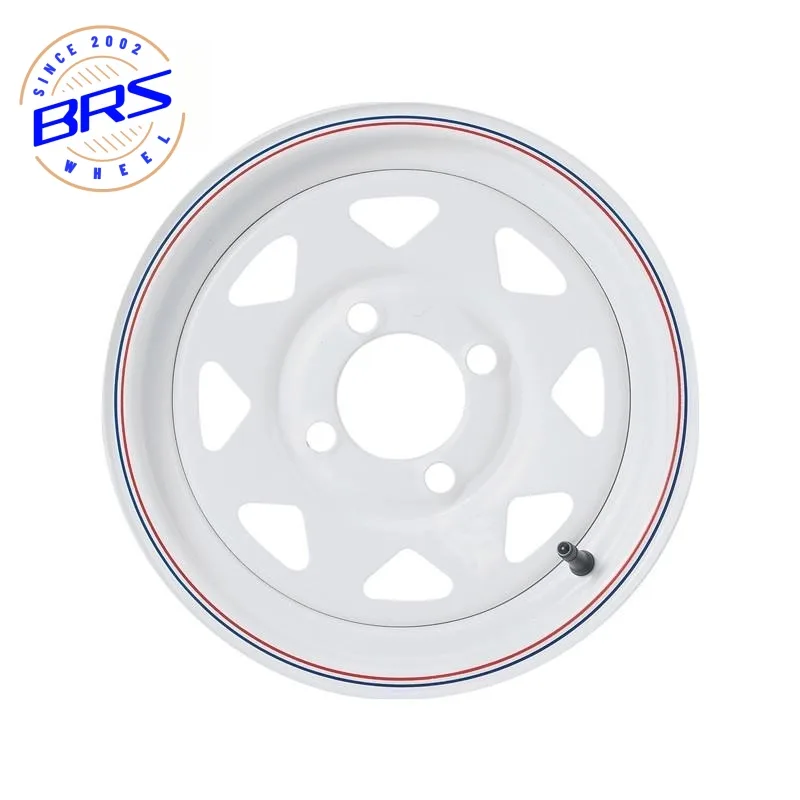
BRS 14×6 Steel Rims for OEM and Custom Applications
A high-quality 14×6 rim ensures proper tire mounting, stable handling, and reliable service life. BRS manufactures 14×6 steel rims using automotive-grade production processes compliant with IATF 16949 quality standards. With precise fitment, consistent rim dimensions, and durable construction, BRS rims are suitable for OEM replacement, classic vehicle restoration, and aftermarket tire upgrades.
FAQ
What is the best all-around tire size for a 14×6 rim?
For most passenger cars, 185/60R14 is the best all-around size. It delivers a balanced mix of comfort, fuel efficiency, and predictable handling, and fits perfectly on a 6-inch wide rim. For extra grip, step up to 195/60R14.
What is the widest tire you can put on a 14×6 rim?
215mm is the maximum safe width for a 6-inch wide 14-inch rim. Common sizes include 215/60R14 and 215/65R14. Sizes wider than 215mm cause excessive sidewall flex and create serious handling and safety risks.
Will a 205/60R14 fit on a 14×6 rim?
Yes, a 205/60R14 fits safely and properly on a 14×6 rim. The 6-inch wheel width falls within the tire’s approved mounting range, providing stable sidewall support and even tread wear.
Will changing tire size affect my speedometer?
Yes, any change in overall tire diameter will change speedometer accuracy. A difference of up to 3% is considered acceptable for most street use. Larger diameter tires will make the speedometer read slower than actual road speed.
Can I put wider tires on a stock 14×6 steel wheel?
Yes, you can safely run up to a 215mm wide tire on a stock 14×6 steel wheel. Always verify fender clearance and load rating before upgrading to a wider size.