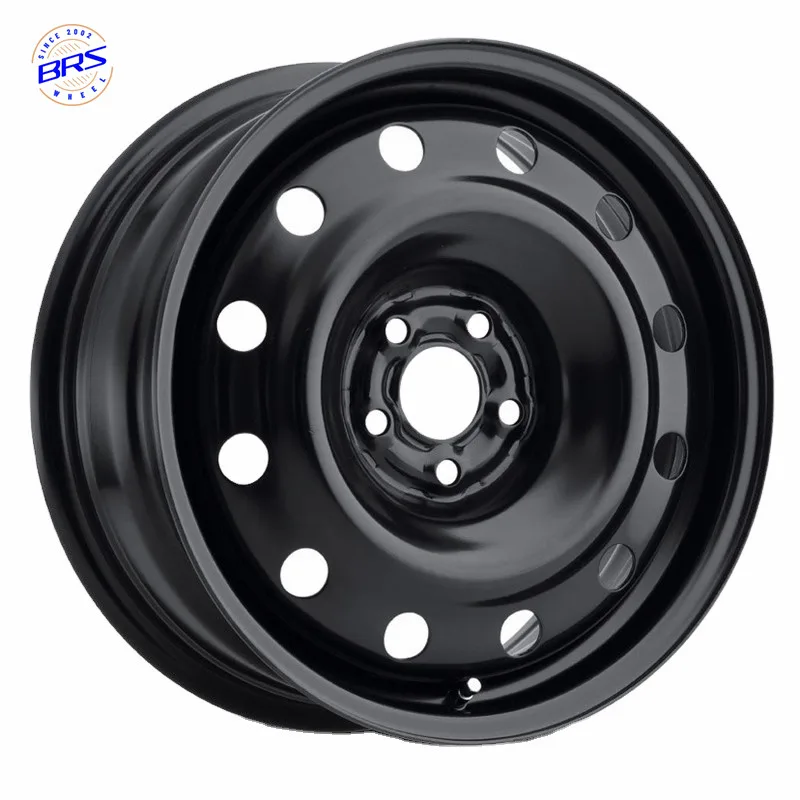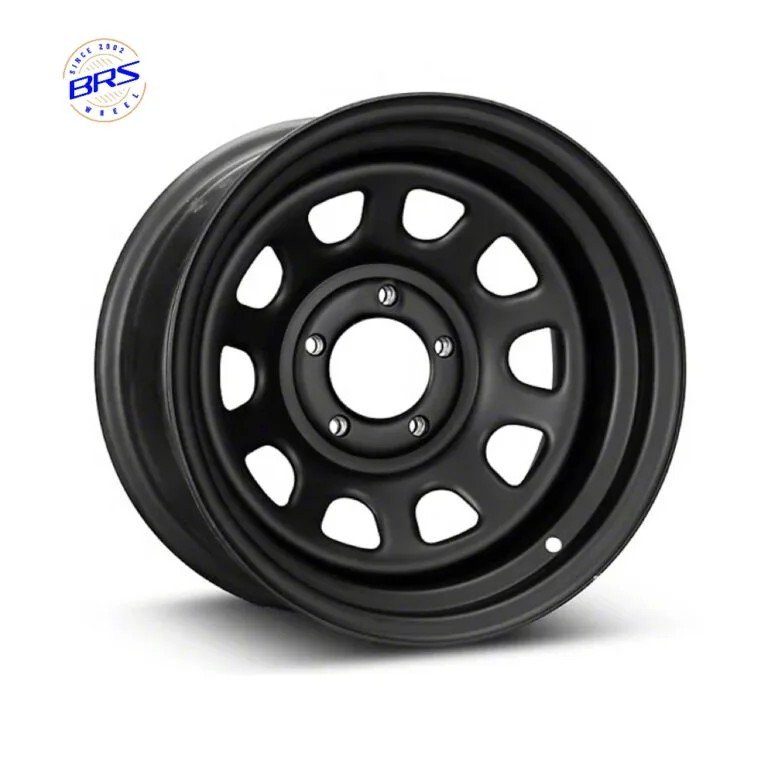
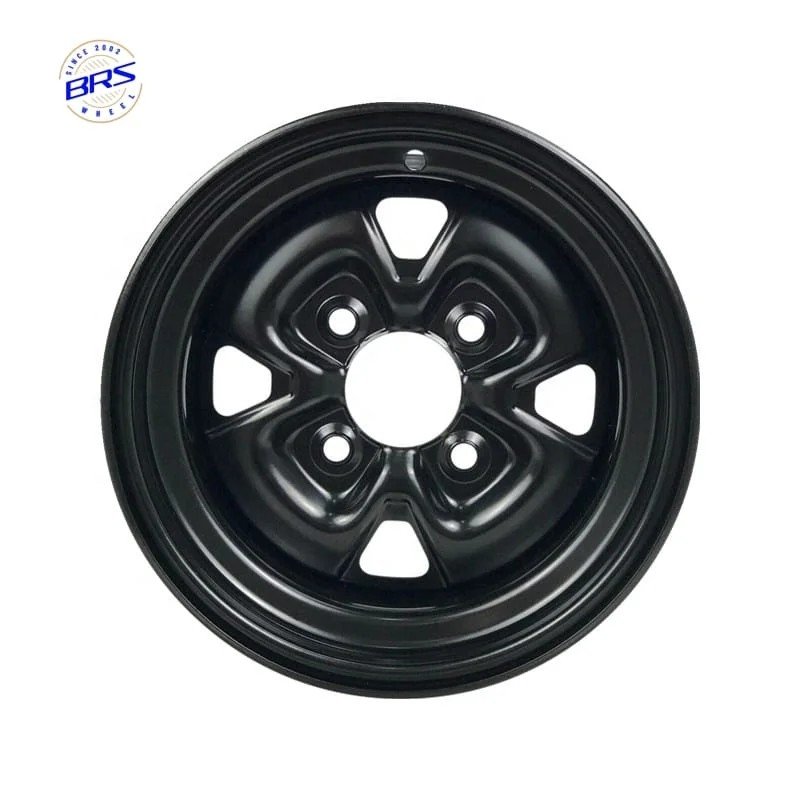
For full-size utility ATVs, 12-inch rims are one of the most common and widely used wheel sizes. You can see this in tire markings such as 25×8-12, where 25 indicates the tire’s overall diameter, 8 indicates its width, and 12 indicates the required rim diameter.
ATV rim sizes vary by vehicle type and application. Smaller youth and sport ATVs may use 8- or 10-inch rims, while some larger utility models use 14-inch or larger wheels. Choosing the correct ATV rim size ensures proper tire fitment and helps maintain handling, ground clearance, and overall riding stability.
Key Takeaways
- 12-inch rims are the industry standard for full-size adult utility and work-focused ATVs.
- Smaller 8-inch and 10-inch rims deliver lightweight, responsive steering for youth models and sport ATVs.
- Narrow front rims support smooth turning, while wider rear rims improve traction and load stability.
Why 12-Inch Rims Dominate Utility ATVs
12-inch rims are among the most common factory specifications for full-size adult utility ATVs. Their combination of durability, ride comfort, ground clearance, and compatibility makes them well suited to both work and general-purpose trail riding. Four key factors explain why 12-inch rims have become a popular choice for utility ATVs:
- Balanced ride quality: The 12-inch diameter allows for a tall, flexible tire sidewall that absorbs impacts from rough trails, rocks, and uneven farm ground. This cushioning effect protects drivetrain components from vibration and shock during heavy use.
- Off-road traction: Adequate sidewall height helps tires float over soft mud, loose gravel, and uneven terrain, reducing the risk of getting stuck in soft conditions.
- Broad tire compatibility: As the most common size, 12-inch rims support the widest selection of replacement tire tread patterns and compounds on the market. Owners can easily source tires for work, trail, or mud use without specialty ordering.
- Simple service: Standard 12-inch rims work with conventional tire bead designs, allowing for quick tire swaps and repairs with basic shop tools, which minimizes downtime on farms and job sites.
Common ATV Rim Sizes by Vehicle Type
Beyond the 12-inch standard, rim sizes are tailored to vehicle class and intended use. Below are the most common size categories and their applications.
8–10 Inch Rims: Youth & Sport ATVs
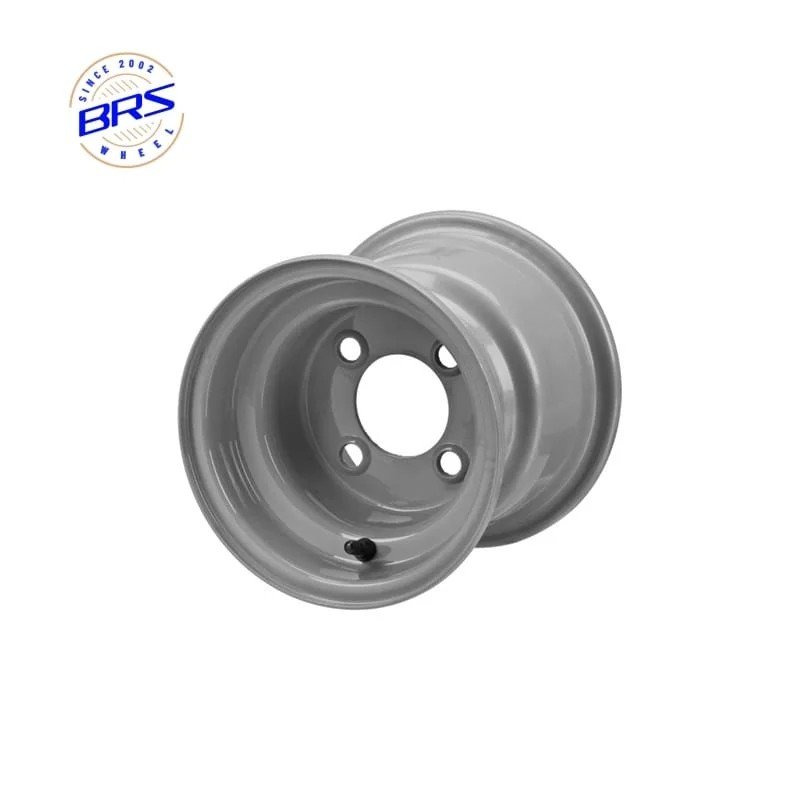
Smaller 8-inch and 10-inch rims are standard on youth ATVs and lightweight sport/racing models.
- Reduced unsprung weight: Smaller, lighter rims lower rotational mass, enabling faster acceleration, sharper steering, and more responsive handling on dirt tracks and technical trails.
- Impact absorption: The smaller wheel diameter leaves room for thicker tire sidewalls, which cushion impacts from jumps and rough terrain to protect frame and suspension components.
- Lower center of gravity: For youth models, smaller wheels reduce overall seat height and lower the vehicle’s center of gravity, improving stability and reducing rollover risk for younger riders.
12-Inch Rims: Utility & General-Purpose ATVs
12-inch rims remain the benchmark for adult work and recreational utility ATVs. Their biggest advantage is widespread aftermarket support: owners have access to a massive range of tire options, replacement parts, and service support across most regions.
14–16 Inch Rims: UTVs & Heavy-Duty Work Vehicles
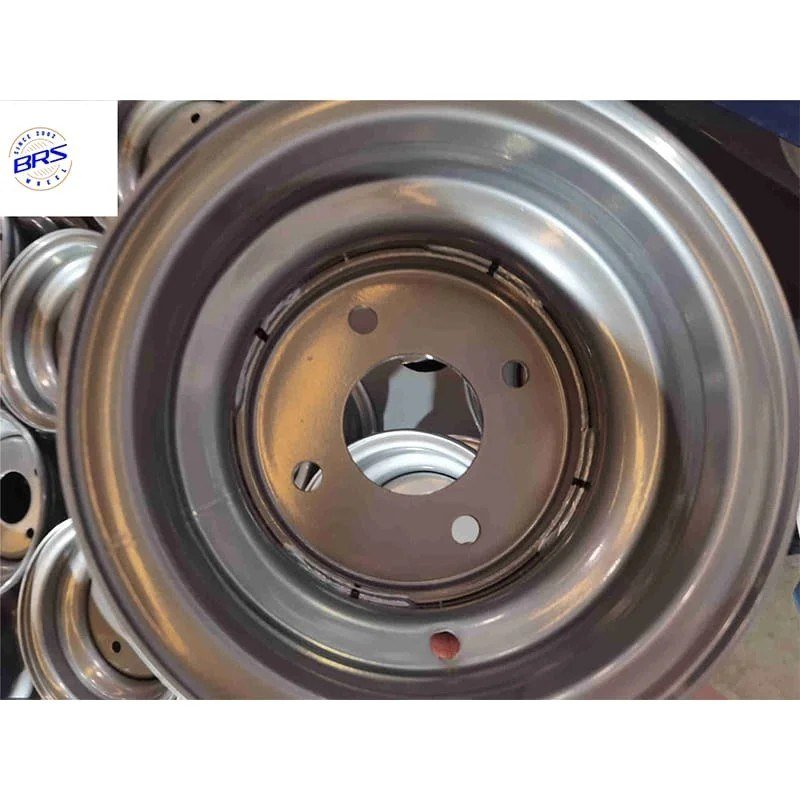
Larger 14-inch to 16-inch rims are primarily used on modern side-by-side (UTV) vehicles and heavy-duty work ATVs built for heavy hauling.
- Component clearance: Larger wheel diameters accommodate bigger brake calipers, heavy-duty suspension links, and upgraded steering components found on high-horsepower utility vehicles.
- Sidewall stiffness: Larger rims reduce tire sidewall height, creating a stiffer sidewall that resists flex during hard cornering and heavy loads. This improves handling stability when carrying cargo or towing trailers.
- Reduced mud buildup: Larger wheel openings reduce the chance of mud and debris packing inside the rim and interfering with steering or brake components.
Why ATV Front and Rear Rims Have Different Widths
Nearly all factory ATVs use staggered rim widths — narrower on the front, wider on the rear — to optimize both steering feel and traction.
Front Rims: Narrow for Steering Control
Narrow front rims and tires reduce the contact patch with the ground, lowering steering effort and preventing harsh kickback through the handlebars on rough terrain. This allows riders to navigate tight trails and technical terrain with less arm fatigue, and improves tracking on slippery surfaces like mud and loose gravel.
Rear Rims: Wide for Traction & Load Capacity
Wider rear rims support wider tires, which create a larger contact patch to maximize forward traction. This is critical for hauling heavy cargo, towing, and climbing steep or loose terrain. Wider rear wheels also distribute vehicle weight more evenly, reducing soil compaction and improving floatation over soft ground.
This staggered design balances maneuverability and performance without compromising stability or drivetrain durability.
FAQ
What is the most common rim size for utility ATVs?
12-inch rims are the standard factory specification on nearly all full-size adult utility ATVs. This size offers an ideal balance of ride quality, durability, and aftermarket tire availability.
How do you measure an ATV bolt pattern?
For a 4-lug pattern, measure the center-to-center distance between two opposite bolt holes directly across the hub. A 4x110mm pattern, for example, means four lugs spaced on a 110mm diameter circle. Always verify the exact specification before purchasing new rims.
Can you put 14-inch wheels on a standard ATV?
14-inch wheels can be installed on an ATV if there is sufficient clearance in the fender wells and suspension travel. Larger rims improve brake clearance and reduce sidewall flex for firmer handling, but you must confirm no rubbing occurs at full steering lock and full suspension compression.
Why do ATVs have different width front and rear rims?
Narrow front rims reduce steering effort and improve maneuverability on tight trails, while wider rear rims maximize traction for acceleration, hauling, and climbing. This staggered design balances handling comfort and off-road performance.
Final Thoughts
While 12-inch rims remain the universal standard for adult utility ATVs, the right rim size for your vehicle depends on your riding style, load requirements, and vehicle class. From lightweight 8-inch sport rims to heavy-duty 16-inch UTV wheels, each size is engineered for specific performance goals.