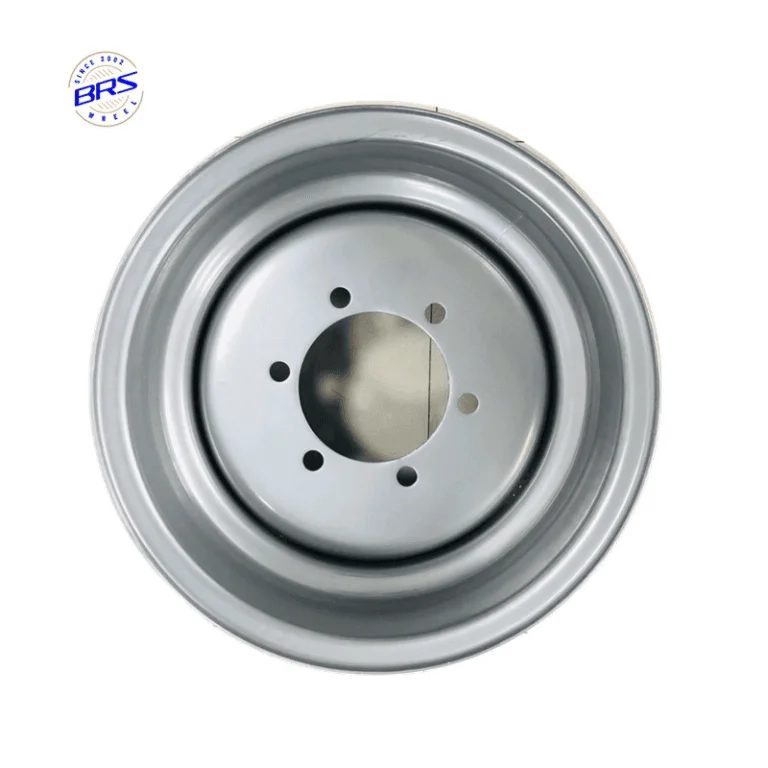
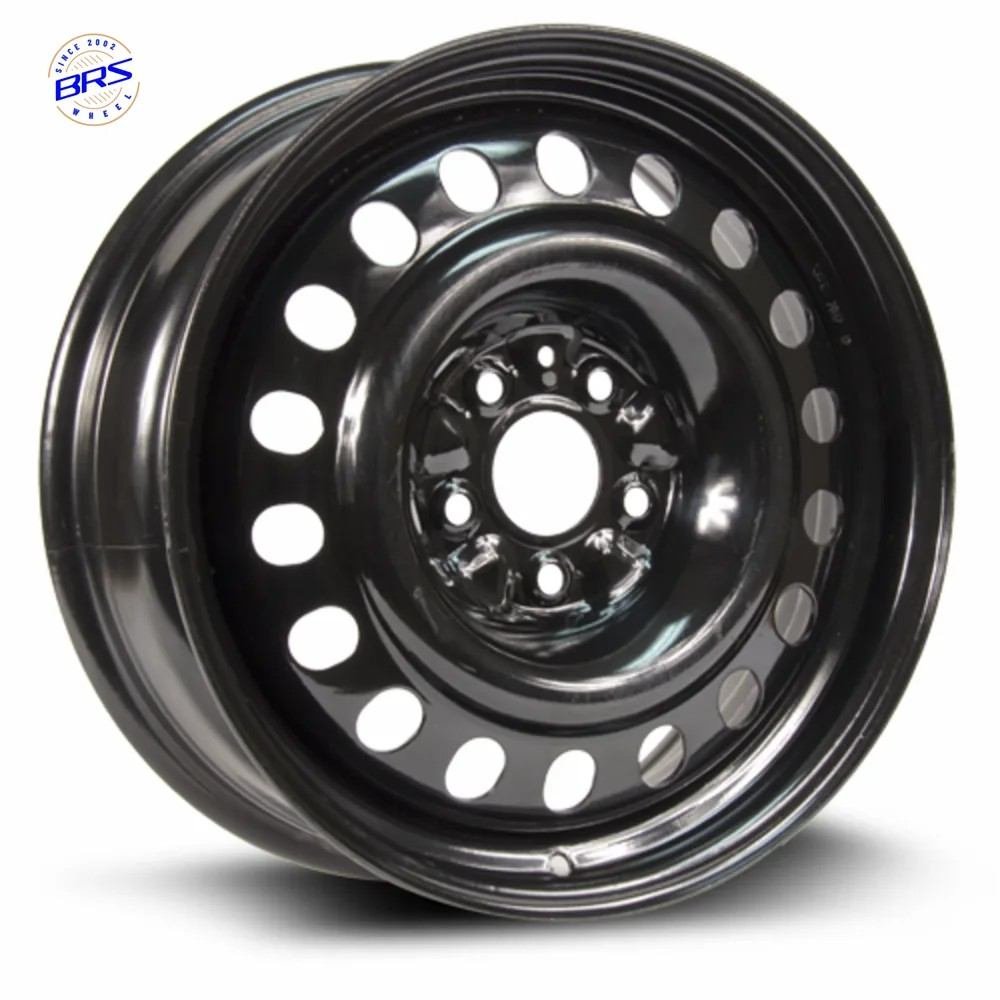

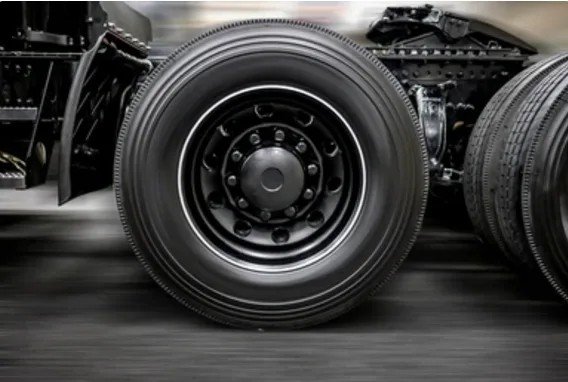
The most common bolt patterns (pitch circle diameter, or PCD) for European trailer wheels are 4×100 for light-duty trailers, and 5×112 for caravans and medium-duty setups. Heavier commercial and heavy-haul trailers typically use 5×140 and 5×160 patterns, while the 4×115 specification is the standard French regional variant.
A correct PCD match ensures the wheel sits perfectly centered on the hub and every stud carries an equal share of the load. A mismatch will either prevent mounting entirely or cause dangerous vibration and uneven stud stress. This guide covers all common European trailer bolt patterns, how to measure PCD correctly, and the full fitment checklist to verify before ordering replacement wheels.
Key Takeaways
- 4×100 is the most widespread pattern for light European trailers, and 5×112 is standard for caravans and medium-duty setups.
- Heavy-duty trailers use 5×140 or 5×160 PCD, while 4×115 is the official French regional trailer bolt pattern.
- Always verify full fitment — PCD, centre bore, bolt seat type, and load rating — before ordering wheels.
- For 4-stud hubs, measure straight across opposite studs to get PCD directly. For 5-stud hubs, measure to the second-nearest stud and multiply by 1.051.
- Never rely on visual checks to distinguish 4×100 from 4×115; always measure stud spacing and cross-reference with centre bore size.
What Is PCD (Pitch Circle Diameter)?
PCD (short for pitch circle diameter, also called bolt circle diameter) describes the diameter of the imaginary circle that passes through the center of every stud hole on a wheel hub.
Trailer wheel PCD is written in a standard stud count × diameter format, with diameter measured in millimeters. For example, a 5×112 wheel has 5 stud holes spaced on a 112mm circle, and a 4×100 wheel has 4 holes on a 100mm circle. This code appears on wheel stampings, product listings, and trailer manuals across Europe.
Stud count is the first check for compatibility — a 4-stud hub will never fit a 5-stud wheel. But matching stud count alone is not enough: two wheels can share the same stud count and have completely different PCD values. Both numbers must align for a safe fit.
Common European Trailer Wheel Bolt Patterns
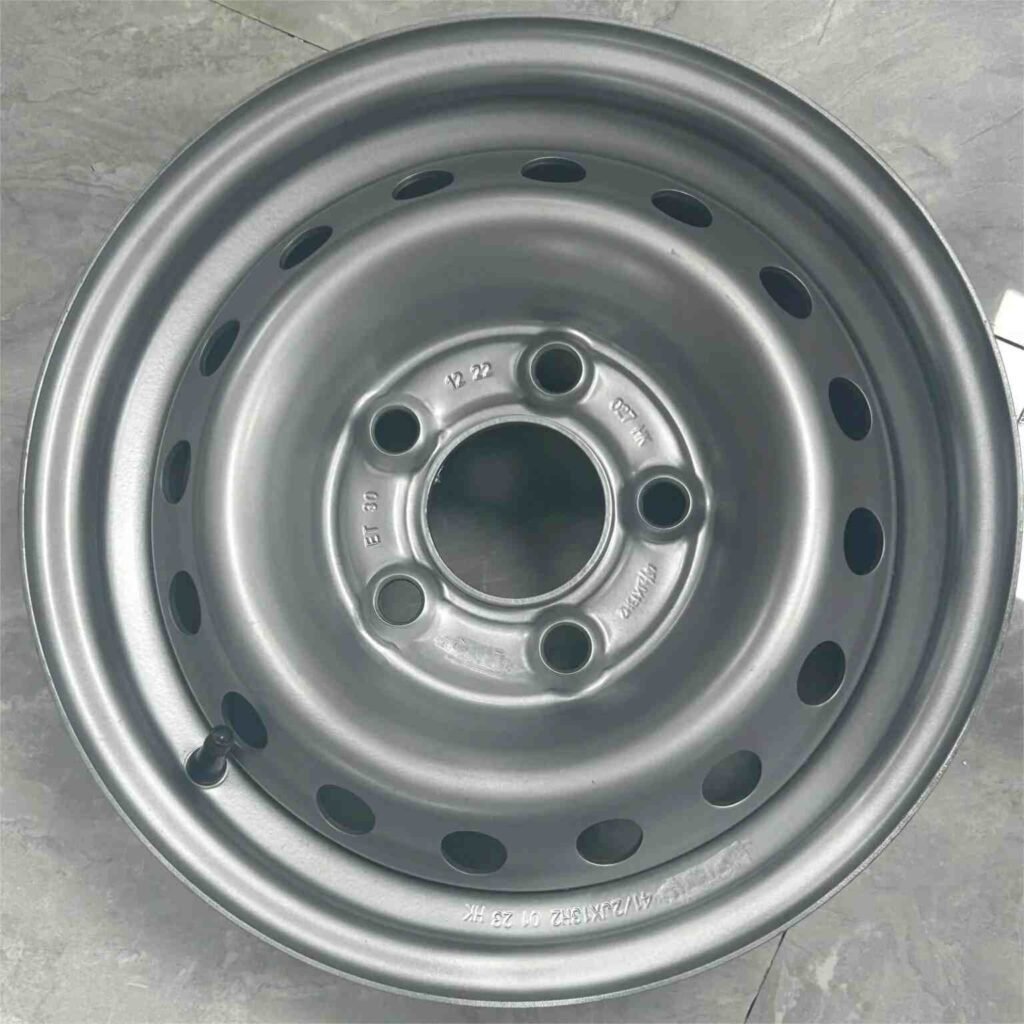
Five PCD specifications dominate the European trailer market, each aligned to a specific load class and use case:
| Bolt Pattern (PCD) | Load Class | Typical Applications |
|---|---|---|
| 4×100 | Light-duty | Small utility trailers, motorcycle trailers, compact camping trailers (the most common light trailer pattern Europe-wide) |
| 5×112 | Medium-duty | Caravans, medium camping trailers, horse floats |
| 5×140 | Heavy-duty | Commercial medium trailers, construction equipment haulers |
| 5×160 | Extra heavy-duty | Large commercial trailers, heavy goods haulage |
| 4×115 | Regional standard | Light and medium trailers built to French domestic specifications |
As a wheel manufacturer, BRS supplies European trailer wheels in all four mainstream patterns (4×100, 5×112, 5×140, and 5×160) across 10- to 16-inch sizes, with steel, electroplated, powder-coated, and painted finishes to suit dry storage, damp, and outdoor applications.
Full Trailer Wheel Fitment Checklist
A matching bolt pattern is required but not sufficient for safe installation. Three additional dimensions must align for a proper, road-safe fit:
- Centre bore: The large central hole must match the hub pilot diameter exactly. An oversize bore forces the studs to bear all centering load, causing vibration at speed and premature stud wear; an undersize bore will not seat over the hub at all.
- Bolt seat type: Wheels are machined for cone (tapered), ball (radius), or flat seat fasteners. A mismatched seat will not clamp evenly, leading to loose wheels and elongated stud holes over time.
- Load rating: Wheels must be rated for the trailer’s maximum gross weight. Passenger car wheels often have visually similar bolt patterns, but their lower load ratings are unsuitable for trailer duty.
How to Measure Trailer Wheel Bolt Pattern
Always reference documentation first when possible. Most steel trailer wheels have the PCD stamped into the outer face near the hub, and the original trailer manual will list the factory hub specification. Two matching sources confirm the pattern without needing physical measurement.
If stamping is worn away or the manual is missing, measure manually with the following methods. For highest accuracy, use a caliper instead of a tape measure.
4-stud wheels
- Clean the hub face to clearly see the center of each stud.
- Measure the distance from the center of one stud to the center of the stud directly opposite it.
- This reading equals the full PCD. A value near 100mm confirms a 4×100 pattern; ~115mm indicates the French 4×115 standard. A reading of ~101.6mm indicates an imperial specification.
5-stud wheels
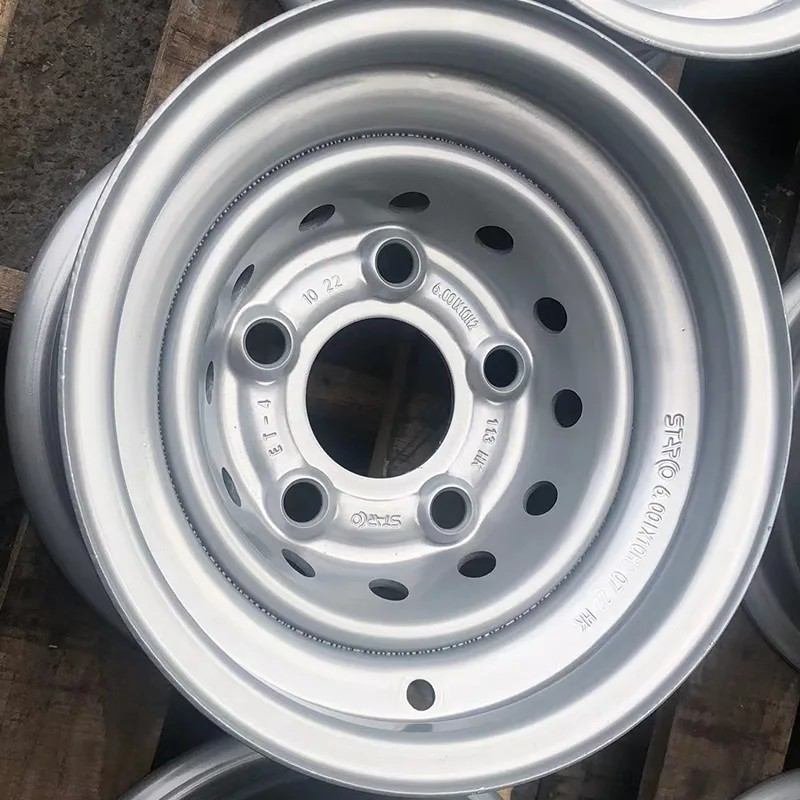
No stud sits directly opposite another on a 5-lug hub, so a simple diameter measurement is not possible.
- Pick any stud, then measure to the center of the second-closest stud (skipping one stud in between).
- Multiply this chord distance by 1.051 to calculate the true pitch circle diameter.
- For reference, a chord measurement of roughly 106.5mm confirms a 5×112 pattern.
Easy mistake to avoid: 4×100 and 4×115 patterns look nearly identical at a glance, and visual checks are unreliable. Always measure opposite stud spacing, and cross-reference with centre bore size — French 4×115 hubs typically use a larger pilot diameter than standard 4×100 light trailer hubs.
Mistakes to Avoid When Choosing European Trailer Wheels
- Eyeballing 4×100 vs. 4×115: The 15mm PCD difference is hard to spot visually, and misordering leads to return shipping costs and trailer downtime. Always confirm with a physical measurement and centre bore cross-check.
- Ignoring centre bore and bolt seat: A matching PCD will not compensate for a mismatched centre bore or bolt seat, both of which cause dangerous vibration and loose fasteners over time.
- Using passenger car wheels: Patterns like 5×114.3 look similar to common trailer specifications but do not align properly. Car wheels also have lower load ratings that are not safe for trailer duty.
FAQ
Which bolt pattern is most common on European trailer wheels?
4×100 is the dominant pattern for light utility and small camping trailers across most of Europe. 5×112 is the most common medium-duty pattern for caravans and horse floats. Heavier trailers use 5×140 and 5×160, while 4×115 is the standard French regional specification.
How do I tell 4×100 and 4×115 trailer wheels apart?
Measure the distance between the centers of two opposite studs. A reading near 100mm confirms 4×100; a reading near 115mm confirms the French 4×115 pattern. Centre bore diameter is a second reliable check: 4×115 hubs typically have a larger pilot diameter.
Can I use passenger car wheels on a trailer hub?
Not safely. Even if the bolt pattern appears similar, car wheels have lower load ratings designed for passenger vehicle weight, not trailer duty. Mismatched centre bore or bolt seat dimensions will also create unsafe fitment.
Where can I find a trailer wheel bolt pattern chart?
Most wheel suppliers publish PCD charts alongside their product ranges. BRS publishes full specifications for all 4×100, 5×112, 5×140, and 5×160 trailer wheels across 10 to 16 inch sizes.
What should I check before ordering replacement trailer wheels?
Verify four values for full safe fitment: bolt pattern (PCD), centre bore diameter, bolt seat type, and load rating. Start by checking the wheel stamping and trailer manual, then confirm with physical measurement if needed.