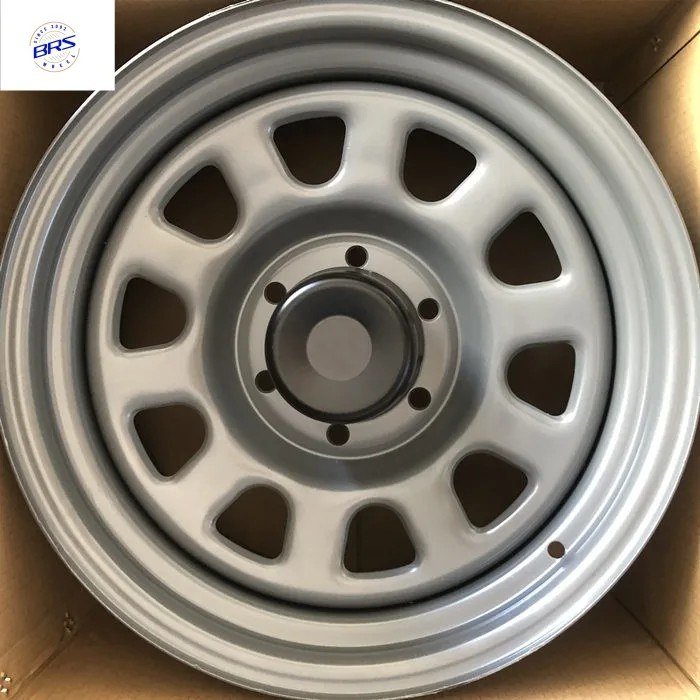
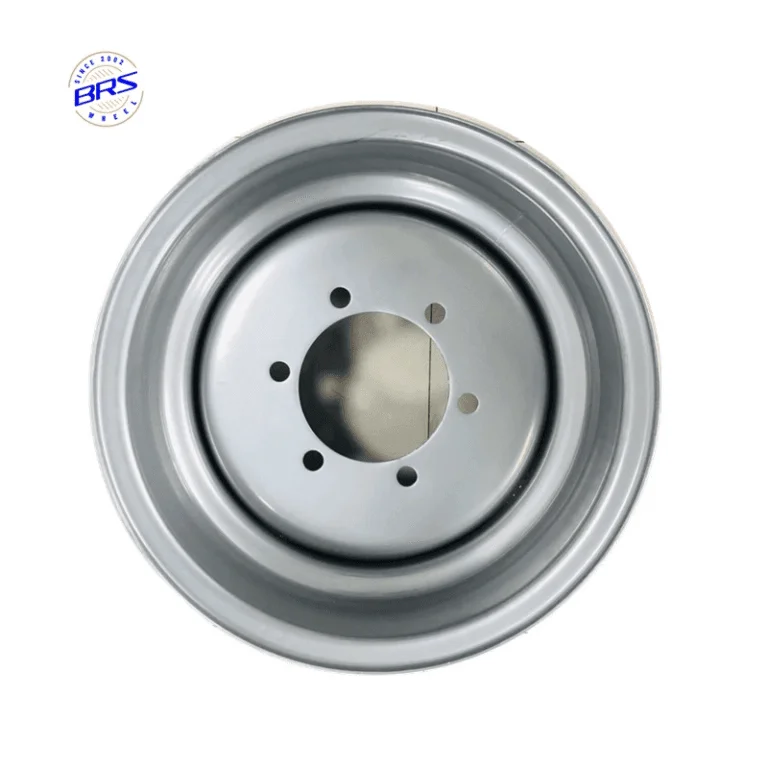
Choosing the right agricultural tractor wheel rims is essential for tire life, equipment stability, field performance, and operating costs. Poor-quality or incorrectly sized rims can cause air leaks, bent rim edges, uneven tire wear, and unexpected downtime during critical planting and harvest periods.
The right rim depends on tire size, hub fitment, load capacity, operating conditions, and tractor or implement type. Matching these specifications ensures proper fitment, reliable load support, and consistent performance in demanding agricultural applications.
Key Takeaways
- Match rim diameter and width to your tire size to prevent bead slip, uneven wear and tire damage.
- Verify bolt pattern (PCD), center bore and offset to ensure a safe, proper fit on your tractor axle.
- Calculate actual axle loads with implements attached to avoid overloading rims and damaging axle bearings.
- Heavy-duty steel rims with corrosion-resistant powder coating resist bending, cracking and rust from fertilizers and moisture.
- Choose adjustable rims for row-crop farming, or flotation rims for soft ground to reduce soil compaction.
Match Rim Size to Your Tires
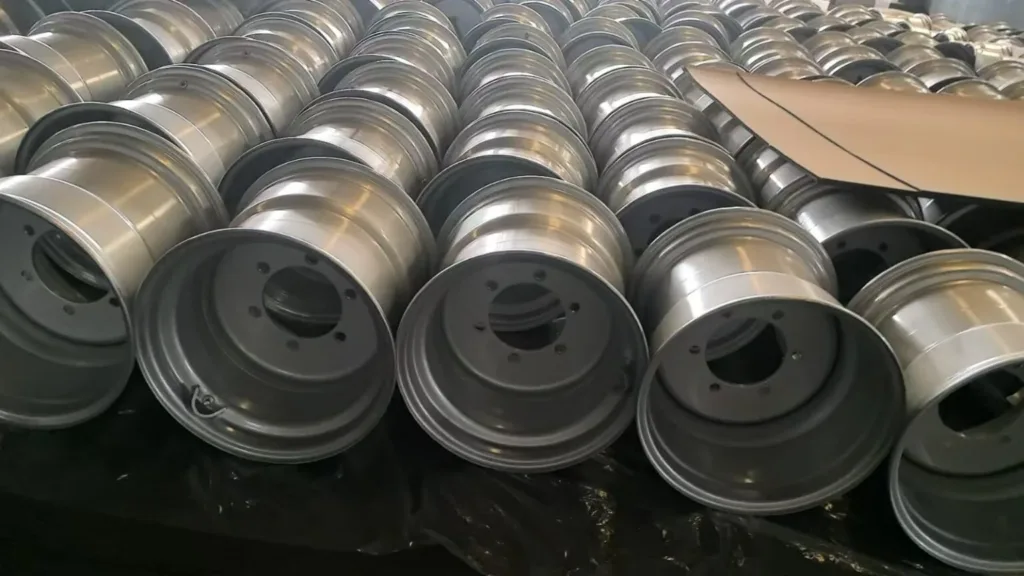
Proper tire-to-rim fit is the most basic and critical specification. The wrong rim size damages tires and creates safety risks in the field.
Industry guidelines define standard fit tolerances for agricultural tires:
- Rim diameter must be within ±2% of the tire’s rated diameter.
- Rim width must be within ±4% of the tire’s recommended rim width.
A rim that is too narrow curves the tread excessively, reducing traction and causing uneven center wear. A rim that is too wide flattens the tire shoulders, leading to edge wear and potential bead slip. Mismatched sizing can reduce tread life by up to 20% and increase fuel consumption from added rolling resistance.
Reputable manufacturers like BRS offer agricultural rims from 12.5 to 30.5 inches in diameter, fitting tractors, seeders, balers, spreaders, and farm wagons.
Verify Rim Mounting & Hub Fitment
Even if the tire size matches, the rim must also fit the tractor’s axle hub and mounting system. Before purchasing, verify the following dimensions:
- Bolt Pattern / PCD (Bolt Circle): The number of bolt holes and the diameter of the circle on which they are positioned.
- Center Bore / Hub Pilot: The diameter of the center opening that fits over the axle hub or pilot.
- Offset / Backspacing: The position of the rim mounting surface relative to the rim centerline.
The correct offset helps maintain proper wheel positioning, axle loading, steering clearance, and component clearance. An incorrect offset can increase loads on bearings and other components or cause interference with the tractor. For custom tractor hub configurations, some rim manufacturers offer custom bolt patterns, mounting discs, or offset specifications to match specific applications.
Calculate Rim Load Capacity Requirements
Rims must support the actual load carried by each wheel, including the tractor’s weight, attached implements, front weights, and drawbar loads. Because these loads can shift the weight distribution between the front and rear axles, calculate the working axle loads before selecting a rim.
For a basic load estimate, use:
- Front axle load = Empty front axle weight + load transferred from rear implements
- Rear axle load = Empty rear axle weight + load transferred from front weights or implements
The amount of load transferred depends on the implement or weight, its distance from the axle, and the tractor wheelbase.
Choose rims with a minimum 20% load-capacity margin above the calculated working load to account for uneven terrain, dynamic loads, and heavy pulling conditions. For large tractors and heavy-duty applications, some agricultural rims are rated for 8,000 lbs or more per wheel, but the correct rating should always be based on the tractor’s actual operating load and manufacturer specifications.
Evaluate Rim Material & Build Quality
Steel Grade & Construction
Most agricultural rims are made from high-strength structural steel. Look for:
- Heavy-gauge steel construction for better resistance to impacts from rocks, curbs, and rough terrain
- Thick mounting discs to handle high torque and drawbar loads
- High-quality welds that reduce the risk of cracking under repeated stress and heavy loads
Corrosion Protection
Agricultural rims are exposed to fertilizers, manure, moisture, mud, and road salt. Look for rims with a durable powder-coated or corrosion-resistant finish to help protect against rust and chemical exposure. Choosing a manufacturer with established quality-control processes and relevant industry certifications can also help ensure consistent rim quality and durability.
Choose Rim Style for Your Application
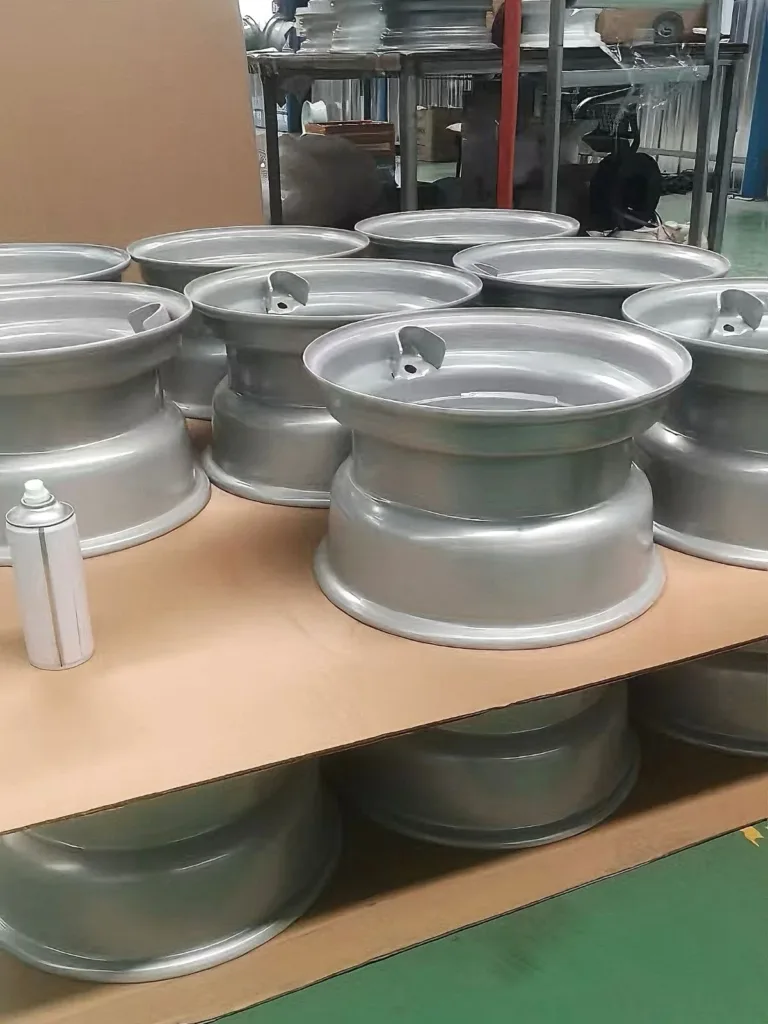
Agricultural rims come in three primary styles, each built for different farming needs:
Fixed Rims
Fixed rims have the center disc permanently welded to the rim barrel.
- Pros: Maximum structural strength, lowest cost, no moving parts to maintain.
- Best for: Heavy hauling, high-horsepower tractors, general farm use where track width does not need to change.
Adjustable (Variable Track) Rims
Adjustable rims use 6–12 bolts to clamp the disc to the rim, allowing the disc position to be shifted inward or outward.
- Pros: Changeable track width to match different crop row spacings; one tractor can work across multiple crop types.
- Best for: Row-crop farming, where precise wheel spacing prevents crop damage and matches planting patterns.
Flotation Rims
Flotation rims are wider rims designed to pair with large, low-pressure flotation tires.
- Pros: Spreads machine weight over a larger ground footprint, reducing soil compaction by up to 50% compared to standard radial tires at 25 psi.
- Best for: Wet, muddy fields, soft soil, hay fields and operations focused on reducing soil compaction and root damage.
| Rim Style | Core Design | Key Advantage | Primary Use Case |
|---|---|---|---|
| Fixed | Permanently welded disc | Highest strength & lowest maintenance | General purpose, heavy hauling |
| Adjustable | Bolted, shiftable disc | Variable track width for row spacing | Row-crop farming |
| Flotation | Extra-wide rim profile | Reduced soil compaction | Soft ground, muddy fields |
Conclusion
Choosing the right tractor wheel rims means matching tire size, hub fitment, load capacity and operating style to your specific farm needs. For general purpose use, a heavy-duty fixed steel rim is the most reliable and cost-effective option. For row-crop farms, adjustable track rims add versatility. For soft, high-moisture fields, flotation rims protect soil health and improve traction.
Investing in high-quality, properly specified rims from trusted manufacturers reduces downtime, extends tire life and lowers total operating costs over time.
FAQ
How do I know if a rim will fit my tire?
Check the tire sidewall for the recommended rim width and diameter. Industry standards allow ±2% tolerance for diameter and ±4% for width. Always use the manufacturer’s recommended rim size for the longest tire life and safest performance.
What’s the difference between fixed and adjustable tractor rims?
Fixed rims have the center disc welded permanently to the rim, for maximum strength and no maintenance. Adjustable rims use bolted clamps that let you shift the disc position to change wheel track width, making them ideal for matching different crop row spacings.
Do flotation rims really reduce soil compaction?
Yes. Flotation rims work with wide, low-pressure flotation tires to spread machine weight over a much larger ground area. Running at 10–12 psi instead of 25 psi reduces soil compaction by roughly 50%, protecting soil structure and crop root health.
How much load capacity do my tractor rims need?
Calculate your actual axle weight including front weights and rear implements, then add 20% safety margin for dynamic field loads. Most farm tractors require rims rated for 3,000–8,000 lbs per wheel, depending on size and horsepower.
How do you prevent agricultural steel rims from rusting?
Choose rims with a factory powder coat finish for the best corrosion resistance. Clean rims regularly to remove fertilizer and manure residue, and touch up any chips or scratches in the coating to prevent rust from spreading.