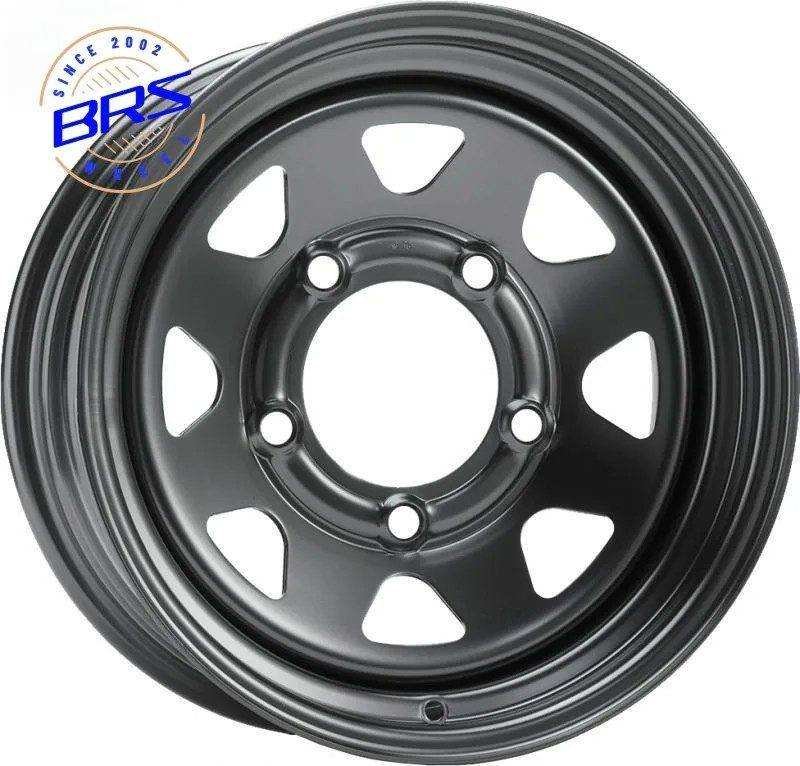
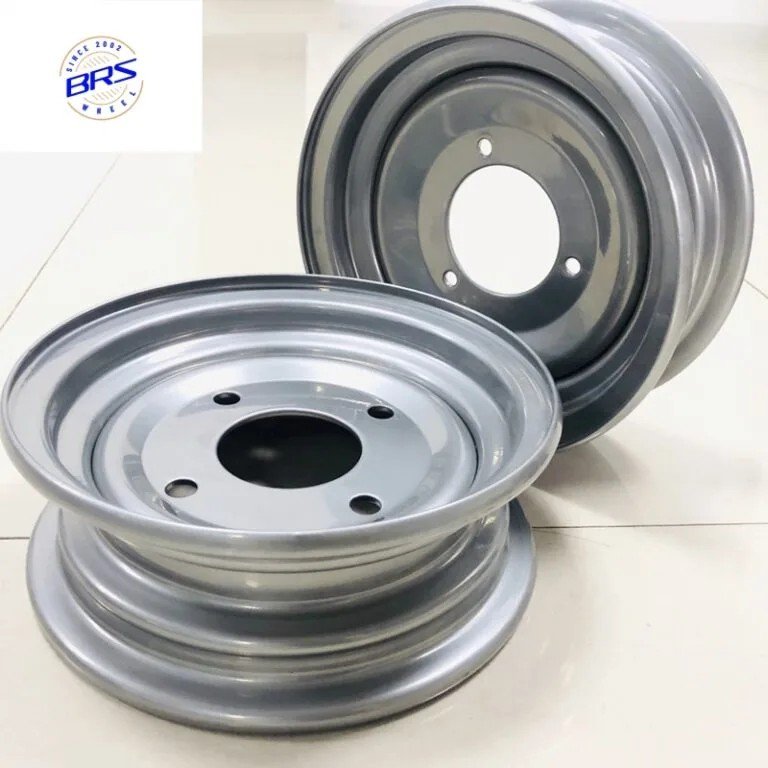
When comparing powder coating vs. e-coating for steel wheels, there is no universal best choice — each finish has distinct strengths. Powder coating creates a thicker, impact-resistant decorative layer with broad style options, while e-coating delivers superior rust protection and uniform coverage on complex shapes. The right choice depends on the wheel’s operating environment, production volume, and aesthetic priorities.
For maximum durability, many production lines combine both: an e-coat primer for full-surface rust sealing, topped with a powder coat for impact resistance and a polished finish.
Key Takeaways
- Powder coating forms a thick, chip-resistant film ideal for wheels exposed to impact, road debris, and curb damage.
- E-coating uses an electrodeposition dip process to seal every surface — including hidden recesses — for superior rust protection on complex wheel shapes.
- Powder coating offers wide color, texture, and gloss options; e-coating has limited finish choices and works best as a primer layer.
- A layered system (e-coat primer + powder topcoat) delivers the best all-around performance: full rust sealing plus durable, attractive outer protection.
- Choose e-coating for wet, salty, or chemically harsh environments; choose powder coating for impact-heavy, appearance-focused use cases.
Core Process Differences in Powder Coating vs. E-Coating
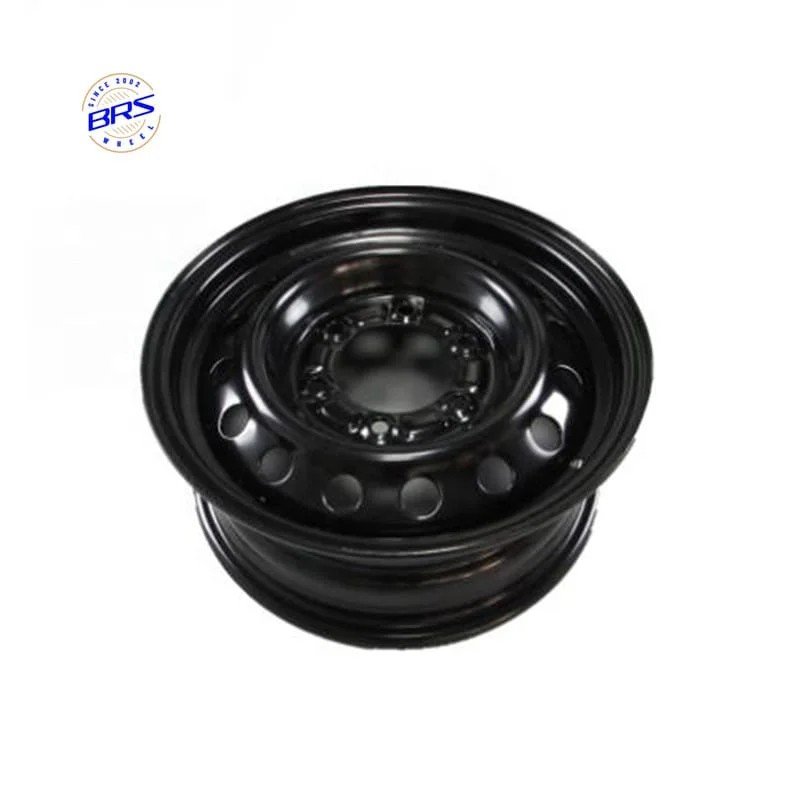
Powder Coating
Powder coating is a dry spray process: charged powder particles are electrostatically sprayed onto a grounded steel wheel, then cured in an oven to melt and fuse into a hard, continuous film. The process builds a relatively thick, uniform layer on exposed surfaces.
E-Coating (Electrophoretic Coating)
E-coating is a wet dip process: the wheel is submerged in a charged paint bath, where an electric field pulls paint particles onto every surface of the part — including tight corners, inner cavities, and recesses. The result is an extremely thin, uniform film with full coverage even on complex shapes.
Side-by-Side Performance Comparison
| Category | Powder Coating | E-Coating |
|---|---|---|
| Typical film thickness | 60–80 microns | Thinner, precisely controlled organic film |
| Rust protection | Good on exposed surfaces | Excellent; seals hidden edges and recesses where rust often starts |
| Complex shape coverage | Good on flat/outer surfaces; can miss hidden zones (Faraday cage effect) | Excellent; penetrates tight corners, inner channels, and seams |
| Impact & chip resistance | Excellent; thick film absorbs impacts and abrasion | Moderate; thinner film is more prone to chipping on impact |
| Appearance options | Wide range of colors, gloss levels (matte/satin/gloss), and textures | Limited color options (typically black/gray); low-gloss primer-like finish |
| UV resistance | Excellent; can be formulated with UV blockers to resist fading | Fair; prone to chalking and fading in direct sun |
| Best suited for | Exposed surfaces, impact-heavy use, aesthetic builds | Primers, complex shapes, corrosion-heavy environments |
When to Choose Powder Coating
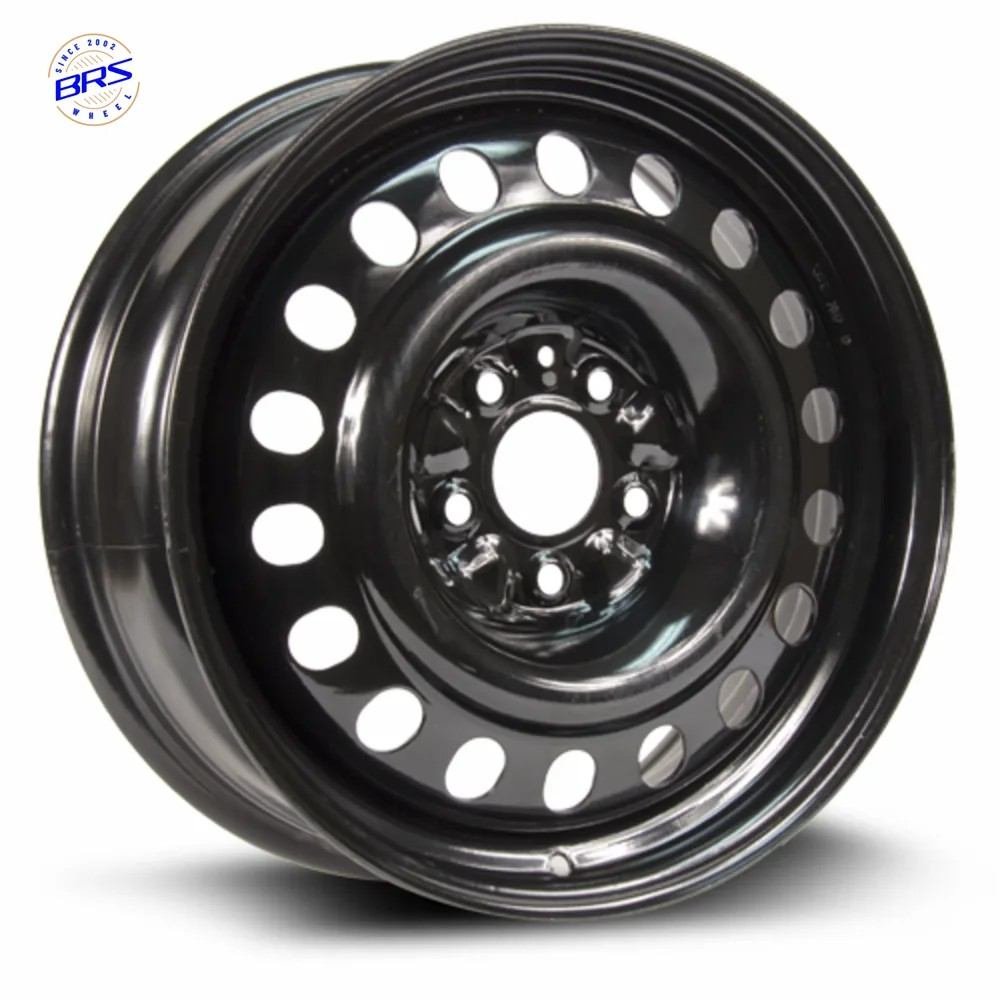
Ideal Use Cases
Powder coating is the better choice for wheels where impact resistance and aesthetic appearance are top priorities:
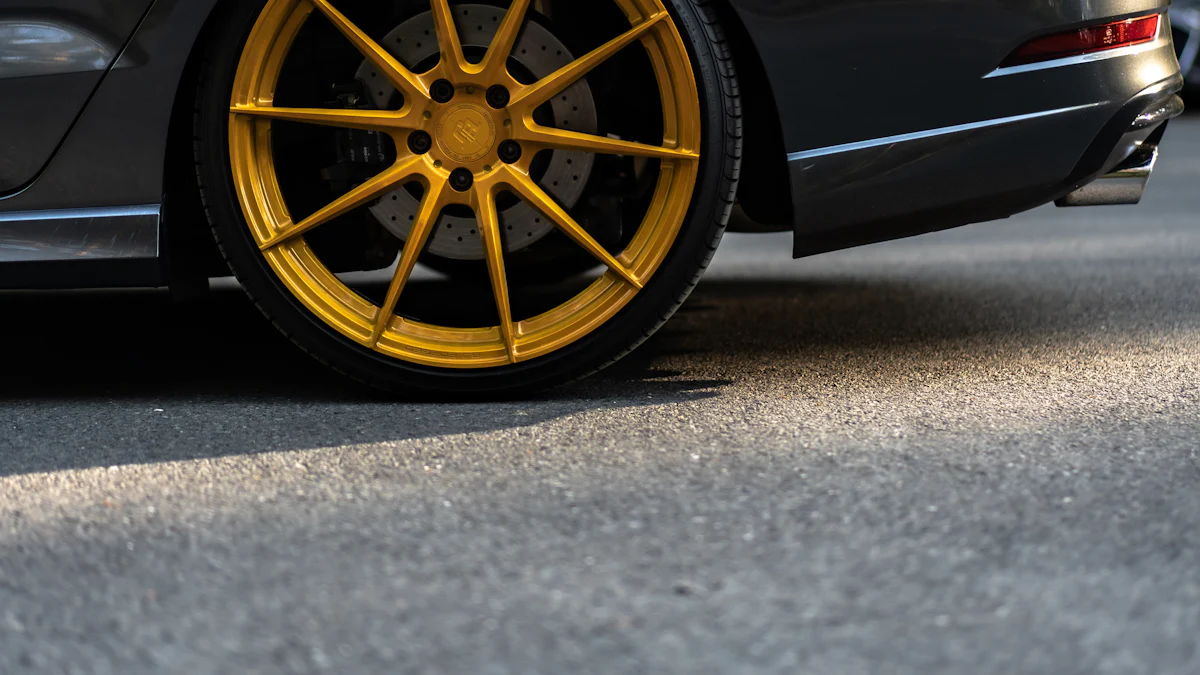
- Passenger cars & custom builds: Wide color and finish options let buyers match wheels to vehicle paint codes, with gloss, satin, or textured finishes that hide road dirt.
- Off-road & trailer wheels: The thick, tough film absorbs impacts from gravel, rocks, and road debris that would chip thinner coatings.
- Show vehicles & aesthetic builds: Custom color matching and texture options make powder coating ideal for builds where appearance is a priority.
Key Strengths
- Outstanding mechanical durability: resists chips, scratches, and abrasion from daily road use.
- Good weather and UV resistance when formulated for outdoor use.
- Easy to clean, low-maintenance finish.
- Works on both steel and aluminum rims.
Note: Always verify the powder is rated for outdoor exposure. Decorative indoor powders will not hold up to road salt, UV, and temperature swings.
When to Choose E-Coating
Ideal Use Cases
E-coating is unmatched for wheels operating in harsh, corrosion-prone environments:
- Farm & agricultural equipment: Wheels exposed to mud, water, fertilizer, and chemicals for long periods.
- Utility trailers & work trucks: Wheels facing constant road salt, moisture, and outdoor storage.
- Complex wheel designs: Wheels with vent openings, box sections, and tight inner corners that spray guns cannot fully cover.
Key Strengths
- Full-surface coverage that reaches hidden recesses, seams, and edges — the areas where rust typically starts.
- Uniform film thickness across the entire part, with no thin spots.
- Excellent corrosion protection as a standalone coat or primer layer.
- Self-limiting film ensures consistent coverage across high-volume production runs.
Combined E-Coat + Powder Coat System
For the best all-around performance and longest wheel life, a quality steel wheel manufacturer may apply both finishes in sequence: e-coat as a primer and powder coat as the topcoat.
How the Dual-Layer System Works
| Layer | Role | Key Benefit |
|---|---|---|
| E-coat (primer) | Full-surface base seal | Seals every recess, seam, and edge against moisture; excellent adhesion to steel |
| Powder coat (topcoat) | Outer protective and aesthetic layer | Adds thickness, impact resistance, UV protection, and color/finish options |
This pairing leverages the strengths of both processes: the e-coat layer eliminates hidden rust risk points, while the powder layer delivers the durable, attractive outer finish. The combined system outlasts either single finish alone in salt spray and corrosion testing.
One practical note: powder coating over cured e-coat can reduce electrostatic charge effectiveness, since e-coat acts as an insulator. Preheating the wheel before spraying typically resolves this issue.
FAQ
Which finish lasts longer on a steel wheel?
Powder coating is more durable against impact and abrasion over time. E-coating provides better rust protection on hidden surfaces. A layered system of e-coat primer plus powder topcoat outlasts either single finish alone in corrosion testing.
Can you apply both finishes to one wheel?
Yes. The standard process is e-coat dip first as a primer, then powder spray over the cured primer. The e-coat seals recesses and edges, while the powder adds thickness, color, and UV protection. Preheating the wheel helps powder adhere to the insulating e-coat layer.
Which coating covers complex wheel shapes better?
E-coating wins. The electrodeposition dip process pulls paint into tight corners, inner surfaces, and box sections. Powder spray can miss hidden zones due to the Faraday cage effect.
Does powder coating work over an e-coated wheel?
It can, but cured e-coat acts as an insulator that weakens electrostatic charge. Preheating the wheel before spraying solves this issue, helping the powder cling and flow into an even film.
How do you choose between the two?
Start with the operating environment: wet, salty, or chemically harsh conditions favor e-coating. Impact-heavy, appearance-focused use favors powder coating. Production volume and color change frequency then shape cost considerations. Many high-quality lines use both finishes in sequence for maximum protection.