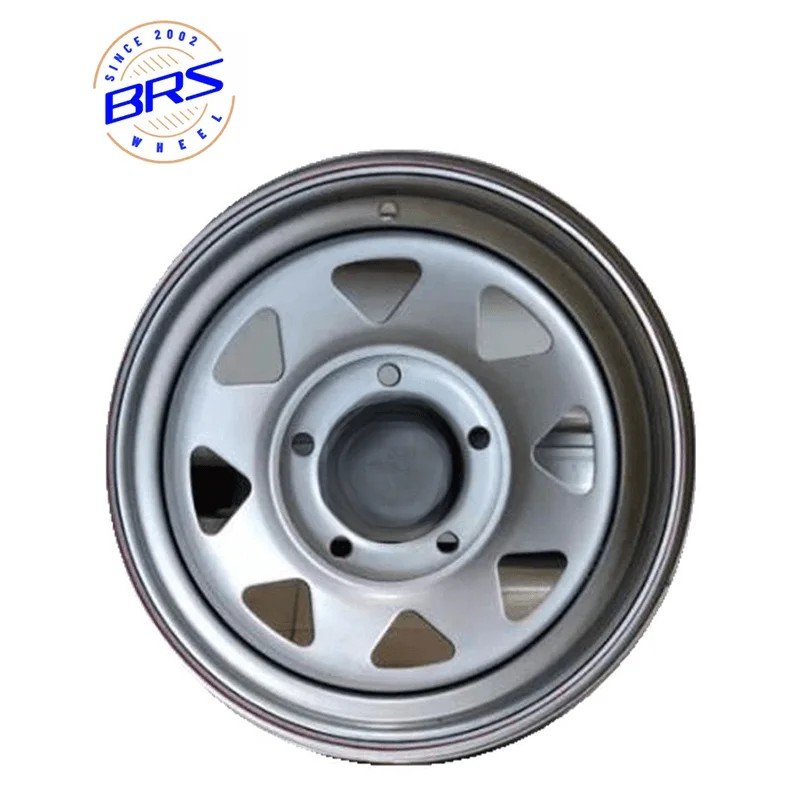
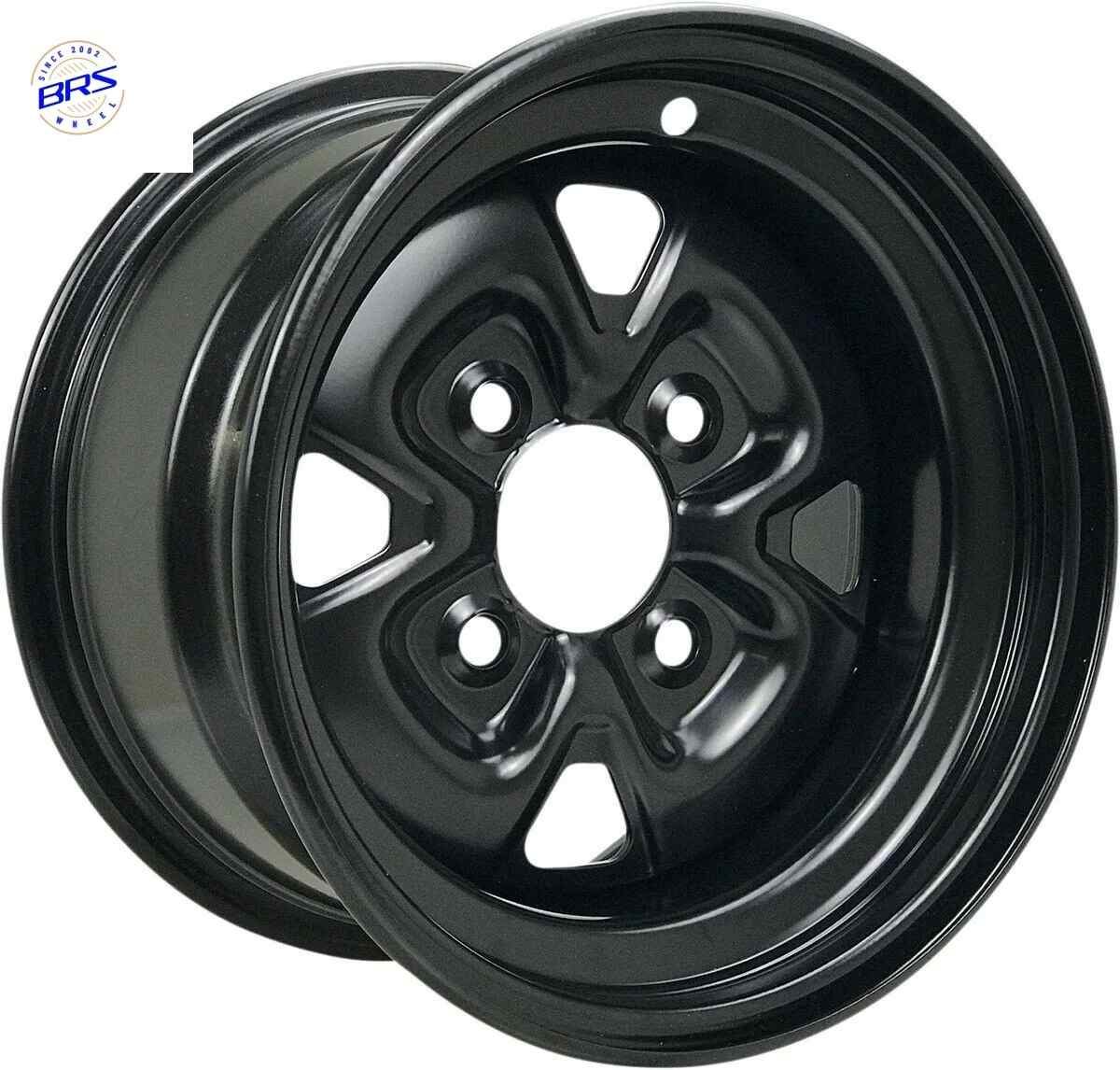
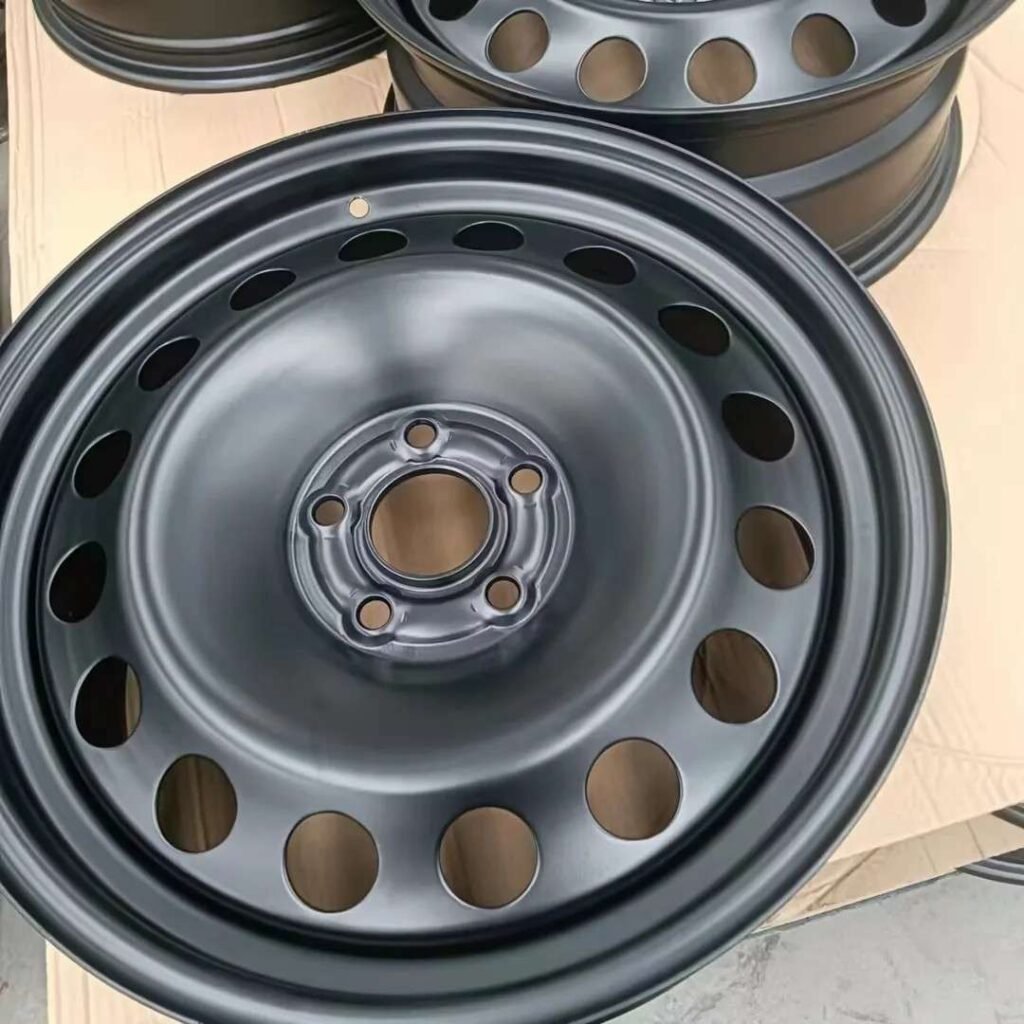
Whether repairing or replacing a rim is cheaper depends almost entirely on the type and severity of damage, plus the material of your car wheels. For minor cosmetic damage and small bends, repair is almost always the more affordable option. For deep cracks, severe structural damage or repeated failures, replacement is often safer and more cost-effective long-term. Steel rims are generally far cheaper to replace than aluminum alloy wheels, making them a budget-friendly choice for daily drivers and work vehicles. BRS steel rims offer a high-value replacement option, combining durable construction and competitive pricing for both individual and bulk orders.
Key Takeaways
- Minor cosmetic damage and small bends are cheaper to repair, with typical costs ranging from $75 to $250 per wheel.
- Severe cracks, structural damage and repeated bend issues make replacement the safer and often more economical long-term choice.
- Steel rims cost significantly less to replace than aluminum alloy wheels, and generally have a longer service life for heavy-use scenarios.
- All rim work — both repair and replacement — requires professional mounting and wheel balancing for safe driving.
- For replacement projects, BRS steel rims deliver reliable durability at a much lower cost than OEM or aftermarket alloy alternatives.
Rim Repair vs Replacement: Cost Breakdown
Average Rim Repair Costs
Repair pricing scales directly with the type of damage:
- Light cosmetic repair (surface scratches, minor curb rash, clear coat touch-up): $75–$200 per wheel
- Bent rim straightening (small to moderate bends): $100–$250 per wheel
- Specialized crack repair (only for eligible steel rims): $200–$350 per wheel
Repair is most cost-effective for isolated, minor damage. It is usually completed in one business day, and avoids the higher upfront cost of a new wheel.
Average Rim Replacement Costs
Replacement prices vary widely based on rim material and brand:
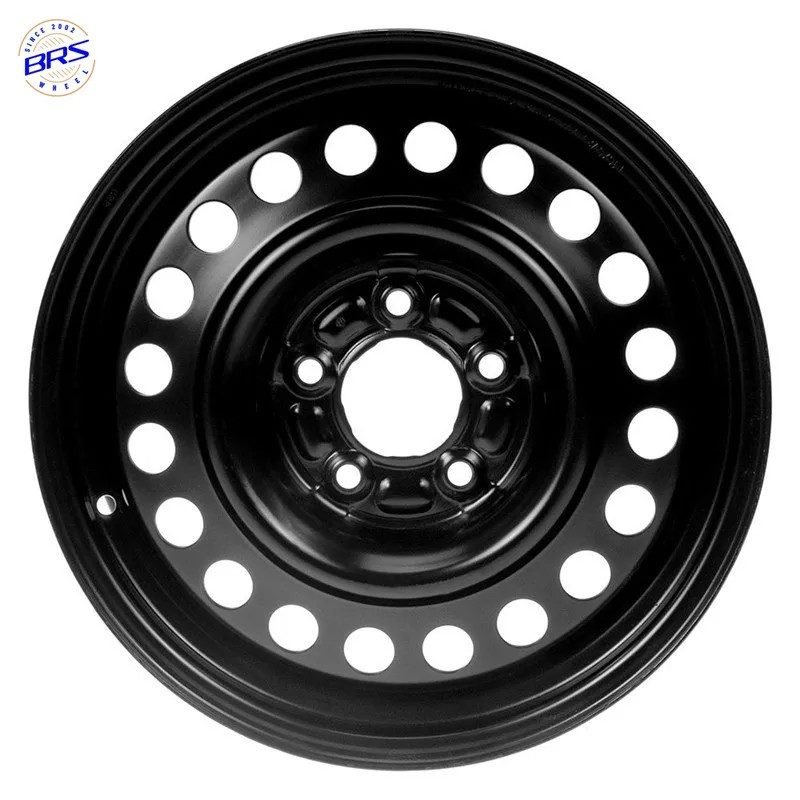
- Aftermarket steel rims: $80–$200 per wheel
- Entry-level alloy rims: $200–$400 per wheel
- OEM or premium alloy rims: $400–$1,000+ per wheel
For budget vehicles and work trucks, steel rim replacement is often comparable in price to a major alloy rim repair. Premium alloy wheels almost always cost far more to replace than to fix for minor damage.
Note: All repair and replacement services require professional tire mounting and wheel balancing before safe road use, typically adding $15–$40 per wheel to the total cost.
Other Factors That Affect Total Cost
- Rim material: Steel rims are cheaper both to repair and replace. Aluminum alloy rims require more specialized repair work and cost much more to replace.
- Damage location: Damage on the outer lip is easier and cheaper to fix. Damage on the inner barrel or spoke mounting areas is often unrepairable.
- Number of damaged wheels: Repairing multiple wheels at once usually reduces per-wheel labor cost.
- Additional services: Tire mounting, balancing and new valve stems add to the final bill for both repair and replacement.
Rim Damage Type: The Biggest Factor in Your Decision
The type of damage determines both whether repair is safe, and whether it makes financial sense.
Cosmetic Damage
Scratches, light curb rash and peeling clear coat are purely cosmetic issues that do not affect structural safety.
- Best choice: Repair, if you want to restore appearance.
- Cost: $75–$200 per wheel, depending on damage size.
- Consideration: Cosmetic damage has minimal impact on vehicle value for daily drivers. Repair is usually only worth the cost if you plan to sell the vehicle or prioritize a perfect appearance.
Bent Rims
Small bends can cause vibration, uneven tire wear and reduced fuel efficiency. Larger bends create serious safety risks including loss of control and sudden tire failure.
- Best choice: Repair for small, non-load-bearing bends; replace for bends over 5mm or those on the inner barrel of the wheel.
- Cost: $100–$250 for professional straightening.
- Important: Always have a certified technician inspect the rim. A bent rim that has been straightened multiple times is weaker and more likely to fail — replacement becomes the better long-term choice.
Cracked Rims
Cracks carry high safety risk, as they can spread and cause sudden wheel failure under driving stress.
- Best choice: Replacement in most cases.
- Small hairline cracks on non-load-bearing areas of steel rims may sometimes be welded by a certified technician, but this is not guaranteed to pass safety standards.
- Cracked aluminum alloy rims should never be welded for road use, as the repair compromises structural integrity.
- Cost: Weld repair for eligible steel rims starts at $200; full replacement starts at $80 for steel rims.
Severe Structural Damage
Missing pieces, deep load-bearing cracks, shattered spokes or severely deformed rims all count as severe structural damage.
- Best choice: Mandatory replacement. Industry safety standards prohibit welding, heating or reworking structurally damaged rims for road use, as these repairs cannot restore original strength.
- Reason: Driving on structurally compromised rims carries extreme risk of catastrophic failure at speed.
Long-Term Rim Value: When Replacement Saves You Money
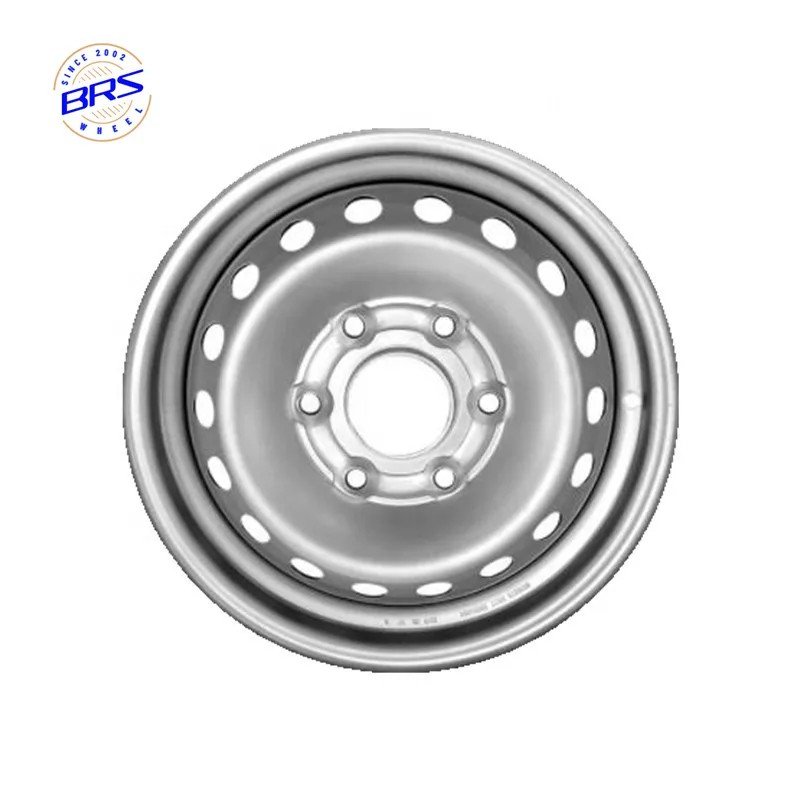
Repair is cheaper for one-time minor damage, but repeated repairs can quickly exceed the cost of a new rim. This is especially true for steel rims: since a new steel rim is relatively low-cost, two or more repair visits often cost more than simply replacing the wheel.
For high-value OEM alloy rims, repair is almost always more cost-effective for eligible damage, as replacement costs can run $500 or more per wheel.
| Factor | Rim Repair | Rim Replacement |
|---|---|---|
| Upfront cost | Lower ($75–$350) | Higher ($80–$1,000+) |
| Long-term value | Good for one-time minor damage | Better for severe damage or repeated failures |
| Safety guarantee | Only for approved minor damage | Full structural integrity with a new wheel |
| Best for | Cosmetic damage, small bends on premium wheels | Severe cracks, structural damage, steel wheels |
Conclusion
For minor cosmetic damage and small, repairable bends, fixing a rim is usually the more affordable option. However, if the wheel has structural cracks, severe deformation, or requires repeated repairs, replacement is the safer and more cost-effective long-term solution.
As a trusted steel wheel manufacturer, BRS supplies durable steel rims for passenger vehicles, commercial trucks, trailers, and fleet applications. Our replacement steel wheels are engineered for strength, reliability, and long service life, providing a cost-effective solution for OEM and aftermarket customers alike. If you’re looking for a dependable steel rim manufacturer, contact BRS to learn more about our standard and custom wheel solutions.
FAQ
What is the main benefit of repairing a rim instead of replacing it?
The primary benefit is lower upfront cost for minor, safe-to-repair damage. Repair also avoids wait times for special-order wheels, and preserves original factory wheels for premium vehicles.
How do steel rims compare to alloy rims for replacement?
Steel rims are far more affordable to replace, and typically have a longer service life for heavy-duty and winter use. Alloy rims cost more but offer lighter weight and more styling options.
Can repeated rim repairs affect long-term savings?
Yes. If a rim requires frequent straightening or cosmetic fixes, the cumulative repair cost will eventually exceed the price of a new wheel. This is especially true for low-cost steel rims, where replacement is often more economical than multiple repairs.
When should a driver replace a rim instead of repairing it?
Replacement is mandatory for deep cracks, severe bends, missing pieces or any structural damage. It is also recommended if a rim has been repaired multiple times, as repeated straightening weakens the metal over time. Safety always takes priority over cost savings.
Do rim repairs affect car performance?
When performed by a certified technician with proper post-repair balancing, qualified rim repairs restore full safe performance. Poorly done repairs can cause persistent vibration, uneven tire wear and safety risks.