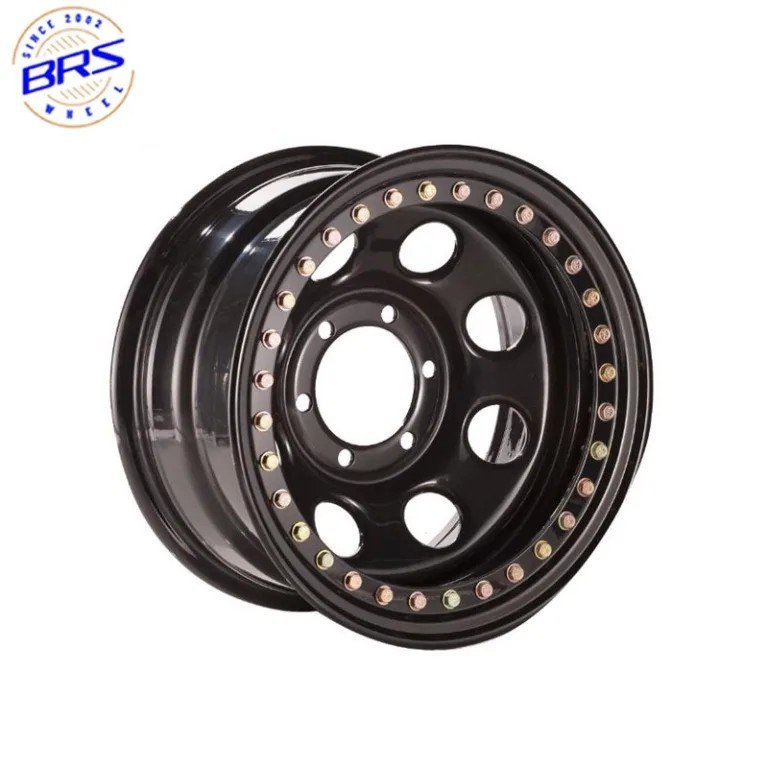

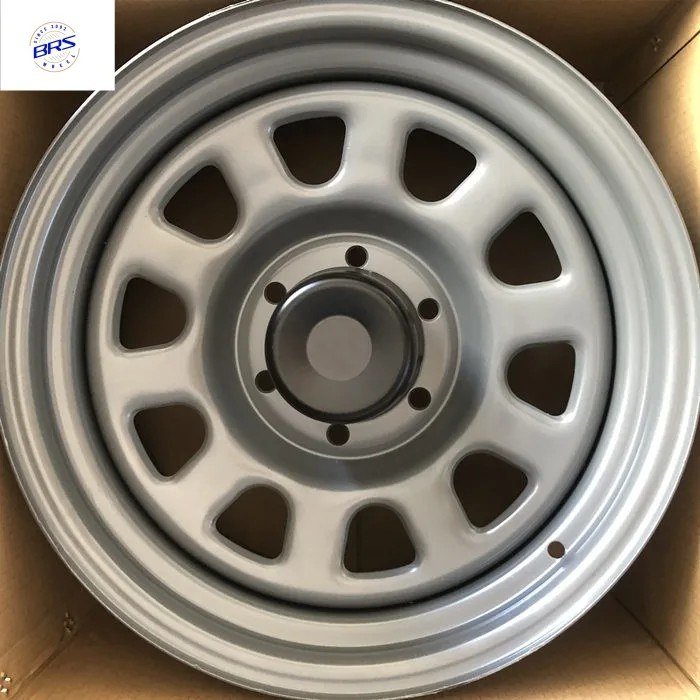
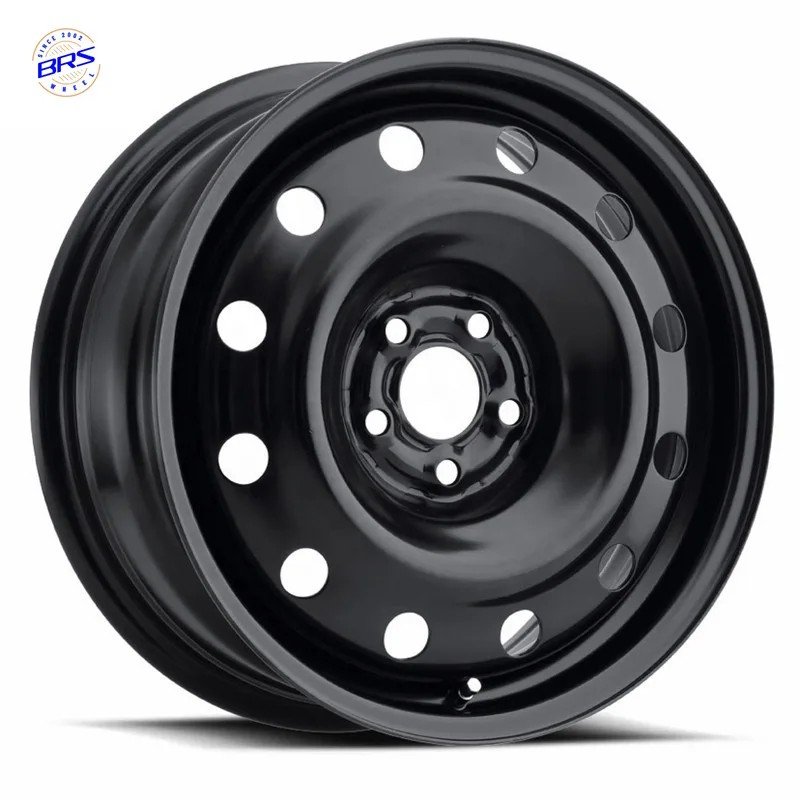
Yes, 16-inch rims are one of the most practical and cost-effective wheel sizes for daily-driven passenger cars, compact SUVs, and light-duty vehicles. As one of the most common factory-equipped wheel sizes on mainstream vehicles, they offer a balanced combination of ride comfort, affordable tire costs, fuel efficiency, and real-world durability.
For most commuters and drivers who value comfort and low ownership costs, 16-inch wheels provide excellent overall value. However, they may not be the best choice for those seeking aggressive styling, maximum cornering performance, or track-focused handling. This guide covers the key advantages and drawbacks of 16-inch rims, how they compare with other wheel sizes, and who should choose them.
Key Takeaways
- 16-inch rims provide an excellent balance of ride comfort, durability, tire cost, and everyday practicality.
- Taller tire sidewalls improve impact absorption and protect wheels on rough roads.
- 16-inch tires are widely available and generally cheaper to replace than larger wheel sizes.
- Larger wheels offer better styling and sharper handling but usually come with higher costs and a firmer ride.
- 16-inch rims are ideal for commuters, SUVs, fleet vehicles, and drivers who prioritize value and reliability.
Core Benefits of 16-Inch Rims
Superior Ride Comfort & Impact Absorption
The biggest advantage of 16-inch wheels is their ability to pair with taller, thicker tire sidewalls. These sidewalls act as natural cushions, absorbing potholes, cracked pavement, and rough road surfaces far better than low-profile tires on larger rims.
This reduced harshness translates to less road noise, fewer vibrations transmitted into the cabin, and a more forgiving ride on poorly maintained roads. For daily commuting and highway driving, this makes for a noticeably more comfortable experience.
Lower Tire Replacement Costs
One of the biggest advantages of 16-inch rims is the lower long-term tire cost. Because 16-inch wheels remain a common factory size for many passenger vehicles, compatible tires are produced in high volumes and are widely available across different price ranges.
| Wheel Size | Typical Tire Price Per Tire | Average Cost |
|---|---|---|
| Tires for 16-inch Rims | $80–$130 | ~$105 |
| Tires for 18-inch Rims | $150–$250 | ~$200 |
For a full set of four tires, choosing 16-inch rims can save approximately $300–$400 per replacement cycle compared with 18-inch wheel setups. This cost advantage applies to all-season, winter, and light truck tires, making 16-inch rims a practical choice for drivers who prioritize affordability and lower maintenance costs.
Better Durability on Rough Roads
One of the key advantages of 16-inch rims is their ability to handle harsh road conditions. The larger tire sidewalls provide more cushioning and impact absorption, helping protect both the wheel and suspension from potholes, gravel roads, and uneven surfaces.
Compared with larger low-profile rim setups, 16-inch rims are less likely to suffer from bent rims, cracked wheels, or tire sidewall damage after repeated impacts. This makes them a practical choice for work trucks, fleet vehicles, rural drivers, and anyone who regularly travels on rough or poorly maintained roads.
Lighter Weight for Efficiency & Responsiveness
All else being equal, 16-inch wheels weigh less than equivalent 17- or 18-inch wheels. This reduces unsprung mass, which has two key benefits:
- Quicker, lighter steering feel: Less rotating weight makes the car feel more nimble and responsive in daily driving.
- Slightly better fuel efficiency: Lower rotational mass reduces the engine work required to accelerate, delivering small but consistent gains in gas mileage over time.
Wide Tire Availability and Easy Replacement
16-inch rims are one of the most widely available passenger wheel sizes, offering a broad selection of replacement tires from affordable all-season models to premium touring options. Their popularity means drivers can easily find compatible tires at local tire shops and service centers, making them a practical choice for daily commuting, long-distance driving, and areas where tire availability matters.
Potential Drawbacks of 16-Inch Rims
Less Aggressive Styling
Larger rims fill out a vehicle’s wheel arches more fully, creating a sportier, more modern look. Standard 16-inch rims leave more visible gap in the wheel well, which many drivers find less visually striking. For builds focused on appearance, 17- or 18-inch wheels are usually the better choice.
More Limited Performance Tire Selection
While 16-inch rims offer a wide range of affordable all-season and touring tires, performance-focused options are more limited compared with larger wheel sizes. Many ultra-high-performance summer tires and track-oriented tire models are primarily developed for 17-inch, 18-inch, and larger applications.
Slightly Less Precise Cornering
Taller tire sidewalls flex more during hard cornering, which reduces steering sharpness compared to stiffer low-profile tires on larger rims. For casual daily driving this is rarely noticeable, but for enthusiastic or track driving, larger wheels deliver more precise handling.
16-Inch vs. Other Common Rim Sizes
| Category | 15-Inch Rims | 16-Inch Rims | 18-Inch Rims |
|---|---|---|---|
| Ride Comfort | Excellent; tallest sidewalls | Very good; balanced cushion | Firmer; harsher over bumps |
| Tire Replacement Cost | Lowest | Low | High (~double 16-inch) |
| Handling & Steering | Softer, more body roll | Balanced daily drivability | Sharp, precise cornering |
| Styling | Understated; large wheel gap | Clean, factory-standard | Aggressive; fills wheel arches |
| Best For | Small economy cars, budget builds | Daily commuters, SUVs, work trucks | Performance cars, show builds |
Who Should (and Shouldn’t) Choose 16-Inch Rims
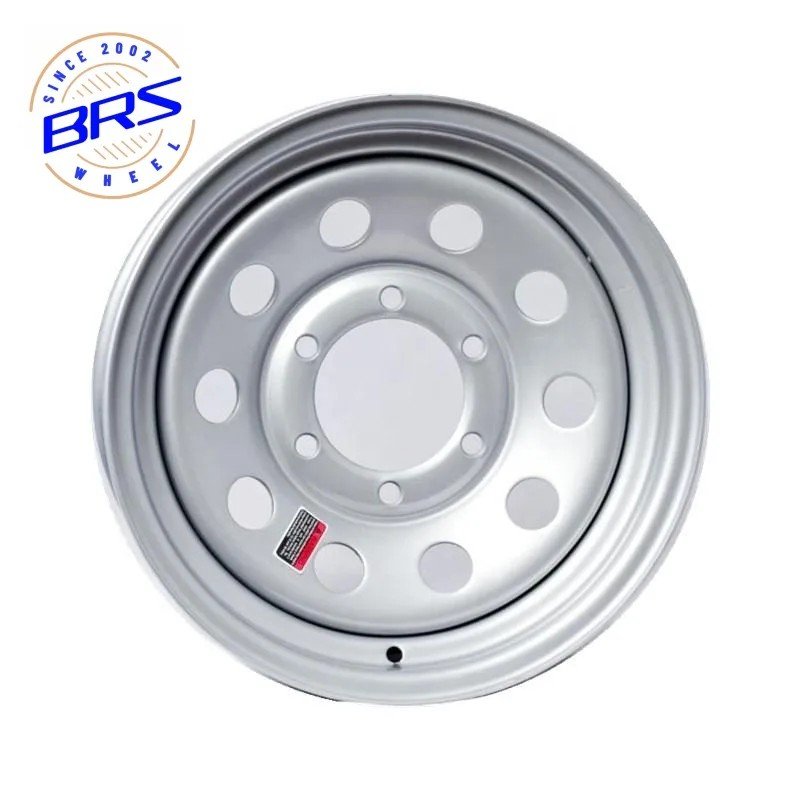
Professional rim manufacturers recommend choosing wheel sizes based on vehicle use, load requirements, and performance needs rather than appearance alone.
Choose 16-inch rims if:
- You drive mostly for daily commuting and prioritize ride comfort
- You want the lowest possible long-term tire and maintenance costs
- You regularly drive on rough, gravel, or poorly maintained roads
- You own a work truck, fleet vehicle, or farm utility vehicle
- You prioritize practicality and durability over sporty styling
Choose larger (17–18 inch) rims if:
- You want a more aggressive, sporty vehicle appearance
- You prioritize sharp handling and performance driving
- You plan to run ultra-high-performance summer tires
- You have a lowered vehicle and want to fill out the wheel arches
FAQ
Are 16-inch rims good for daily driving?
Yes, 16-inch rims are ideal for daily driving. Their taller tire sidewalls deliver a smooth, comfortable ride over bumps and rough pavement, and replacement tires are significantly cheaper than larger sizes, making them the most practical choice for most commuter vehicles.
What are the main advantages of 16-inch alloy wheels?
Lightweight 16-inch alloy wheels reduce unsprung mass, which improves steering response and slightly boosts fuel efficiency. They also offer a good balance of ride comfort, durability, and styling for everyday street use.
How do I check if 16-inch rims will fit my car?
Confirm three key fitment specifications: bolt pattern, wheel offset, and center bore diameter. You can find these values in your vehicle’s owner’s manual, and you should also verify clearance for your brake calipers.
Why are tires for 16-inch rims cheaper than larger sizes?
16-inch is the most common factory wheel size for mainstream passenger vehicles, so tires are produced in much higher volumes. This economies of scale effect keeps prices significantly lower than less common larger wheel sizes.
Final Thoughts
For the vast majority of drivers, 16-inch rims are not just good — they are the most practical, cost-effective choice available. They deliver all the performance and comfort most people need for daily driving, with drastically lower long-term maintenance costs than larger wheel sizes.
The tradeoffs are purely stylistic and performance-focused: if you prioritize sporty looks or track-level handling, a larger size will be a better fit. For everyone else, 16-inch wheels strike the best all-around balance of value, comfort, and durability.