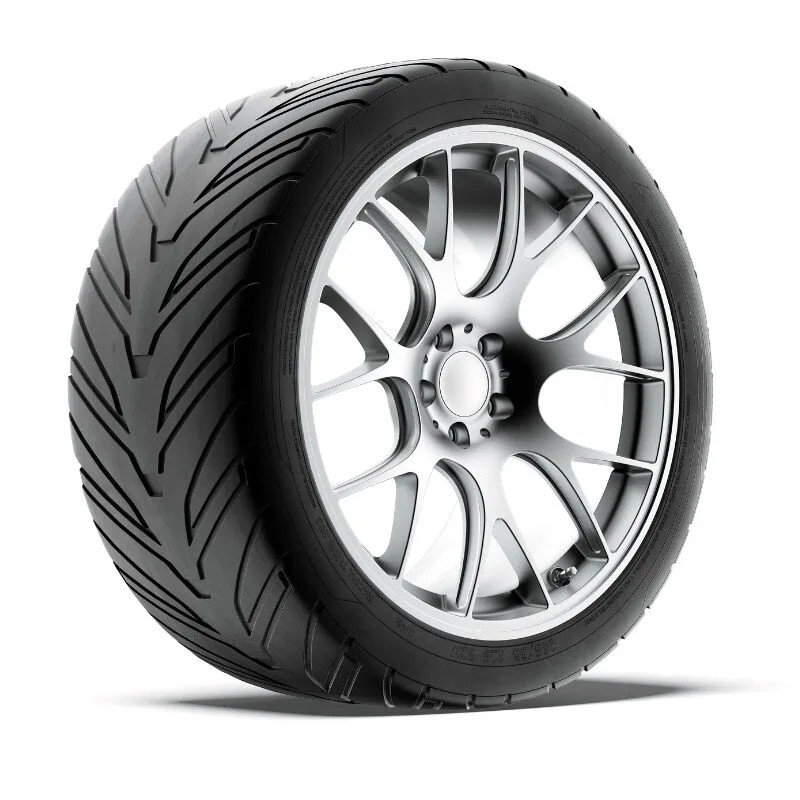
You can identify steel vs. alloy wheels using five quick checks: hubcap style, design patterns, a magnet test, weight feel, and weld seam inspection. You can perform all of them in your driveway with no special tools. No single test is perfectly definitive on its own, but combining 2–3 clues will give you a confident answer.
Steel wheels are magnetic, heavy, and usually hidden behind full plastic covers; alloy (aluminum) wheels are non-magnetic, lighter, and available in intricate spoke designs with only a small center cap.
Key Takeaways
- Check the hubcap first: full covers that hide lug nuts almost always mean steel wheels; small center caps with exposed lugs point to alloy.
- A standard fridge magnet sticks firmly to steel but slides off aluminum alloy wheels.
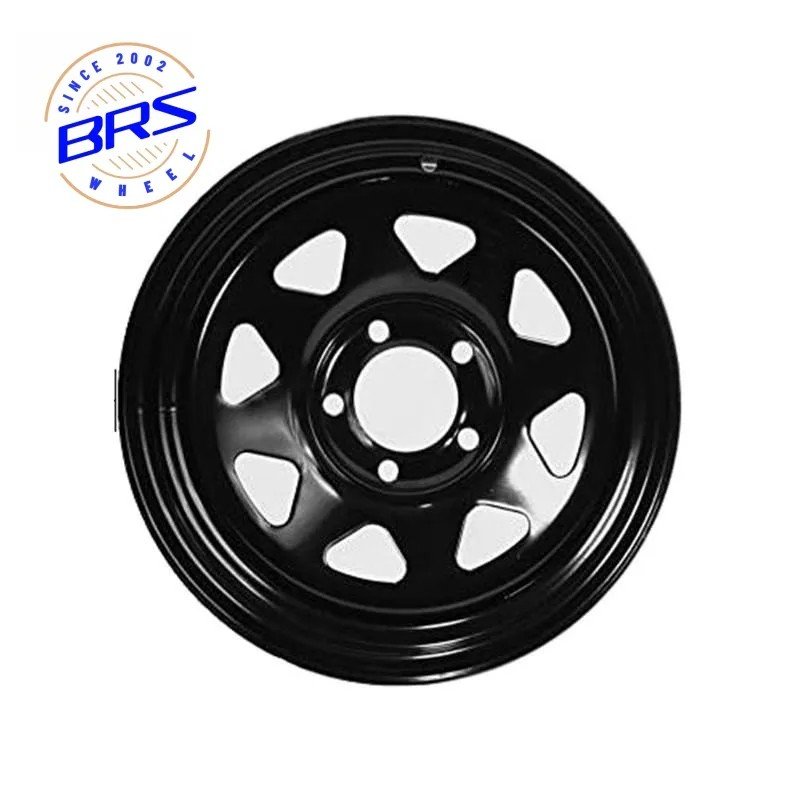
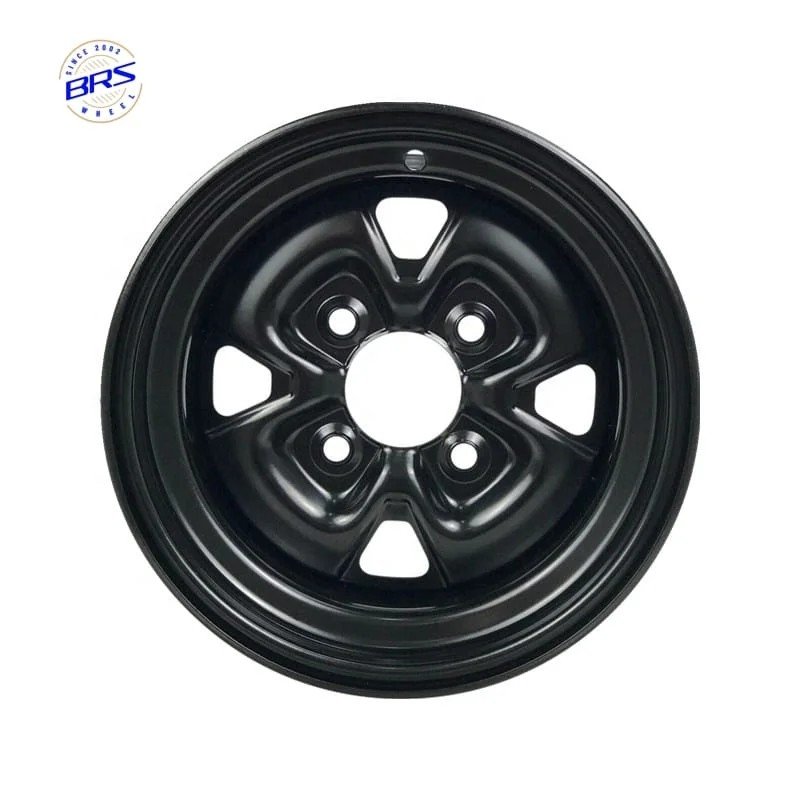
- Steel wheels have simple, utilitarian designs and may develop rust at weld seams; alloy wheels support intricate, smooth one-piece shapes.
- Steel wheels are significantly heavier than same-size alloy wheels.
- Always cross-reference 2–3 clues for the most reliable result, as paint and decorative covers can be misleading.
5 Ways to Tell Steel vs. Alloy Wheels
We’ve ordered these tests from easiest (no tools required) to most definitive, so you can narrow down the answer in seconds.
1. Check the Hubcap / Center Cap (Fastest No-Tool Check)
This is the quickest visual clue, and it works for most factory wheels.
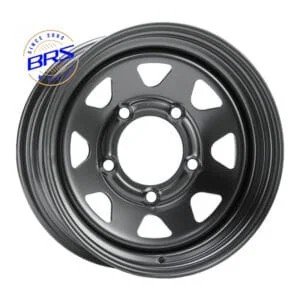
- Steel wheels: almost always use a full plastic wheel cover (true hubcap) that conceals the entire wheel face and all lug nuts. The cover exists to improve appearance and protect the painted steel surface.
- Alloy / styled steel wheels: use only a small center cap that covers the hub bore, with all lug nuts fully visible.
Important caveat: some styled steel wheels also use small center caps, so this is a starting point — not final proof. Always pop the cover off if you can to inspect the bare wheel underneath. A shiny decorative face is not proof of alloy.
2. Inspect Design, Finish, and Rust Signs
Manufacturing processes create very different visual profiles:
| Visual Trait | Steel Wheels | Alloy Wheels |
|---|---|---|
| Design complexity | Simple, utilitarian patterns; mostly round ventilation holes | Intricate spokes, mesh designs, and custom shapes possible |
| Surface finish | Painted or basic silver coating | Clear-coated, painted, polished, or machined finishes |
| Aging signs | Rust forms at edges and weld seams (brown staining) | May oxidize or corrode but does not rust red |
| Construction | Two-piece stamped design | Usually one-piece cast or forged |
Rust at the edge of the barrel or along weld lines is a very strong indicator of steel. Alloy wheels corrode differently — they may develop white oxidation or pitting, but never reddish rust.
3. The Magnet Test (Most Popular Check)
This is the best-known test, and it works on the basic material principle: steel is ferromagnetic; aluminum is not. How to do it properly:
- Grab an ordinary fridge magnet.
- Place it on the inner barrel of the wheel, between the spokes — this spot has thinner paint and no plastic covers.
- If the magnet sticks firmly, the wheel is steel. If it falls off or shows no attraction, it is alloy.
Limitations:
- Thick paint or decorative plastic can slightly reduce magnetic pull, so always test bare metal when possible.
- This test is extremely reliable for factory OEM wheels. Almost no standard passenger-car alloy wheels contain enough ferrous metal to attract a magnet.
4. Weight Comparison
Steel is far denser than aluminum. A same-size steel wheel will typically weigh 30–50% more than its alloy equivalent.
- Lift a bare rim by hand: you will feel the difference immediately.
- On the vehicle, you can also notice the difference when changing a spare tire.
Caveat: large-diameter alloy wheels (20”+) can still be heavy. Weight is most useful when comparing same-size wheels, not across different diameters.
5. Look for Weld Seams
Construction method is the most definitive structural clue:
- Steel wheels: stamped from two separate pieces (barrel + center disc) and welded together. You will see a visible weld line running around the inner barrel.
- Alloy wheels: almost always cast or forged as one single piece. No weld seam is visible on the inner barrel.
If you see a clean weld seam around the inside of the rim, the wheel is steel. A smooth, seamless inner barrel confirms a cast alloy wheel.
Steel vs. Alloy Wheels: Side-by-Side Comparison
| Category | Steel Wheels | Alloy (Aluminum) Wheels |
|---|---|---|
| Magnetic | Yes | No |
| Typical weight | Heavier (30–50% more for same size) | Lighter |
| Construction | Two-piece welded | One-piece cast / forged |
| Design options | Limited; simple functional shapes | Wide range of intricate styles |
| Hubcap style | Full wheel cover | Small center cap |
| Corrosion | Develops red rust at welds | Oxidizes / pits; no red rust |
| Cost | Lower upfront cost | Higher upfront cost |
| Best use case | Winter wheels, work trucks, budget builds | Performance, styling, better ride quality |
Common Wheel Misconceptions
These are the most frequent mistakes people make when trying to ID their wheels.
- “Shiny = alloy” — Decorative plastic wheel covers on steel wheels are designed to look like alloy. Always check under the cover.
- “Heavy = steel” — Large 20”+ alloy wheels can weigh as much as smaller steel wheels. Always compare same-size wheels.
- “Magnet test is 100% perfect” — It is extremely reliable for OEM wheels, but very rare specialty alloys with small amounts of ferrous metal can show weak attraction. Always pair it with a visual check.
- “Alloy wheels never corrode” — They do oxidize and can develop pitting, especially in salted road areas. They just don’t form reddish rust.
How to Confirm Your Wheel’s Official Specifications
If you want 100% certainty for factory wheels:
- Check your vehicle owner’s manual for original wheel specs.
- Ask a dealership parts counter to confirm by VIN.
- Look up your vehicle’s factory wheel fitment data in a verified database, including bolt pattern, offset, and center bore specs across 99 makes and 2261+ models.
- You can also use a wheel fitment calculator to cross-reference sizes and offsets.
FAQ
Does a magnet always tell you if a wheel is steel or alloy?
The magnet test is very reliable for bare metal: it sticks firmly to steel and does not stick to aluminum. Thick paint or plastic covers can interfere, so test the inner barrel and combine the result with visual checks for full confidence.
Why do some shiny-looking wheels turn out to be steel?
Many steel wheels come with decorative plastic wheel covers that mimic polished alloy faces. A full cover that hides all lug nuts is a strong sign of steel underneath. Pop the cover off to see the bare wheel.
What do spoke patterns reveal about wheel material?
Intricate mesh, multi-spoke, or complex shapes are almost always cast alloy. Simple, uniform vent holes and basic shapes suggest stamped steel. Spoke style is a clue, not definitive proof.
Can rust stains confirm a wheel is steel?
Yes. Reddish brown rust forming at weld seams and edges is a strong indicator of steel. Alloy wheels corrode with white or gray oxidation, not red rust.
Where can I find official wheel specs for my car?
Your owner’s manual or a dealership parts department can confirm factory wheel construction. Verified vehicle fitment databases also list PCD, offset, and original wheel details by make and model.