Qu'il soit moins cher de peindre ou de couvrir les jantes dépend à la fois des coûts initiaux et à long terme. Le covering vinyle est souvent l'option la moins chère au départ,... peinture de jante ou peinture en poudre nécessite généralement un investissement initial plus élevé, mais peut offrir une meilleure valeur à long terme grâce à sa durabilité supérieure.
Le meilleur choix varie également selon la durée pendant laquelle vous prévoyez de conserver le véhicule, l'état de vos jantes et selon que vous privilégiez un prix initial plus bas ou un revêtement plus durable. Ce guide compare la peinture et le covering de jantes pour vous aider à décider quelle option offre la meilleure valeur pour vos besoins.
Points clés à retenir
- La thermolaquage professionnel coûte plus cher au départ, mais offre le coût annuel le plus bas sur une possession de 5 ans.
- Le covering vinyle est l'option la plus économique pour une possession de 1 à 3 ans ou pour les véhicules en leasing, car il est entièrement amovible.
- Le covering ne peut pas masquer les jantes abîmées par les trottoirs, les rayures profondes ni les dommages — il vous faudra de la peinture pour cela.
- Tenez toujours compte des coûts de démontage et de remontage des pneus lorsque vous comparez les devis — ils s'appliquent aux deux options.
- Les solutions DIY coûtent moins cher au départ, mais présentent un risque plus élevé de finition médiocre et une durée de vie plus courte.
Combien coûte la peinture de jantes ?
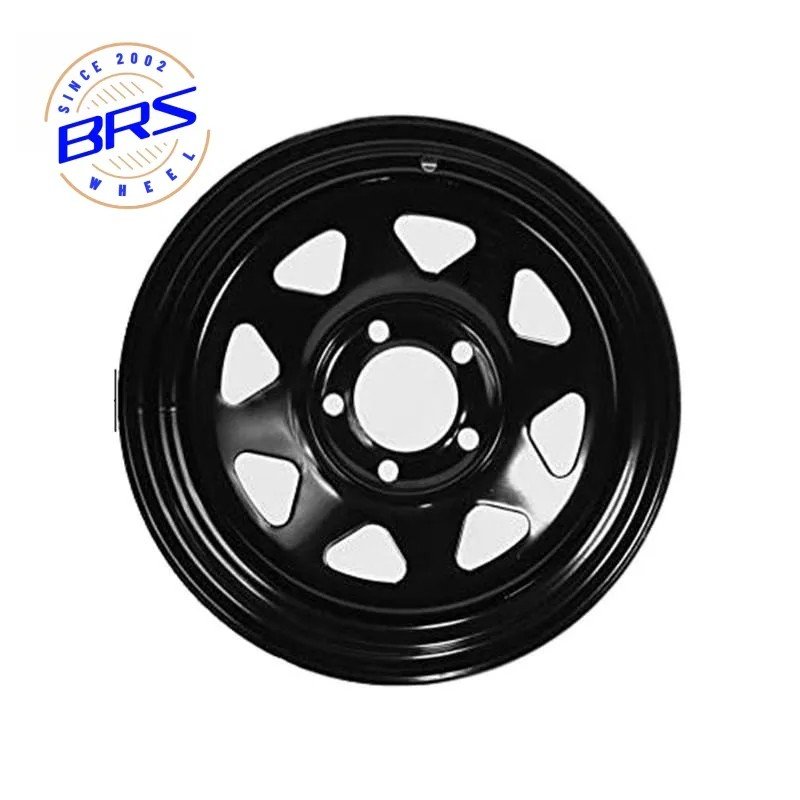
La peinture est un revêtement permanent appliqué directement sur le métal de la jante. Il existe deux niveaux très différents — la peinture en bombe économique et le thermolaquage premium — qui offrent une valeur très différente.
Peinture en bombe DIY : l'option économique
La peinture en aérosol DIY représente le coût initial le plus bas. Un kit complet — apprêt, couche de couleur, vernis et papier de verre — coûte $50–$150 pour quatre jantes, avec du matériel restant pour les retouches.
Avantages
- Investissement initial le plus faible
- Peut être réalisé à domicile avec des outils de base
- Facile de retoucher les petits éclats
Inconvénients
- Très laborieux : nettoyage complet, ponçage, masquage et application prennent à la plupart des gens un week-end entier
- Risque élevé de coulures, gouttes, couverture inégale et texture peau d'orange
- Durée de vie courte : 1 à 3 ans avant décoloration, éclats et écaillage
- Faible résistance au sel de route, aux lavages auto et aux chocs contre les bordures
La peinture DIY convient si vous êtes patient, avez la main stable et prévoyez de refaire la finition régulièrement. Pour la plupart des conducteurs, le risque d'une finition ratée et les coûts de reprise en font une affaire moins intéressante qu'il n'y paraît au premier abord.
La thermolaquage professionnel : l'option de durabilité premium
Le thermolaquage est une finition polymère appliquée par voie électrostatique et durcie à la chaleur. C'est la finition de jante la plus durable disponible pour un usage quotidien.
Ce qui est inclus dans un devis professionnel typique :
- Décapage chimique complet de l'ancienne finition
- Réparation des jantes rayées, comblement des éraflures et redressage mineur des jantes (soudage TIG si nécessaire)
- Application électrostatique de poudre avec plus de 10 000 coloris disponibles
- Vernis de finition transparent
- Garantie de 1 à 3 ans sur la qualité d'exécution
Les revêtements en poudre de haute qualité peuvent durer 5 à 8 ans dans des conditions d'utilisation normales. Ils sont plus résistants à l'écaillage, à la décoloration, aux taches de sel routier et à la corrosion chimique que les peintures liquides. Un jeu de 16-inch jantes avec revêtement en poudre coûte $150 par jante, soit environ $30-40 par jante et par an—le coût annuel le plus bas parmi toutes les solutions durables.
Combien coûte le covering de jantes ?
Le film vinyle est un film adhésif fin appliqué sur la finition existante de la jante. Ce n'est pas une réparation — c'est une couche esthétique et protectrice.
Covering vinyle DIY
Le film de covering coûte lui-même $25–$50 par jante, un jeu DIY complet peut donc coûter moins de $100–$200 pour les couleurs basiques. Les films chromés, effet carbone et spéciaux coûtent plus cher.
Avantages
- Coût initial du matériau plus faible
- Entièrement amovible si vous souhaitez revenir à l'aspect d'origine
- Aucune modification permanente de la jante
Inconvénients
- Apprentissage difficile ; bulles, bords qui se décollent et mauvais alignement sont fréquents chez les débutants
- Exige une préparation parfaite de la surface — toute saleté ou défaut sera visible et provoquera un décollement
- Durée de vie plus courte qu'une application professionnelle
Covering vinyle professionnel
L'installation professionnelle coûte $75–$150 par jante ($300–$600 pour quatre jantes), film et main-d'œuvre inclus. Les installateurs utilisent des pistolets à chaleur et un étirage de précision pour épouser étroitement le film aux courbes de la roue, éliminant les bulles et évitant le décollement des bords. La plupart des ateliers réputés offrent une garantie d'installation de 1 à 2 ans.
Un covering professionnel de haute qualité dure 3 à 5 ans sur les véhicules en garage, ou 2 à 3 ans sur les véhicules stationnés en permanence à l'extérieur. Les intempéries, le sel de route et le lavage haute pression réduisent sa durée de vie.
Le plus grand avantage du covering est qu'il est entièrement amovible. Lorsque vous vendez la voiture ou restituez un véhicule en leasing, vous pouvez retirer le film pour révéler la peinture d'origine intacte en dessous.
Peinture ou covering : lequel est le plus économique à long terme ?
La comparaison la plus juste utilise le coût par an : coût total ÷ durée de vie prévue.
Détail par durée de possession
- 1–2 ans: Le covering est moins cher. Le coût initial est plus faible, et vous n'aurez pas besoin de le remplacer avant de vendre ou de restituer la voiture.
- 3–4 ans: À peu près équivalent. Un covering de milieu de gamme devra être remplacé à peu près au même moment où une peinture économique s'avère défaillante. Le thermolaquage professionnel prend légèrement l'avantage si vous gardez la voiture 4 ans ou plus.
- 5 ans et plus: Le thermolaquage est clairement moins cher. La durée de vie de 5 à 8 ans répartit le coût initial sur une longue période, et vous évitez les coûts de remplacement répétés du covering.
Exemple de calcul :
- $600 de thermolaquage professionnel / 6 ans = $100/an
- $450 de covering professionnel / 3 ans = $150/an
L'option la moins chère au départ n'est presque jamais la moins chère sur toute la durée de vie de la voiture.
Coûts cachés que tout le monde oublie
Ces dépenses s'appliquent aux deux options et sont presque toujours omises des comparaisons de prix initiales.
- Dépose et remontage des pneus La peinture comme le covering nécessitent de déposer le pneu de la jante pour une bonne couverture des bords. Un atelier pneumatiques facture $50–$100 pour le démontage et le remontage de quatre jantes, plus l'équilibrage. Ajoutez toujours ce montant à votre budget lorsque vous comparez les devis.
- Préparation et réparations La réparation des dégâts de trottoir, le redressement des bosses et le décapage de l'ancienne finition augmentent le coût. Les devis pour thermolaquage incluent généralement la préparation de base ; les devis pour covering n'incluent généralement pas la réparation des dommages.
- Coûts d'entretien
- Jantes peintes ou thermolaquées : lavez avec un savon doux, évitez les nettoyants acides agressifs. Retouchez rapidement les éclats pour prévenir la rouille.
- Jantes avec covering : évitez le lavage haute pression dirigé directement sur les bords, évitez les solvants agressifs et les rénovateurs de pneus qui peuvent décoller le film.
- Coût de remplacement de la main-d'œuvre Le covering devra être entièrement refait tous les quelques années — au coût complet de main-d'œuvre à chaque fois. La peinture ne nécessite que des retouches, pas une refonte complète, en cas de dommages.
Quelle option est la meilleure pour vos jantes ?
Choisissez la peinture ou le thermolaquage si :
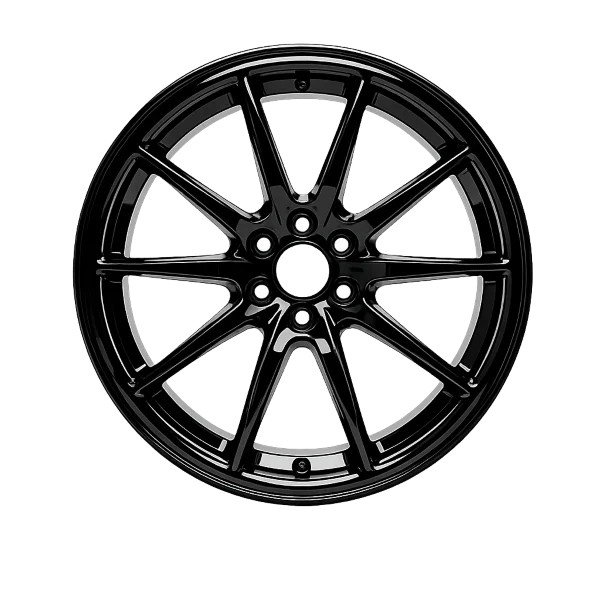
- Vous prévoyez de garder la voiture 5 ans ou plus
- Vos jantes présentent des dégâts de trottoir, des rayures profondes ou de légères déformations nécessitant une réparation
- Vous voulez le fini le plus durable et le plus résistant aux éclats possible
- Vous préférez un aspect permanent, de qualité d'usine
Choisissez le film vinyle si :
- Vous possédez la voiture à court terme (1 à 3 ans) ou restituez un véhicule en leasing
- Vous voulez protéger le fini d'origine de la jante
- Vous voulez essayer une nouvelle couleur temporairement sans modification permanente
- Vos jantes sont en parfait état, sans dommage existant
Remarque importante : le film vinyle ne fonctionne pas sur les jantes endommagées. Le film fin ne masquera pas les impacts de trottoir, les rayures ni les bosses — il épousera au contraire les défauts et les rendra plus visibles. Les jantes endommagées doivent toujours être repeintes.
Conclusion
Pour la plupart des conducteurs gardant leur voiture plus de 3 à 4 ans, la peinture poudrée professionnelle offre le meilleur rapport qualité-prix global. Elle coûte plus cher au départ, mais sa durabilité supérieure garantit le coût annuel le plus bas et la meilleure apparence à long terme.
Pour une possession à court terme, des véhicules en leasing ou des changements de couleur temporaires, le film vinyle est le choix le plus intelligent et le plus flexible. Il coûte moins cher au départ, préserve le fini d'origine et se retire proprement.
Les options DIY peuvent permettre d'économiser de l'argent si vous avez les compétences et la patience pour bien les réaliser, mais un travail DIY raté finira par coûter plus cher à réparer qu'un travail professionnel.
FAQ
Combien de temps dure un revêtement poudré professionnel sur les jantes ?
Une finition par poudrage correctement appliquée dure 5 à 8 ans avec une utilisation routière normale et un entretien de base. Elle résiste bien mieux aux éclats, à la décoloration et à la corrosion que la peinture liquide en aérosol. Un nettoyage régulier et des retouches rapides des éclats prolongeront encore davantage sa durée de vie.
Peut-on habiller ses jantes soi-même à la maison ?
Oui, mais cela demande de la patience et une préparation soignée. Un film de covering basique coûte $25 à $50 par jante, mais obtenir un résultat propre, sans bulles, sur des surfaces de jantes incurvées demande de la pratique. La plupart des conducteurs trouvent que l'installation professionnelle vaut le coût de main-d'œuvre pour un résultat plus propre et plus durable.
Le covering de jantes protège-t-il la finition d'origine en usine ?
Oui. Le covering vinyle agit comme une couche de protection sacrifielle sur la peinture d'origine. Il protège contre la décoloration due aux UV, les petits impacts de gravillons et l'abrasion routière légère. Une fois retiré correctement, la finition d'origine reste intacte — c'est pourquoi le covering est populaire pour les véhicules en leasing.
Quels coûts cachés s'appliquent aux deux options ?
Les deux nécessitent le démontage et le remontage des pneus ($50 à $100 pour quatre roues) pour obtenir une couverture propre des bords. Beaucoup d'acheteurs négligent cette dépense obligatoire lors de la comparaison des devis initiaux. La préparation, les réparations et l'entretien s'ajoutent également au coût total.
Le covering peut-il masquer les rayures de trottoir sur les jantes ?
Non. Le covering vinyle est un film fin et conformable — il épousera la forme de toute rayure, bosse ou rayure de trottoir, rendant les dommages plus visibles plutôt que de les masquer. Les roues présentant des dommages de surface nécessitent une peinture ou un poudrage, qui comblent et couvrent les imperfections.
Peindre mes jantes compromet-il mon leasing ?
La plupart des contrats de leasing interdisent les modifications permanentes des jantes d'origine. Peindre des jantes est considéré comme une altération permanente et peut entraîner des pénalités de fin de leasing. Le covering vinyle est amovible et est presque toujours conforme aux contrats de leasing lorsqu'il est retiré proprement.