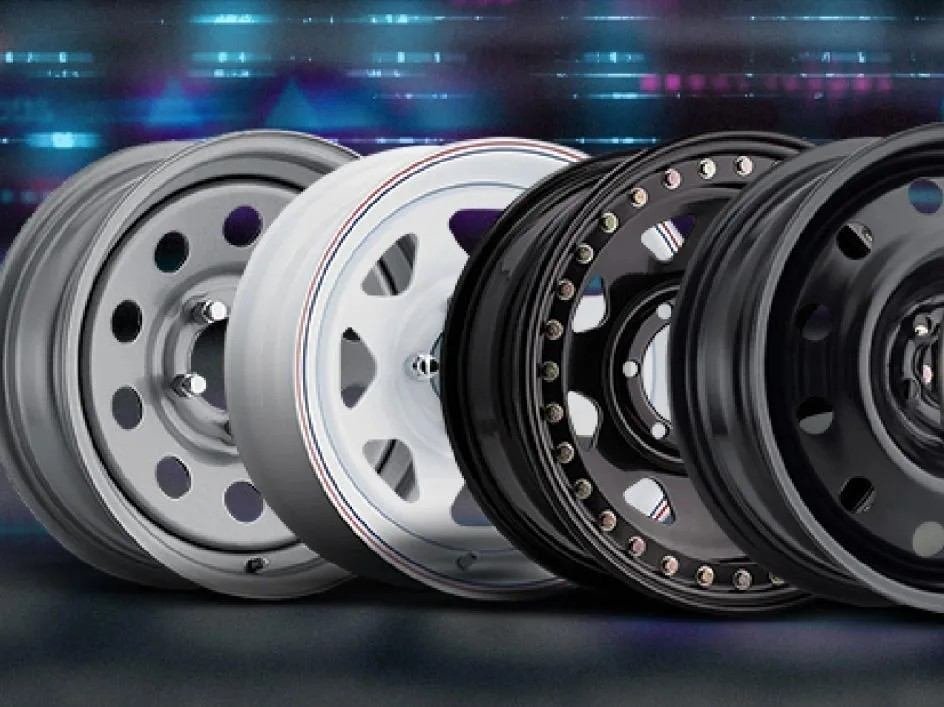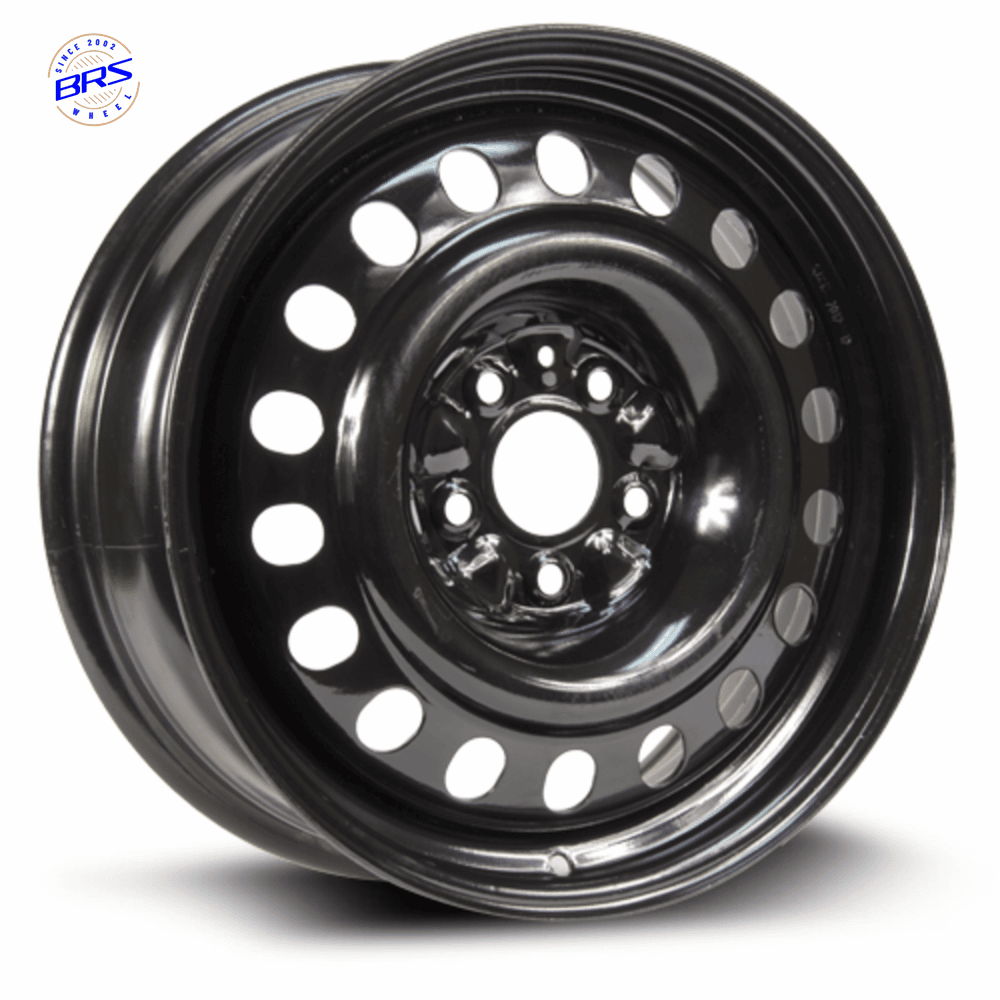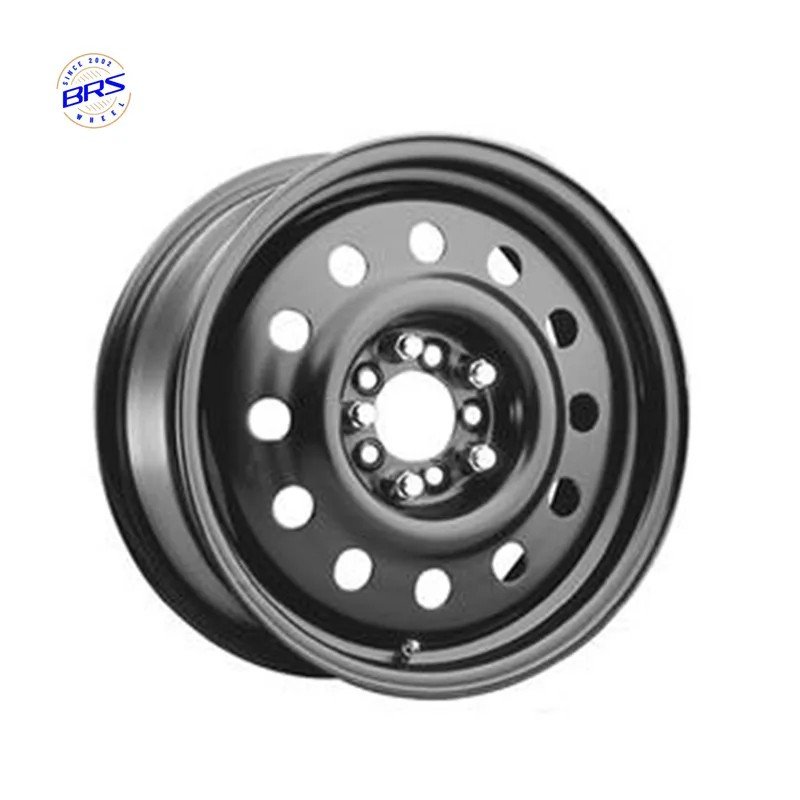
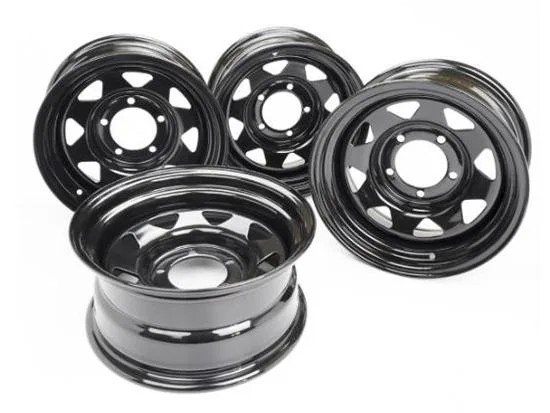
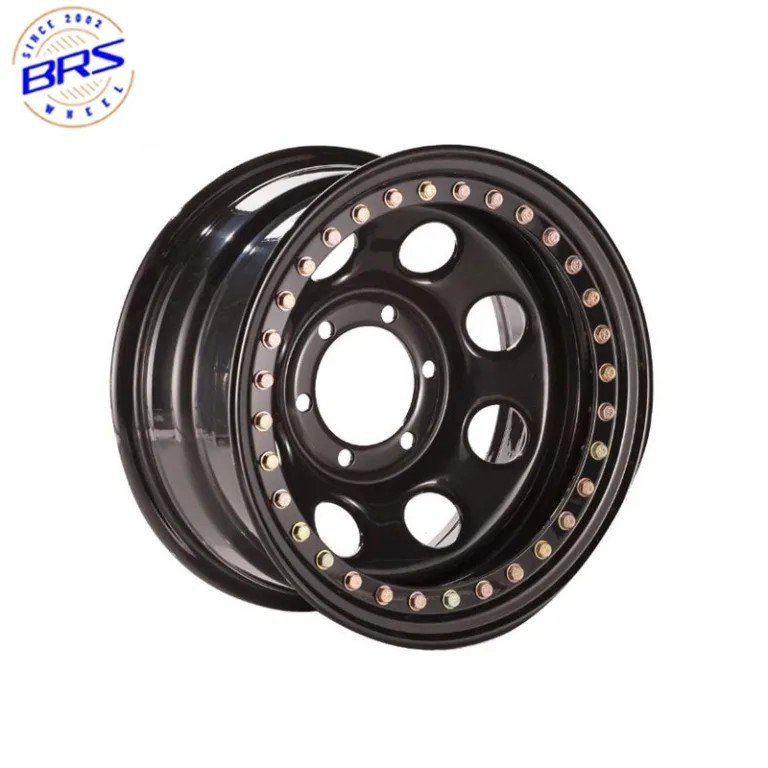
Se é mais barato pintar ou revestir as jantes depende tanto dos custos iniciais como dos de longo prazo. O revestimento em vinil é frequentemente a opção mais barata inicialmente, enquanto pintura de jantes ou revestimento em pó normalmente requer um investimento inicial mais elevado, mas pode oferecer melhor valor a longo prazo devido à sua maior durabilidade.
A melhor escolha também varia consoante o tempo que planeia manter o veículo, o estado das suas jantes e se dá prioridade a um preço inicial mais baixo ou a um acabamento mais duradouro. Este guia compara a pintura e o revestimento de jantes para o ajudar a decidir qual opção oferece melhor valor para as suas necessidades.
Pontos-chave
- A pintura eletrostática profissional custa mais inicialmente, mas proporciona o custo anual mais baixo para uma propriedade superior a 5 anos.
- O revestimento em vinil é a opção mais económica para veículos em propriedade ou leasing de 1 a 3 anos, uma vez que é totalmente removível.
- O revestimento não consegue ocultar riscos de passeio, riscos profundos ou danos na jante — para isso precisará de pintura.
- Inclua sempre os custos de desmontagem e remontagem dos pneus ao comparar orçamentos — aplicam-se a ambas as opções.
- As opções de bricolage custam menos inicialmente, mas apresentam maior risco de acabamento deficiente e menor durabilidade.
Quanto Custa Pintar Jantes?
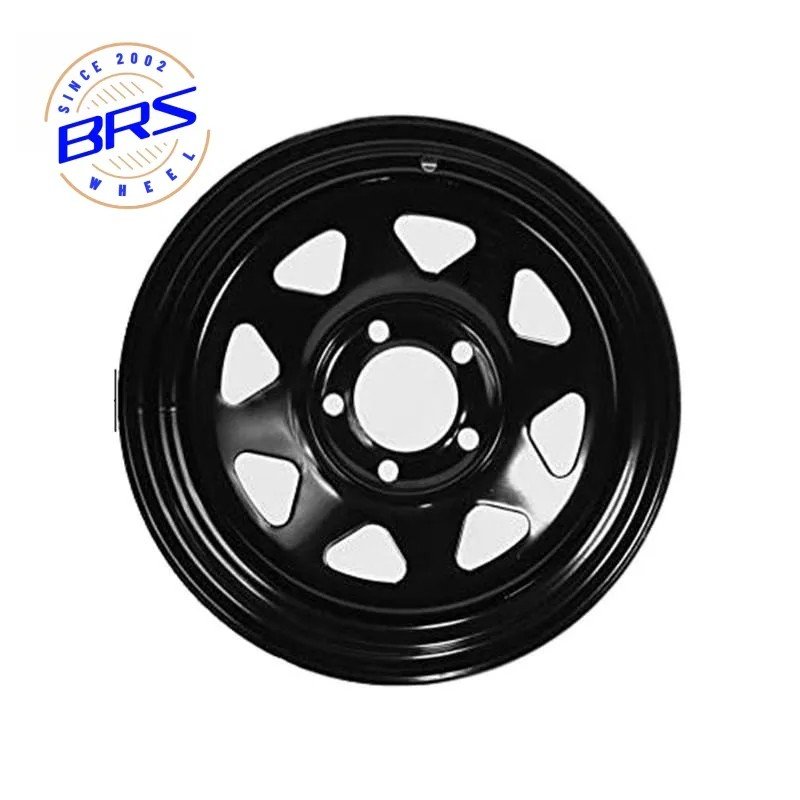
A pintura é um acabamento permanente aplicado diretamente ao metal da jante. Existem dois níveis muito diferentes — tinta em spray económica e pintura eletrostática premium — e proporcionam valores muito diferentes.
Tinta em Spray de Bricolage: A Opção Económica
A tinta aerossol DIY tem o custo inicial mais baixo. Um kit completo — primário, camada de cor, verniz e lixa — fica em $50–$150 para quatro jantes, com material restante para retoques.
Prós
- Investimento inicial mais baixo
- Pode ser feito em casa com ferramentas básicas
- Fácil de retocar pequenos lascados
Contras
- Muito trabalhoso: limpeza completa, lixagem, mascaramento e revestimento levam a maioria das pessoas um fim de semana inteiro
- Alto risco de escorrimentos, pingos, cobertura irregular e textura de casca de laranja
- Vida útil curta: 1–3 anos antes de desbotar, lascar e descascar
- Durabilidade fraca contra sal de estrada, lavagens de carro e impactos de passeio
A tinta DIY funciona se você tiver paciência, mãos firmes e planejar refazer o acabamento regularmente. Para a maioria dos motoristas, o risco de um acabamento ruim e os custos de refazer fazem com que seja menos vantajoso do que parece à primeira vista.
Pintura Eletrostática Profissional: A Opção de Durabilidade Premium
A pintura eletrostática é um acabamento polimérico aplicado eletrostaticamente e curado a calor. É o acabamento de jante mais durável disponível para condução diária.
O que está incluído num orçamento profissional típico:
- Remoção química completa do acabamento antigo
- Reparação de danos de meio-fio, preenchimento de riscos e endireitamento menor do aro (soldadura TIG quando necessário)
- Aplicação eletrostática de pó em mais de 10.000 opções de cores
- Verniz de proteção transparente final
- Garantia de 1–3 anos na mão de obra
Tintas em pó de alta qualidade podem durar 5-8 anos em uso normal. São mais resistentes ao descascamento, desbotamento, manchas de sal da estrada e corrosão química do que as tintas líquidas. Um conjunto de 16-inch jantes com revestimento em pó custa $150 por jante, o que corresponde a cerca de $30-40 por jante por ano—o custo anual mais baixo entre todas as soluções de longo prazo.
Quanto Custa Envelopar Jantes?
O vinil de envelopamento é uma película fina e adesiva aplicada sobre o acabamento existente da jante. Não é um reparo — é uma camada estética e protetora.
Envelopamento em Vinil DIY
A película de envelopamento em si custa $25–$50 por jante, portanto um conjunto DIY completo pode ficar abaixo de $100–$200 para cores básicas. Filmes cromados, de fibra de carbono e especiais custam mais.
Prós
- Custo inicial de material mais baixo
- Totalmente removível se quiser voltar ao estado original
- Sem alteração permanente no aro
Contras
- Curva de aprendizagem acentuada; bolhas, bordas levantadas e desalinhamento são comuns em principiantes
- Requer uma preparação perfeita da superfície — qualquer sujidade ou defeito ficará visível e causará descolamento
- Vida útil mais curta do que uma aplicação profissional
Envolvimento em vinil profissional
A instalação profissional custa $75–$150 por aro ($300–$600 por quatro aros), incluindo filme e mão de obra. Os instaladores utilizam pistolas de calor e estiramento de precisão para ajustar o filme firmemente às curvas da roda, eliminando bolhas e evitando o levantamento das bordas. A maioria das oficinas conceituadas oferece uma garantia de instalação de 1–2 anos.
Um envolvimento profissional de alta qualidade dura 3–5 anos em carros guardados em garagem, ou 2–3 anos em carros estacionados permanentemente ao ar livre. Condições meteorológicas adversas, sal da estrada e lavagens com máquina de alta pressão reduzem a vida útil.
A maior vantagem do envolvimento é que é totalmente removível. Quando vender o carro ou devolver um veículo em leasing, pode retirar o filme para revelar a pintura original de fábrica intacta.
Pintura vs. Envolvimento: Qual é Mais Barato a Longo Prazo?
A comparação mais justa utiliza o custo por ano: custo total ÷ vida útil esperada.
Desglose por período de propriedade
- 1–2 anos: O wrap é mais barato. O custo inicial é mais baixo e não precisará de o substituir antes de vender ou devolver o carro.
- 3–4 anos: Aproximadamente equivalente. Um wrap de qualidade média precisará de substituição aproximadamente na mesma altura em que uma pintura económica falha. O revestimento a pó profissional ganha ligeira vantagem se conservar o carro 4+ anos.
- 5+ anos: O revestimento a pó é claramente mais barato. A vida útil de 5–8 anos dilui o custo inicial e evita o custo de substituições repetidas do wrap.
Exemplo de cálculo:
- $600 de revestimento a pó profissional / 6 anos = $100/ano
- $450 de wrap profissional / 3 anos = $150/ano
A opção mais barata inicialmente quase nunca é a mais barata ao longo de toda a vida do carro.
Custos Ocultos que Todos Esquecem
Estas despesas aplicam-se a ambas as opções e quase nunca são incluídas nas comparações de preços iniciais.
- Desmontagem e remontagem do pneu Tanto a pintura como o envelopamento exigem a remoção do pneu do aro para garantir uma cobertura adequada das bordas. Uma oficina de pneus cobra $50–$100 para desmontar e remontar quatro aros, mais o balanceamento. Inclua sempre este custo no seu orçamento ao comparar orçamentos.
- Preparação e reparações A reparação de danos de passeio, o endireitamento de amassados e a remoção do acabamento antigo acrescentam custos. Os orçamentos de pintura a pó geralmente incluem a preparação básica; os orçamentos de envelopamento geralmente não incluem a reparação de danos.
- Custos de manutenção
- Aros pintados/com pintura a pó: lavar com sabão neutro, evitar limpezas ácidas agressivas. Reparar imediatamente lascas para prevenir a ferrugem.
- Aros envelopados: evitar lavagem com jato de água diretamente nas bordas, evitar solventes agressivos e produtos para pneus que possam descolar o filme.
- Mão de obra de substituição O envelopamento necessita de reaplicação completa a cada poucos anos — com o custo total da mão de obra em cada ocasião. A pintura apenas requer retoques, não uma renovação completa, em caso de danos.
Qual é a Melhor Opção para os Seus Aros?
Escolha pintura / pintura a pó se:
- Planeia manter o carro 5 ou mais anos
- Os seus jantes têm danos de passeio, riscos profundos ou pequenas amassaduras que precisam de reparação
- Quer o acabamento mais durável e resistente a lascas possível
- Prefere um aspeto permanente, com qualidade de fábrica
Escolha vinil se:
- É proprietário do carro a curto prazo (1–3 anos) ou está a devolver um leasing
- Quer proteger o acabamento original de fábrica das jantes
- Quer experimentar uma nova cor temporariamente, sem modificação permanente
- As suas jantes estão em perfeito estado, sem danos existentes
Nota importante: O vinil não funciona em jantes danificadas. O filme fino não esconderá danos de passeio, riscos ou amassaduras — na verdade, adaptar-se-á às imperfeições e torná-las-á mais visíveis. Jantes danificadas precisam sempre de pintura.
Conclusão
Para a maioria dos condutores que mantêm o carro durante mais de 3–4 anos, a pintura a pó profissional é a melhor opção em termos de valor global. Custa mais inicialmente, mas a sua durabilidade superior proporciona o menor custo por ano e a melhor aparência a longo prazo.
Para propriedade a curto prazo, veículos de leasing ou mudanças de cor temporárias, o vinil é a escolha mais inteligente e flexível. Custa menos para começar, preserva o acabamento de fábrica e remove-se de forma limpa.
As opções DIY podem poupar dinheiro se tiver a habilidade e a paciência para as fazer bem, mas um trabalho DIY mal executado acabará por custar mais do que um trabalho profissional para corrigir.
Perguntas frequentes
Quanto tempo dura um revestimento por pulverização termossoldável profissional nos aros?
Um acabamento em powder coat corretamente aplicado dura 5–8 anos em uso rodoviário normal e com cuidados básicos. Resiste a lascas, desbotamento e corrosão muito melhor do que a tinta spray líquida. A limpeza regular e os retoques rápidos de lascas prolongam ainda mais a vida útil.
Pode envelopar os aros em casa sozinho?
Sim, mas exige paciência e uma preparação cuidadosa. O filme de envelopamento básico custa $25–$50 por aro, mas obter um resultado limpo e sem bolhas em faces de aro curvas requer prática. A maioria dos condutores considera que a instalação profissional vale o custo da mão de obra para um resultado mais limpo e duradouro.
O envelopamento dos aros protege o acabamento original de fábrica?
Sim. O vinil de envelopamento atua como uma camada protetora sacrificial sobre a pintura de fábrica. Protege contra o desbotamento por UV, pequenas lascas de pedras e leve abrasão da estrada. Quando removido corretamente, o acabamento original por baixo permanece intacto — razão pela qual o envelopamento é popular em viaturas de leasing.
Que custos ocultos se aplicam a ambas as opções?
Ambas exigem a desmontagem e remontagem dos pneus ($50–$100 por quatro rodas) para obter uma cobertura limpa das bordas. Muitos compradores ignoram esta despesa obrigatória ao comparar orçamentos iniciais. O trabalho de preparação, reparações e manutenção também acrescentam ao custo total.
O envelopamento pode cobrir danos de meio-fio nos aros?
Não. O vinil de envelopamento é um filme fino e conformável — acompanha a forma de qualquer arranhão, amolgadela ou dano de meio-fio, tornando o dano mais visível, e não escondendo-o. Rodas com danos na superfície necessitam de pintura ou powder coat, que preenchem e cobrem as imperfeições.
Pintar os meus aros afetará o meu leasing?
A maioria dos contratos de locação proíbe modificações permanentes nos aros originais. Pintar os aros é considerado uma alteração permanente e pode resultar em penalidades no fim do contrato. O revestimento em vinil é removível e é quase sempre compatível com a locação, desde que removido de forma limpa.