

Die Wahl des perfekten Radgröße bedeutet, Sicherheit, Fahrleistung, Fahrkomfort und Rechtskonformität in Einklang zu bringen — nicht nur einen Stil zu wählen, der gut aussieht. Die falsche Größe oder schlechte Passung kann das Lenkgefühl verschlechtern, die Bremsleistung mindern, den Kraftstoffverbrauch erhöhen und sogar strukturelle Ausfallrisiken verursachen.
Der richtige Ansatz folgt drei grundlegenden Schritten: Beginnen Sie mit den Originalspezifikationen Ihres Fahrzeugs, überprüfen Sie die kritischen Einbauparameter und passen Sie dann die Maße Ihren Fahrbedürfnissen an. Dieser Leitfaden erläutert, wie die Radgröße die Fahrleistung beeinflusst, welche Einbaudetails am wichtigsten sind und wie Sie kostspielige, gefährliche Fehler vermeiden.
Wichtigste Erkenntnisse
- Beginnen Sie immer mit den Original-Rad- und Reifenspezifikationen Ihres Fahrzeugs, die auf dem Aufkleber an der Fahrertür angegeben sind.
- Passen Sie drei kritische Einbauparameter an die Radnabe Ihres Fahrzeugs an: Lochkreis (PCD), Einpresstiefe und Mittelloch.
- Größere Räder erhöhen das Rotationsträgheitsmoment und die ungefederte Masse, was Beschleunigung und Fahrkomfort mindert.
- Verwenden Sie vor dem Kauf einen Rad- und Reifengrößenrechner, um den Gesamtdurchmesser und die Freigängigkeit zu überprüfen.
- Konsultieren Sie bei Unsicherheit einen professionellen Einbauexperten, um Fahrverhaltens- und Sicherheitsprobleme zu vermeiden.
Wie die Radgröße die Fahrzeugleistung beeinflusst

Ungefederte Masse & Rotationsträgheit
Die Radgröße verändert zwei entscheidende physikalische Eigenschaften, die die Fahrleistung beeinflussen:
- Ungefederte Masse: Das Gewicht der Komponenten, die nicht von den Federungsfedern getragen werden (Räder, Reifen, Bremsen, Naben). Ein typisches Stahlrad wiegt ca. 35 kg, während ein Aluminiumlegierungsrad derselben Größe ca. 21 kg wiegt. Dieser Unterschied von ca. 14 kg pro Rad verlangsamt die Federungsreaktion, da die schwerere ungefederte Masse länger braucht, um über Unebenheiten zu bewegen, was Reifenkontakt und Grip verringert.
- RotationsTrägheit: Die Trägheit nimmt mit dem Quadrat des Raddurchmessers zu. Eine Verdopplung des Durchmessers macht ein Rad viermal schwerer in Drehung zu versetzen. Ein kontrollierter Test an einem VW Golf ergab 0–60 mph in 7,6 Sekunden mit 15-Zoll-Räder, und 7,9 Sekunden mit 19-inch Rädern, aufgrund der erhöhten Trägheit, die mehr Motordrehmoment erfordert.
Fahrkomfort, Grip & Kraftstoffverbrauch
Radbreite und Reifenquerschnitt führen ebenfalls zu Kompromissen:
- Breitere Reifen vergrößern die Aufstandsfläche für besseren Grip, erhöhen aber auch den Rollwiderstand und verschlechtern die Kraftstoffeffizienz.
- Größere Räder mit niederquerschnittigeren Reifen übertragen mehr Straßenunebenheiten in den Innenraum und sorgen für ein strafferes Fahrgefühl, bieten jedoch auch präzisere Lenkrückmeldung und bessere Kurvenstabilität.
- Schwerere Räder verringern zudem den Kraftstoffverbrauch: Ein Test ergab, dass Fahrzeuge mit leichten Alufelgen im Durchschnitt 21,5 MPG erreichten, gegenüber 21,1 MPG mit baugleichen Stahlrädern.
So wählen Sie die richtige Radgröße

Schritt 1: Beginnen Sie mit den Werksangaben
Jedes Fahrzeug hat einen Aufkleber an der Fahrertür mit der Angabe der Originalreifengröße, des Lastindex, der Geschwindigkeitsklasse und des empfohlenen Reifenlüftungsdrucks. Zum Beispiel bedeutet der Code P215/65R15 95H Folgendes: Pkw-Reifen, 215mm Breite, 65% Querschnittsverhältnis, Radialbauweise, 15-inch Raddurchmesser, 95 Lastindex, H Geschwindigkeitsklasse.
Diese Werksangaben sind Ihre Basis für jede Änderung der Radgröße.
Schritt 2: Kritische Einbauparameter überprüfen
Über den Durchmesser hinaus müssen drei nicht verhandelbare Parameter mit Ihrem Fahrzeug übereinstimmen:
- Bolzenmuster (PCD): Der Durchmesser des Kreises, der durch die Radlöcher gebildet wird (z. B. 5×114,3).
- Versetzt: Der Abstand zwischen der Radnabe-Auflagefläche und der Radmittelebene. Aus Sicherheitsgründen bleiben Sie innerhalb von 5mm des Werks-Offsets; Änderungen von 5–10mm können Distanzscheiben erfordern, und über 10mm hinaus sind in der Regel Kotflügelanpassungen oder Spurvermessungseinstellungen erforderlich.
- Zentrierbohrung: Die Öffnung in der Radmitte muss genau dem Durchmesser Ihrer Nabe entsprechen. Eine Abweichung verursacht Vibrationen und beschleunigten Verschleiß.
Verwenden Sie einen Reifen- und Radgrößenrechner, um den Gesamtreifendurchmesser zu prüfen — halten Sie Änderungen innerhalb von 3%, um Interferenzen mit ABS, Traktionskontrolle und Tachogenauigkeit zu vermeiden. Der Rechner zeigt auch die inneren/äußeren Freigänge, um Kollisionen mit Fahrwerk oder Kotflügel zu prüfen.
Schritt 3: Auf Ihre Fahrbedürfnisse abstimmen
Stimmen Sie Ihre Radwahl auf Ihre Fahrzeugnutzung ab:
- Täglicher Pendelverkehr: Bleiben Sie nahe an den Werksgrößen für die beste Balance aus Fahrkomfort, Kraftstoffverbrauch und Zuverlässigkeit.
- Offroad-Einsatz: Wählen Sie breitere Felgen mit korrektem Einpresstieg-Wert (Backspacing) für Traktion und Haltbarkeit.
- Leistung beim Fahren: Setzen Sie auf leichtere Felgen, um die ungefederte Masse zu reduzieren und das Lenkansprechen zu verbessern.
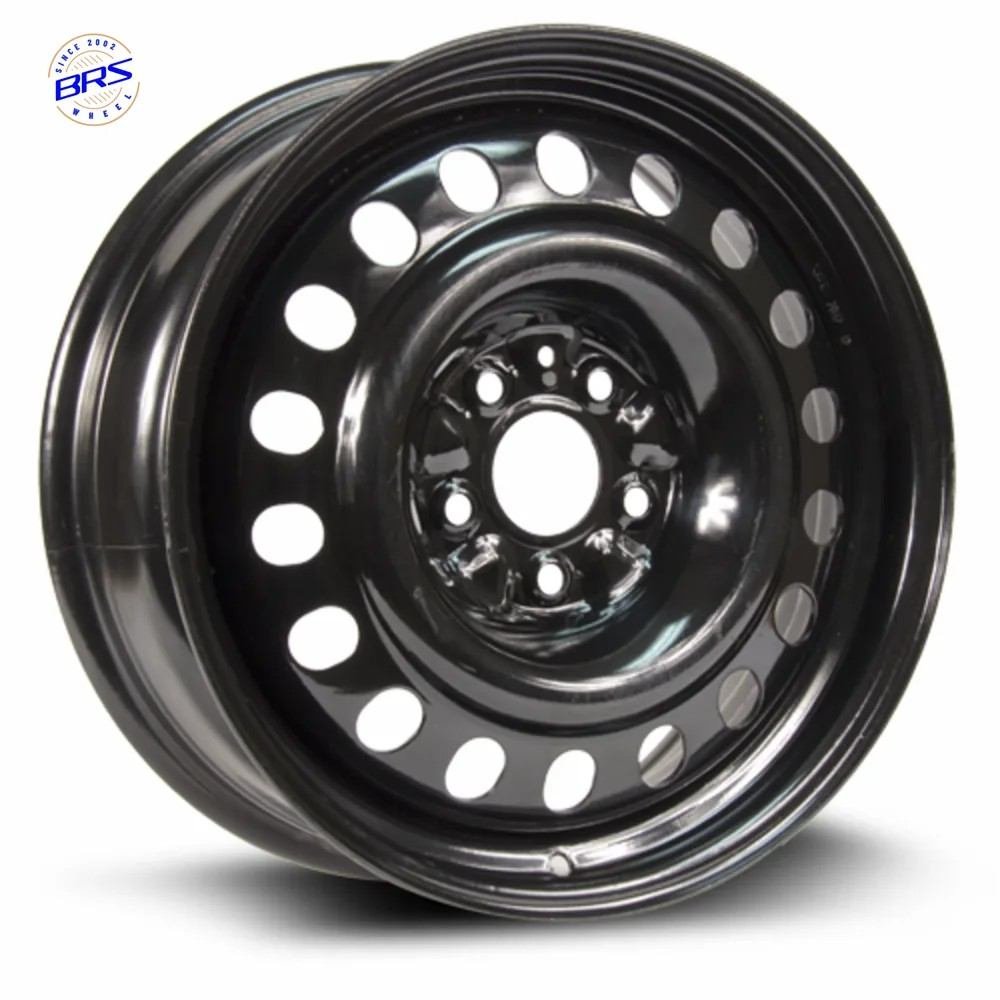
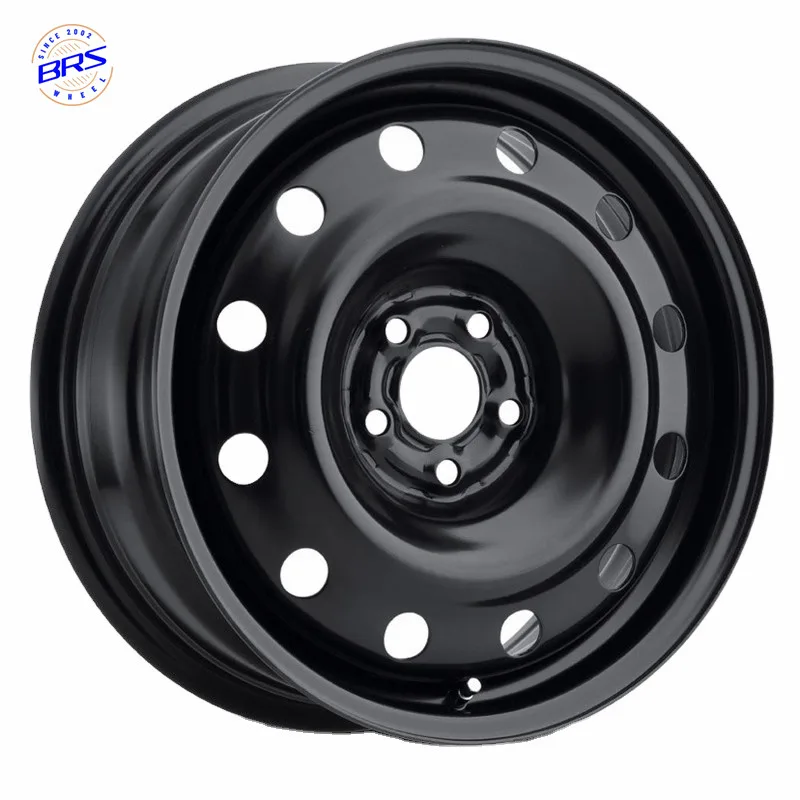
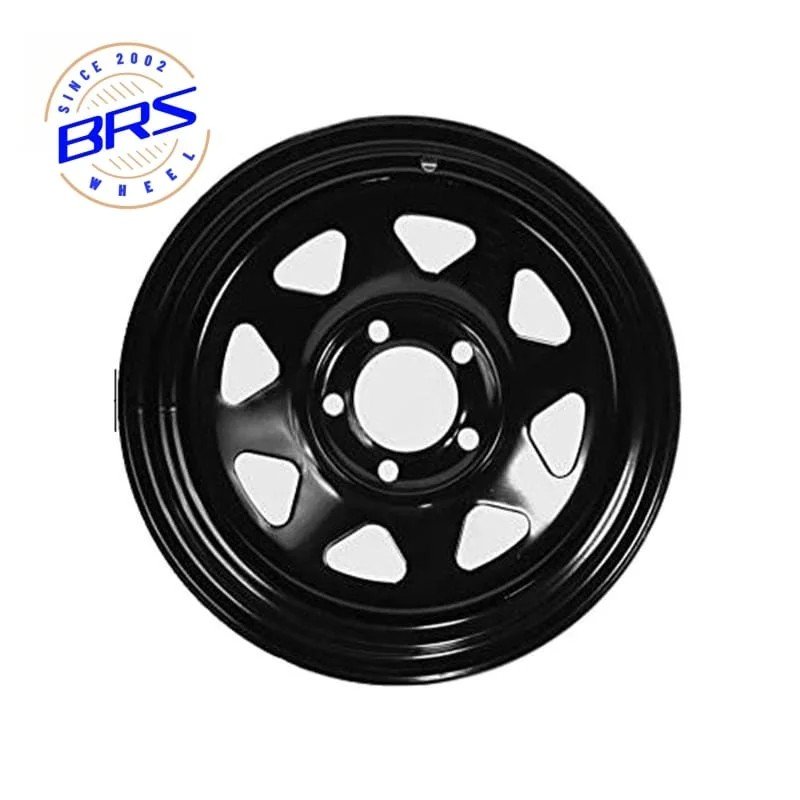
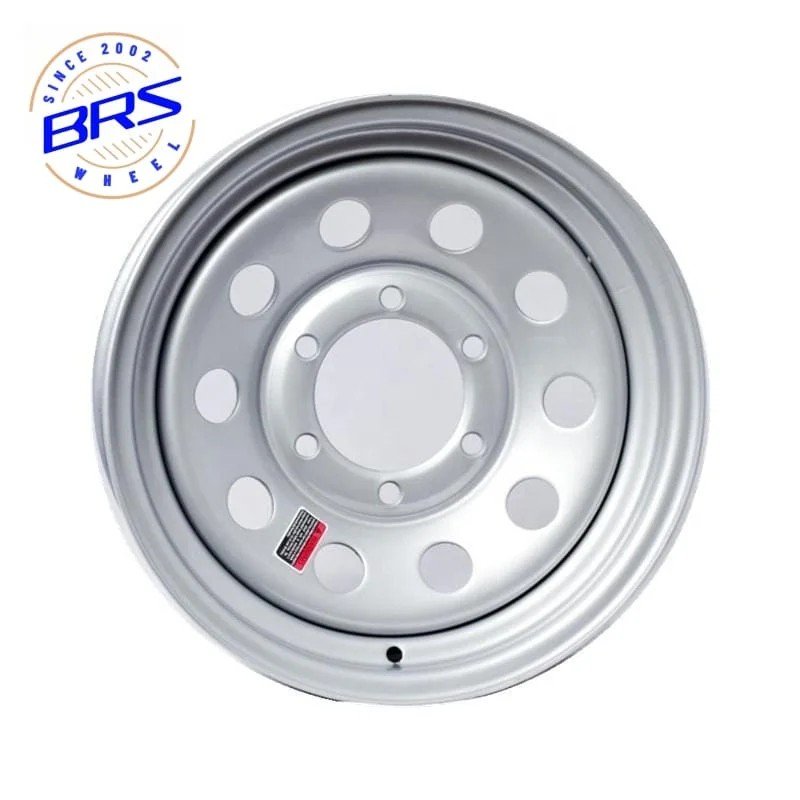
Für Sonderanfertigungen bieten Hersteller wie BRS Stahlräder von 6–18 Zoll mit anpassbaren Lochkreisen, Mittelloch-Durchmessern und Tragfähigkeiten für kommerzielle, Anhänger- und Landwirtschaftsanwendungen.
Häufig zu vermeidende Fehler bei der Anpassung
| Häufiger Irrtum | Unmittelbare Folge |
|---|---|
| Nur auf den Durchmesser achten, Breite und Einpresstiefe ignorieren | Verändert den Lenkrollradius, verändert das Lenkgefühl und verursacht vorzeitigen Reifen- und Fahrwerkverschleiß |
| Nicht übereinstimmender Lochkreis oder Mittelloch-Durchmesser | Verursacht Vibrationen, beschleunigten Verschleiß und ernste Sicherheitsrisiken durch lose Montage |
| Freigabekontrollen für Bremse und Fahrwerk überspringen | Führt zu unbrauchbaren Felgen, die an Bremssätteln oder Federbeinen reiben |
| TPMS- und Hardware-Kompatibilität vergessen | Verhindert eine korrekte Montage oder führt zu unsicheren Einbaubedingungen |
| Übermäßig aggressiver Einpresstiefe | Verursacht Kontakt mit dem Kotflügel, verringert den Wendekreis und belastet die Radlager |
| Schlechte Reifengrößen-Abstimmung | Verfälscht Tacho-/ABS-Genauigkeit und verändert das Fahrverhalten |
FAQ
Wie wirkt sich die Einpresstiefe des Rads auf die Passung aus?
Die Einpresstiefe bestimmt, wie weit das Rad nach innen oder außen sitzt. Eine falsche Einpresstiefe kann dazu führen, dass der Reifen an Aufbauteilen oder Kotflügeln schleift, und verändert das Lenkverhalten durch die Veränderung des Baulaufradius.
Was verursacht Reifenkontakt nach einem Radwechsel?
Reifenkontakt entsteht meist durch eine falsche Einpresstiefe (der Reifen wird zu weit nach außen gedrückt) oder unzureichenden Platz im Radhaus. Er kann auch bei übergroßen Reifendurchmessern beim Einfedern der Aufhängung auftreten.
Was sind Back Space und Front Space?
Back Space ist der Abstand von der Radnaben-Auflagefläche zur inneren Kante des Rads. Front Space ist der Abstand von der Auflagefläche zur äußeren Kante. Zusammen bestimmen sie den Platz zur Aufhängung nach innen und zum Kotflügel nach außen.
Kann eine kleine Änderung der Einpresstiefe Platzprobleme lösen?
Eine Verringerung des positiven Einpresstiefs verschiebt das Rad nach außen, was den Freiraum zum vorderen Kotflügel vergrößert, aber den Freiraum zur inneren Radaufhängung verringert. Prüfen Sie nach Änderungen immer die vollständige Freigängigkeit über den gesamten Federweg der Radaufhängung.
Beeinträchtigen größere Räder stets den Kraftstoffverbrauch?
Im Allgemeinen ja. Größere, schwerere Räder erhöhen das rotationsträgheitsmoment und den Rollwiderstand, was die Kraftstoffeffizienz mindert. Bei moderaten Größenzunahmen ist der Unterschied gering, wird jedoch bei sehr großen Rädern oder schweren Stahlrädern deutlich.