Herausfinden, welche Felgenmarke Sie haben, ist unkompliziert, wenn Sie wissen, wo Sie nachsehen müssen – in den meisten Fällen sind keine Spezialwerkzeuge erforderlich. Die meisten Felgen tragen Markierungen auf der Nabenkappe, der Vorderseite oder im inneren Felgenhorn, obwohl Schmutz, Bremsstaub und verblasster Lack diese Details mit der Zeit verbergen können.
Dieser Leitfaden führt Sie durch jede Identifikationsmethode, von schnellen Prüfungen ohne Ausbau bis zur Überprüfung von Stempelungen auf der Rückseite, sowie wie Sie abgenutzte oder unmarkierte Felgen mit Online-Tools identifizieren.
Wichtigste Erkenntnisse
- Beginnen Sie zuerst mit den Markierungen auf der Nabenkappe und der Vorderseite – Sie können die meisten Felgen identifizieren, ohne die Felge vom Fahrzeug auszubauen.
- Reinigen Sie zuerst die Felgenoberfläche mit milder Seife; Bremsstaub und Straßenschmutz verbergen blass aufgedruckte Logos, Gravuren und Prägungen.
- Die Rückseite der Felge enthält die zuverlässigsten Informationen: Marken-Teilenummern, Größe, Einpresstiefe und Sicherheitszertifizierungen sind alle in das innere Felgenhorn eingestanzt.
- Wenn die Stempelungen abgenutzt sind, verwenden Sie eine umgekehrte Bildersuche oder Autofahrer-Foren, um Felgen anhand des Speichendesigns und der Form zu identifizieren.
- Nabenkappen können von Vorbesitzern getauscht worden sein, daher sollten Sie immer andere Markierungen heranziehen, um die Marke zu bestätigen.
Marke ohne Ausbau der Felge identifizieren
Reinigen Sie zuerst die Felge
Wischen Sie zunächst die Nabenkappe, die Speichenzwischenräume und den äußeren Felgenrand mit milder Seife und einem weichen Tuch ab. Angesammelter Bremsstaub und Straßenschmutz verdecken leicht blass aufgedruckte Logos und Gravuren. Eine saubere Oberfläche macht kleine Beschriftungen sichtbar und vermeidet Kratzer auf der Oberfläche, während Sie Details inspizieren.
Die Nabenkappe prüfen
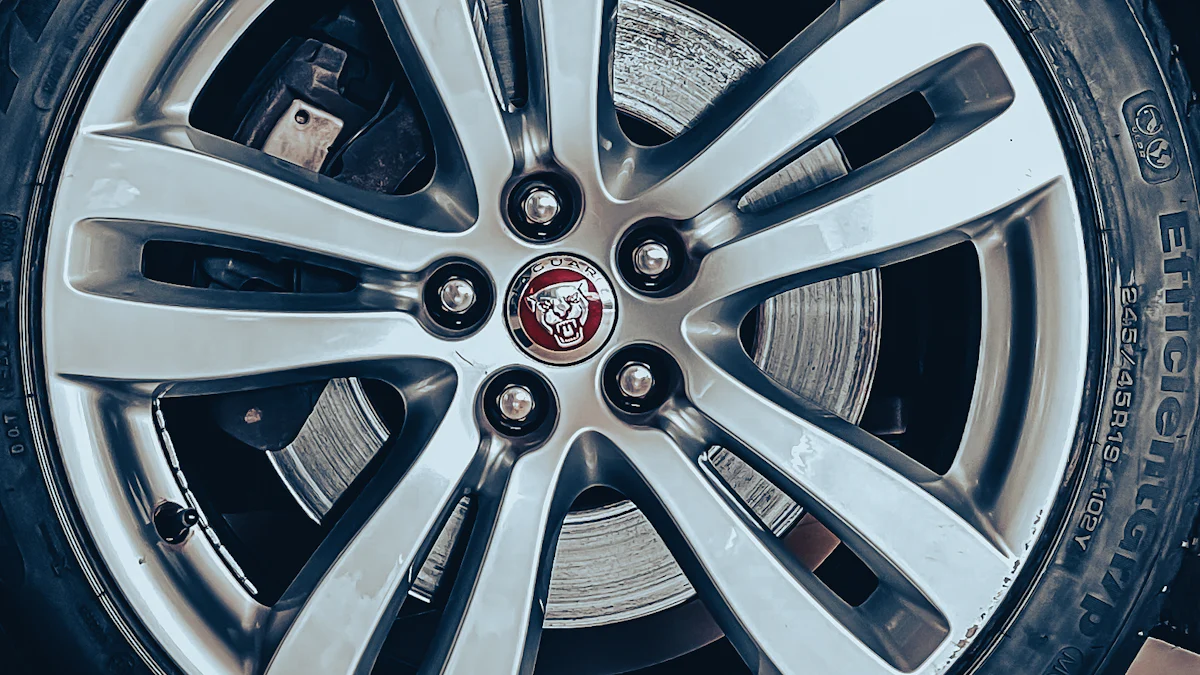
Die Nabenkappe ist der schnellste Ort, um ein Markenlogo zu finden. Die meisten Original- und Aftermarket-Felgen haben eine geprägte Kunststoff- oder Metallscheibe in der Radmitte, mit einem erhöhten oder aufgedruckten Firmenlogo.
Wichtiger Hinweis: Vorbesitzer haben manchmal die originalen Nabenkappen durch dekorative Custom-Kappen ersetzt. Ein Logo auf der Kappe ist meist korrekt, aber vergleichen Sie es immer mit anderen Markierungen, um sicherzugehen. Zur zusätzlichen Bestätigung hebeln Sie die Kappe vorsichtig mit einem Kunststoff-Keilwerkzeug ab – auf der Rückseite befindet sich oft eine Teilenummer oder ein Markenstempel auf den Halteclips.
Nach Markierungen auf der Vorderseite und dem Rand suchen
Wenn die Nabenkappe kein Logo hat, prüfen Sie die Vorderseite der Felge auf sekundäre Markierungen:
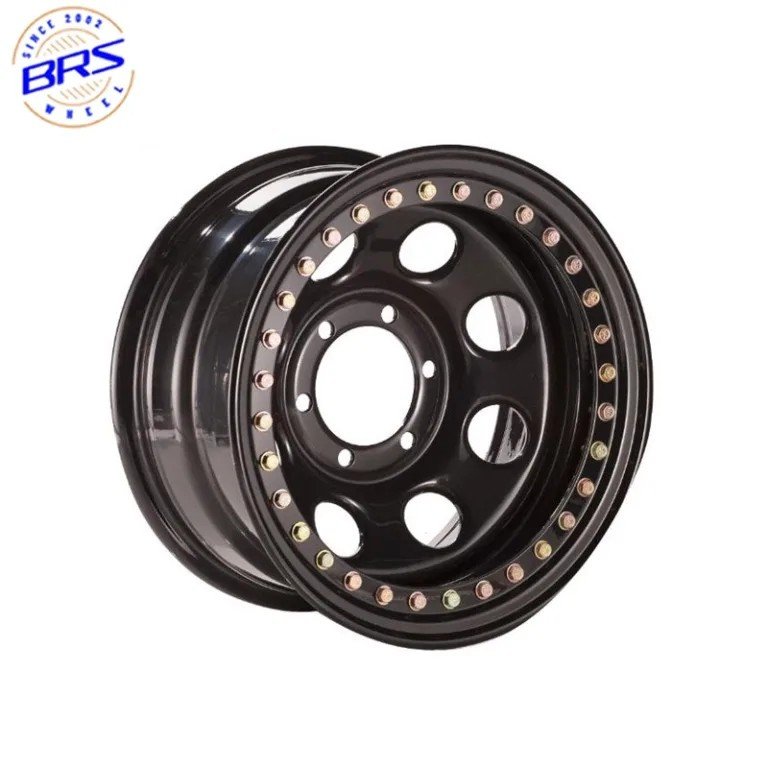
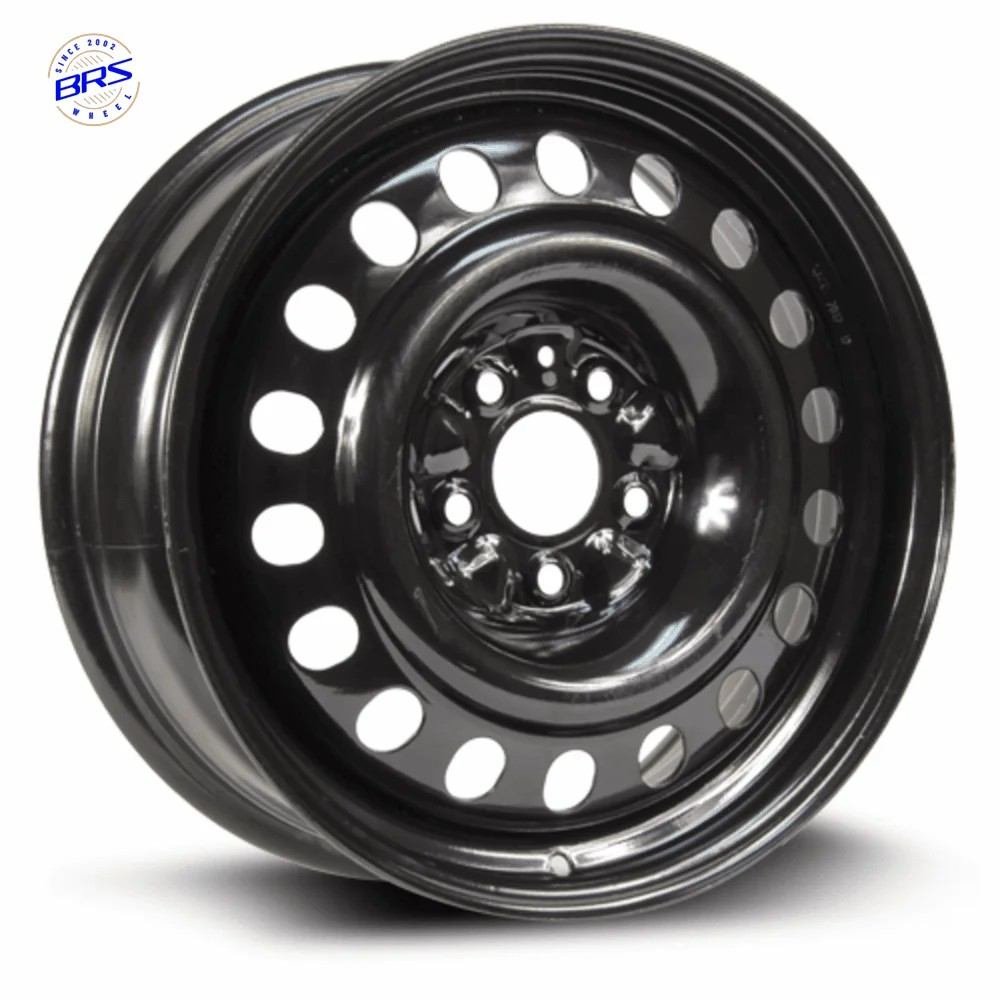
- Stahlfelgen haben oft erhöhte Markenstempel um die Radlöcher oder am äußeren Felgenrand. Qualitäts- Stahlfelgenhersteller wie Ningbo BRS pressen tiefe Erkennungsmarkierungen während der Produktion ins Metall, die auch unter Lack oder Pulverbeschichtung sichtbar bleiben.
- Alufelgen haben meist kleine Gravuren am äußeren Felgenrand, in der Nähe des Ventils oder vertieft hinter den Speichen. Achten Sie auf Markeninitialen, Hersteller-Codes oder Sicherheitsnorm-Kennzeichnungen.
Nutzen Sie den Kamerazoom Ihres Telefons, um verblasste oder abgenutzte Beschriftungen aus der Nähe zu lesen, ohne die Augen zu belasten. Notieren Sie alle gefundenen Namen, Codes oder Symbole, um sie später mit Online-Felgenkatalogen abzugleichen.
Die Rückseite der Felge auf eindeutige Markierungen prüfen
Wenn die Markierungen auf der Vorderseite nicht ausreichen, nehmen Sie die Felge vom Fahrzeug ab, um die Rückseite zu inspizieren – hier befinden sich die detailliertesten und zuverlässigsten Original-Stempel.
Markierungen auf Speiche und innerem Felgenhorn
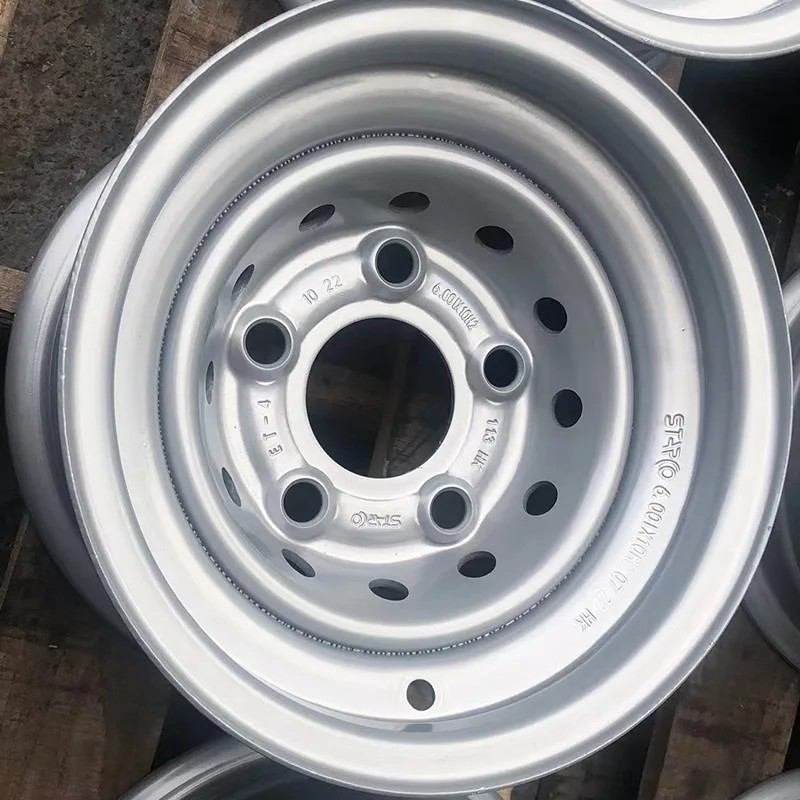
Hersteller schlagen Markencodes, Teilenummern und Produktionsinformationen direkt in die Rückplatte (den flachen Mittelbereich) oder die Innenwand der Felge ein. Das Aussehen der Prägungen hängt davon ab, wie die Felge hergestellt wurde:
- Gussfelgen: Erhabene, abgerundete Buchstaben, die während des Gießprozesses entstehen
- Geschmiedete Felgen: Scharfe, tiefe Gravuren durch Laser- oder CNC-Bearbeitung
Wischen Sie Schmutz und Schmutzbeläge mit einem Tuch vom inneren Felgenhorn ab und verwenden Sie eine Taschenlampe, um schwache Prägungen sichtbar zu machen.
Größen-, Einpresstiefe- und Lochkreisdaten ablesen
Die Rückseite der Felge enthält auch wichtige Maßdaten, die bei der Bestätigung der Passung und der Eingrenzung der Marke helfen:
- Felgengröße: Eingestanzt als etwas wie
18x8J, was 18 Zoll Durchmesser und 8 Zoll Breite bedeutet. - Versetzt: Gekennzeichnet mit
ETgefolgt von einer Zahl (z. B. ET35). Positiver Einpresstief bedeutet, dass die Anlagefläche nach außen zeigt; negativer Einpresstief sitzt tiefer im Felgenbett. Die korrekte Einpresstiefe verhindert Reibung des Reifens an Fahrwerk und Karosserie. - Lochkreis (PCD): Die Anzahl der Radlöcher und der Durchmesser des Kreises, den sie bilden. Ein falscher Lochkreis verursacht Vibrationen und eine unsichere Montage.
- Tragfähigkeit: Maximale Tragfähigkeit, in der Nähe der Radnabe eingeprägt, besonders wichtig für Lkw und Heavy-Duty-Felgen.
Achten Sie auf Sicherheitszertifizierungen & Teilenummern
Formale Sicherheitskennzeichnungen bestätigen, dass die Felge nach offiziellen Standards gefertigt wurde, und können helfen, die Marke einzugrenzen:
| Sicherheitskennzeichnung | Bedeutung |
|---|---|
| DOT | Erfüllt die Sicherheitsstandards des US-Verkehrsministeriums; enthält Herstellerregistrierung, Tragfähigkeit und Festigkeitsprüfungen. Für den Straßenverkehr in den USA erforderlich. |
| JWL | Japanischer Leichtmetallfelgen-Standard; besteht Biege-, Schlag- und Rundlaufprüfungen. JWL-T gilt für Lkw-Felgen. |
| VIA | Zertifizierung der Fahrzeugprüforganisation; strengere unabhängige Prüfungen über dem JWL-Standard, Japans höchste Felgen-Sicherheitskennzeichnung. |
Die zuverlässigste Methode, eine Marke zu identifizieren, ist die Werks-Teilenummer, die auf der Rückseite der Nabe eingeprägt ist. Geben Sie die vollständige Teilenummer in eine Suchmaschine ein, um exakte Produktlistings, Herstellerinformationen und Produktionsdaten zu finden. Dies funktioniert sowohl für OEM-Werksfelgen als auch für individuelle Aftermarket-Felgen.
Online-Tools für abgenutzte oder unbeschriftete Felgen verwenden
Wenn alle Prägungen abgenutzt oder unleserlich sind, nutzen Sie diese beiden Methoden, um die Felge anhand ihres Designs zu identifizieren.
Rückwärts-Bildersuche
Machen Sie ein klares, frontales Foto der gesamten Vorderseite der Felge (bremsen Sie zuerst den Bremsstaub ab). Laden Sie das Foto in eine Rückwärts-Bildersuchmaschine hoch. Das Tool gleicht das Speichenmuster, die Ventilposition und die Form des Felgenhorns mit Millionen von Bildern ab und liefert passende Produktseiten und Markennamen.
Für beste Ergebnisse:
- Frontal fotografieren, nicht in einem Winkel
- Das Foto bei gleichmäßigem, hellem Licht aufnehmen
- Das Bild so zuschneiden, dass nur die Felge zu sehen ist
Enthusiasten-Foren & Communities fragen
Auto- und Felgen-Enthusiasten-Foren verfügen über große Communities von sachkundigen Besitzern und Mechanikern. Posten Sie klare Fotos der Felge (Vorderseite, Seite und alle sichtbaren Markierungen) sowie Größe und Lochkreis, und die Mitglieder können in der Regel Marke und Modell schnell identifizieren.
Dies ist besonders hilfreich bei seltenen individuellen Felgen, Vintage-Felgen und importierten Modellen, die nicht in den Standard-Suchergebnissen erscheinen.
Schlussfolgerung
Die Identifizierung Ihrer Felgenmarke folgt einem einfachen, schrittweisen Prozess: Beginnen Sie mit den Markierungen auf der Nabenkappe und der Vorderseite (kein Ausbau erforderlich), fahren Sie mit Stempeln auf der Rückseite und Teilenummern zur Bestätigung fort und nutzen Sie Online-Tools bei abgenutzten oder unmarkierten Designs.
Konsultieren Sie immer mehrere Markierungen, statt sich nur auf die Nabenkappe zu verlassen, da diese ausgetauscht werden kann. Wenn Sie die genaue Felgenmarke und das Modell kennen, ist es viel einfacher, Ersatzteile, passende Nabenkappen oder eine Ersatzfelge mit korrektem Einbaumaß zu kaufen.
FAQ
Können Sie eine Felgenmarke identifizieren, ohne die Felge auszubauen?
Ja, in den meisten Fällen. Reinigen Sie zunächst die Nabenkappe und den äußeren Felgenrand, um nach Logos, Gravuren oder gestempelten Markenzeichen zu suchen. Viele Felgen haben sichtbare Branding-Merkmale auf der Vorderseite, für die kein Ausbau erforderlich ist.
Was ist, wenn die Nabenkappe von einem vorherigen Besitzer ausgetauscht wurde?
Verlassen Sie sich nicht nur auf die Nabenkappe. Suchen Sie nach zusätzlichen Markierungen am äußeren Felgenhorn, in der Nähe des Ventils oder hinter den Speichen. Wenn Sie immer noch kein Markenzeichen finden, bauen Sie die Felge aus, um auf der Rückseite des Felgenkörpers nach Teilenummern und Werksstempeln zu suchen.
Was bedeuten die auf der Rückseite einer Felge eingestempelten Zahlen?
Stempel auf der Rückseite enthalten die Felgengröße (Durchmesser und Breite), die Einpresstiefe (ET-Wert), das Lochbild, die Tragfähigkeit und die Werks-Teilenummer. Sie enthalten auch Sicherheitszertifizierungen wie DOT oder JWL, die bestätigen, dass die Felge den offiziellen Standards entspricht.
Wie identifiziere ich eine Felge ohne sichtbare Markenzeichen?
Wenn alle Stempel abgenutzt sind, nutzen Sie eine umgekehrte Bildersuche mit einem klaren Foto der Felgenvorderseite. Sie können auch Fotos in Autoforen posten – Mitglieder können Felgen meist an ihrem Speichenmuster, ihrer Form und einzigartigen Design-Details identifizieren.
Sagt mir ein DOT-Stempel die Marke?
Nicht direkt, aber der DOT-Code enthält eine Hersteller-Registrierungsnummer, die nachgeschlagen werden kann, um das Produktionswerk und die Marke zu finden. Die vollständige Teilenummer auf der Rückseite der Felge ist ein schnellerer und zuverlässigerer Weg, um die genaue Marke und das Modell zu bestätigen.