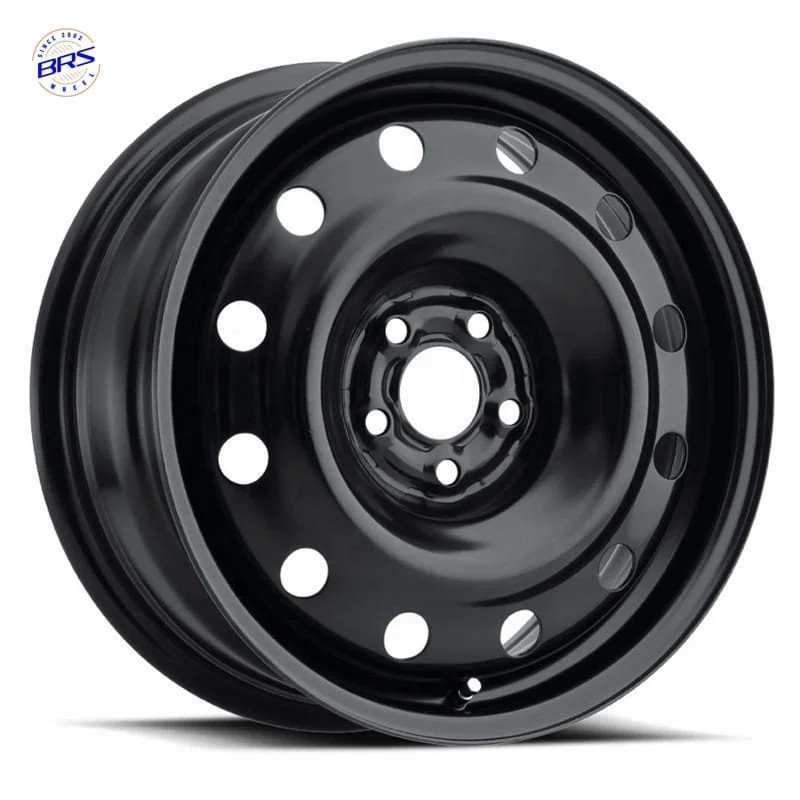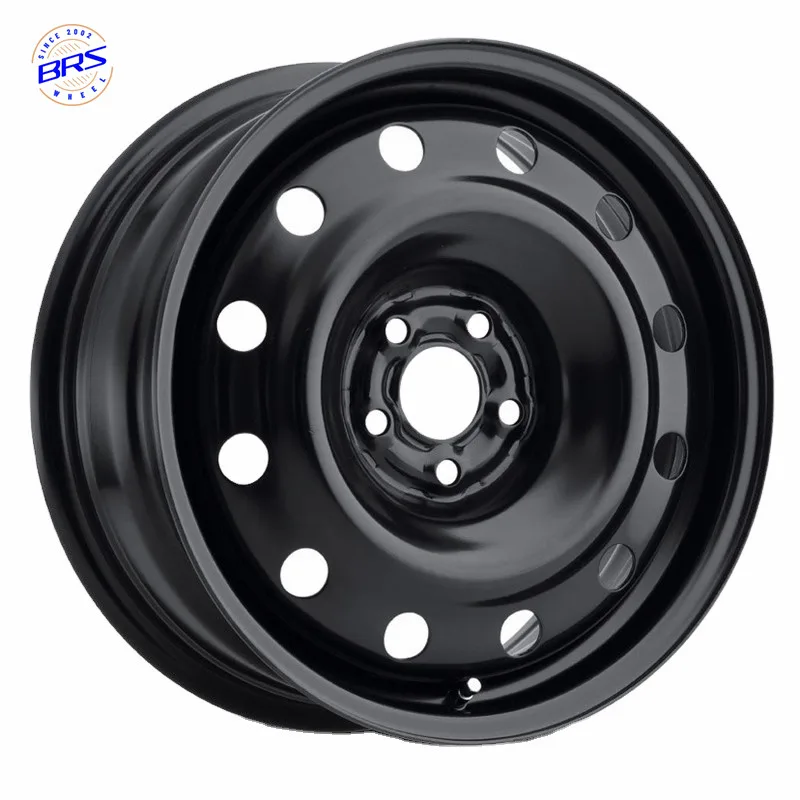
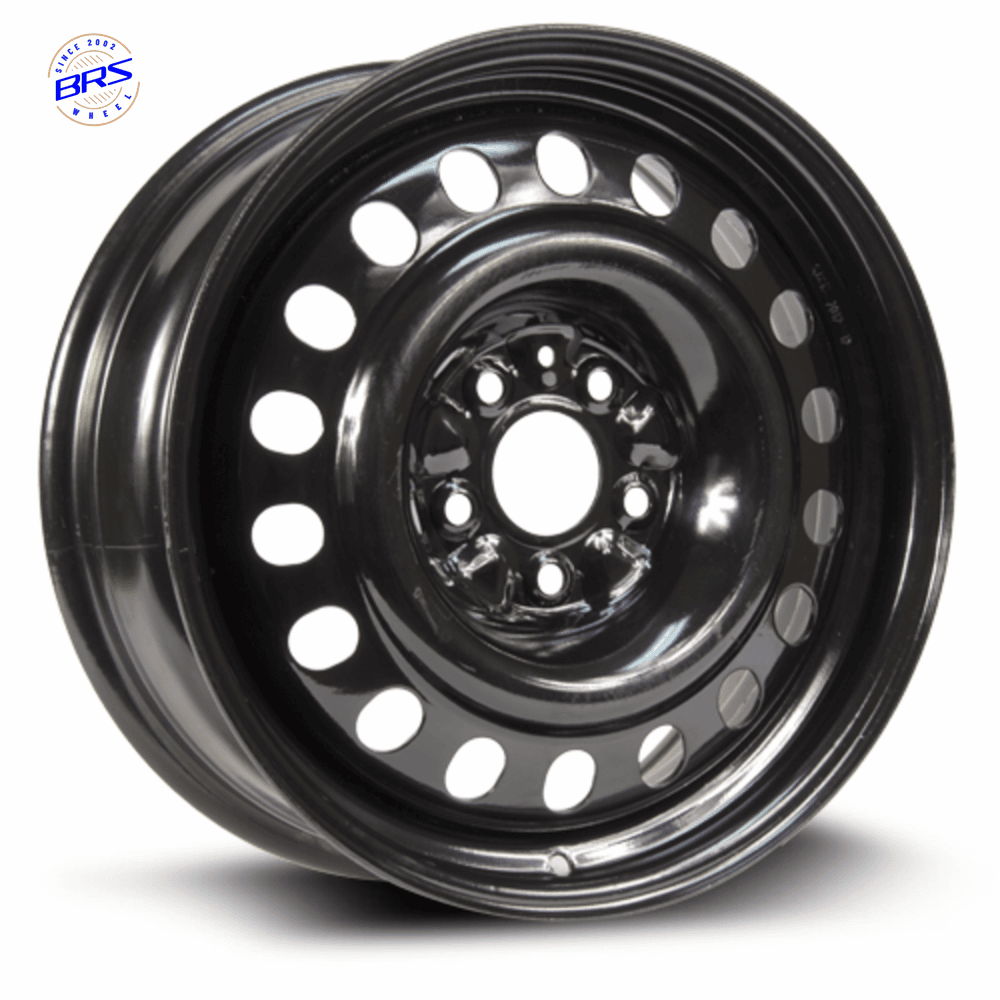

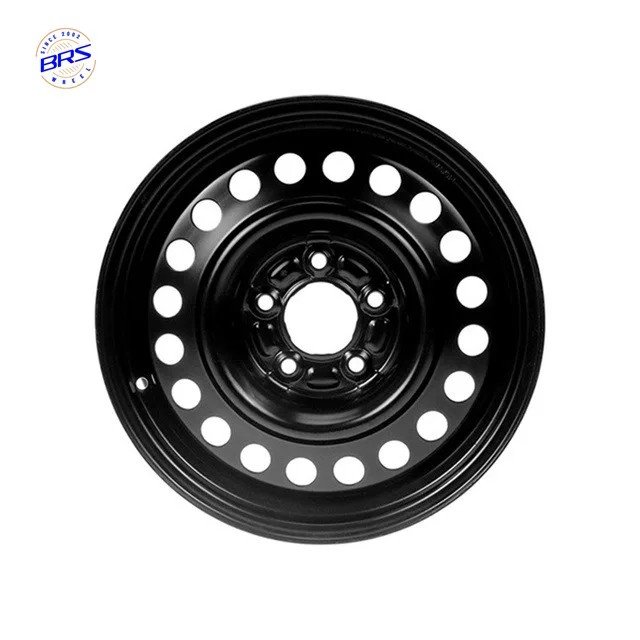
Ja, Stahlräder are a highly practical choice for winter driving, especially in regions with heavy snow, road salt, frequent potholes, and rough winter road conditions. Their core advantages lie in impact durability, low replacement cost, and convenience as a dedicated winter tire-and-wheel set.
Wichtigste Erkenntnisse
- Steel wheels are a durable, cost-effective option for winter driving, ideal for rough, pothole-prone winter roads.
- They work perfectly as dedicated winter wheel sets, allowing fast seasonal swap-overs without remounting tires.
- Steel wheels can develop surface rust if their protective coating is damaged, so regular cleaning and maintenance are required.
- Winter tires, not wheel material, are the primary driver of snow and ice traction.
- Always match wheel size, bolt pattern, and offset to your vehicle, and maintain manufacturer-recommended cold tire pressure.
Why Steel Wheels Are Popular for Winter Driving
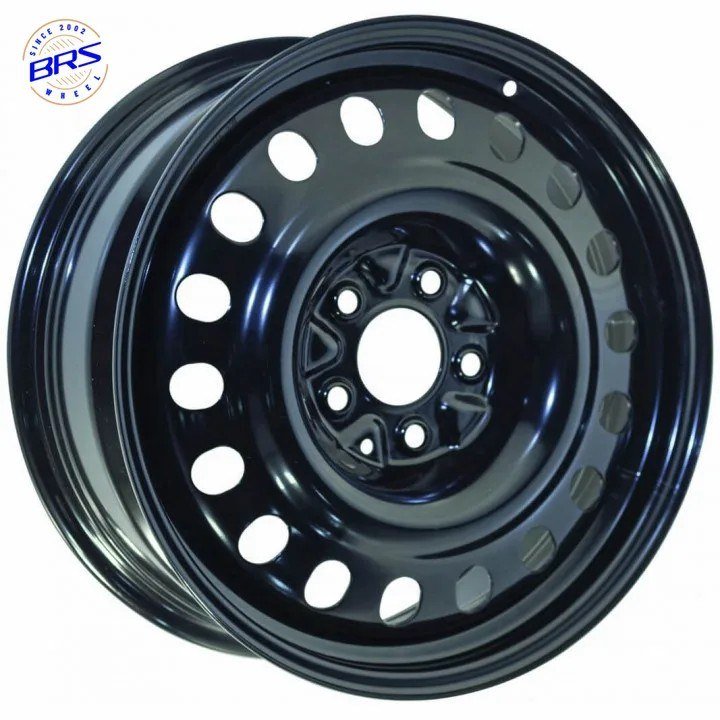
Steel wheels are a staple for winter setups thanks to their balanced mix of toughness, affordability, and practicality.
Durability on Rough Winter Roads
Winter roads subject wheels to constant stress: potholes, ice chunks, road debris, and curb impacts. Steel wheels are valued for their inherent toughness, standing up well to everyday impacts that would crack or bend more delicate alloy wheels. While severe impacts can still bend or damage a steel wheel, their simple construction makes them easy to inspect, repair, or replace at low cost — a major benefit for drivers facing consistently rough winter road conditions.
Practicality for Dedicated Winter Tire Sets
Many drivers use steel wheels as a dedicated winter set: tires stay mounted to the steel rims year-round, and the full assembly is swapped on at the start of winter and off in spring. This avoids repeated mounting and dismounting of winter tires, which wears out tire beads and adds labor cost.
Steel wheels are also significantly less expensive than comparable alloy wheels, making a dedicated winter setup much more affordable. Since winter roads are often covered in salt, slush, and debris, appearance is less of a priority for most drivers during the season.
Steel Wheels vs. Alloy Wheels for Winter Driving
Both steel and alloy wheels are safe for winter driving when they meet vehicle fitment requirements. The key differences lie in corrosion resistance, cost, and weight.
| Faktor | Stahlfelgen | Legierte Räder |
|---|---|---|
| Korrosionsbeständigkeit | Prone to surface rust if protective coating is damaged. Regular cleaning slows corrosion. | Also susceptible to salt corrosion and finish damage, but generally more corrosion-resistant than bare steel. |
| Upfront cost | Lower; ideal for dedicated winter sets. | Higher; better for year-round use where appearance matters. |
| Gewicht | Heavier; increases unsprung mass, which can slightly impact acceleration, braking, and suspension response. | Lighter; better for vehicle dynamics and fuel efficiency. |
Important note: neither wheel material improves winter traction on its own. Traction comes almost entirely from the tire tread compound and pattern. Winter tires are always the most important upgrade for snow and ice performance.
How to Use Steel Wheels Safely in Winter
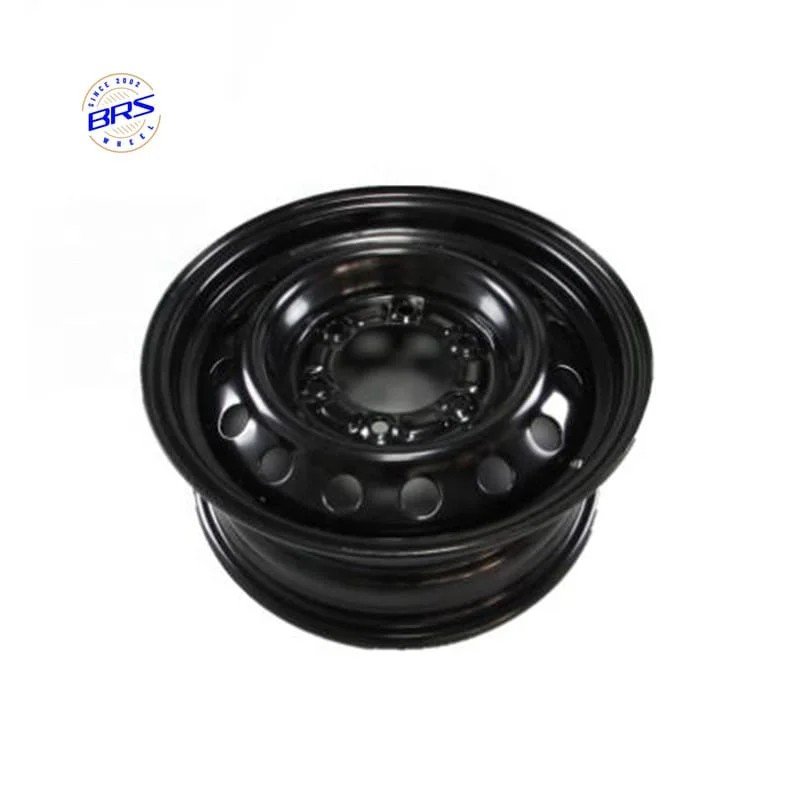
A steel wheel is only one part of a reliable winter setup. Follow these guidelines for safe performance.
Match Tire and Wheel Specifications
Steel wheels do not require special winter tires — any winter tire compatible with the wheel’s diameter, width, and load rating will work. Before purchasing a winter wheel-and-tire package, confirm:
- Vehicle-recommended tire size and load rating
- Wheel diameter, width, bolt pattern, offset, and center bore
- Brake and suspension clearance
- Tire speed rating
Always cross-reference with your vehicle owner’s manual or Tire and Loading Information Label for official specifications.
Check Tire Pressure and Wheel Condition
Cold temperatures drop tire inflation pressure, so check pressure regularly when tires are cold, using the vehicle manufacturer’s recommended pressure (not the maximum pressure printed on the tire sidewall), per NHTSA guidance.
Before and throughout winter, inspect steel wheels for:
- Bends, cracks, or structural deformation
- Chipped or damaged protective coating
- Surface rust, especially around the valve stem area
- Loose or damaged wheel hardware
After a hard pothole impact, have the wheel and tire inspected for hidden damage before continued driving.
Clean and Maintain Regularly
Road salt, slush, and dirt build up on wheels through winter and accelerate corrosion. Regular washing removes these contaminants and makes it easier to spot coating damage early.
- If the coating is chipped or scratched, clean and dry the area and touch up the finish to stop rust from spreading.
- For commercial buyers, coating quality is a key specification when selecting steel wheels for winter use — quality Radhersteller like BRS offer protective surface treatments engineered for salt-heavy winter conditions.
- For severe corrosion or structural damage, have the wheel evaluated by a qualified professional.
FAQ
Are steel wheels better than alloy wheels for winter?
Steel wheels are often the more practical winter option due to their lower cost and better impact durability on rough roads. Alloy wheels also work for winter, so the choice depends on your budget, road conditions, and priority for appearance.
Do steel wheels provide better traction in snow?
No, not on their own. Winter traction depends almost entirely on the tire tread and compound, not the wheel material. Winter tires are designed specifically for cold, snowy conditions and deliver far better performance than all-season tires.
Do steel wheels rust in winter?
Yes, they can develop surface rust if their protective coating is scratched or chipped, especially with repeated exposure to road salt and moisture. Regular washing and prompt touch-ups to damaged coating help minimize corrosion.
Sind Stahlräder schwerer als Leichtmetallräder?
Yes, steel wheels are generally heavier than comparable alloy wheels. The extra weight can slightly affect vehicle dynamics, but it does not improve winter traction.
How often should I check tire pressure in winter?
Check tire pressure regularly, especially after large temperature drops. NHTSA recommends always checking tires when cold and maintaining the vehicle manufacturer’s recommended pressure.