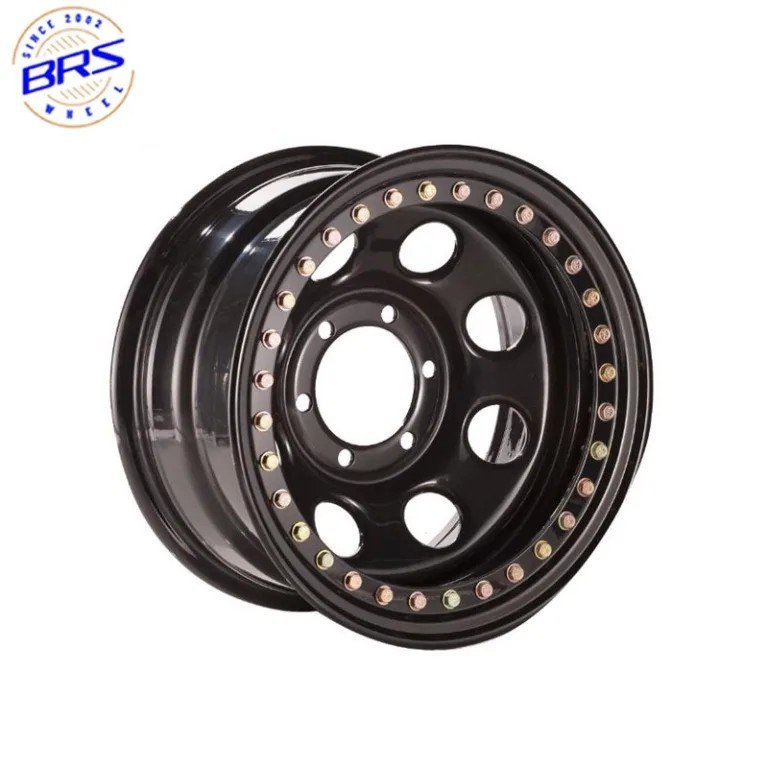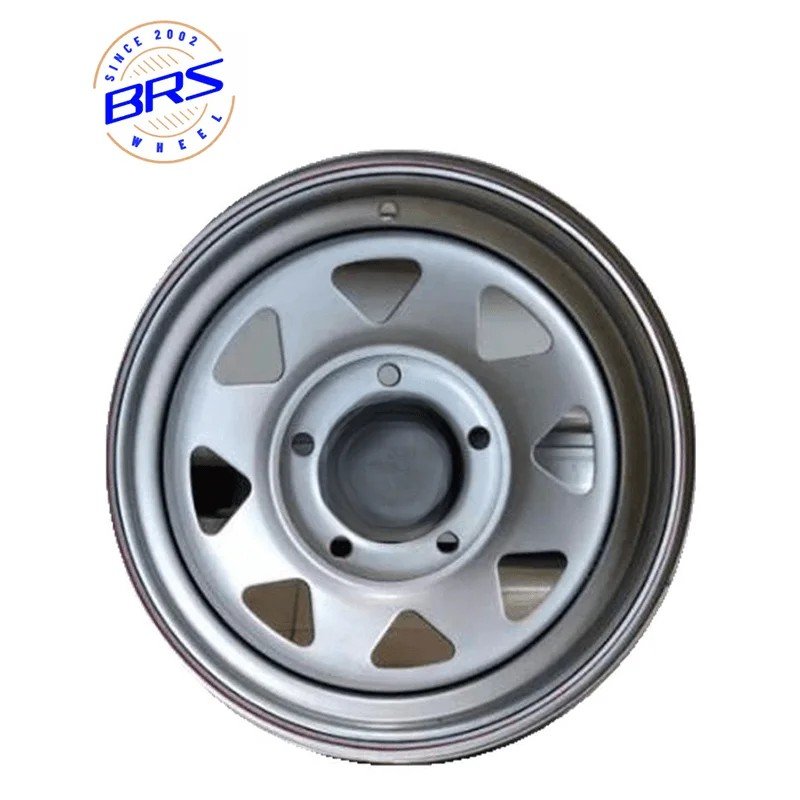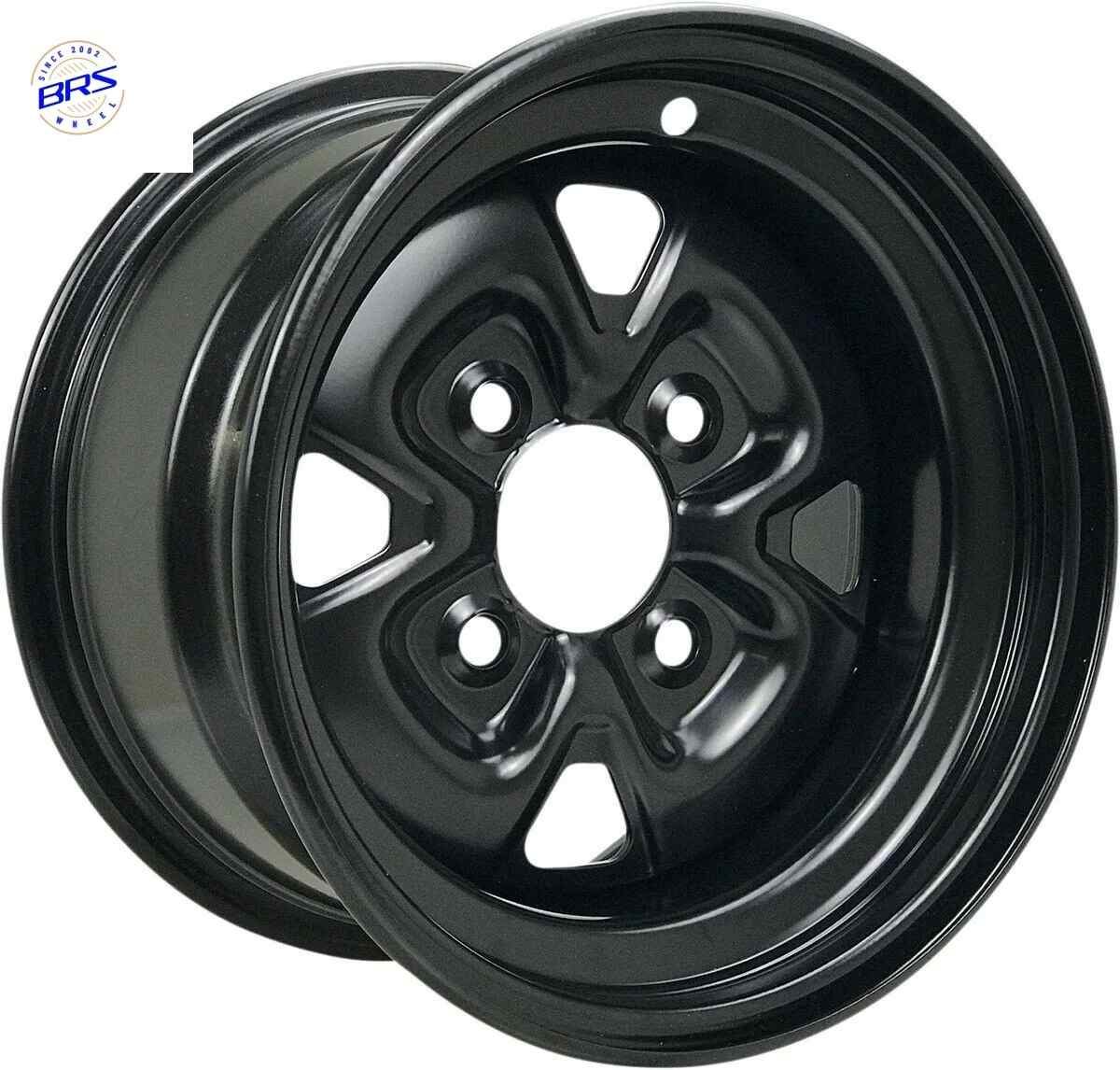

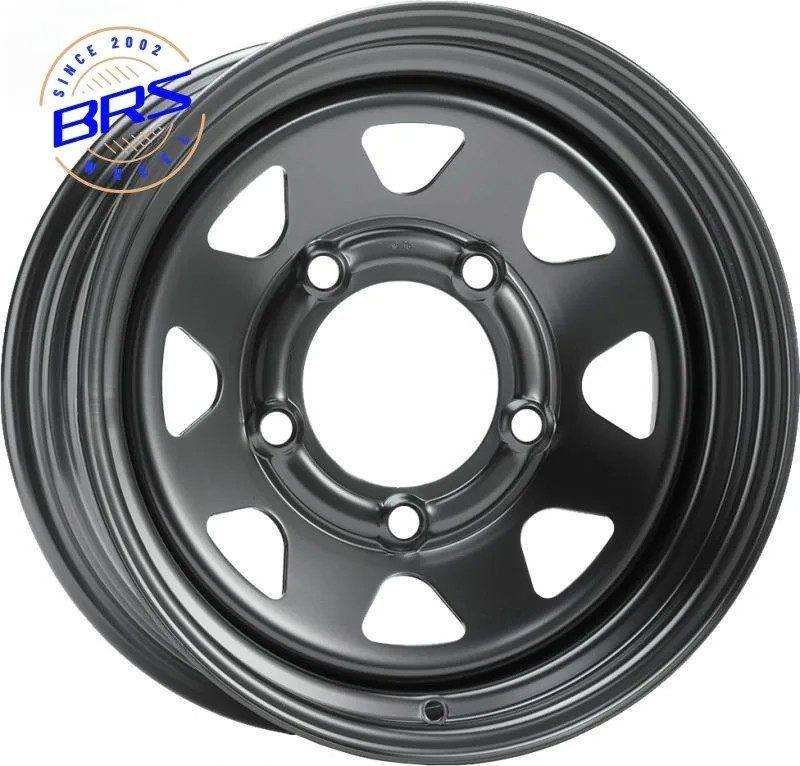
LKW-Felgen sind in unterschiedlichen Materialien, Fertigungsverfahren, Oberflächen und Designs erhältlich. Die gängigsten Optionen sind Stahl- und Alu-Lkw-Felgen, während Guss- und Schmiedefelgen nach ihrer Herstellung klassifiziert werden. Verchromte, pulverbeschichtete und lackierte Oberflächen bieten unterschiedliche Grade an Optik und Schutz, während Beadlock-Felgen für anspruchsvollen Offroad-Einsatz konzipiert sind.
Jeder Typ hat seine eigenen Vor- und Nachteile in Bezug auf Festigkeit, Gewicht, Haltbarkeit, Optik und Kosten. Die richtige Wahl hängt vom Einsatzbereich des Lkw, den Lastanforderungen, den Fahrbedingungen, dem Budget und der gewünschten Optik ab.
Wichtigste Erkenntnisse
- Stahl-Lkw-Felgen sind langlebig, preisgünstig und gut geeignet für Schwerstarbeit und raue Straßen.
- Alufelgen sind leichter als Stahlfelgen, was das ungefederte Gewicht reduziert und Kraftstoffeffizienz sowie Fahrverhalten verbessert.
- Gussfelgen sind in der Regel kostengünstiger und bieten flexible Designs für den Alltagseinsatz.
- Schmiedefelgen bieten ein höheres Festigkeits-Gewichts-Verhältnis und eignen sich für anspruchsvolle Anwendungen.
- Pulverbeschichtete Oberflächen bieten guten Schutz gegen Abplatzungen, Kratzer, Feuchtigkeit und Streusalz.
- Beadlock-Felgen sind hauptsächlich für Offroad-Fahren und niedrige Reifendrücke konzipiert.
Verschiedene Arten von Lkw-Felgen: Stahl und Alu
Die gängigste Art, Lkw-Felgen zu klassifizieren, ist nach Material. Stahl- und Alufelgen sind die beiden Hauptoptionen, die jeweils für unterschiedliche Lkw-Anwendungen geeignet sind.
Stahl-Lkw-Felgen
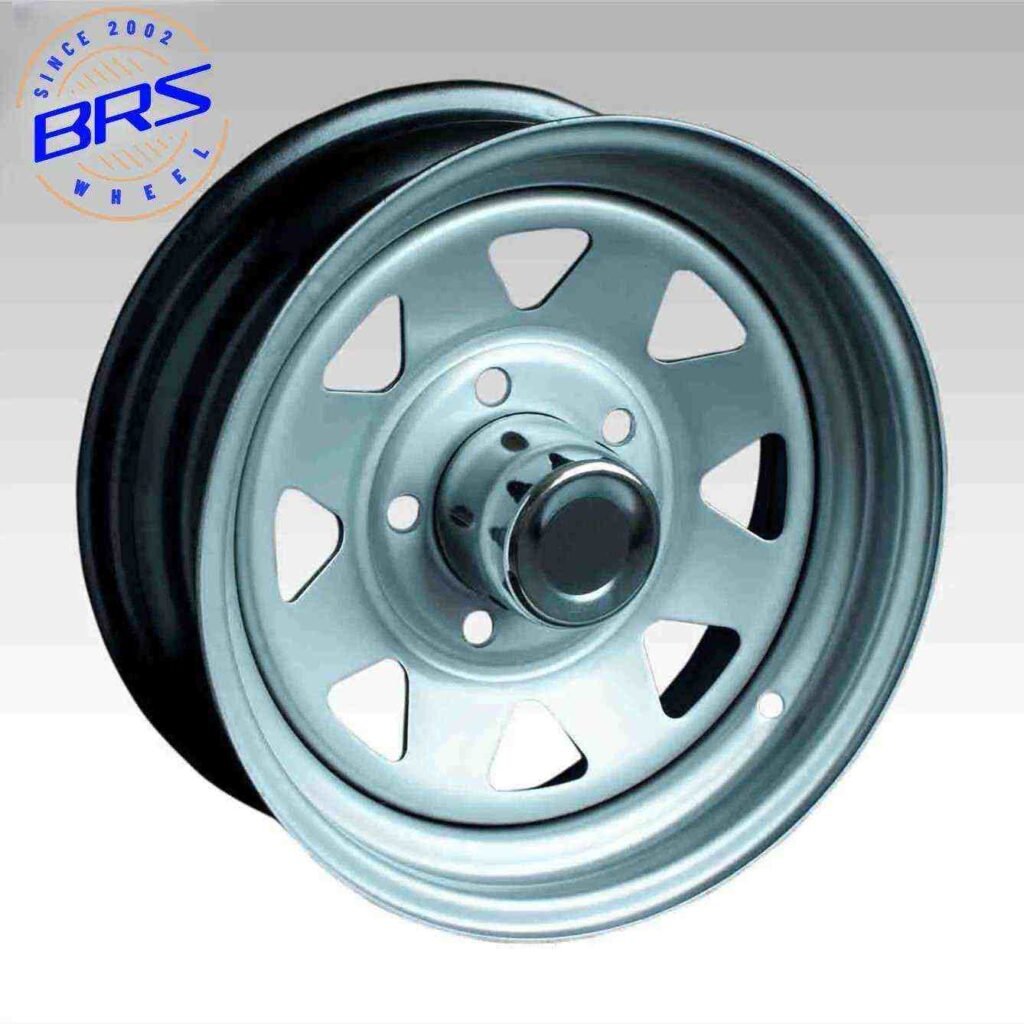
Stahl-Lkw-Felgen werden aus geformtem Stahl hergestellt. Einer der Hauptvorteile von Stahlfelgen ist ihr erschwinglicher Preis. Sie sind in der Regel günstiger als Aluminium-Legierungsfelgen, was für Flotten, die mehrere Räder ersetzen müssen, von Bedeutung ist.
Stahl ist außerdem weniger anfällig für ernsthafte Schäden durch alltägliche Stöße. Eine Stahlfelge kann sich nach einem schweren Aufprall verbiegen, anstatt sofort zu reißen, und einige beschädigte Stahlräder können je nach Umfang des Schadens und den Herstelleranforderungen repariert werden.
Der Hauptnachteil ist das Gewicht. Stahlfelgen sind schwerer als Legierungsalternativen, was die ungefederte Masse erhöht und die Kraftstoffeffizienz beeinträchtigen kann.
Am besten geeignet für: Schwerstarbeit, raue Straßen, Anhänger und kostenbewusste Flotten.
Lkw-Felgen aus Aluminiumlegierung
Lkw-Felgen aus Legierung werden typischerweise aus Aluminiumlegierungen hergestellt. Ihr Hauptvorteil ist ihr geringeres Gewicht im Vergleich zu Stahlfelgen. Die Reduzierung des Rads kann die ungefederte und rotierende Masse verringern, was sich positiv auf Fahrverhalten, Federungsansprechen und Kraftstoffeffizienz auswirken kann.
Aluminium-Legierungsfelgen leiten Wärme zudem wirksamer ab als Stahl, was sich bei anspruchsvollen Fahrbedingungen vorteilhaft auf die Bremsleistung auswirken kann. Sie sind in vielen Designs und Oberflächen erhältlich, was sie bei Lkw-Besitzern beliebt macht, die sowohl Leistung als auch Aussehen schätzen.
Der Nachteil ist der Preis. Legierungsfelgen kosten in der Regel mehr als Stahlfelgen und können je nach Raddesign und Einsatzbereich anfälliger für Schäden durch schwere Aufpralle sein.
Am besten geeignet für: Fernverkehrslkws, gewichtsbewusste Flotten, Autobahnfahrten und anwendungen mit Fokus auf Optik.
Lkw-Felgen nach Herstellungsverfahren
Lkw-Felgen können auch nach ihrer Herstellungsart klassifiziert werden. Gegossene und geschmiedete Felgen werden mit unterschiedlichen Produktionsverfahren hergestellt, was sich auf Gewicht, Festigkeit, Designflexibilität und Preis auswirkt.
Gegossene Lkw-Felgen
Gegossene Felgen werden hergestellt, indem geschmolzenes Metall in eine Form gegossen wird, wo es zu der gewünschten Form abkühlt. Dieses Verfahren ist relativ effizient und kostengünstig, sodass Hersteller Räder in einer Vielzahl von Designs produzieren können.
Gegossene Leichtmetallfelgen sind im Allgemeinen günstiger als geschmiedete Felgen und daher eine häufige Wahl für den alltäglichen Einsatz. Allerdings kann der Gießprozess zu einer weniger gleichmäßigen Gefügestruktur im Inneren führen, sodass gegossene Räder möglicherweise mehr Material benötigen, um die erforderliche Festigkeit zu erreichen. Dies kann sie schwerer machen als geschmiedete Alternativen. Für den normalen Straßenverkehr und Anwendungen, bei denen der Preis eine wichtige Rolle spielt, bieten gegossene Felgen jedoch ein praktisches Gleichgewicht zwischen Leistung und Preis.
Am besten geeignet für: Alltagsfahrten, kostenbewusste Käufer und Universalanwendungen.
Geschmiedete LKW-Felgen
Geschmiedete Felgen werden durch Umformen von massiver Aluminiumlegierung unter hohem Druck hergestellt. Dieser Prozess erzeugt eine dichte und gleichmäßigere Gefügestruktur, die es Herstellern ermöglicht, Räder mit einem hohen Festigkeits-Gewichts-Verhältnis zu produzieren.
Da geschmiedete Felgen mit weniger Material hohe Festigkeit erreichen können, sind sie oft leichter als vergleichbare gegossene Räder. Dies kann das ungefederte Gewicht reduzieren und gleichzeitig die Festigkeit erhalten, die für anspruchsvolle Anwendungen erforderlich ist.
Der Hauptnachteil sind die Kosten. Das Schmieden erfordert spezialisierte Fertigungsanlagen und Verarbeitungsschritte, sodass geschmiedete Felgen im Allgemeinen einen höheren Kaufpreis haben.
| Merkmal | Gegossene Lkw-Felgen | Geschmiedete LKW-Felgen |
|---|---|---|
| Herstellung | Geschmolzenes Metall, in eine Form gegossen | Massives Metall, unter Druck geformt |
| Gewicht | Im Allgemeinen schwerer | Im Allgemeinen leichter |
| Festigkeits-Gewichts-Verhältnis | Gut | Höher |
| Kosten | Unter | Höher |
| Designflexibilität | Hoch | Hoch |
| Am besten geeignet für | Allgemeiner Gebrauch | Anspruchsvolle und leistungsorientierte Anwendungen |
Oberflächen und Designs von Lkw-Felgen
Die Oberfläche beeinflusst sowohl das Erscheinungsbild als auch den Oberflächenschutz einer Lkw-Felge. Gängige Optionen sind Chrom, Pulverbeschichtung und Lack. Für spezielle Off-Road-Anwendungen sind auch Beadlock-Designs erhältlich.
Chrom-Lkw-Felgen
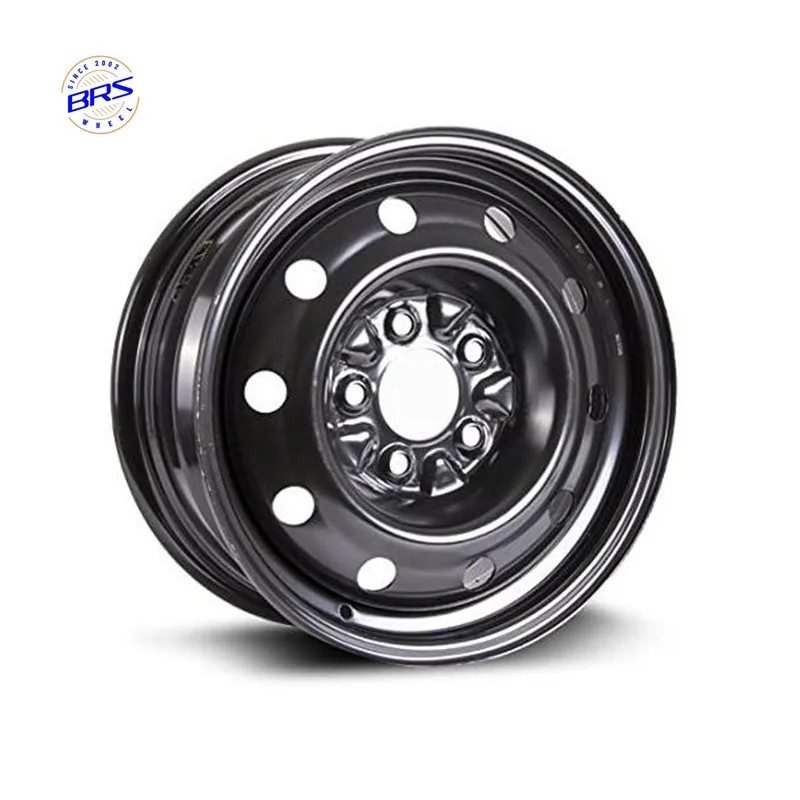
Chrom-Felgen haben ein hochreflektierendes, poliertes Erscheinungsbild, das Lkw einen leuchtenden und individuellen Look verleiht. Sie sind bei Eigentümern beliebt, die Wert auf Optik legen.
Allerdings erfordern Chromoberflächen mehr Wartung als viele andere Optionen. Die Einwirkung von Streusalz, Feuchtigkeit, Schmutz und aggressiven Chemikalien kann die Oberfläche mit der Zeit beschädigen. Wenn die Beschichtung zu bröckeln oder zu korrodieren beginnt, kann die Aufarbeitung des Rades ebenfalls schwieriger sein.
Am besten geeignet für: optikorientierte Lkw und Custom-Umbauten.
Pulverbeschichtete und lackierte Felgen
Bei der Pulverbeschichtung wird ein trockenes Pulver auf das Rad aufgetragen, bevor es zu einer Schutzschicht ausgehärtet wird. Sie bietet guten Schutz vor Kratzern, Abplatzungen, Feuchtigkeit und Streusalz und ist in vielen Farben und Texturen erhältlich.
Lackierte Felgen sind in der Regel kostengünstiger und bieten zahlreiche Gestaltungsmöglichkeiten, konventioneller Lack kann jedoch bei Einwirkung von Stößen und schwierigen Straßenbedingungen leichter abplatzen oder verschleißen.
Für Lkw, die regelmäßig rauen Straßen, Feuchtigkeit oder Streusalz ausgesetzt sind, bietet Pulverbeschichtung eine gute Balance zwischen Optik, Haltbarkeit und Wartungsaufwand.
Am besten geeignet für: Alltagsfahren, Arbeitsfahrzeuge und Käufer, die eine robuste pflegeleichte Oberfläche suchen.
Beadlock-Lkw-Felgen
Beadlock-Felgen sind primär für den Offroad-Einsatz konzipiert. Ein mechanisches Beadlock-System hilft dabei, den Reifenwulst am Rad zu sichern und verringert so das Risiko, dass sich der Reifen von der Felge löst, wenn mit sehr niedrigem Reifendruck gefahren wird.
Diese Bauweise kann beim Rock Crawling, im Matsch und anderen anspruchsvollen Offroad-Bedingungen nützlich sein. Für normales Fahren auf der Autobahn sind Beadlock-Räder jedoch im Allgemeinen nicht erforderlich und sollten entsprechend dem Einsatzzweck des Fahrzeugs und den geltenden Vorschriften ausgewählt werden.
Am besten geeignet für: Offroad-Lkw und Fahrzeuge mit sehr niedrigem Reifendruck.
FAQ
Woran erkennt ein Käufer, ob er Stahl- oder Alufelgen für den Lkw wählen sollte?
Die Wahl sollte auf Basis des Einsatzzwecks des Lkw, der Nutzlastanforderungen, der Straßenverhältnisse und des Budgets getroffen werden. Stahlfelgen eignen sich gut für Schwerlastarbeit und raue Straßen, da sie langlebig und kostengünstig sind. Alufelgen sind besser geeignet, wenn geringeres Gewicht, Kraftstoffeffizienz und Optik im Vordergrund stehen.
Welches Material eignet sich am besten für Lkw-Felgen für den Schwerlastbereich?
Stahl ist die praktische Wahl, wenn Langlebigkeit und niedrige Kosten im Vordergrund stehen. Geschmiedetes Aluminium bietet ein höheres Festigkeits-Gewichts-Verhältnis, wenn die Reduzierung des Felgengewichts wichtig ist. Die richtige Wahl hängt letztlich von der Tragfähigkeit des LKW und den Einsatzbedingungen ab.
Wie wirken sich Lochkreise auf die Passung von Lkw-Felgen aus?
Der Lochkreis bestimmt, ob ein Rad ordnungsgemäß an der Nabe des Lkw montiert werden kann. Er gibt die Anzahl der Radmutternlöcher und den Durchmesser des Lochkreises an. Käufer sollten zusätzlich RachDurchmesser, Breite, Einpresstiefe, Mittelloch und Tragfähigkeit prüfen, um eine korrekte Passung sicherzustellen.
Benötigen verchromte LKW-Felgen eine besondere Pflege?
Ja. Verchromte Felgen müssen regelmäßig gereinigt und gepflegt werden, um ihre reflektierende Oberfläche zu erhalten. Streusalz, Feuchtigkeit und schmirgelnder Schmutz können die Oberfläche beschädigen und bei vernachlässigter Pflege zur Korrosion beitragen.
Welche verschiedenen Arten von LKW-Felgen sind heute erhältlich?
LKW-Felgen können nach Material, Fertigungsverfahren, Oberflächenausführung und Design klassifiziert werden. Gängige Optionen sind Stahlfelgen, Legierungsfelgen, gegossene Felgen, geschmiedete Felgen, verchromte Felgen, pulverbeschichtete Felgen, lackierte Felgen und Beadlock-Felgen. Jeder Typ erfüllt unterschiedliche Anforderungen an Leistung, Haltbarkeit, Optik und Kosten.