Nein. In den meisten Fällen ist das Fahren mit einem verbogenen Rim unsicher und nicht empfehlenswert. Die einzige Ausnahme ist eine sehr kleine Delle am äußeren Rand, die eine kurze Fahrt mit niedriger Geschwindigkeit direkt zur Werkstatt erlauben kann. Schon kleine Verformungen können sich schnell verschlimmern: ein plötzlicher Reifenplatzer, Kontrollverlust über das Fahrzeug und teure Schäden an der Radaufhängung sind allesamt reale Risiken.
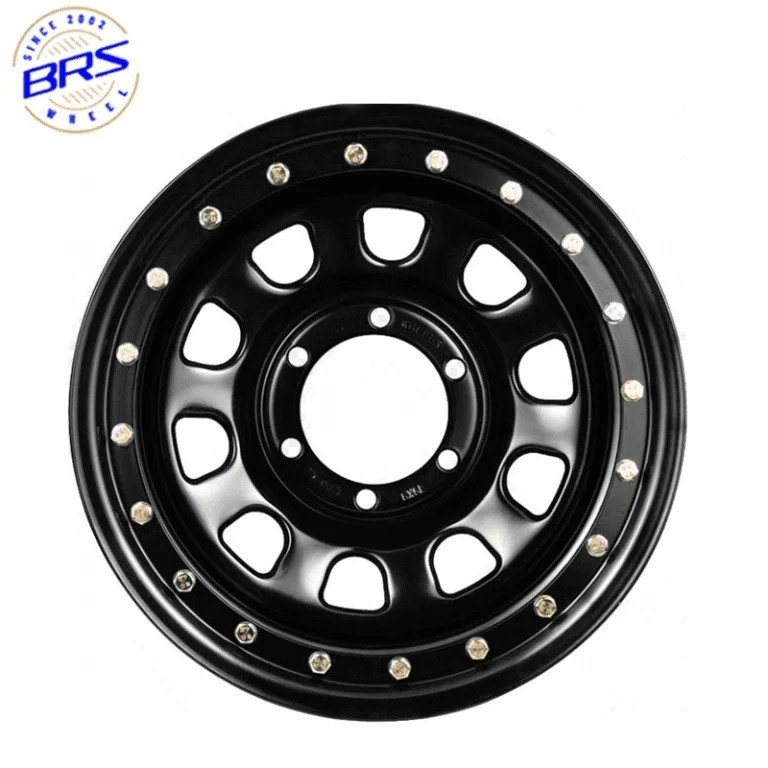
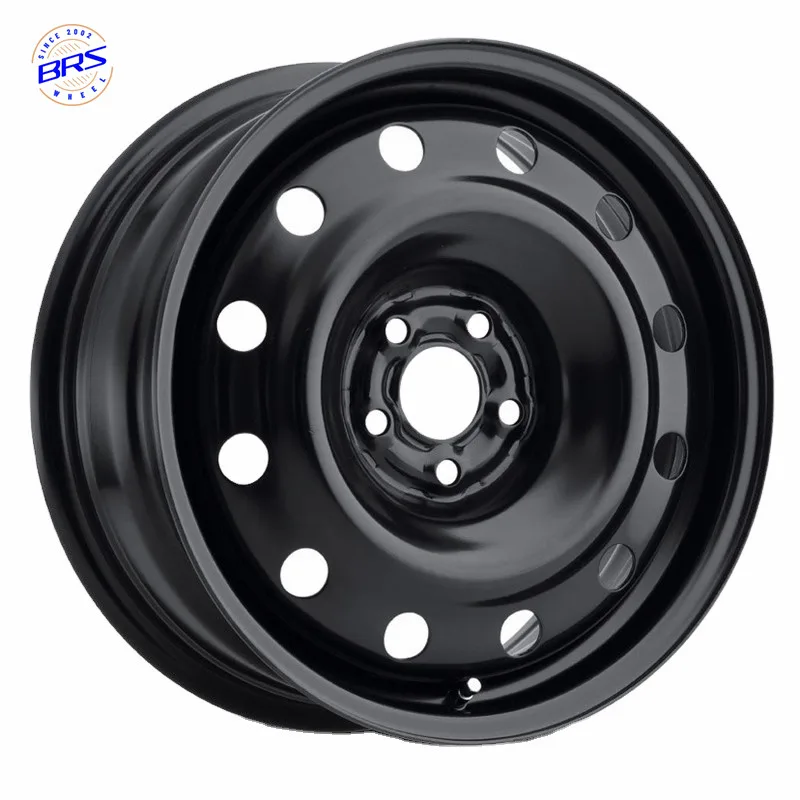
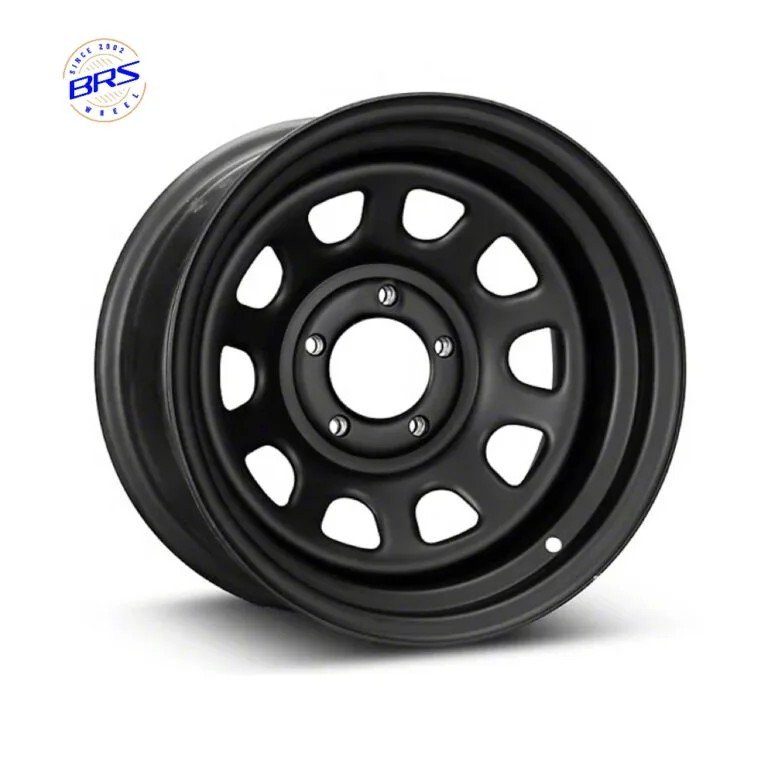
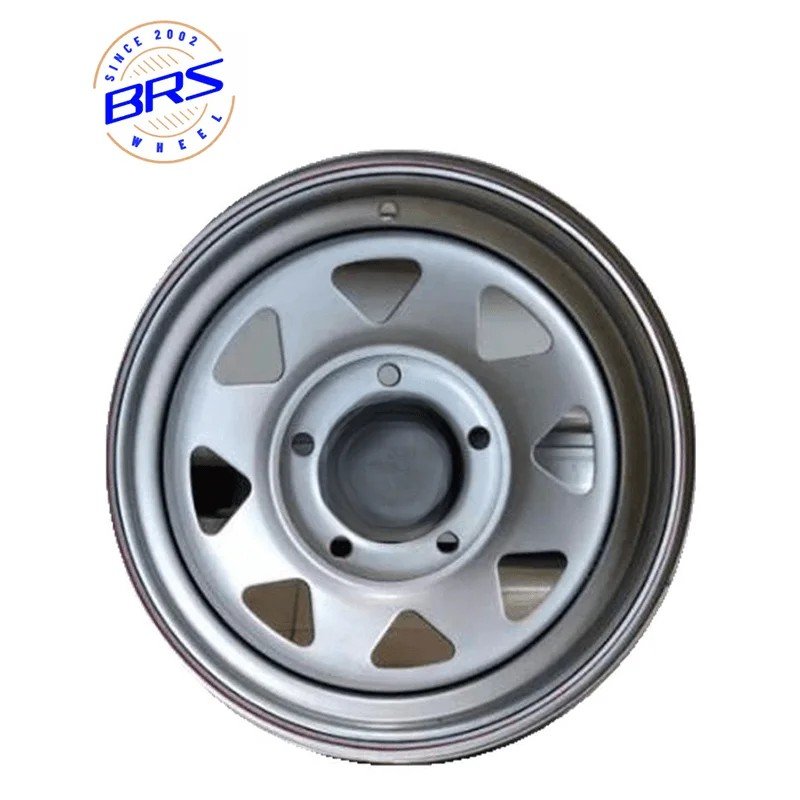
Schlaglöcher, Bordsteine und Straßenschmutz gehören zu den häufigsten Ursachen für verbogene Rims. Selbst schwerlastige Stahlfelgen für anspruchsvolle Straßenbedingungen ausgelegte Räder haben strukturelle Grenzen. Mit über 20 Jahren Erfahrung in der Entwicklung und Herstellung von Stahlfelgen versteht BRS, wie sich verschiedene Arten von Rim-Schäden auf Leistung und Sicherheit des Rades auswirken können.
Wichtigste Erkenntnisse
- Eine kleine Delle am äußeren Rand erlaubt nur eine langsame, kurze Fahrt zur Werkstatt mit weniger als 48 km/h (30 mph).
- Häufige Warnsignale eines verbogenen Rims sind sichtbare Dellen, Lenkungsvibrationen und langsamer Luftverlust des Reifens.
- Das Fahren auf einem beschädigten Rim erhöht das Risiko plötzlicher Reifenplatzer, Kontrollverlust und vorzeitiger Abnutzung der Radaufhängung.
- Risse, starke Verformungen oder Schäden am Wulstsitz erfordern einen sofortigen Rim-Austausch.
- Kleine Randverformungen können oft fachgerecht repariert werden; strukturelle Schäden können nicht sicher behoben werden.
Wann dürfen Sie (vorübergehend) mit einem verbogenem Rim fahren?
Es gibt nur ein Szenario, in dem weiteres Fahren akzeptabel ist: eine kleine Delle am äußeren Rim-Rand, ohne Luftverlust und ohne Lenkungsvibration. Auch dann müssen Sie:
- Die Geschwindigkeit unter 48 km/h (30 mph) halten
- Autobahnen und Schnellstraßen vermeiden
- Direkt zur nächstgelegenen Werkstatt fahren
Der entscheidende Faktor ist die Integrität der Reifenwulstdichtung. Der Wulstsitzflansch der Felge bildet eine luftdichte Verbindung mit dem Reifengummi. Eine verbogene Lippe eben oder weitet diese Fläche ab und erzeugt winzige Spalten, durch die Luft langsam entweicht. Wenn Sie einen Druckverlust im Reifen feststellen, stoppen Sie sofort.
Wann Sie sofort mit dem Fahren aufhören sollten
Halten Sie an und fahren Sie nicht weiter, wenn eines der folgenden Symptome auftritt:
- Ständiges Lenkradflattern, das mit zunehmender Geschwindigkeit schlimmer wird (typischerweise ab 50–65 km/h deutlich spürbar)
- Sichtbare Risse, tiefe Beulen oder Verformungen am Felgenrand
- Ungleicher Reifenverschleiß, kahle Stellen oder sichtbare Schäden an der Reifenflanke
- Das Fahrzeug zieht beim Bremsen oder bei Geradeausfahrt nach einer Seite
Eine stark verbogene Felge kann keine zuverlässige Reifendichtung mehr gewährleisten. Bei hohen Geschwindigkeiten kann dies zu plötzlichem, katastrophalem Luftverlust und einer Reifenpanne führen. Das dadurch entstehende Rade taumeln erschwert außerdem Notmanöver erheblich und erhöht das Unfallrisiko stark.
So erkennen Sie, ob Ihre Felge verbogen ist
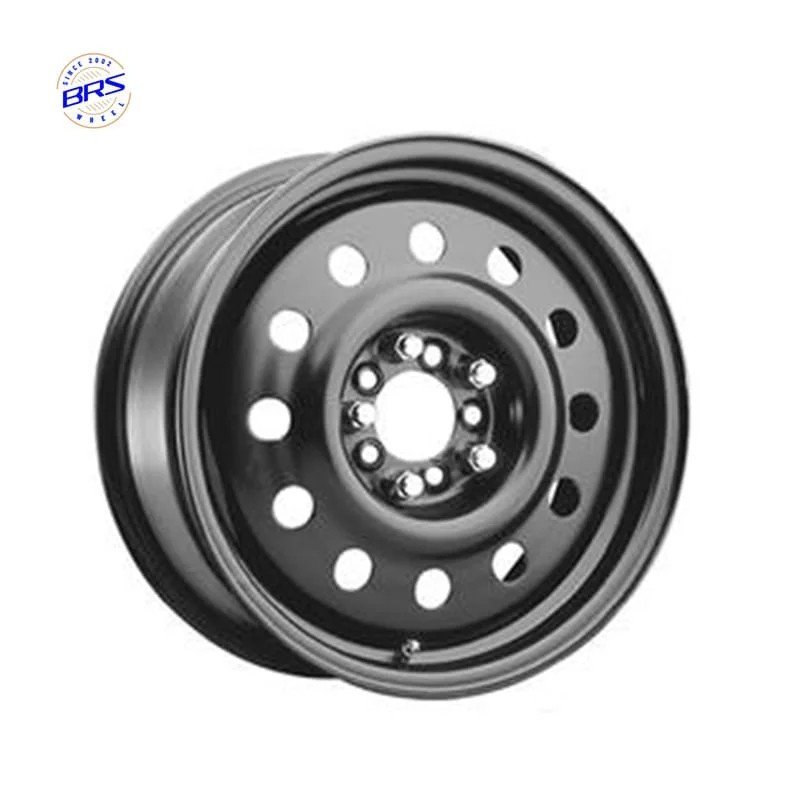
Die meisten verbogenen Felgen lassen sich durch eine einfache Sicht- und Fahrprüfung identifizieren – ohne Spezialwerkzeug.
Visuelle Inspektion
- Entfernen Sie bei Bedarf die Nabendeckel- oder Radzierblende, um die gesamte Felgenoberfläche zu inspizieren, einschließlich Bereiche, in denen sich Schäden verbergen können.
- Prüfen Sie den äußeren Felgenrand, an dem der Reifen auf der Felge sitzt, auf Dellen, flache Stellen, Verbiegungen oder sichtbare Verformungen.
- Untersuchen Sie den gesamten Felgenumfang sorgfältig, da selbst geringe Verformungen auf den ersten Blick schwer zu erkennen sein können.
Fahrsymptome
- Lenkradvibration: Ein Zittern, das im Lenkrad, auf dem Sitz oder im Fußraum spürbar ist und mit zunehmender Geschwindigkeit stärker wird, ist das häufigste Anzeichen einer nicht runden Felge.
- Langsame Luftverluste: Verliert ein Reifen ständig Druck, ohne dass ein sichtbarer Einstich vorhanden ist, ist ein verbogener Wulstsitz die wahrscheinliche Ursache.
- Ungleichmäßiger Reifenverschleiß: Abnormale Profilverschleißmuster lassen sich oft auf eine Felge zurückführen, die nicht mehr sauber läuft.
Welche Gefahren birgt das Fahren mit einer verbogenen Felge?
Ignorierte Felgenschäden verursachen kettenartige Sicherheits- und Kostenrisiken.
Reifenversagen & Reifenplatzer
Eine stark verbogene Felge kann die Wulstsitzdichtung des Reifens beeinträchtigen und den Reifen ungleichmäßig belasten. In manchen Fällen kann dies zu Luftverlust, ungleichmäßigem Reifenverschleiß, Vibrationen oder Schäden an Wulst und Flanke führen. Wenn der Schaden schwerwiegend ist oder der Reifen weiterhin Luft verliert, kann Fahren mit Autobahngeschwindigkeit das Risiko eines Reifenschadens und des Kontrollverlusts über das Fahrzeug erhöhen.
Wenn eine verbogene Felge von einem beschädigten Reifenwulst, Flankenschäden, anhaltendem Luftverlust oder deutlichen Vibrationen begleitet wird, sollte das Fahrzeug vor dem Weiterfahren überprüft werden.
Verschleiß von Fahrwerks- und Lenkungskomponenten
Ein un rundes Rad erzeugt eine konstante Vibration, die sich durch das gesamte Fahrwerk überträgt. Mit der Zeit beschleunigt dies den Verschleiß von:
- Radlagern
- Kugelgelenken
- Lenkgetriebekomponenten
- Stoßdämpfern und Spurinstellung
Spureinstellungs- und Fahrwerksreparaturen sind weitaus teurer als die Reparatur oder der Austausch einer Felge. Viele Fahrer zahlen am Ende für neue Reifen, eine Spurinstellung und Fahrwerksteile – nur weil sie die Behebung einer verbogenen Felge aufgeschoben haben.
Reduziertes Fahrverhalten & Sicherheit
Flatternde Räder verringern die Lenkansprache und die Bremsstabilität. Das Fahrzeug kann driften oder zur Seite ziehen, was schnelle Notmanöver weniger vorhersehbar macht. Dieses Risiko steigt bei höheren Geschwindigkeiten exponentiell.
Verbogene Felge: Reparatur oder Austausch?
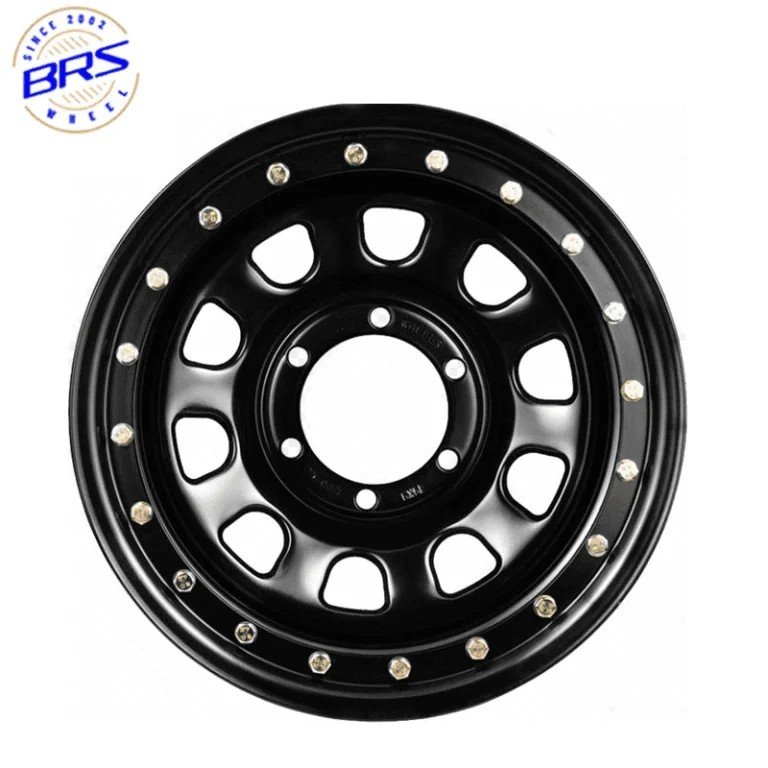
Wenn Reparatur möglich ist
Kleine Verbiegungen, die auf den äußeren Felgenhorn begrenzt sind, können oft fachgerecht gerichtet werden. Ein Techniker verwendet eine hydraulische Presse, um das Metall neu zu formen, und führt anschließend einen finalen Wuchten aus. Nicht alle beschädigten Felgen können jedoch sicher repariert werden, insbesondere wenn die Beschädigung strukturelle Bereiche oder den Reifensitz betrifft. Eine ausführlichere Übersicht finden Sie in unserem Leitfaden zu ob beschädigte Felgen repariert werden können.
- Typische Kosten: $50–$150 pro Stahlfelge
- Am besten geeignet für: Kleine Dellen, keine strukturellen Schäden, Reifensitz vollständig intakt
Wenn ein Austausch erforderlich ist
Bei strukturellen Schäden ist der Austausch die einzige sichere Option. Sie benötigen eine neue Felge, wenn:
- Tiefe Risse an der Felgenschulter, an den Speichen oder an der Montagefläche vorhanden sind
- Schwere Verformungen die Gesamtform der Felge verändern
- Beschädigte oder ausgefräste Reifensitze, die keine ordnungsgemäße Reifenabdichtung mehr ermöglichen
- Mehrere Aufprallstellen oder Schäden an den Speichenansatzpunkten vorliegen
Wenn ein Austausch erforderlich ist, hilft die Wahl eines zuverlässigen Felgenhersteller dabei, Passgenauigkeit, Qualität und langfristige Leistung sicherzustellen.
FAQ
Wie viel kostet die Reparatur eines verbogenen Felgenrands?
Professionelles Richten einer leichten Verbiegung eines Stahlfelgenrands kostet typischerweise $50–$150 pro Rad. Starke Verbiegungen, Risse oder Beschädigungen des Wulstsitzes machen in der Regel einen Austausch zur sichereren und wirtschaftlicheren Wahl.
Kann ein verbogener Felgenrand einen Reifenplatzer verursachen?
Ja. Ein verbogener Felgenrand zerstört die luftdichte Abdichtung zwischen Rad und Reifenwulst, was zu langsamem Luftverlust führt, der sich bei Autobahngeschwindigkeit zu einem plötzlichen Reifenplatzer ausweiten kann. Das verformte Metall kann auch mit der Zeit die Reifenflanke durchscheuern.
Wie weit kann man mit einem leicht verbogenen Felgenrand fahren?
Sie sollten nur so weit fahren, um die nächste Werkstatt zu erreichen, mit Geschwindigkeiten unter 30 mph und ohne Autobahnen. Autobahnfahren mit einem sogar leicht verbogenen Felgenrand ist niemals sicher – Vibrationen und das Risiko von Luftverlust steigen mit der Geschwindigkeit dramatisch an.
Welche Felgenrandbeschädigung erfordert einen sofortigen Austausch?
Jeder Riss im Rad erfordert einen sofortigen Austausch. Starke Verformung, tiefe Beschädigungen des Wulstsitzes oder mehrere Beschädigungsstellen bedeuten ebenfalls, dass der Felgenrand nicht sicher repariert werden kann und ausgetauscht werden sollte.
Verdirbt ein verbogener Felgenrand meine Spurverstellung?
Ja. Ein aus der Runde geratenes Rad erzeugt ständige ungleichmäßige Kräfte auf die Radaufhängung, was allmählich die Spur verstellt und den Verschleiß von Lagern, Spurstangengelenken und Lenkungskomponenten beschleunigt. Spurverstellungsreparaturen halten nicht, bis der verbogene Felgenrand repariert oder ausgetauscht wurde.
Abschließende Überlegungen
Mit einem verbogenen Felge zu fahren ist ein Glücksspiel mit Ihrer Sicherheit und dem langfristigen Zustand Ihres Fahrzeugs. Was als kleine Delle beginnt, kann zu einem Reifenplatzer, Kontrollverlust und teuren Fahrwerksreparaturen führen.
Wenn Sie nur eine sehr leichte Verbiegung des Felgenhorns ohne Luftverlust und ohne Vibrationen haben, können Sie langsam und direkt zu einer Werkstatt fahren. Bei jeder schwerwiegenderen Beschädigung – insbesondere bei Rissen – sollten Sie das Fahren einstellen und einen Ersatz organisieren.
Bei BRS fertigen wir stabile Stahlfelgen, die gegen Stoßbelastungen und Korrosion ausgelegt sind – doch selbst die robusteste Felge kann durch schwere Schlaglöcher oder Bordsteinkontakte beschädigt werden. Wenn Sie eine zuverlässige Ersatzfelge für Pkw-, Anhänger- oder Offroad-Einsatz benötigen, entdecken Sie unser vollständiges Produktsortiment oder kontaktieren Sie unser Team für individuelle Optionen.