
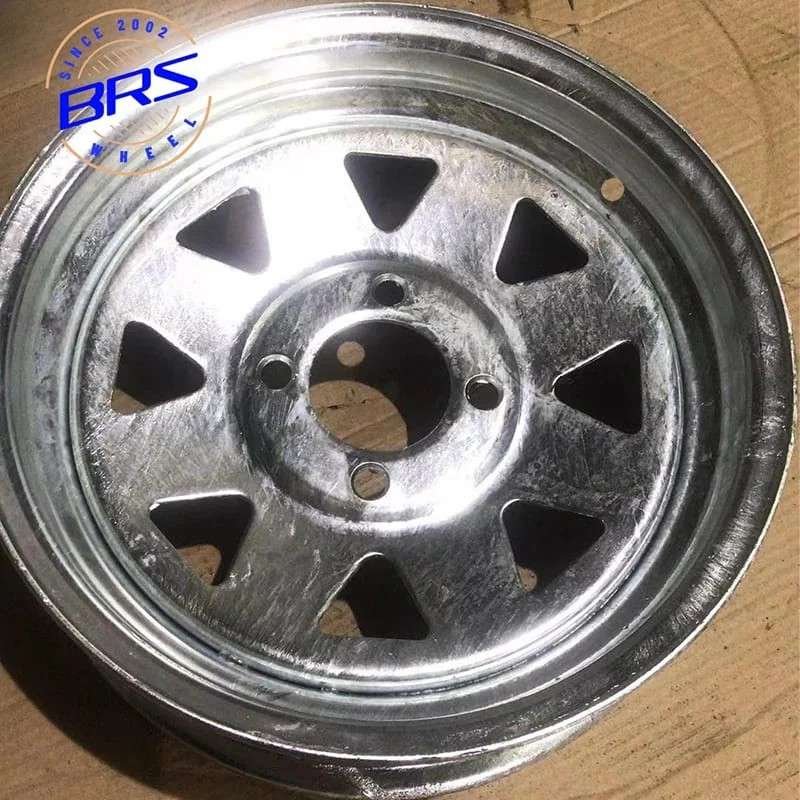
Yes, steel wheels can be safely refurbished to restore strength, appearance, and service life — as long as structural damage is not present. A proper refurb removes rust, repairs minor surface damage, and applies a fresh durable finish, usually at a far lower cost than replacement rims. Most factory steel wheels have years of usable life left even with visible wear, thanks to the inherent strength of steel.
Key Takeaways
- Always inspect wheels for cracks, bends, and deep rust before starting any refurbishment work.
- Thorough cleaning and surface preparation are the most important steps for a long-lasting paint finish.
- Use rust converters and body filler to fix minor surface damage and create a smooth base for paint.
- Apply primer, color paint, and clear coat in thin, even layers for the most durable result.
First: Can Your Steel Wheels Be Refurbished?
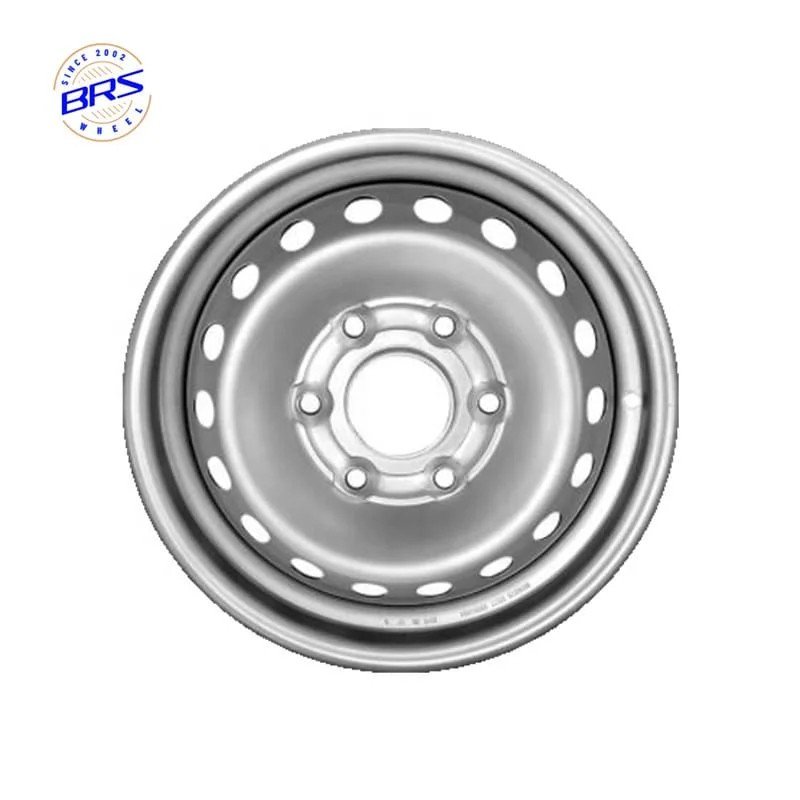
Start with a full condition assessment to decide if refurbishing is safe and cost-effective. Two types of damage determine the outcome: corrosion and structural damage.
Rust Damage Grading
Rust falls into three categories, per corrosion standards:
| Rust Grade | Appearance | Refurbishable? |
|---|---|---|
| Surface rust | Light discoloration, no significant metal loss | ✅ Yes, easy to treat at home |
| Scale rust | Flaking/raised corrosion, deeper surface deterioration | ✅ Yes, treatable with rust converter and filler |
| Penetrating rust | Deep pitting, holes, compromised structural integrity | ❌ No, requires professional assessment or replacement |
Surface and scale rust respond well to DIY treatment. Penetrating rust means the wheel has lost structural material — no amount of paint or filler can restore that strength, and the wheel is unsafe to drive on.
Structural Damage: When to Replace Immediately
Any of the following means the wheel cannot be safely refurbished at home, and may require full replacement:
- Any visible crack, hairline or larger, anywhere on the rim
- Severe bends, especially on the outboard face
- Broken or bent spokes
- Damage near the lug nut mounting holes
- Multiple bends across different areas of the rim
- Repair quotes that exceed 50% of the cost of a new wheel
Cracks are an automatic replacement: even tiny fractures spread under driving stress and can cause catastrophic failure. DIY attempts to bend or hammer out damage will only weaken the metal further and create safety risks.
Refurbish vs. Replace: Cost Comparison
- Professional refurbishment: Sandblasting to bare metal plus powder coating produces a very durable finish. Total cost including balancing and mounting can sometimes exceed the price of basic replacement steel rims, so always compare quotes first.
- DIY refurbishment: Low cost for minor wear, requiring only basic tools and spray paint. Best for wheels with surface rust and minor cosmetic damage.
Step 1: Preparing Steel Wheels for Refurbishment
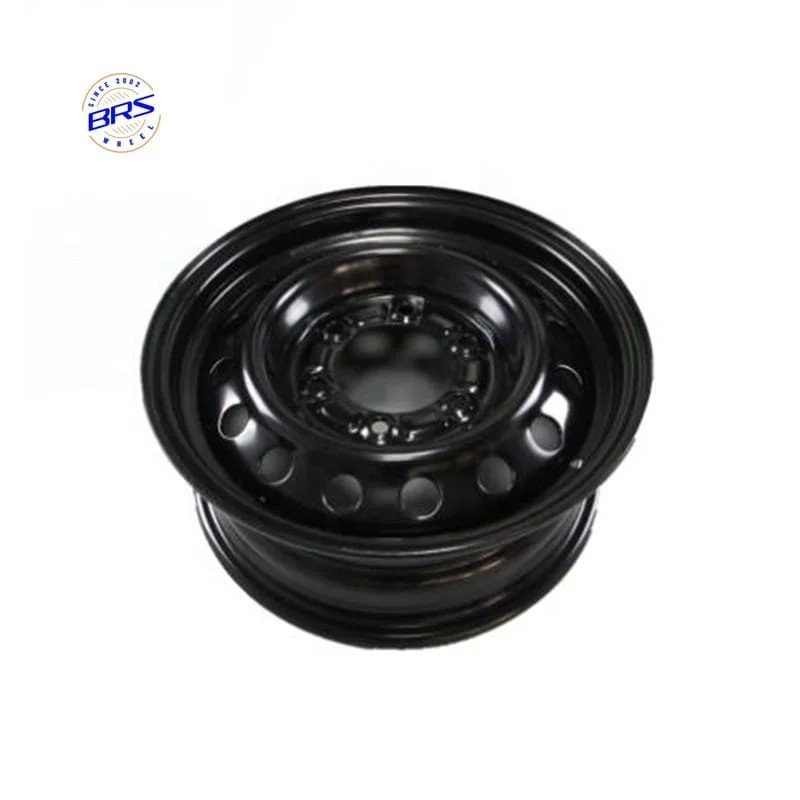
Proper preparation determines how long the new finish lasts. Always work on a cool, clean wheel out of direct sunlight.
Clean & Strip Old Finish
- Spray a dedicated wheel cleaner full-strength onto the rim, and a diluted degreaser onto the tire.
- Let dwell 1–2 minutes, scrub grimy areas, then rinse thoroughly and dry completely.
- Wipe the full surface with rubbing alcohol to remove leftover oils and dust.
- Strip old paint and heavy corrosion with a wire brush, sandpaper, or chemical paint stripper. For best results, scuff the entire surface to create texture for new paint to adhere to.
Treat Rust & Repair Minor Damage
For remaining rust, use a rust converter product. Most formulas use phosphoric acid, tannic acid, or a blend to chemically convert iron oxide into a stable, paintable layer.
- KBS Rust Converter: Spray-on formula, dries flat black in 10 minutes, ready for topcoat in 24 hours, heat-rated to 250°F.
- Corroseal: Water-based converter combined with a latex metal primer, bonds to converted rust and most topcoats, remains workable for 30 days.
For deeper dents and divots, apply an all-metal filler or epoxy, then sand smooth to match the surrounding surface. This step directly determines how smooth the final finish will look.
Step 2: DIY Steel Wheel Refurbishment & Painting
Coating Application
Follow this standard sequence for a durable, professional-looking finish:
- Final prep: Wipe the full wheel with wax and grease remover one final time.
- Primer: Apply 2–3 thin coats of self-etching or metal primer, letting each coat flash off between passes.
- Color paint: Apply 3 thin color coats 10 minutes apart. For best results, warm spray cans in the sun for 30 minutes before use, and shake thoroughly for 2 minutes.
- Clear coat: Apply 1–2 light to medium clear coats for scratch resistance and gloss.
Always apply thin, even passes. Heavy coats cause runs and drips, which require sanding and redoing the layer.
Curing, Balancing & Reinstallation
- Let the paint cure fully for at least 7 days before mounting tires. Rushing this step traps solvents and softens the finish, ruining the work.
- After mounting tires, have a shop balance each wheel to correct weight distribution. Unbalanced wheels cause vibration at speed, uneven tire wear, and suspension stress.
- Reinstall wheels to the manufacturer’s specified lug torque, and check tire pressures before driving.
When to Seek Professional Refurbishing
Professional repair is necessary for any structural damage listed above. It is also a better option if you want a longer-lasting Powder Coated Wheels finish instead of spray paint or need to refurbish multiple severely damaged wheels.
Steel wheels are naturally tough and flexible, so most minor bends can be professionally straightened. Always weigh repair cost against the price of new wheels — if repair exceeds 50% of replacement cost, replacement is usually the better value.
FAQ
How long does a DIY steel wheel refurbishment take?
Plan for about one afternoon per wheel for stripping, sanding, and painting. Full curing takes 7 days before tires can be safely mounted. Rushing the cure stage traps solvents and ruins the finish.
What rust damage can be fixed at home?
Surface rust and scale rust are easily treated with cleaning, sanding, and rust converter. Penetrating rust with deep pitting or holes means the wheel has lost structural strength and requires professional assessment or replacement.
Do you need special tools to repaint steel wheels?
No. Most DIY jobs only require basic hand tools: a wire brush, sandpaper, and spray cans of primer, color, and clear coat. With patience and thin, even coats, spray paint delivers very durable results.
Why do wheels need balancing after refurbishment?
Balancing corrects weight differences around the rim. Unbalanced wheels cause vibration at highway speeds, which wears out tires faster and stresses suspension components. Always have wheels balanced after any tire dismount and remount.
When should a damaged steel wheel be replaced instead of repaired?
Any visible crack is an automatic replacement. Severe bends, damaged spokes, or damage near the lug nut holes also require professional inspection and likely replacement. While steel wheels are very tough, hard impacts can deform the metal past its safe limit.