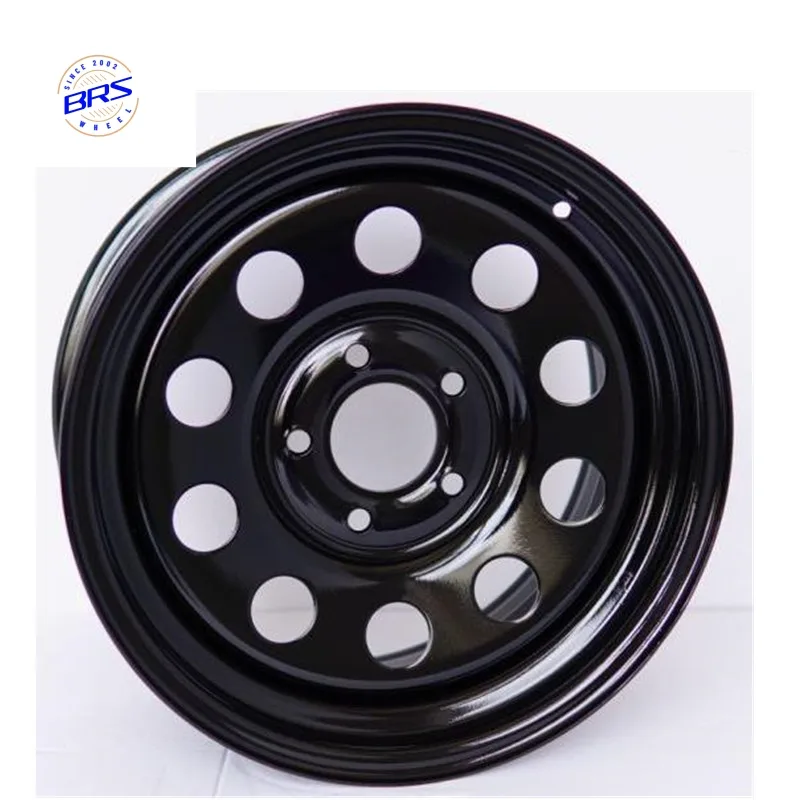
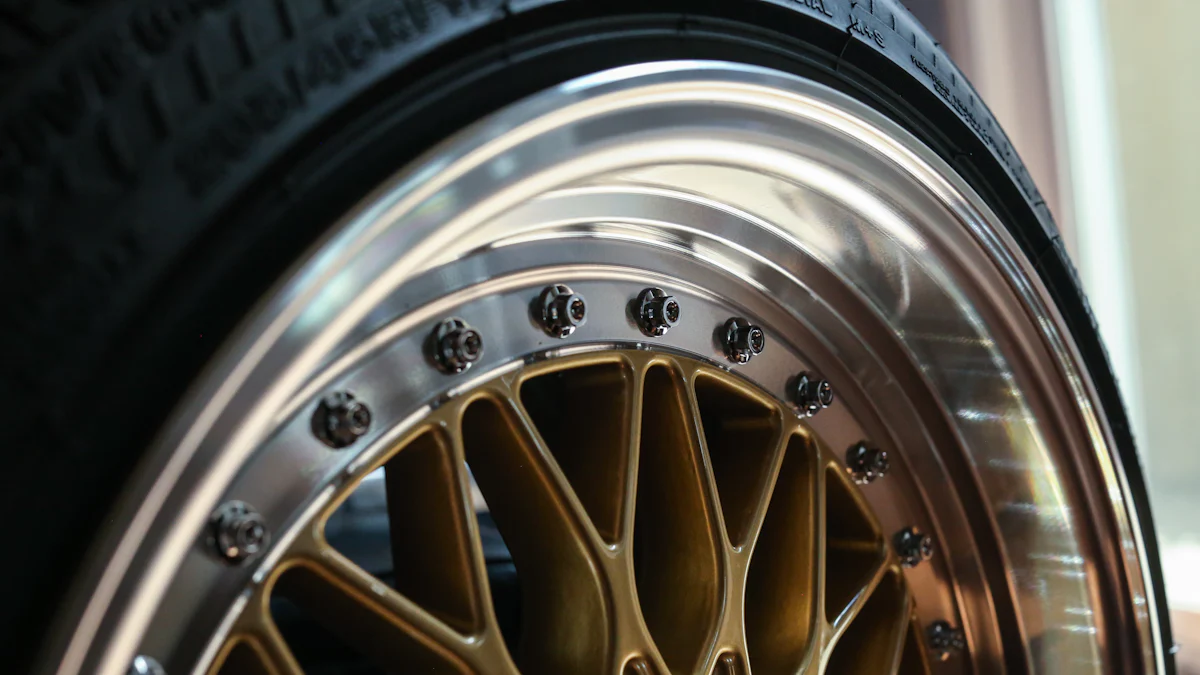

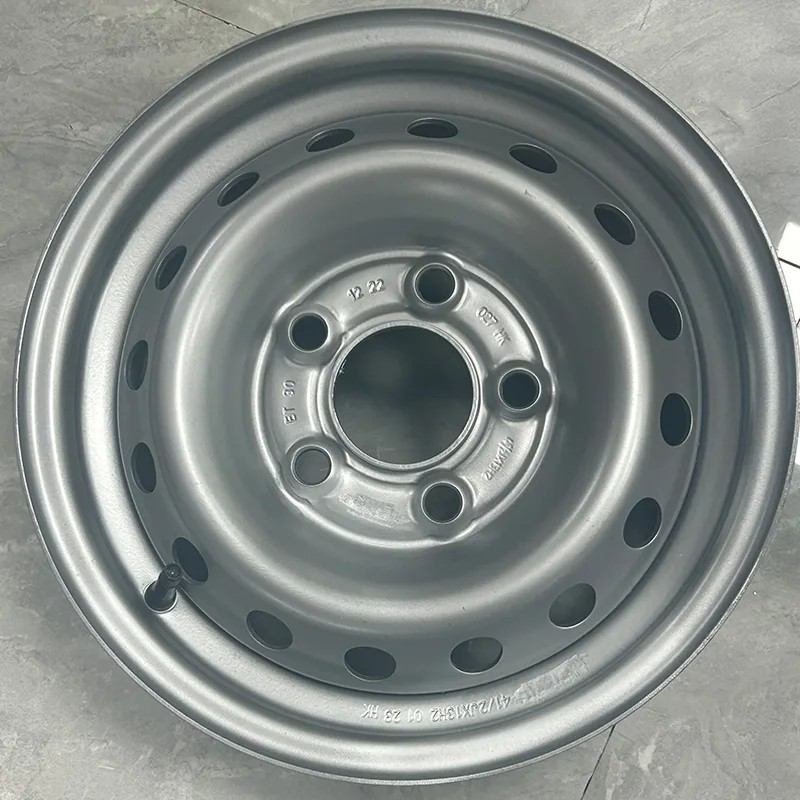
14×6 wheels are one of the most versatile and widely used rim sizes, common on compact passenger cars, light trailers, ATVs, and classic vintage vehicles. They are categorized primarily by construction material, intended application, and design style, each with distinct tradeoffs in strength, weight, corrosion resistance, cost and appearance.
Key Takeaways
- 14×6 wheels are most commonly made of steel or aluminum alloy, with steel prioritizing strength and low cost, and alloy prioritizing light weight and corrosion resistance.
- They are widely used for OEM factory fitment, trailer/utility duty, light off-roading, and classic car restoration.
- Common design styles include spoke wheels, solid full-face wheels, and custom finished wheels for personalized styling.
Types of 14×6 Wheels by Material
Material is the most important distinction for 14×6 wheels, as it determines strength, weight, durability and price.
Steel 14×6 Wheels
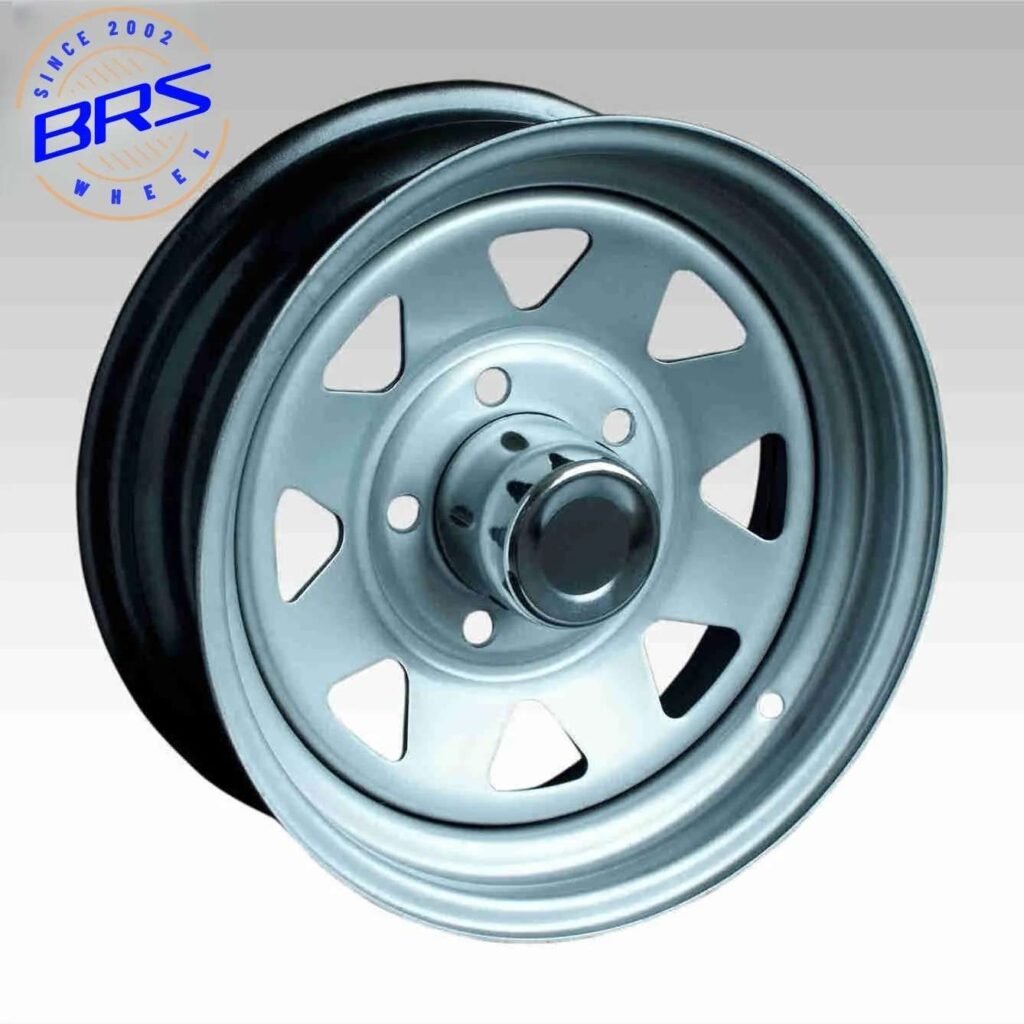
Steel wheels are the most common and cost-effective option, made from pressed and welded steel sheets. They are known for high impact strength and load capacity, making them ideal for work and utility use.
- Pros: Low upfront cost, highly resistant to impact and bending, easy to repair if damaged, wide availability.
- Cons: Heavier than alloy alternatives, prone to rust if the finish is damaged, limited styling options.
- Ideal for: Trailers, work trucks, daily drivers in cold/salty climates, budget builds.
Steel 14×6 wheels are available in three common surface finishes:
| Finish Type | Maintenance Ease | Durability Notes |
|---|---|---|
| Painted | Easy | Moderate scratch and corrosion resistance |
| Powder-coated | Easy | Superior wear and chip resistance vs. paint |
| Chrome | Moderate | Excellent corrosion resistance; requires regular polishing to maintain shine |
Reputable manufacturers like BRS produce certified steel 14×6 wheels with customizable finish options, meeting IATF 16949 quality standards for automotive and trailer use.
Aluminum Alloy 14×6 Wheels
Aluminum alloy wheels are the most popular upgrade for passenger cars, cast or forged from aluminum mixed with small amounts of other metals for added strength. In the automotive industry, “alloy wheels” almost always refer to aluminum alloy as the standard material.
- Pros: Lighter weight (roughly 30-40% lighter than steel of the same size), natural corrosion resistance, better heat dissipation for brakes, wider range of styling designs.
- Cons: Higher upfront cost, more prone to cracking under heavy impact than steel, more difficult to repair.
- Ideal for: Passenger cars, daily drivers, coastal areas with road salt, vehicles where fuel efficiency matters.
| Material | Typical Weight for 14×6 Size | Core Advantage |
|---|---|---|
| Steel | 18–22 lbs | High strength, low cost |
| Aluminum Alloy | 12–16 lbs | Lightweight, corrosion-resistant |
14×6 Wheels by Application Type
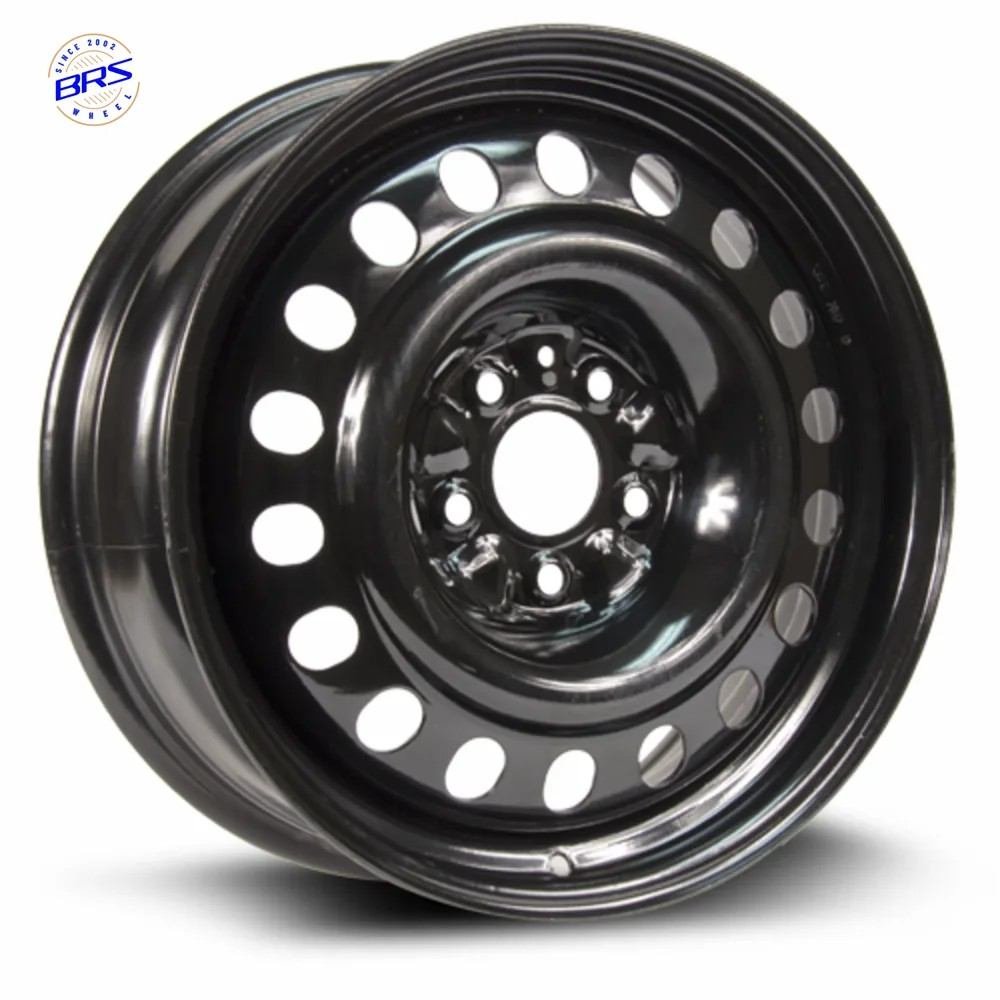
14×6 wheels are designed for a wide range of applications, with different constructions, materials and designs tailored to specific performance requirements. From everyday vehicles to trailers and off-road equipment, each wheel type is optimized for its intended use.
OEM Factory Wheels
OEM 14×6 wheels are commonly used on compact cars, hatchbacks and small pickup trucks. They are designed to meet factory standards for safety, durability and everyday driving performance. Steel wheels are typically used on base models for strength and affordability, while alloy options are often available on higher trim levels for improved appearance and reduced weight.
Trailer & Utility Wheels
Trailer and utility 14×6 wheels prioritize load capacity, durability and long-term reliability. Most are made from heavy-duty steel with solid-face designs that help protect brake components from dirt, moisture and road debris. Many feature powder-coated finishes for improved corrosion resistance and are manufactured to match common trailer bolt patterns and drum brake configurations.
Light Off-Road Wheels
Light off-road 14×6 wheels are built for ATVs, small 4×4 vehicles and recreational off-road use. Reinforced rim edges and stronger spoke designs improve impact resistance on uneven terrain, while steel construction remains popular for its toughness and cost-effectiveness. The 14-inch diameter also allows the use of taller tire sidewalls, improving ride comfort, traction and shock absorption.
Classic Car Restoration Wheels
14×6 wheels were widely used on many vehicles from the 1960s and 1970s, making them a popular choice for classic car restoration projects. Reproduction models are available in period-correct styles, including chrome finishes, steel wheels and vintage spoke designs, helping owners maintain original appearance while meeting modern quality standards.
Types of 14×6 Wheels by Design Style
Spoke Wheels
Spoke designs feature open gaps between the hub and rim edge. They are the most common style for passenger cars, offering two key benefits: better airflow to cool brake components, and a wider range of aesthetic styles from sporty to classic. Spoke wheels are available in both steel and aluminum alloy.
Solid Full-Face Wheels
Solid face wheels have a smooth, closed surface with no open gaps. They are most common on trailers and work vehicles, as they shield brake drums from dirt, rocks and road debris. They are also easier to clean than spoke wheels, making them practical for heavy-duty use. Some classic car builds also use solid steel wheels for a vintage “steelie” aesthetic.
Custom Finished Wheels
Custom 14×6 wheels allow owners to match their vehicle’s style with custom paint colors, powder coat finishes, chrome plating or machined faces. They are popular for show cars, restomods and personalized daily drivers. Many manufacturers offer custom finish options for both steel and alloy 14×6 wheels.
FAQ
What vehicles use 14×6 wheels?
14×6 wheels are common on compact passenger cars, light trailers, ATVs, small pickup trucks, and classic cars from the 1960s and 1970s.
How do I know if 14×6 wheels will fit my car?
Confirm your vehicle’s bolt pattern, center bore size, and brake clearance. This information can be found in your owner’s manual or by checking the original wheel specifications.
Which is better: steel or alloy 14×6 wheels?
It depends on your needs. Steel wheels are stronger, cheaper and better for heavy-duty/trailer use. Alloy wheels are lighter, more corrosion-resistant and offer more styling options for passenger cars.
Can you get custom 14×6 wheels?
Yes, many manufacturers offer custom finishes including paint, powder coat and chrome for 14×6 wheels, as well as custom spoke designs for specialty builds.
What is the most common tire size for 14×6 wheels?
185/70R14 is the most common standard tire size for passenger cars with 14×6 wheels. Trailer applications commonly use 205/75R14 tires.
Conclusion
14×6 wheels are a highly versatile size available in a range of types to match different needs. For utility, towing and budget use, steel wheels are the most practical and durable choice. For passenger cars, daily driving and coastal use, aluminum alloy wheels offer better performance and corrosion resistance. Matching the wheel type to your use case, and confirming proper fitment, will ensure reliable performance and the right look for your vehicle.