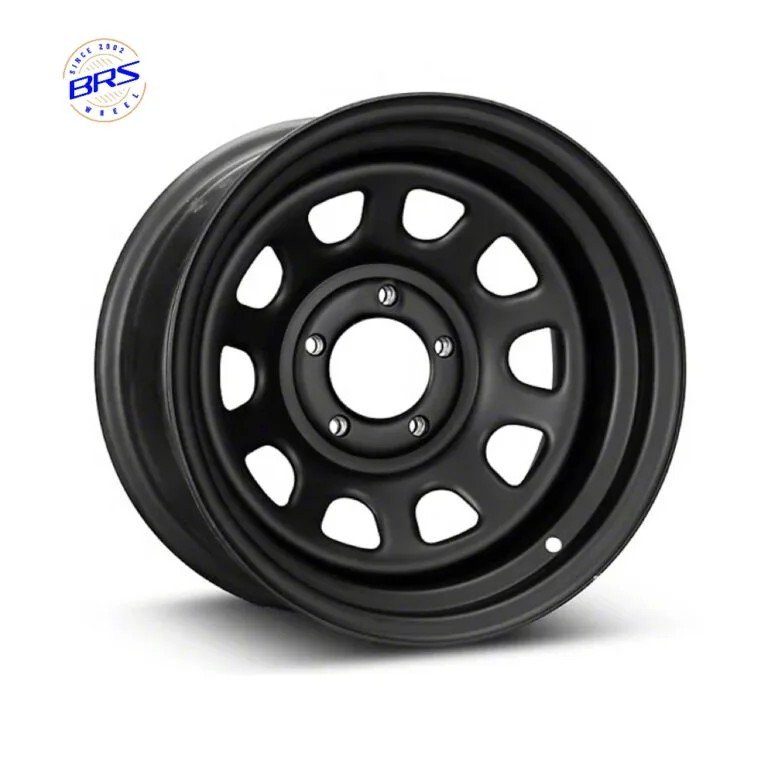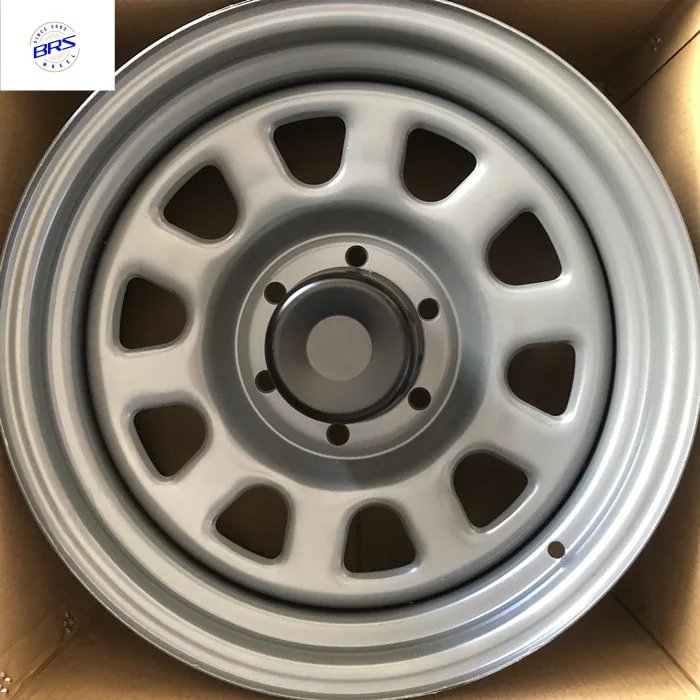

A стальное колесо’нагрузочная способность — это максимальный вес, который одно колесо может безопасно выдерживать в нормальных условиях эксплуатации. Она устанавливается посредством стандартизированных инженерных испытаний и строгого контроля качества при производстве и служит ключевым показателем безопасности для всех дорожных и внедорожных транспортных средств. Превышение этой нормы может привести к растрескиванию колеса, разрушению конструкции и потенциально серьёзным дорожно-транспортным происшествиям.
Основные выводы
- Нагрузочная способность — это безопасный предел рабочего веса на одно колесо, а не на ось или на транспортное средство.
- Она подтверждается стандартизированными испытаниями, включая испытания на усталость при вращении, радиальную выносливость и ударную нагрузку.
- Показатель зависит от размера колеса, марки стали, толщины материала и качества изготовления.
- Рейтинг нагрузки можно найти на штампе на самом колесе или в спецификации производителя.
- Для безопасной эксплуатации всегда сопоставляйте рейтинг нагрузки колеса с номинальной полной массой оси (GAWR) вашего автомобиля.
Что означает рейтинг нагрузки стального колеса?

Рейтинг нагрузки отражает безопасный предел эксплуатации одного колеса на ежедневной основе, а не абсолютную точку разрушения. Максимальная разрушающая нагрузка — это вес, при котором колесо получит структурное разрушение; водители никогда не должны приближаться к этому пределу и всегда должны оставаться в пределах опубликованного рейтинга нагрузки.
Рейтинги выражаются в фунтах (lbs) или килограммах (кг) и могут достигать 12 000 lbs для тяжелонагруженных коммерческих колес. Обратите внимание, что это отличается от рейтинга нагрузки шины: и колесо, и шина должны соответствовать требованиям автомобиля по нагрузке, и меньшее из двух значений устанавливает общий безопасный предел для данной колесной позиции.
Отраслевые стандарты испытаний
Рейтинги нагрузки не произвольны — они должны быть подтверждены стандартизированными независимыми испытаниями. Ключевые мировые стандарты включают:
- JWL (Японский стандарт на легкосплавные диски): Требует прохождения испытаний на динамическую усталость при повороте, радиальную усталость и удар для колес легковых автомобилей.
- JWL-T: Стандарт для грузовиков и 4×4, требующий 100 000+ оборотов на усталость при rotational-bending, 500 000+ оборотов на радиальную выносливость и испытание ударом с высоты 30-degree для имитации бордюров и выбоин.
- SAE J2530: Североамериканский стандарт колес для вторичного рынка по усталостной прочности и ударным характеристикам.
- VIA: Независимая проверка третьей стороной характеристик колеса и допустимой нагрузки.
Все испытания применяют коэффициент поворота 1.35x для имитации боковых нагрузок при поворотах, обеспечивая способность колеса выдерживать реальные нагрузки при вождении в течение многих лет эксплуатации.
Что влияет на допустимую нагрузку стального колеса?
Размер колеса и конструкция
Колеса большего размера обычно имеют более высокую допустимую нагрузку, поскольку распределяют напряжение по большей площади поверхности. Толщина материала также критична: более толстая сталь сопротивляется изгибу и растрескиванию под тяжелыми нагрузками. Детали конструкции также влияют на несущую способность:
- Колеса с beadlock используют стопорное кольцо для фиксации борта шины, добавляя прочность для внедорожного использования.
- Схемы вентиляционных отверстий (модульные, в стиле Daytona) изменяют распределение напряжения по диску колеса.
Прочность стального материала
Базовая марка стали определяет основную прочность колеса. Более высокий предел текучести позволяет колесу выдерживать больший вес без деформации. Высокопрочная низколегированная сталь (HSLA) является отраслевым стандартом, с марками от 942X до 980X:
| Марка стали HSLA | Минимальный предел текучести (psi) |
|---|---|
| 942X | 42,000 |
| 950X | 50,000 |
| 960X | 60,000 |
| 970X | 70,000 |
| 980X | 80,000 |
Более высококачественная сталь позволяет делать колеса тоньше и легче, сохраняя ту же грузоподъемность.
Контроль качества производства
Последовательное производство гарантирует, что каждое колесо соответствует заявленной нагрузочной способности. Роботизированная сварка обеспечивает воспроизводимые швы без дефектов; точная фиксация поддерживает равномерное выравнивание деталей; автоматизированная обработка поверхности обеспечивает стабильное качество покрытия. Производители с сертификацией IATF 16949 следуют стандартизированным производственным процессам для надежных и последовательных значений нагрузочной способности в каждой производственной партии.
Как проверить нагрузочную способность вашего колеса

Маркировка колеса
Нагрузочная способность выштамповывается или отливается непосредственно на колесе, обычно рядом со ступицей или ободом. Например, Alcoa размещает свою идентификацию и нагрузочную способность под углом 180 градусов от вентиля на открытой стороне колеса. Всегда очищайте поверхность колеса и находите этот штамп перед установкой.
Технические листы и таблицы нагрузок производителя
A производитель стальных колес должны содержать номинальную грузоподъемность для каждой модели или конфигурации колеса. Проверяйте технический лист для точного размера колеса, применения, номера детали и нагрузочной способности, а не полагайтесь на общую характеристику для похожего колеса.
Например, колесо, предназначенное для легкового автомобиля, может иметь совершенно иной рейтинг нагрузки, чем колесо для тяжелого грузовика, прицепа, сельскохозяйственной техники или внедорожное колесо. Требуемый рейтинг также зависит от транспортного средства и области применения.
Соответствие GAWR транспортного средства
Проверьте номинальную грузоподъемность оси (GAWR) на сертификационной табличке транспортного средства или в документации производителя. В качестве базового проверочного расчета разделите применимый рейтинг оси на два, чтобы оценить минимальную требуемую грузоподъемность на одно колесо на этой оси. В опубликованном правительственном документе США рейтинг нагрузки колеса описывается как 50% рейтинга самой тяжелой оси транспортного средства.
Например, если соответствующая ось имеет GAWR 3 600 фунтов, базовое требование на одно колесо составляет:
3 600 ÷ 2 = 1 800 фунтов на колесо
Выбранное колесо должно иметь номинальную грузоподъемность не менее требуемой нагрузки на колесо, а также соответствовать требованиям производителя транспортного средства по установке.
Часто задаваемые вопросы
Как узнать рейтинг нагрузки на стальном колесе?
Ищите штампованную или литую маркировку рядом со ступицей или ободом. Рейтинги также можно найти в каталогах продукции и технических листах производителя. Сверьте их с наклейкой GAWR вашего транспортного средства, чтобы подтвердить совместимость.
Что произойдет, если превысить рейтинг нагрузки колеса?
Превышение рейтинга нагрузки может привести к растрескиванию колеса, разрушению конструкции или внезапной поломке во время движения, создавая риск аварий и травм. Никогда не эксплуатируйте колесо с превышением опубликованного безопасного предела.
Всегда ли более высокая нагрузочная способность означает лучшее колесо?
Не обязательно. Более высокая нагрузочная способность означает, что колесо может выдерживать больший вес, но завышенная нагрузочная способность добавляет ненужный вес и может снизить топливную эффективность. Выбирайте нагрузочную способность, соответствующую фактическим потребностям вашего автомобиля и нагрузке.
Может ли колесо со временем потерять свою нагрузочную способность?
Номинальная нагрузочная способность не снижается при нормальной эксплуатации, но ударные повреждения, коррозия, трещины или изгибы могут снизить прочность конструкции колеса. Регулярно осматривайте колеса и заменяйте любые с видимыми повреждениями.
В чем разница между нагрузочной способностью колеса и нагрузочной способностью шины?
Нагрузочная способность колеса — это максимальный вес, который стальное колесо может безопасно выдерживать. Нагрузочная способность шины — это максимальный вес, который может выдерживать шина. Оба показателя должны соответствовать требованиям вашего автомобиля, и меньший из двух устанавливает общий безопасный предел.
Эксперт по производству стальных колес
Пионеры в области производства автомобильных колес