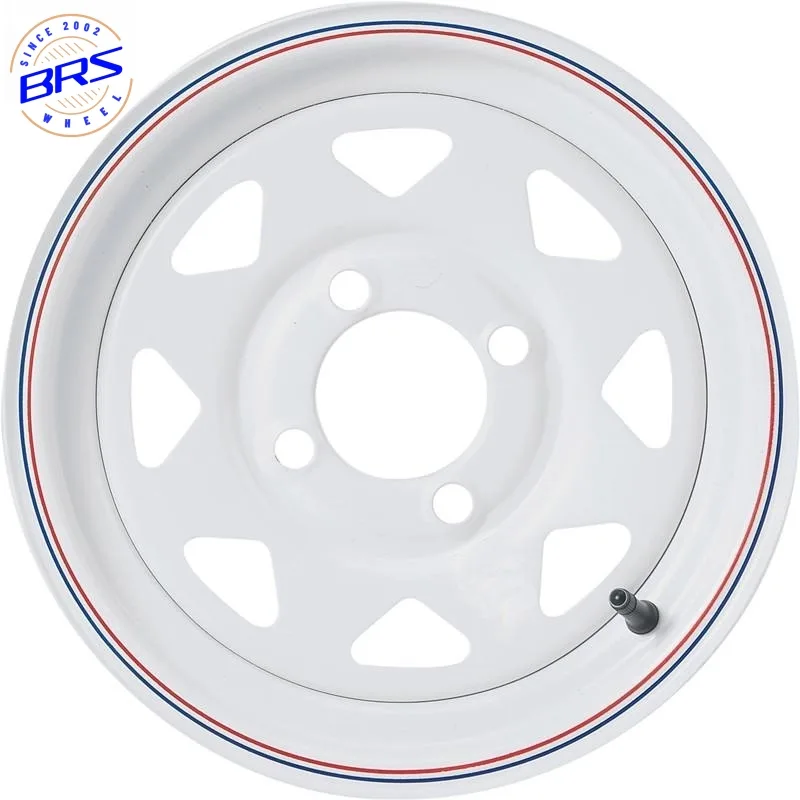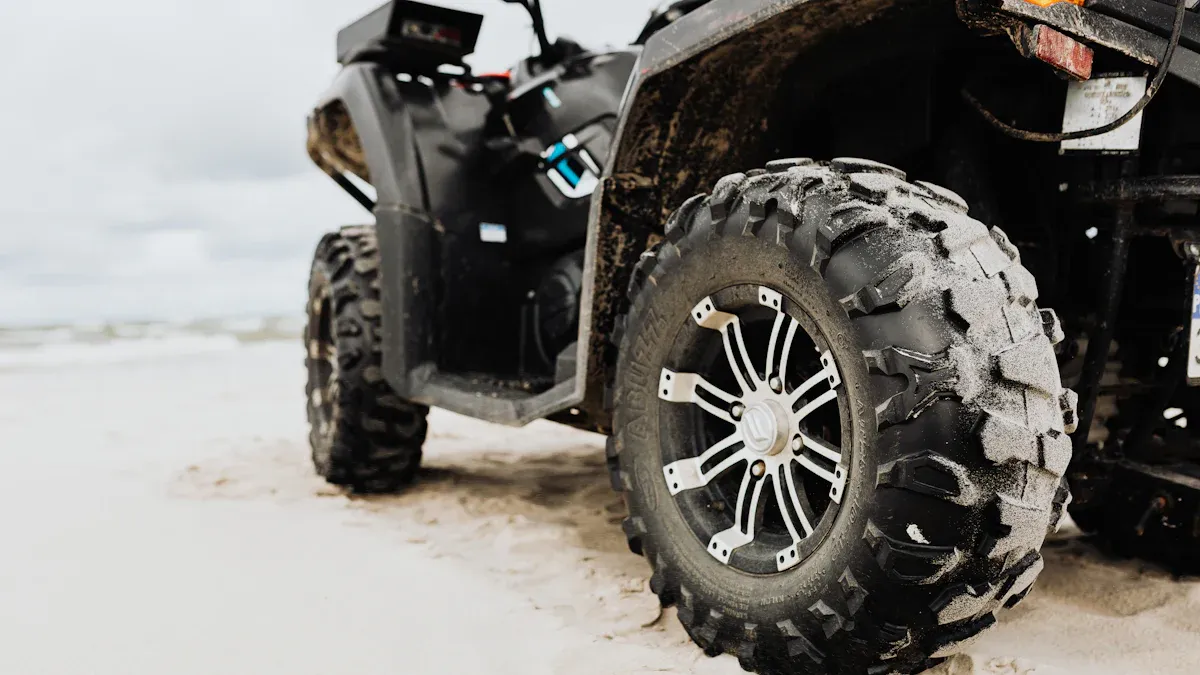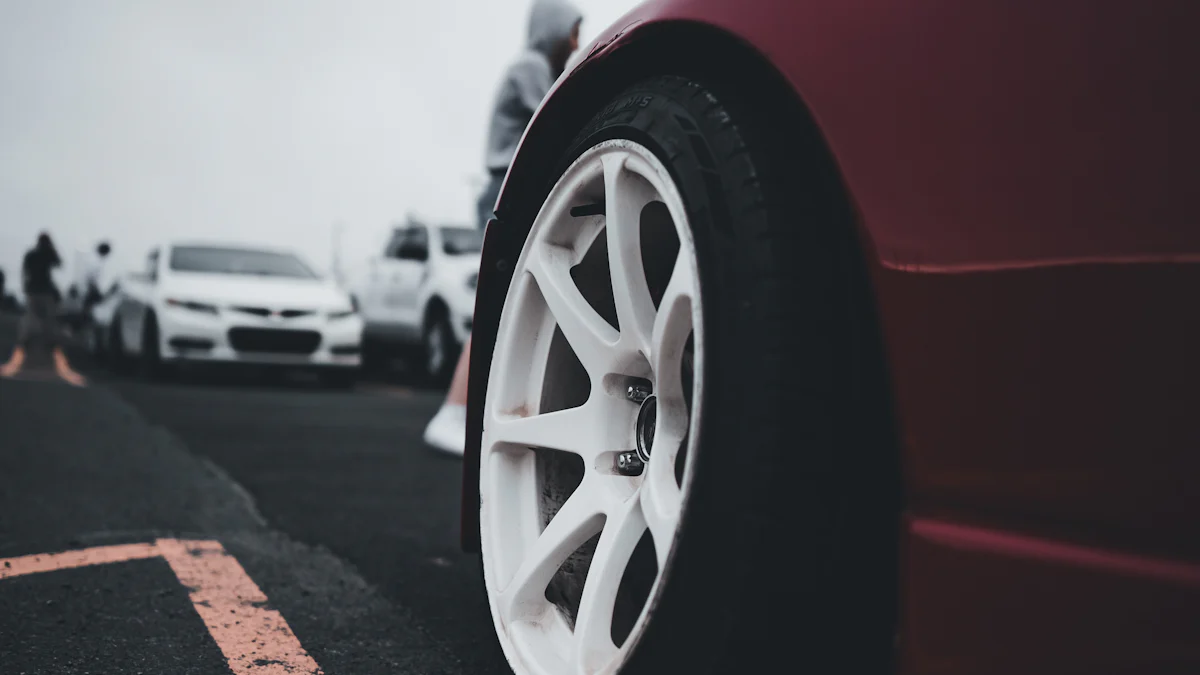
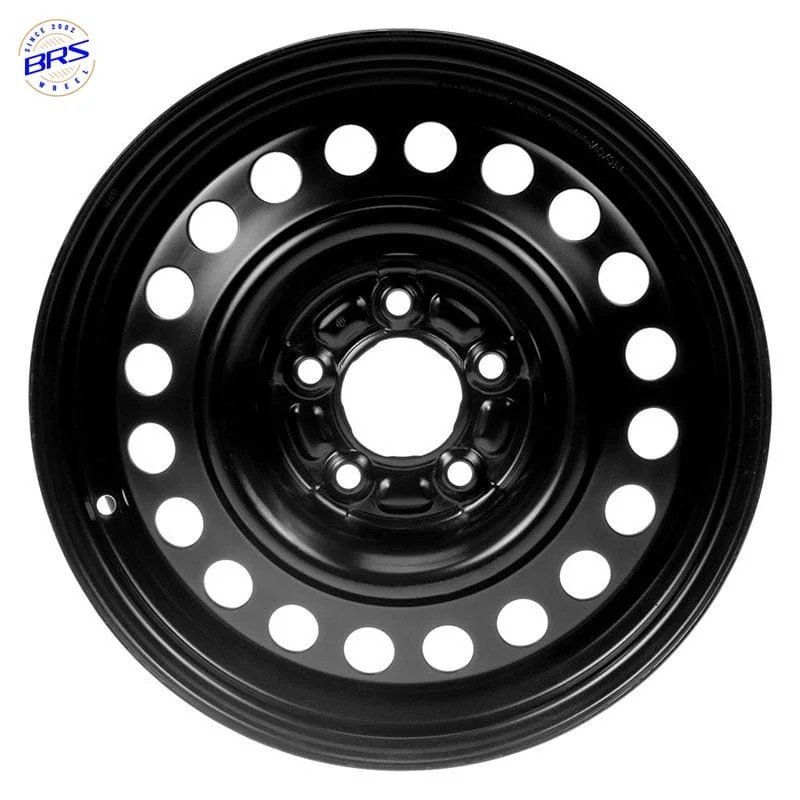
There is no fixed replacement schedule for steel rims. With proper care, high-quality стальные диски can last 15 to 20 years — often as long as the vehicle itself. Age alone is rarely a reason to replace rims; instead, structural damage, severe corrosion, and impact wear are the real determining factors.
Hazards like road salt, deep potholes, and frequent overloading can compromise rim safety long before the metal reaches the end of its natural service life. Recognizing early warning signs of damage is critical for maintaining on-road safety, and routine inspections help owners decide between minor repair and full replacement.
Основные выводы
- Well-maintained steel rims have a service life of 15–20 years, far longer than comparable aluminum alloy wheels.
- Road salt, pothole impacts, and poor maintenance accelerate corrosion and structural damage, shortening lifespan.
- Warning signs include persistent air leaks, steering vibration, visible cracks, and advanced rust.
- Minor bends can often be repaired, but severe structural damage or deep corrosion requires immediate replacement.
Typical Lifespan of Steel Rims
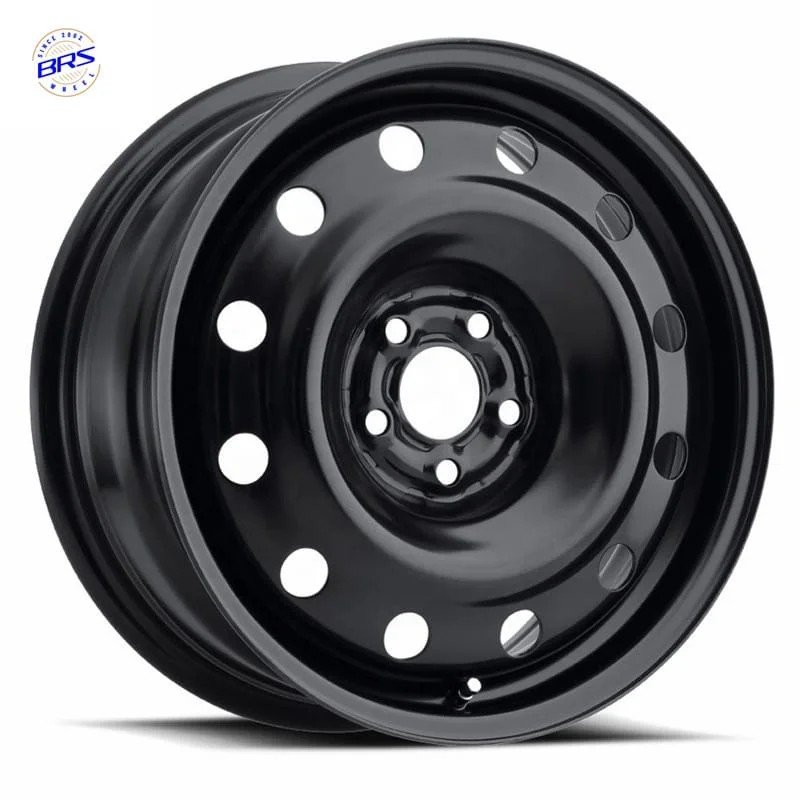
Quality steel rims from reputable steel rim suppliers can provide an average service life of 15 to 20 years under normal driving conditions and with routine care. In many cases, they remain functional for the entire lifespan of the vehicle.
Longevity comes down to material durability and protective finishing. Steel rims are coated with electro-coat primer and powder coating to create a barrier against moisture, road salt, and environmental contaminants. When this protective layer remains intact, the underlying steel is shielded from rust and corrosion.
Compared to aluminum alloy wheels, steel rims have significantly greater long-term durability:
| Тип обода | Typical Lifespan Range |
|---|---|
| Сталь | 10–20+ years |
| Aluminum Alloy | 5–10 years |
Steel also has a safety advantage in impact scenarios: it deforms under heavy force rather than cracking or shattering, which reduces the risk of sudden, catastrophic wheel failure.
Factors That Shorten Steel Rim Service Life
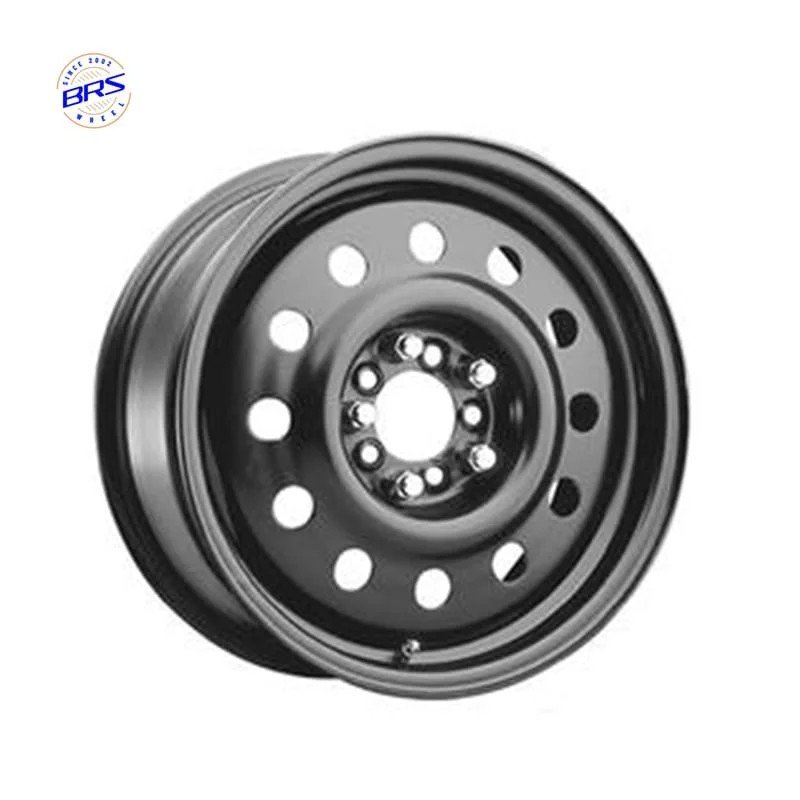
Real-world conditions have a major impact on how long steel rims remain safe and functional. The following factors accelerate wear and can drastically reduce service life:
| Фактор | Effect on Lifespan |
|---|---|
| Road conditions | Rough pavement, potholes, and off-road terrain cause impact damage; smooth urban roads are the gentlest environment. |
| Driving habits | Hard braking, sharp cornering, and frequent curb strikes multiply impact stress on the rim structure. |
| Техническое обслуживание | Regular cleaning removes corrosive road salt and brake dust; neglected wheels corrode much faster. |
| Climate | Coastal salt spray and winter road salt use accelerate rust formation, reducing lifespan by roughly 25% or more. |
| Load management | Consistent overloading by just 20% can reduce rim service life by up to 30%. |
| Secondary damage | Underinflated tires, loose lug nuts, and prior impact damage increase stress on studs and hub mounting surfaces. |
How these factors cause damage
- Impact damage: Hard hits from potholes or curbs bend the rim lip, break the tire bead seal, and can create hidden structural fatigue.
- Corrosion: Road salt speeds up the electrochemical rust reaction by improving electrical conductivity in moisture. Once salt and moisture penetrate chipped coating, bare steel rusts rapidly, weakening the metal over time.
- Improper use: Underinflated tires transfer more road shock directly to the rim, while overloading puts excess stress on the wheel center and bolt holes.
Regular cleaning and proper tire maintenance can mitigate most of these effects and extend rim life by years. For example, monthly wheel washing in winter salt regions can add roughly 30% to service life. In coastal climates, unmaintained steel rims may only last 5–7 years, while inland wheels with regular touch-up coating can easily reach 12+ years of use.
Clear Signs It’s Time to Replace Steel Rims
Routine inspections during tire rotations are the best way to catch damage early. Steel rim manufacturers recommend watching for these red flags, as they may indicate that a rim is no longer safe for use.
Severe Structural Damage & Advanced Corrosion
Corrosion is the most common cause of steel rim failure. Once rust penetrates past the surface and begins eating through the metal, structural integrity drops rapidly. Replacement is required when you see:
- Deep cracks that extend fully through the rim face or barrel
- Severe rim lip bends from pothole or curb impacts that break the tire bead seal
- Rust holes or heavily pitted metal around the center bolt holes or bead seat
- Blistering paint bubbles indicating hidden corrosion spreading under the coating
Superficial surface rust (discoloration without pitting) can often be cleaned and re-coated, but deep, porous rust is irreversible.
Functional Warning Symptoms
Damaged rims create noticeable driving issues that worsen over time. The table below outlines the most common failure symptoms:
| Symptom | Описание | Replacement Indication |
|---|---|---|
| Slow air leak | Frequent tire pressure loss despite no visible tire puncture | Corrosion or bending has destroyed the airtight bead seal |
| Steering vibration | Shaking felt in the steering wheel above 50 mph | Structural deformation has thrown the wheel out of balance |
| Visible deformation | Obvious dents, cracks, or rust holes on the rim surface | Structural integrity is compromised |
| Uneven tire wear | Cupping, scalloping, or irregular tread wear patterns | Bent rim prevents the tire from making flat, even contact with the road |
Any of these symptoms warrant immediate inspection. Persistent air leaks and steady vibration almost always mean the rim is bent or corroded beyond safe use.
Can You Repair a Damaged Steel Rim?
Not all damage requires full replacement. Steel’s ability to deform without shattering makes many minor defects repairable.
Minor rim lip bends, small surface dents, and light surface rust can often be fixed by a professional rim repair shop. Technicians use specialized hydraulic tools and controlled heat to reshape bent areas back to their original profile. Simple lip bends can also be corrected with basic shop tools in some cases.
After reshaping, the tire and rim assembly should be rebalanced to restore smooth operation. Typical repair costs range from $50–$150 per rim, which is often more cost-effective than replacement.
Часто задаваемые вопросы
How do I know when my steel rims need replacing?
Replace steel rims if you find deep metal cracks, severe rust around the bolt holes or bead seat, permanent bending that causes air leaks, or persistent steering vibration at speed. Age alone is not a reason to replace rims that are in good condition.
Can a bent steel rim be fixed?
Yes, minor bends on the rim lip can be professionally repaired for $50–$150. The process involves reshaping the metal and rebalancing the wheel. Deep cracks, heavy rust, and severe structural deformation cannot be safely repaired and require replacement.
Do steel rims last longer than aluminum rims?
Yes, steel rims typically last roughly twice as long as aluminum alloy wheels under comparable conditions. Quality steel rims last 15–20 years with proper care, while aluminum alloys generally last 5–10 years. Steel also bends rather than cracking on impact, making minor damage repairable.
How often should steel rims be inspected?
Inspect steel rims at every tire rotation (typically every 5,000–7,500 miles). Have a technician check for hidden rust bubbles, bent edges, and bead seal wear. Catching damage early prevents more expensive repairs and maintains driving safety.
Заключительные мысли
Steel rims do not need to be replaced on a set schedule. Their service life depends far more on road conditions, maintenance habits, and impact history than on age alone. With regular cleaning and periodic inspection, a set of quality steel rims can easily last 15–20 years.
For most drivers, the best approach is to inspect wheels during routine tire service, address minor damage early, and replace rims promptly when structural damage or severe corrosion appears. This balances safety, cost, and long-term durability.
Эксперт по производству стальных колес
Пионеры в области производства автомобильных колес