There’s no universal answer — chrome and painted wheels age very differently, and long-term appearance depends on application quality, driving conditions, and maintenance. High-quality chrome retains a flawless mirror finish for years when the plating stays intact, but corrodes aggressively once breached. Painted wheels fade and chip more gradually, and minor cosmetic damage is easy to repair. For daily drivers, the better choice comes down to road environment, how you prioritize appearance vs. repairability, and how quickly you address damage.
Основные выводы
- Хромированные диски use layered electroplating for a mirror finish and strong corrosion resistance — as long as the plating remains unbroken.
- Once chrome plating is scratched or chipped, corrosion spreads under the surface, causing bubbling, peeling, and pitting that is hard to reverse.
- Painted wheels (including powder-coated finishes) age gradually, with UV fading, small chips, and clear coat wear over time.
- Minor paint damage can be touched up locally; chrome damage usually requires full stripping and replating.
- For daily driving, painted wheels are easier to maintain long-term; chrome works best for show cars and garage-kept vehicles.
How Chrome and Painted Wheels Age
Хромированные диски
Chrome wheels use a multi-layer electroplated finish, typically copper, nickel, and chromium applied over the wheel base. When fully intact, the plating creates a hard, smooth, mirror-like surface with excellent corrosion resistance.
The problem starts when the plating is breached. Scratches, stone chips, road salt, brake dust, or moisture can expose the underlying metal layers. Once corrosion takes hold beneath the chrome, damage spreads quickly and becomes very visible:
- Bubbling or blistering under the chrome surface
- Peeling and flaking plating
- Pitting and surface corrosion
- Dulling and loss of the original mirror finish
Chrome can look perfect for years, but once the plating system is compromised, deterioration accelerates and is difficult to stop without full refinishing.
Painted Wheels
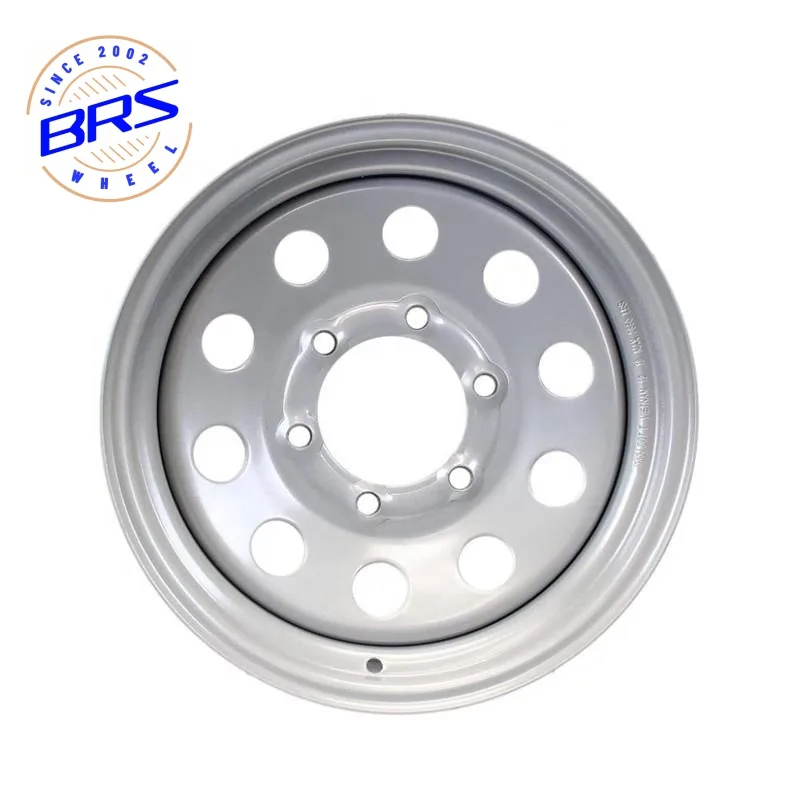
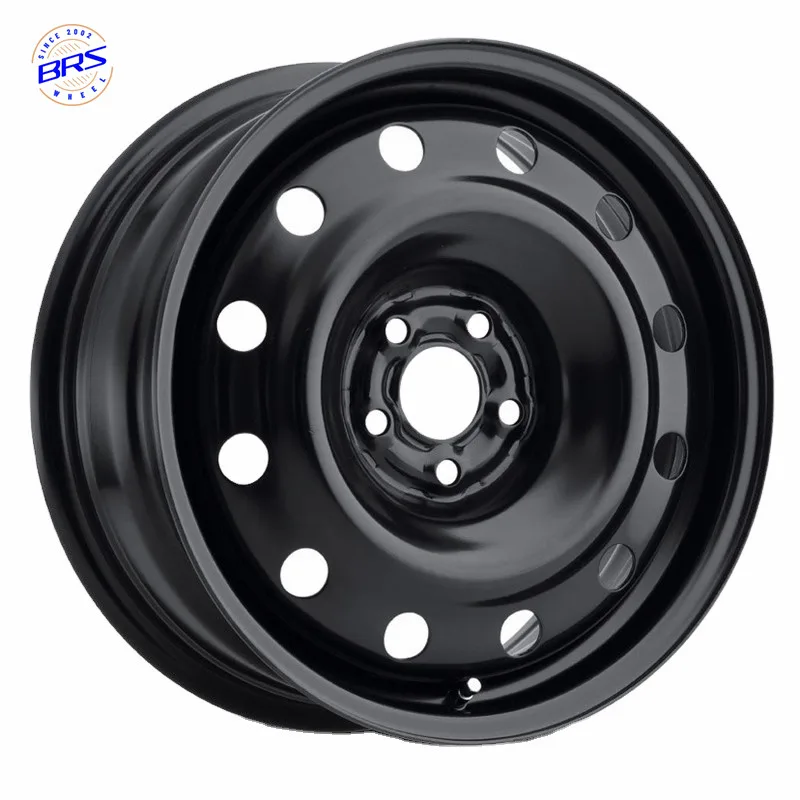
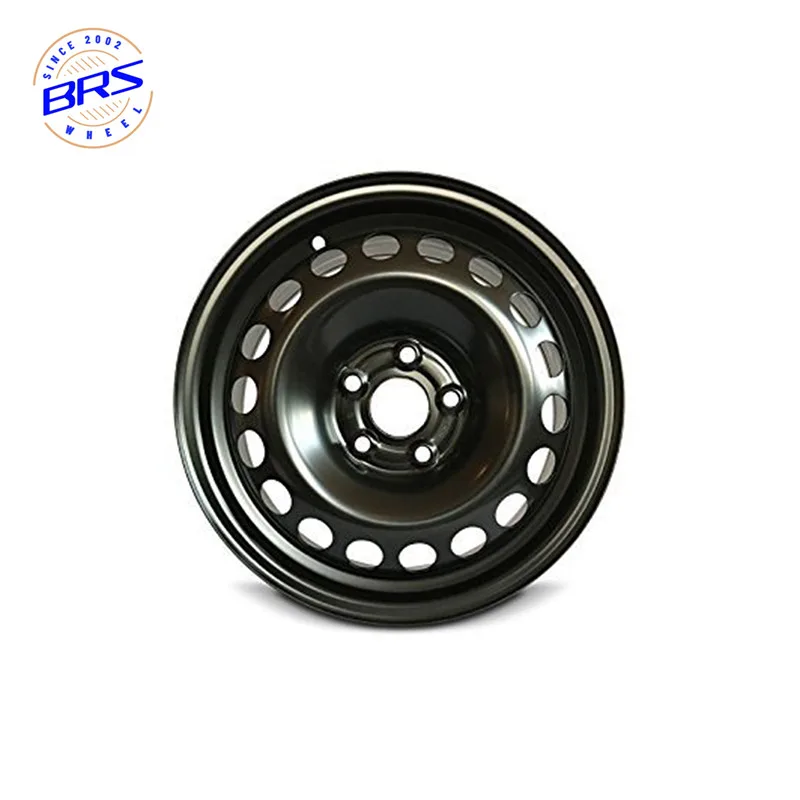
Painted wheels use a multi-coat system (primer, color coat, clear coat) applied to the wheel surface. Powder-coated wheels use a cured powder finish instead of liquid paint, but fall into the same broader category of coated wheel finishes.
Aging is slower and more gradual than chrome, and typically appears as:
- UV-related fading of the color coat
- Small stone chips and surface scuffs
- Clear coat wear and hazing over time
- Localized corrosion only where bare metal is fully exposed
Unlike chrome, small chips and scratches do not usually trigger widespread hidden corrosion. Damage stays localized and can often be addressed without redoing the entire finish.
Chrome vs. Painted Wheels: Which Lasts Longer?
Daily Driving Performance
How long either finish stays looking good depends heavily on original application quality and road exposure.
- Chrome: Looks flawless longer when undamaged, but even small chips can open the door to spreading corrosion. The mirror finish also shows brake dust and grime more visibly.
- Раскрашенный: May show minor chips and scuffs sooner, but wear is uniform and gradual. Powder-coated finishes offer extra chip, chemical, and road wear resistance compared to standard liquid paint.
“Longest lasting” is not just about perfect appearance — repairability and how the finish deteriorates also matter for long-term ownership.
Resistance to Road Salt, Brake Dust & Moisture
Wheels face constant attack from road salt, brake dust, moisture, and cleaning chemicals.
- Chrome: Highly corrosion-resistant while plating is intact. Once the surface is breached, salt and moisture get trapped under the plating and accelerate hidden corrosion.
- Раскрашенный: The coating acts as a protective barrier over the entire wheel surface. Regular washing to remove brake dust and salt slows deterioration significantly.
For winter-driven or coastal vehicles, regular cleaning and prompt damage repair are critical for either finish.
Возможность ремонта
This is the clearest difference between the two finishes.
- Painted wheels: Minor scratches and chips can be sanded, blended, and touched up locally. Liquid paint also makes it easy to match factory colors exactly. Most daily-driver damage can be repaired without refinishing the whole wheel.
- Хромированные диски: Simple touch-ups cannot restore the original mirror finish once plating peels or pits. Extensive damage requires full stripping and replating, which is far more costly and labor-intensive.
This difference makes painted wheels much easier to maintain over years of daily driving, especially for vehicles that regularly encounter road debris or curb damage.
Which Wheel Finish Is Better for Your Driving Conditions?
Chrome: Best for Show Cars & Classic Builds
Chrome is the top choice for show cars, classic vehicles, lowriders, and builds where the mirror finish is a core part of the aesthetic. For garage-kept vehicles driven occasionally and carefully maintained, high-quality chrome can retain its distinctive look for many years.
Painted: Best for Daily Drivers
Painted wheels are far more practical for daily-driven vehicles that accumulate regular road mileage. They handle gravel, brake dust, weather, and frequent washing better long-term, and cosmetic damage is easy to fix. Powder coating is the upgrade option for extra resistance to everyday road wear.
Часто задаваемые вопросы
Can chrome wheels be repaired if they start peeling?
Minor surface damage may sometimes be addressed, but peeling or pitting within the plating usually requires professional refinishing. Because chrome is an electroplated finish, restoring the original appearance can involve stripping the existing plating and applying a new plating system.
Are painted wheels easier to maintain than chrome wheels?
Generally, yes. Painted wheels can usually be cleaned with standard wheel-care products, and minor cosmetic damage can often be repaired without completely refinishing the wheel. The specific maintenance requirements still depend on the type of paint or powder coating used.
Does powder coating last longer than regular wheel paint?
Powder coating generally provides a thicker, cured finish and can offer strong resistance to everyday abrasion and road chemicals. However, actual durability depends on surface preparation, coating quality, application process, and driving conditions.
Can road salt damage chrome and painted wheels?
Yes. Road salt can contribute to corrosion when it remains on wheel surfaces, particularly in areas where the protective finish has already been damaged. Regularly rinsing salt and other contaminants from the wheels can help reduce long-term deterioration.
Can I change chrome wheels to a painted finish?
Yes. Chrome wheels can be stripped and refinished with an appropriate coating system, although the preparation process must be done correctly to ensure proper coating adhesion. The condition of the underlying wheel should also be checked before refinishing.
Эксперт по производству стальных колес
Пионеры в области производства автомобильных колес