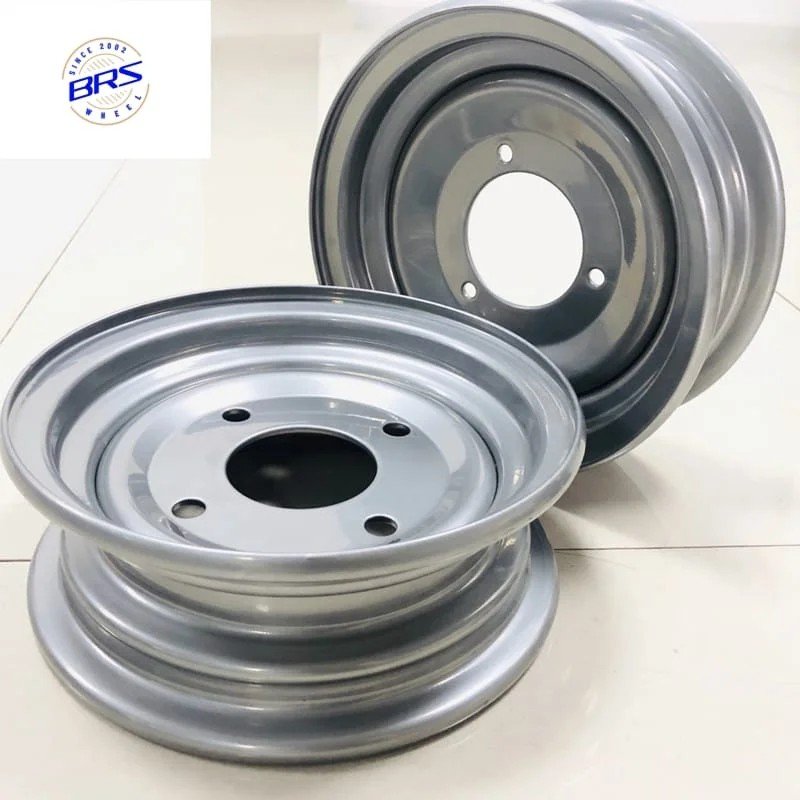
Да, более широкие Колеса для квадроциклов колеса действительно повышают общую устойчивость, прежде всего за счет увеличения пятна контакта шины и расширения колеи транспортного средства. При этом выигрыш во многом зависит от типа покрытия и стиля езды, а перед модернизацией необходимо учесть реальные компромиссы в характеристиках, управляемости и стоимости.
В этом руководстве подробно описано, как более широкие колеса повышают устойчивость, где они дают наибольшую пользу, каких недостатков следует ожидать и как решить, подходят ли они вашему вездеходу и вашему стилю езды.
Основные выводы
- Более широкие колеса для ATV увеличивают сцепление и расширяют базу транспортного средства, повышая устойчивость на мягком грунте и боковых уклонах.
- Наибольший выигрыш заметен на грязи, песке и снегу; на укатанных тропах модернизация дает минимальную пользу.
- К недостаткам относятся увеличенная неподрессоренная масса, более вялое рулевое управление и возможные проблемы с клиренсом.
- Подбирайте ширину колеса под наиболее типичный для вас рельеф езды, а не только под редкие экстремальные выезды.
- Перед покупкой всегда проверяйте сверловку (PCD), вылет, зазоры подвески и индекс нагрузки, чтобы обеспечить безопасную установку.
Как более широкие колеса повышают устойчивость ATV
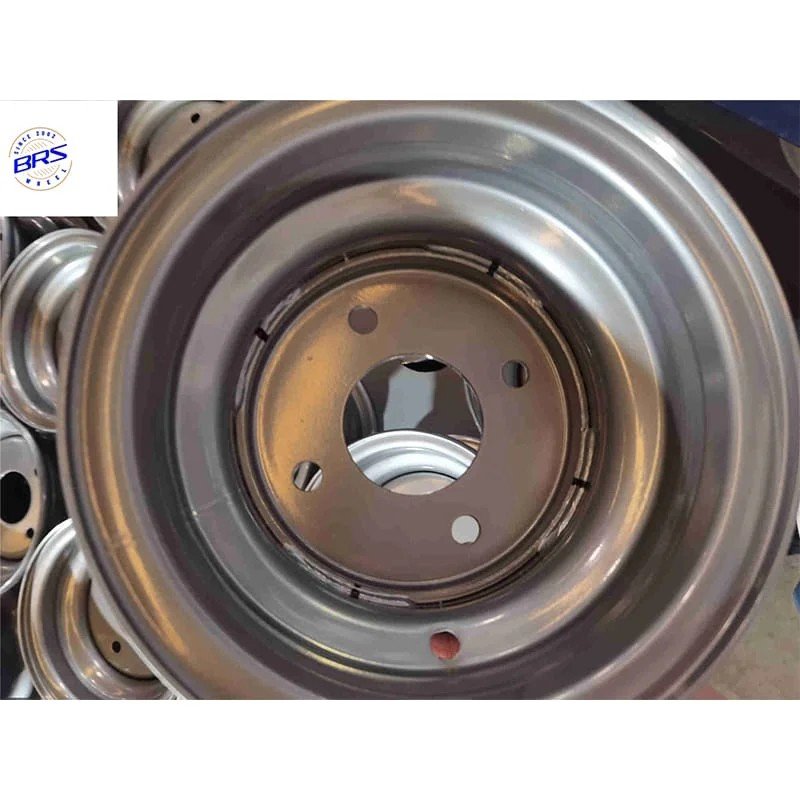
Прирост устойчивости обеспечивается двумя отдельными механическими эффектами: большей площадью контакта шины для лучшего сцепления и более широкой колеей для лучшего сопротивления крену.
Larger Contact Patch = More Traction
The contact patch is the area of tire touching the ground at any moment. A wider wheel paired with a wider tire spreads this patch across more rubber, increasing friction between the tire and terrain.
On soft, loose surfaces, this works the same way a broad boot sole performs better than a narrow heel on mud or sand: the wider footprint distributes weight and floats over loose material instead of sinking in. The result is less wheelspin under acceleration, more predictable tracking through ruts, and better side grip in turns. The effect is small on hard, firm ground where traction is already abundant.
Wider Track Width = Better Rollover Resistance
Wider wheels push the tires farther outward, increasing the total distance between left and right tire centers (track width). This broadens the vehicle’s entire support base.
A rollover happens when the vehicle’s center of gravity shifts past the outer edge of the tire support footprint. A wider track moves that tipping line outward, so you can lean further into side slopes and sharper turns before uphill tires lift off the ground.
This effect is most noticeable on cambered hills and off-camber turns. Together with improved traction, a wider stance makes the machine feel calmer and more predictable at speed and on uneven ground.
Where Wider Wheels Deliver the Most Value
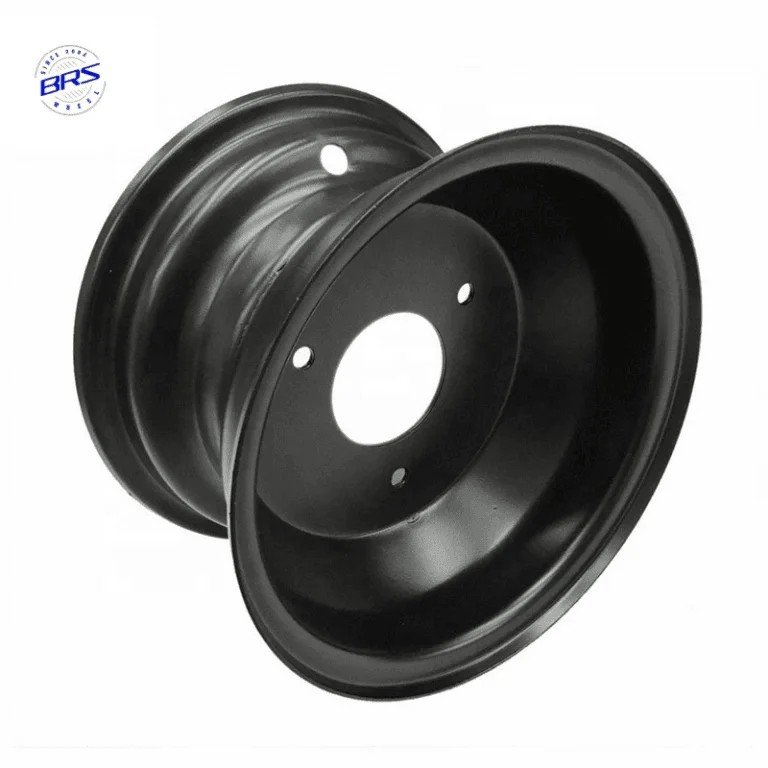
Best Terrain for Width Upgrades
- Mud, sand & snow: Soft, low-grip surfaces gain the most from a wider, floatation-focused footprint. Narrow tires sink and plow; wide tires stay higher and find more packed material to grip.
- Side slopes & cambered trails: Extra track width adds critical safety margin when crossing hills at an angle, reducing the risk of uphill tire lift.
- Loaded utility work: Hunting, farming, and hauling setups benefit from both better traction under weight and a more stable base.
Riding Styles That Benefit Most
Recreational trail riders on mixed soft ground, utility users hauling cargo, and hunters crossing wet fields see the biggest day-to-day improvement. Riders who spend most of their time on hardpack, tight single-track, or technical rock gardens will see little benefit and may prefer stock-width wheels for easier maneuvering between trees and obstacles.
Trade-Offs of Wider ATV Wheels
Width is not a free upgrade. There are four key downsides to evaluate:
- Heavier unsprung weight: Wider wheels and tires add mass at the corners of the vehicle, increasing unsprung weight. This can soften off-the-line acceleration, slightly lengthen braking distance, and make small bumps feel harsher, as the suspension has more mass to control at each corner.
- Heavier steering feel: A wider stance increases steering effort, especially at low speed on firm ground. Some riders prefer the planted feel; others miss the light, quick handling of a stock setup.
- Clearance & legal compliance: Wider setups may rub against fenders, control arms, or the frame at full steering lock or full suspension compression. Always test clearance with the suspension compressed before finalizing an upgrade. Some public land and trail systems also have maximum machine width rules that a wide setup may exceed.
- Higher cost: Wider wheels and tires cost more upfront. Specialty designs like beadlocks add further expense. The upgrade only pays off if you regularly ride terrain that rewards extra width.
How to Choose the Right Wheel Width
Base your decision on the terrain you ride most often, not the most extreme ride you do once a year. For most riders:
- Choose wider wheels if you spend most of your time on soft ground, side slopes, or do heavy utility/hauling work.
- Stick with stock width if you ride mostly hardpack, tight single-track, or technical rocky trails, where maneuverability matters more than floatation.
For mixed use, some riders keep a stock-width set for everyday trails and a wider set for specific trips. This costs more upfront but lets you match the setup to each ride.
Pre-Purchase Fitment Checklist
Always verify these four specs before ordering:
| Check | What to Confirm |
|---|---|
| Расположение болтов | Must match your ATV hub exactly; no adjustment can fix mismatched hole spacing |
| Смещение | Determines how far the wheel sits outward from the hub; impacts both clearance and final track width |
| Clearance | No rubbing at full steering lock or full suspension compression |
| Грузоподъёмность | Meets or exceeds your machine’s total loaded weight, especially for utility use |
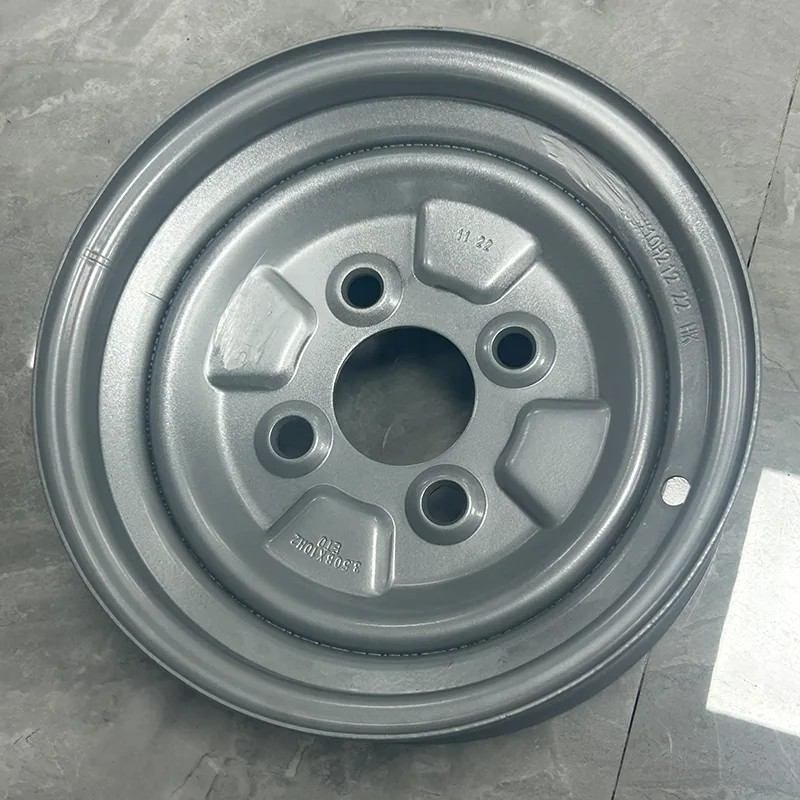
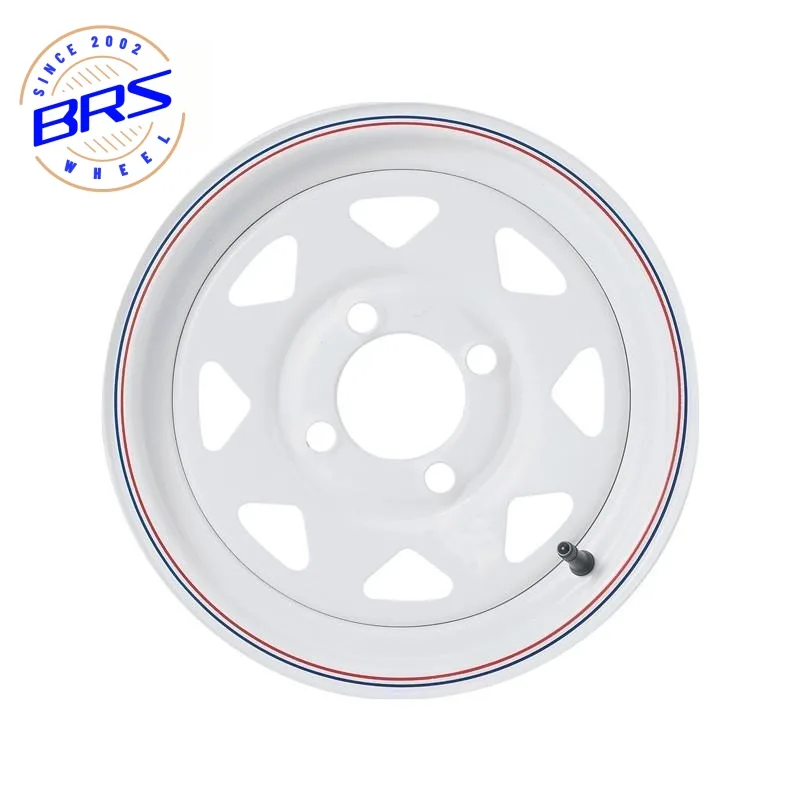
For reference, BRS Стальные диски для квадроциклов are available in 8–20 inch sizes with common bolt patterns like 4×110, and include beadlock, HD, sport, lightweight, and utility configurations. All products are manufactured under IATF 16949 certified quality systems, with customizable finishes including powder coat, chrome, and polished surfaces.
Часто задаваемые вопросы
Will wider wheels fit my stock ATV?
Not always. Fitment depends on offset, fender clearance, and suspension travel. A wider combo may rub at full lock or when the suspension compresses. Always do a physical test fit before finalizing a purchase.
Do wider wheels make acceleration slower?
They can. Extra wheel and tire weight adds rotating mass that takes more energy to spin up. You may notice softer off-the-line acceleration and slightly slower braking. Lighter wheel designs can help offset this penalty.
Is it okay to mix wide and stock wheels front and rear?
Mixing widths changes the vehicle’s balance and handling characteristics. Most manufacturers design matched front/rear sets to work together. Follow the wheel maker’s guidance and keep the setup consistent for predictable handling.
Are wider wheels worth it for hardpack trails?
Usually not. Hard, tight technical trails reward narrow, maneuverable machines with quick steering. Most riders see little to no benefit from extra width on packed ground, and the steering penalty makes the upgrade not worth it.
What is the most important thing to check before buying wider ATV wheels?
Confirm four specs: bolt pattern, offset, physical clearance at full compression and lock, and load rating. All four must line up with your machine for safe, reliable performance.
Эксперт по производству стальных колес
Пионеры в области производства автомобильных колес