

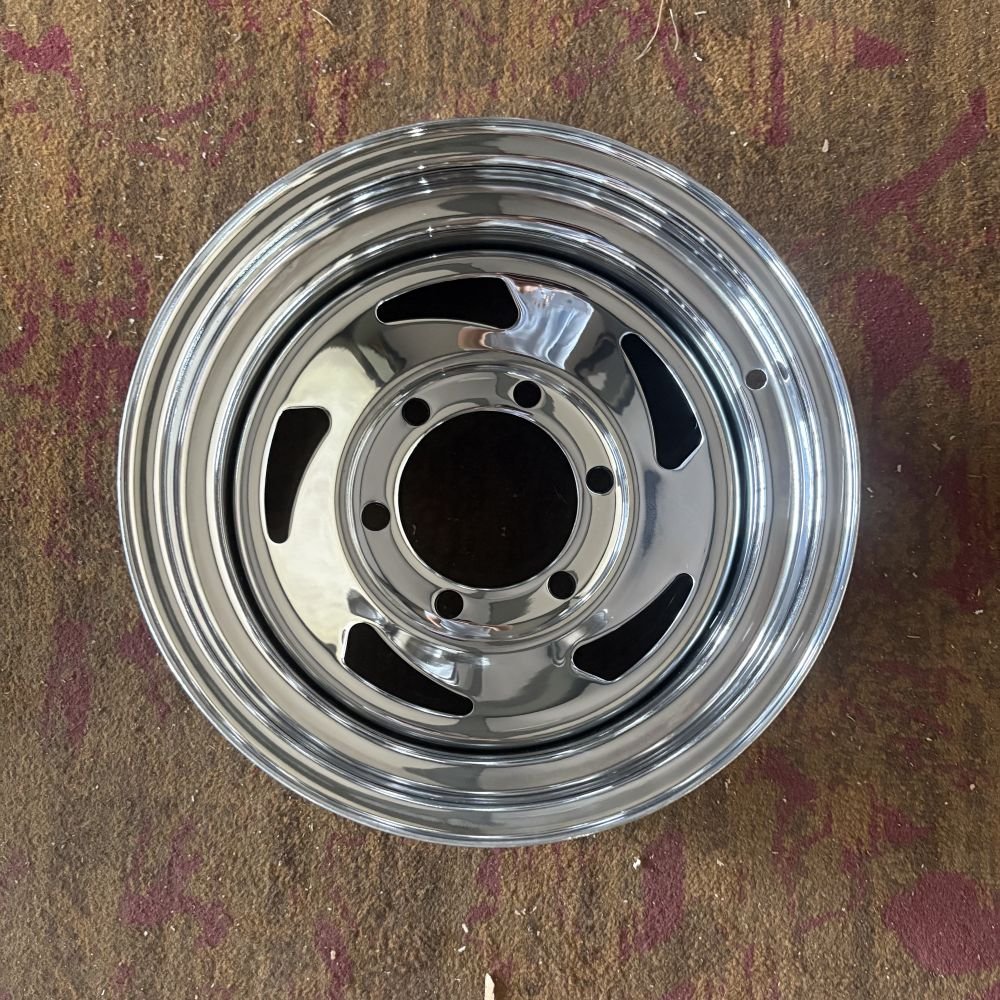
Sim, jantes cromadas are experiencing a clear style revival in 2026 — though it is a nuanced return rather than a full mainstream takeover. Long written off as dated by many drivers, chrome is reappearing on new custom builds, at car shows, and across automotive social media. The question for buyers is whether this trend reflects lasting real-world demand, or is driven primarily by nostalgia. The right choice depends on your vehicle style, local climate, and budget.
Pontos-chave
- Chrome wheels are trending back in 2026, fueled by 90s/00s nostalgia and viral social media content.
- They look most natural on trucks, classic muscle cars, lowriders, and luxury vehicles.
- Chrome requires more frequent cleaning and polishing than black or matte finishes to retain its shine.
- They cost more upfront than matte or black wheels, but deliver a bold, timeless classic look.
- Consider your local climate, driving habits, and vehicle trim style before investing in chrome rims.
Why Chrome Wheels Are Coming Back
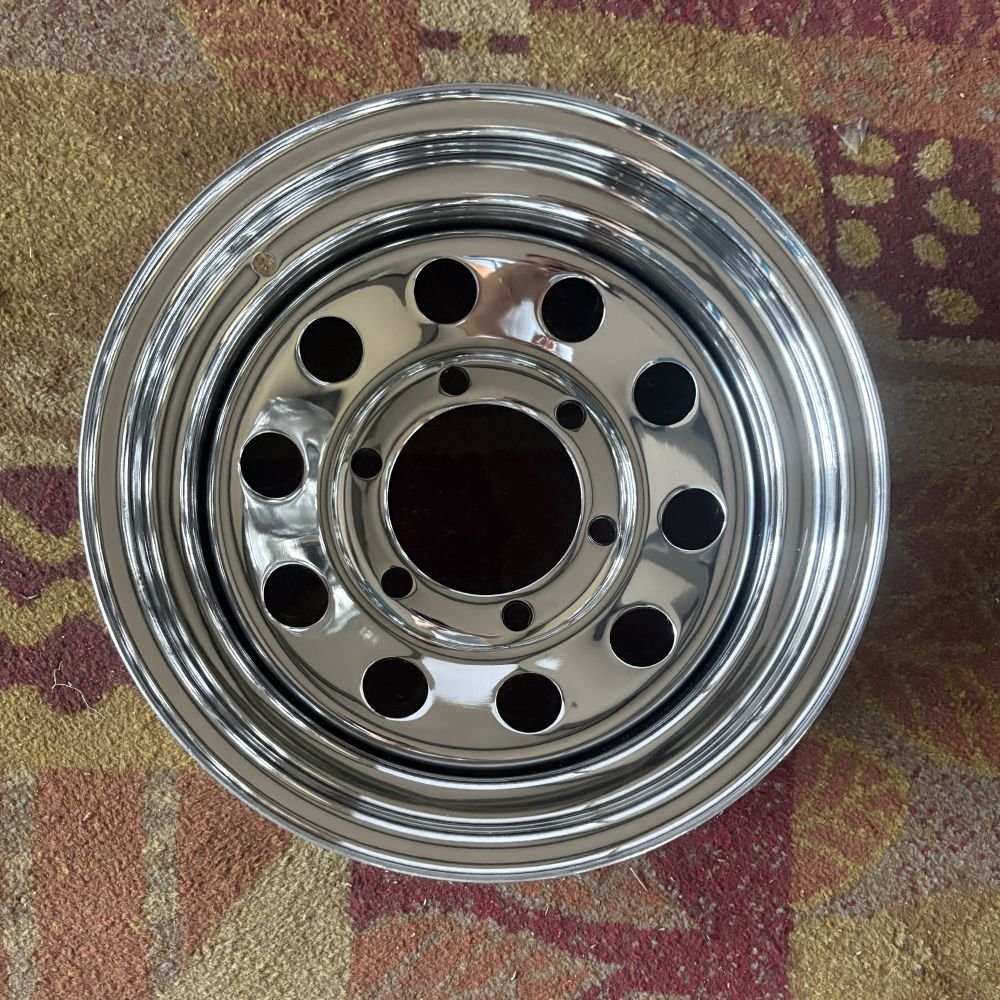
Nostalgia and Retro Custom Culture
Chrome dominated automotive styling from the 1990s through the 2000s, where shiny wheels were tied to perceptions of success and style. That era left a lasting mark on car culture: many current enthusiasts grew up seeing chrome wheels on family vehicles and local street machines, building a strong emotional connection to the finish.
Today’s retro customization boom is fueling much of the renewed interest. Restorers building period-correct trucks and muscle cars — like a 1995 Chevrolet Silverado or 2002 Ford Mustang — rely on chrome rims to deliver authentic, era-appropriate looks. The nostalgia has spilled beyond classic car collectors: younger drivers who never lived through the era are drawn to chrome for its bold, unapologetically bright aesthetic.
Social Media and Community Amplification
Social platforms have supercharged the revival. Instagram, TikTok, and YouTube are flooded with custom builds featuring chrome wheels, where automotive influencers showcase their rides to millions of followers. A single viral video can drive tens of thousands of new searches for chrome rims.
Chrome’s mirror-like finish is uniquely suited to visual content: it reflects light in bold, dynamic ways that flat matte finishes cannot match, and creators lean into that shine to boost engagement. Forum discussions and comment section debates further keep chrome in the cultural conversation, with defenders championing its classic appeal and critics arguing for modern alternatives.
Car shows and local meetups reinforce the online trend. Drivers who see chrome builds in person often turn curiosity into real demand, then share their own setups online, creating a self-reinforcing cycle of visibility and interest.
Where Chrome Wheels Are Trending Most
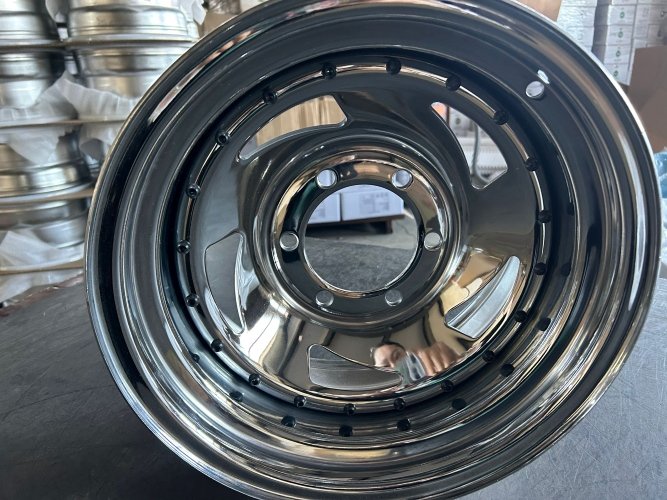
Trucks, Classics and Luxury Vehicles
Truck owners form one of the strongest groups driving the revival. Chrome rims pair sharply with lifted pickups and heavy-duty models, where the bright finish contrasts rugged tires and dark paint for a powerful, clean look. Muscle car restorers also favor chrome for period-correct builds, and lowrider culture treats polished chrome as a core stylistic pillar, paired with custom paint and hydraulic suspension.
Luxury brands have kept chrome alive continuously as a status symbol, with chrome accents and wheel options on premium SUVs and sedans signaling quality and wealth — proof that chrome never fully exited the market.
Regional patterns also shape demand: the U.S. South, Midwest, and Southwest show the strongest adoption, driven by deep truck culture and frequent car shows. Coastal urban areas show less interest, where black and matte finishes remain more popular.
Modern Custom Builds
The trend has expanded beyond vintage projects: owners of late-model trucks and SUVs are adding custom chrome wheels to stand out from the sea of matte black builds. Younger drivers, introduced to the look via social media, seek out the bold, eye-catching contrast of a dark body with bright reflective rims. This mix of classic inspiration and modern application keeps chrome relevant across generations of car fans.
Chrome Wheels vs. Other Popular Finishes
Chrome occupies a distinct niche next to today’s dominant wheel finishes. The table below compares the most common options:
| Concluir | Style Profile | Upfront Cost | Maintenance Needs | Ideal para |
|---|---|---|---|---|
| Chrome | Bold, reflective, classic luxury | Higher | Frequent polishing and sealing | Trucks, classics, show builds, luxury vehicles |
| Black / Matte | Stealthy, aggressive, modern | Lower | Minimal; hides dust and brake dust | Daily drivers, sport builds, modern trucks |
| Machined | Subtle metallic, understated | Moderado | Moderate; scratches are visible | Street builds, daily drivers |
| Brushed | Soft metallic grain, understated | Moderado | Shows scratches easily | Industrial-style builds |
OEM vs. Aftermarket Chrome
- OEM chrome wheels come factory-installed, engineered for a specific vehicle, and covered under the vehicle’s warranty. They offer guaranteed fitment and consistent quality, but cost more per wheel. Many 2026 trucks, SUVs, and luxury sedans still offer factory chrome options.
- Aftermarket chrome rims offer far more choice in sizes, offsets, and custom finishes (including black chrome and white chrome). Pricing varies widely by quality, and fitment depends on careful specification matching. They are ideal for custom builds and personalized styling.
Are Chrome Wheels Right for Your Build?
Match to Your Vehicle and Style
Chrome suits some vehicles far better than others. Trucks, full-size SUVs, classic muscle cars, and luxury sedans carry chrome naturally, while compact sports cars and low-profile performance builds often clash with the bold, shiny aesthetic.
It also helps to match your vehicle’s existing trim: chrome wheels look most cohesive when paired with chrome door handles, grilles, and bumper accents. A vehicle with fully blacked-out trim will look mismatched with full chrome wheels.
Balance Style, Maintenance and Cost
Chrome’s advantages include a highly reflective mirror finish, strong inherent corrosion resistance, and a timeless luxury appeal that never fully goes out of style. The drawbacks: higher upfront cost, regular polishing requirements to retain shine, and vulnerability to road salt and brake dust buildup over time. Low-quality plating can also peel and degrade prematurely.
Maintenance frequency depends on climate and driving habits. Follow these best practices:
- Rinse wheels regularly to remove brake dust and road salt.
- Wax every 2–3 months to seal and protect the finish.
- Polish only when shine and slickness start to fade, to avoid wearing down the plating.
- Dry wheels thoroughly after washing to prevent water spots and spotting.
Perguntas frequentes
Do chrome wheels rust in winter?
Traditional chrome plating can be damaged by road salt, which seeps into tiny cracks and causes rust to form underneath the surface. PVD chrome finishes handle winter conditions much better, thanks to a sealed clear topcoat that blocks salt and moisture. If you live in a snowy climate, wash your wheels frequently in winter.
How often should someone polish chrome rims?
There is no fixed schedule. Drivers who rinse their wheels regularly will need far less polishing. Waxing every 2–3 months protects the finish and extends time between polishes. Only polish when the surface loses its slick feel and shine — harsh chemicals and abrasive tools can cause permanent damage.
What sizes do chrome rims come in?
Aftermarket chrome rims range from 15 to 22 inches for most popular vehicle models, with 18–22 inch sizes being the most common for modern trucks and SUVs. Custom sizes are also available for specialty builds.
Are chrome wheels good for daily drivers?
They work well if you are willing to keep up with maintenance. Daily drivers face year-round brake dust, potholes, and weather, so owners in harsh conditions will need to wash and wax more frequently. Show cars stored in garages require far less upkeep.
Do factory chrome wheels still exist in 2026?
Yes. Several automakers still offer chrome wheel options on trucks, SUVs, and luxury sedans. These OEM options match the vehicle’s trim and warranty. Buyers wanting guaranteed fitment should choose factory chrome; those wanting custom sizes or finishes should explore aftermarket options.
Conclusão
Chrome wheels are definitively coming back in style in 2026, driven by a mix of 90s/00s nostalgia, viral social media visibility, and growing interest in classic truck and muscle car builds. It is not a full takeover of the market — black and matte finishes remain the default for modern builds — but chrome has reestablished itself as a legitimate, timeless styling option.
For buyers with trucks, classic vehicles, or luxury builds who don’t mind regular maintenance, chrome delivers a bold, head-turning look that stands out from today’s sea of matte wheels. For daily drivers in harsh winter climates, or those preferring a low-key stealth look, black or machined finishes will likely be the more practical choice.