Yes, rim repair is often worth it for cosmetic damage and minor bends, and it can typically cost 40–60% less than buying a new rim. However, severe structural damage, such as cracked spokes or a damaged rim hub, may require replacement for safety reasons.
Curb impacts, potholes, and road debris commonly cause scratches, bends, and other repairable damage. Repairing an original factory rim can also preserve the vehicle’s OEM fitment, helping you avoid compatibility issues that may arise with poorly matched aftermarket rims.
Key Takeaways
- Repair is usually more cost-effective for cosmetic damage and minor bends than replacing the entire rim.
- Cosmetic damage and minor inner-lip bends can often be repaired safely by qualified rim technicians.
- Structural cracks, severe bends, and multiple fatigue cracks usually require rim replacement for safety.
- Repairing OEM rims preserves proper fitment and maintains a consistent appearance with the other rims.
- Professional inspection, straightening, welding, refinishing, and final testing are essential for safe, reliable rim repairs.
Cost Analysis: Rim Repair vs. Replacement
Rim manufacturers recommend repairing minor to moderate damage when the rim remains structurally sound. Repair is often more affordable than replacement, with costs depending on the rim material, damage severity, and construction.
Common Repair Price Breakdown
| Service | Typical Price | Notes |
|---|---|---|
| Inner barrel rim straightening | $135 | 1 hour service, for standard 14–22” 1-piece aluminum rims |
| Straightening + backside crack weld | $135 | 1.5 hour service |
| Single crack weld only | $135 | For non-structural cracks away from load-bearing areas |
| Full remanufacture (straighten + refinish, single color) | $229 | 48 hour turnaround; includes tire dismount, remount and balance |
| CNC diamond cut refinish | $229 | 48 hour turnaround for machined-face rims |
| Polished finish remanufacture | $250 | 2–5 day service |
| 2/3-piece rim repair | $300+ | 2–4 week turnaround |
| Additional cracks | +$20 per extra crack | Applied after the first crack |
Tire dismount, remount and balancing adds an extra $35–75 depending on tire size and type.
Material Cost Differences
- Alloy (aluminum) rims: Cost more to repair, and require specialized tools and TIG welding expertise. Severe structural cracks are often not repairable, making replacement the better financial choice.
- Steel rims: Cheaper and simpler to repair — most minor bends and dents can be hammered and reshaped with basic tools.
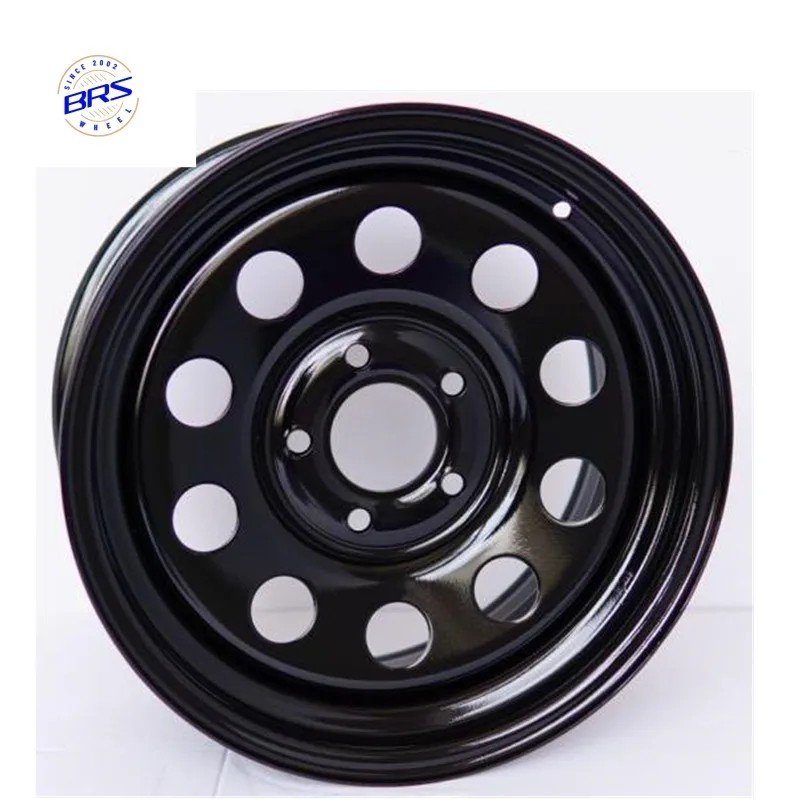
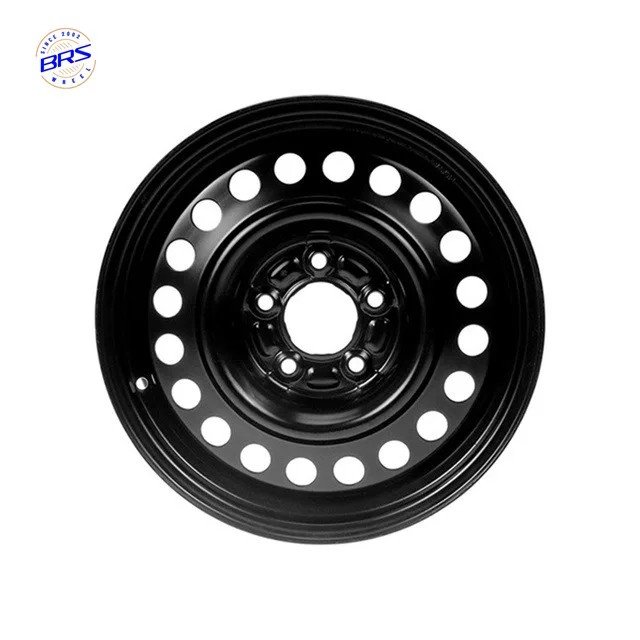
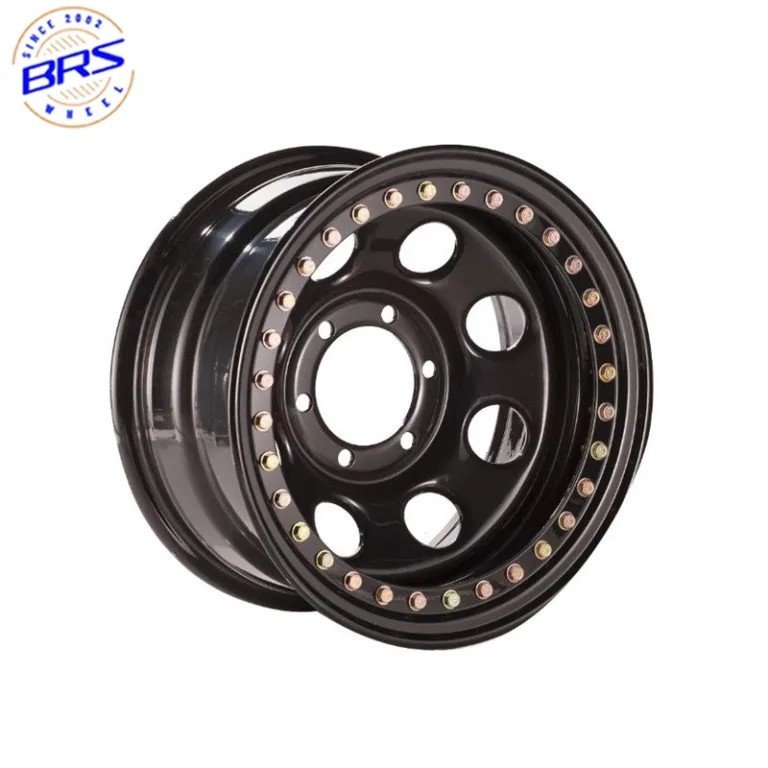
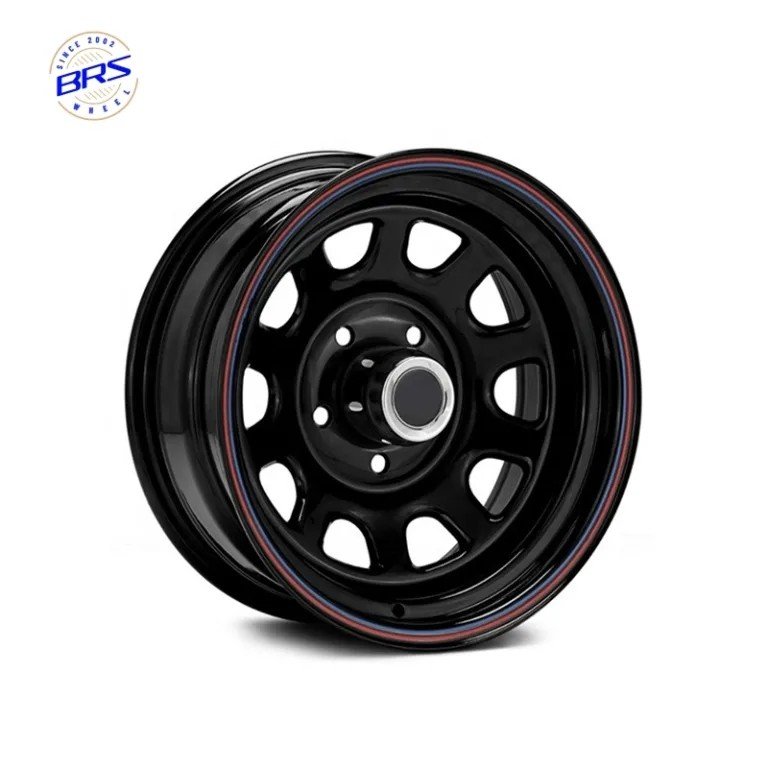
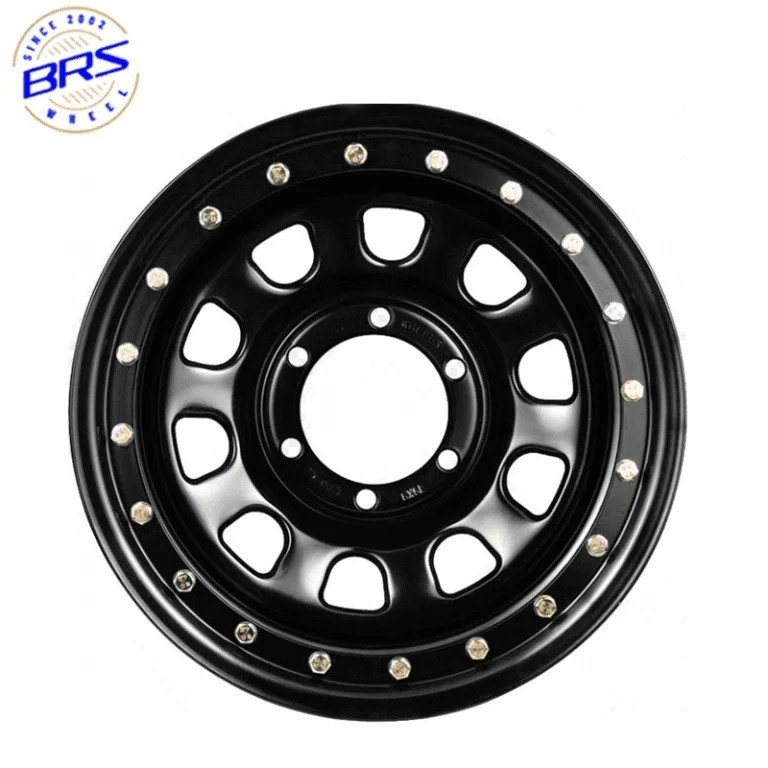
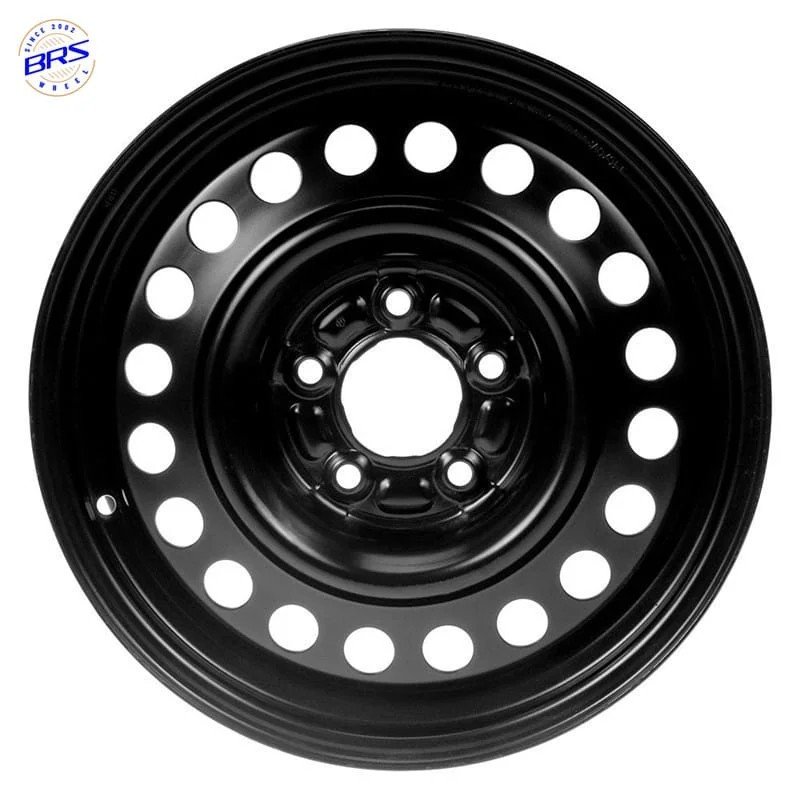
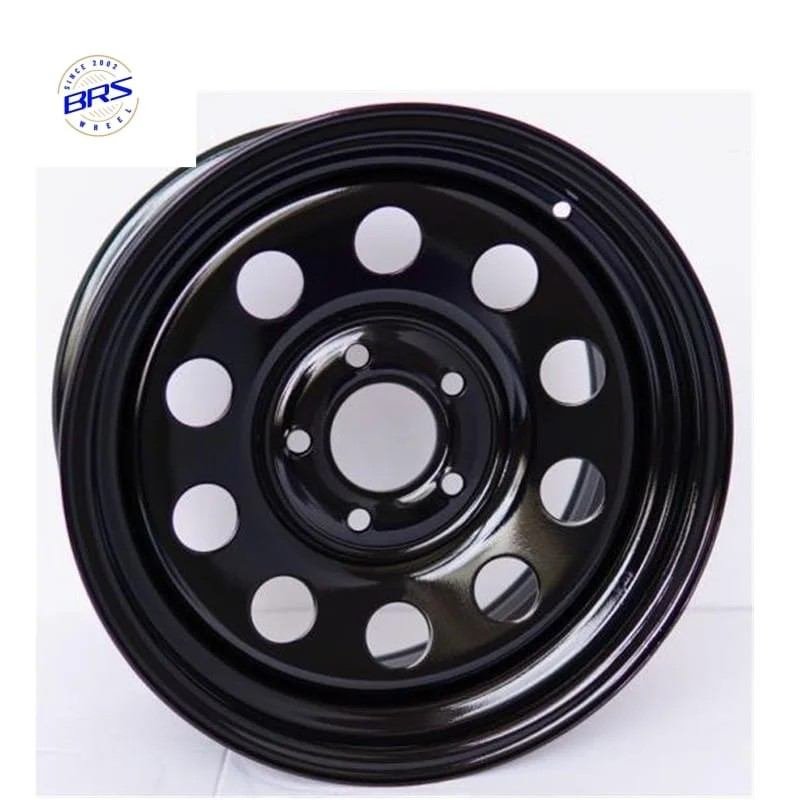
If you do need a replacement, heavy-duty options like BRS steel rims offer a cost-effective, durable alternative to expensive OEM alloy rims for work trucks and daily drivers.
Why Repair Often Beats Replacement
Beyond lower upfront cost, repairing your original factory rim has two big long-term benefits:
- Guaranteed fitment: OEM rims are engineered for your exact vehicle, so you avoid offset, bolt pattern and load rating mistakes that cause handling issues and uneven tire wear.
- Consistent appearance: A quality refinish will match the rest of your rims, unlike mismatched aftermarket replacements.
What Rim Damage Can Be Repaired Safely?
Always have a certified rim technician inspect damage before deciding to repair. These types of damage are generally safe to fix:
Cosmetic / Appearance Damage
Surface-level damage that does not affect structural strength:
- Curb rash and scuffs on the outer lip
- Fine scratches and paint chips
- Clear coat and finish deterioration
These are purely cosmetic fixes and carry no safety risk when done properly.
Minor Bends
Single bends on the inner lip or inner barrel of the rim can usually be straightened safely with a hydraulic rim straightener.
- Safe: Single inner lip bend, no cracks, no damage to the front face or bead seat
- Shops use precision dial gauges to check lateral and radial runout, and hydraulically reshape the rim back to factory spec.
Non-Structural Cracks
Not all cracks mean the rim is totaled. Short, clean cracks in low-stress areas (inner barrel, outer flange, away from spokes and hub) can be safely TIG welded by an experienced alloy rim specialist.
- Repairable: Single hairline crack on the inner barrel or rim flange, no fatigue damage, away from load-bearing zones
- After welding, the rim must pass air pressure testing and runout checks before going back into service.
When You Should Replace a Rim Instead
Replace the rim immediately if damage falls into any of these structural categories — repair is not safe:
- Cracks in high-stress zones: Cracks at spoke roots, the hub mounting face, or the tire bead seat. These are load-bearing areas and welding here creates a weak point that can fail at speed.
- Multiple cracks or fatigue cracks: More than one crack, or cracks caused by repeated stress (not a single impact), indicate the surrounding metal is weakened.
- Severe bending: Bent front face, twisted hub, or multiple bends across the rim.
- Previously welded cracks: A crack that has been repaired once and returned should not be welded a second time.
Driving on a structurally compromised rim creates serious safety risks, including sudden air loss, blowouts and loss of control at highway speeds. When in doubt, always err on the side of replacement.
How Professional Rim Repair Works
Certified rim repair shops follow a standard process for safe, long-lasting results:
- Inspection: Mount the rim on a diagnostic lathe to measure runout and locate hidden bends or cracks.
- Straightening: Use a hydraulic press to carefully reshape bent areas back to factory specifications, with dial gauges verifying accuracy.
- Welding (if needed): TIG weld non-structural cracks, then machine the weld smooth.
- Refinishing: Sand, prime, paint and clear coat the damaged area to match the original finish.
- Final testing: Verify runout, air pressure integrity and balance before returning the rim to service.
Always look for technicians with formal rim repair certification, and confirm the shop provides a warranty on their work.
Conclusion
For minor curb rash, scuffs and single inner-lip bends, rim repair is absolutely worth it. It costs a fraction of replacement, preserves your original factory rim fitment, and is completely safe when done by a certified professional.
For structural damage — cracked spokes, bent hubs, or bead seat fractures — replacement is the only responsible choice. The safety risk of a rim failure at speed far outweighs any cost savings from repair.
FAQ
Can cracked alloy wheels be safely repaired?
It depends on the crack location. Short, clean cracks in low-stress areas like the inner barrel or rim flange can be safely TIG welded by a specialist. Cracks at spoke roots, the hub or the tire bead seat are structural and always require full wheel replacement for safety.
How much do you save by repairing rims instead of buying new?
Repairing a damaged rim can cost significantly less than purchasing a new OEM rim. A standard curb rash repair or minor straightening may cost around $100–150, while a new factory alloy rim can cost $300–800 or more. Actual savings depend on the rim material, damage severity, repair method, and replacement cost.
Is it safe to drive on a slightly bent rim?
No. Even a minor bend causes vibration, uneven tire wear and can lead to slow air leaks. It will not cause an immediate failure in most cases, but you should have it inspected and repaired as soon as possible to avoid bigger damage.
Is it worth repairing cheap aftermarket rims?
Usually not. If your rims were inexpensive to begin with, the cost of repair often comes close to or exceeds the value of the rim. It is generally more cost-effective to replace budget aftermarket rims rather than repair them.
Will a repaired rim still balance properly?
Yes, when repaired correctly on professional equipment. A quality straightening will restore the rim to factory runout specs, so it balances just like a new rim. Always have the tire rebalanced after any rim repair.