Yes, many types of rim damage can be repaired safely and cost-effectively, but eligibility depends on the damage type, severity, and wheel material. Rim damage most often occurs from hard pothole impacts, curb scrapes, or road debris strikes.
Minor cosmetic damage and small bends are usually fixable, while deep structural cracks or severe deformation require replacement for safety. Steel wheels are generally more repairable than alloy wheels, thanks to their more flexible, impact-resistant construction. Addressing damage early prevents more costly issues down the line, and choosing a certified professional ensures safe, long-lasting results.
Key Takeaways
- Inspect rims immediately after hitting a pothole or curb; watch for warning signs like steering vibration or slow air loss.
- Minor cosmetic damage (curb rash, light scratches) can often be repaired at home or by a professional, saving 50–75% vs. buying a new rim.
- Bent steel rims can usually be straightened safely; alloy rims are more prone to cracking under impact, making structural damage unsafe to fix.
- Deep structural cracks, severe bends, or bead seat damage always require rim replacement to avoid tire failure and safety risks.
- Always have a certified technician inspect damaged rims before deciding to repair or replace to confirm safety.
Which Types of Rim Damage Can Be Repaired?
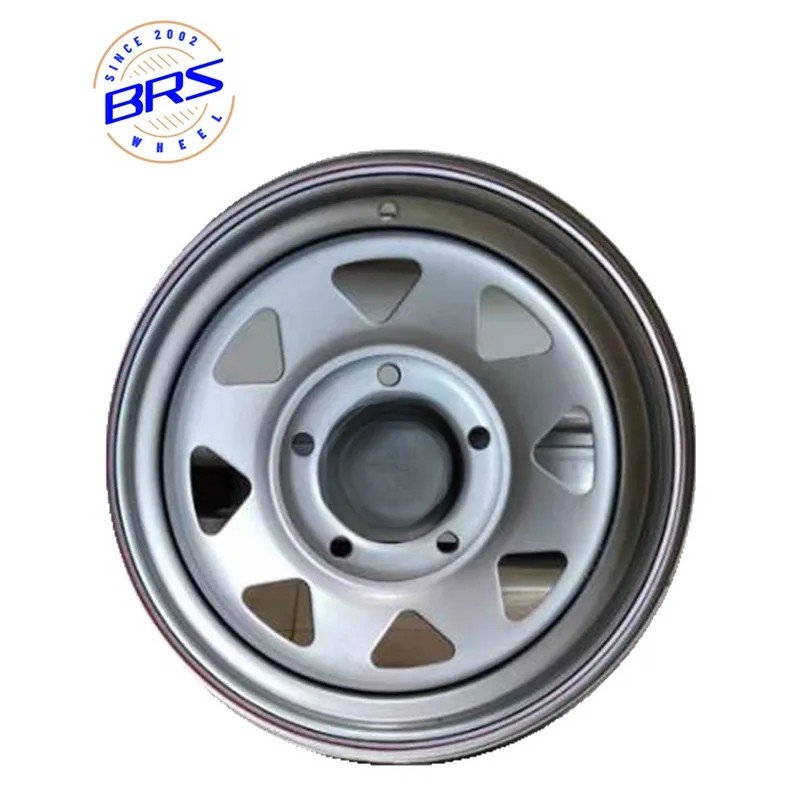
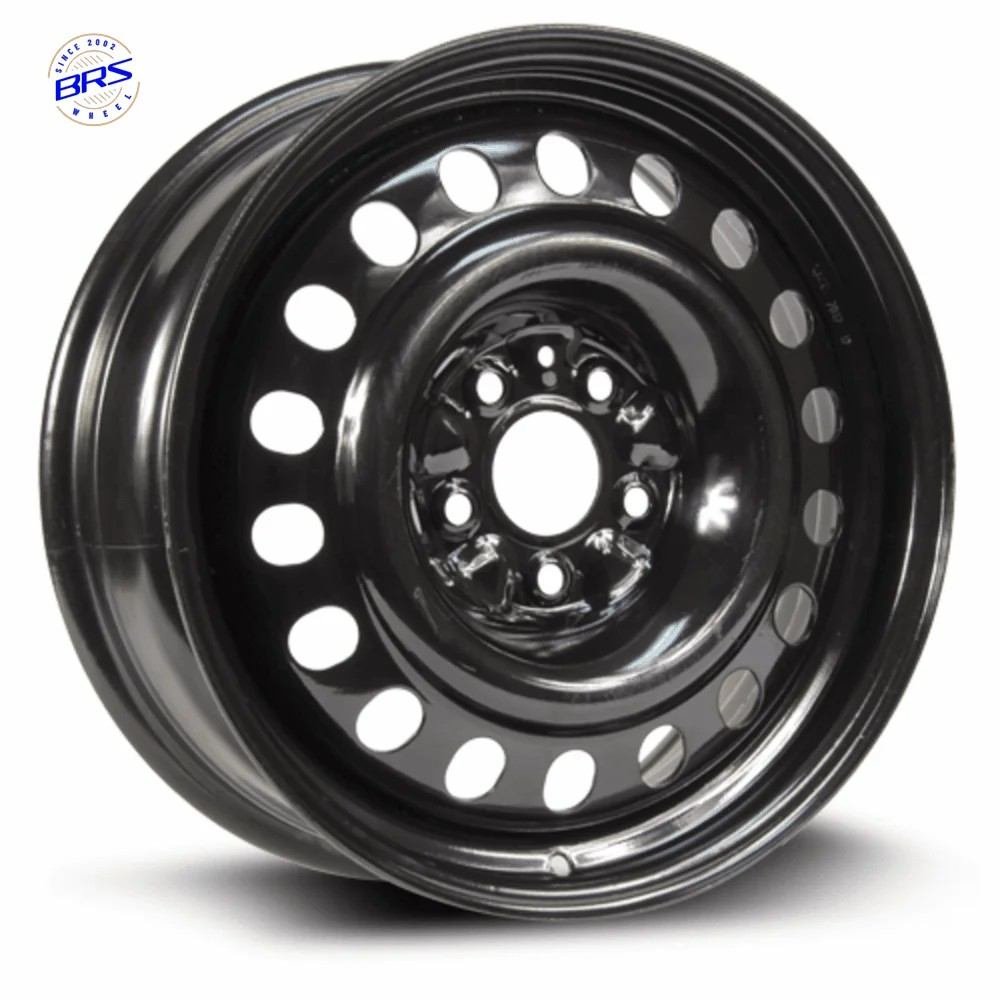
Repairability varies by wheel material and damage severity. Steel wheels are highly durable and easier to repair for most minor to moderate damage. Alloy wheels can be fixed for cosmetic issues and light bends, but structural damage such as cracks is rarely safe to repair long-term. Most steel wheel manufacturers recommend replacing wheels with structural damage rather than attempting repairs to ensure long-term safety and performance.
Cosmetic Damage (Curb Rash & Scratches)
Curb rash and surface scratches are the most common rim damage, caused by scraping against curbs, brushing against road debris, or minor parking impacts. This damage only affects the surface finish and does not compromise structural integrity.
For minor curb rash on steel wheels, repairs can be done at home with basic tools:
- Clean the wheel thoroughly with soap and water, then dry completely.
- Sand the damaged area with coarse sandpaper to smooth rough edges, then finish with fine-grit sandpaper.
- Wipe away dust, then apply matching touch-up paint and a clear coat for protection.
- Allow full curing before reinstalling the wheel.
For deep scratches or large affected areas, professional refinishing delivers a more uniform, long-lasting finish.
Bent Rims
Bent rims typically result from hard pothole impacts or high-speed curb strikes. Steel wheels can almost always be straightened safely by a professional using specialized hydraulic machinery, as the material flexes without cracking.
Minor, shallow bends may be carefully adjusted with a rubber mallet, but professional straightening is recommended to check for hidden structural damage and rebalance the wheel. Alloy rims can sometimes be straightened for very light bends, but they carry a high risk of hidden cracking that can lead to failure later.
Tip: Professional repair shops will test for air leaks and rebalance the wheel after straightening to ensure safe, smooth performance.
Minor Edge Cracks
Very small, shallow cracks on the outer lip of the rim can sometimes be welded by a professional for temporary use, but this is not a permanent fix. Cracks longer than 1 inch, or cracks that extend into the inner barrel, spokes, or bead seat, are never safe to repair — the structural integrity of the wheel is already compromised.
Common signs of a cracked rim include visible fissures, steering vibration at speed, and slow, recurring air loss. Always have a technician inspect any suspected crack to confirm if repair is an option.
When Should You Replace a Damaged Rim?
Replacement is always the safest choice for structural damage. Repair is not recommended if any of the following apply:
- Deep cracks that extend through the rim barrel, spokes, or bead seat
- Severe bends that deform the bead seat or prevent the tire from sealing properly
- Multiple previous repairs on the same wheel
- Heavy rust or corrosion that has weakened the metal structure
- Damage to the bolt pattern or center bore that affects mounting security
Driving on a structurally damaged rim raises the risk of sudden tire blowout, loss of vehicle control, and suspension damage. If you notice persistent vibration or air loss after an impact, have the wheel inspected immediately.
Repair vs. Replacement: Quick Decision Guide
| Factor | Choose Repair | Choose Replacement |
|---|---|---|
| Damage type | Minor cosmetic, light bends, tiny edge cracks | Deep cracks, severe bends, bead seat damage |
| Safety risk | No structural compromise | Structural integrity compromised |
| Cost | 50–75% cheaper than replacement | Higher upfront cost, permanent fix |
| Longevity | Good for minor damage; may need touch-ups | Permanent solution for safe, reliable use |
How Much Does Rim Repair Cost?
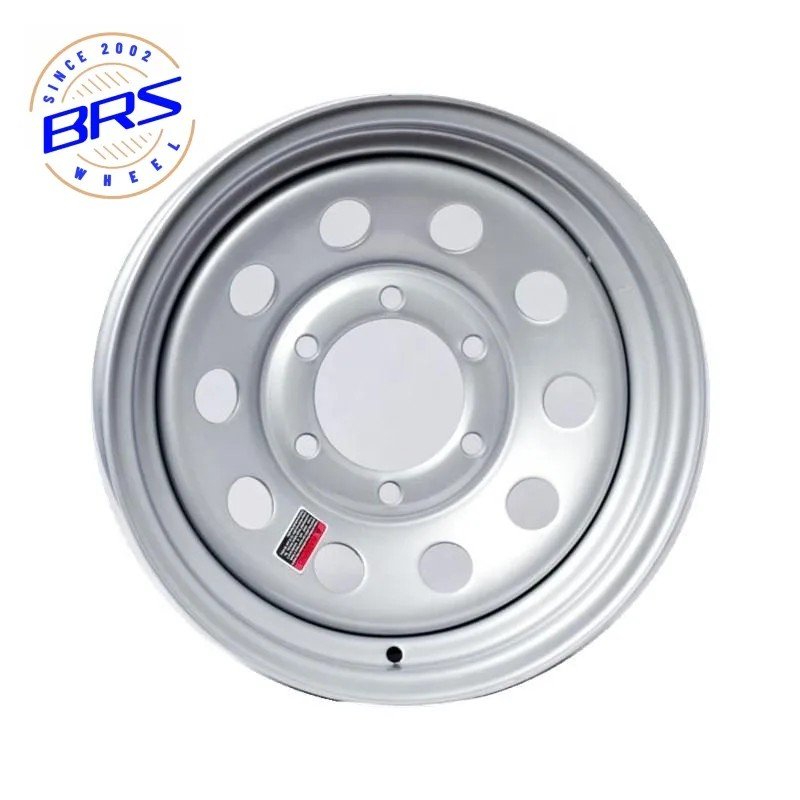
Repair costs vary by damage type, wheel material, and local labor rates. Steel wheel repairs are almost always cheaper than alloy wheel repairs, as the material is easier to work with.
| Service | Typical Cost Range | Notes |
|---|---|---|
| Minor curb rash touch-up | $40 – $60 per wheel | DIY kits cost even less for small areas |
| Full cosmetic refinishing | $50 – $150 per wheel | For larger scrapes and full surface restoration |
| Bent wheel straightening | $100 – $200 per wheel | Includes leak test and basic balancing |
| Rim replacement (steel) | $75 – $150 per wheel | Affordable, durable option for most passenger vehicles |
| Rim replacement (alloy) | $200 – $500 per wheel | OEM alloy rims typically cost the most |
For minor damage, repair almost always delivers better value, saving 50–75% compared to buying a new wheel. For structural damage, replacement is a worthwhile investment in safety.
For drivers needing replacement steel wheels, BRS offers high-quality, certified options built with durable steel grades. Their manufacturing process holds IATF 16949 automotive quality management certification, ensuring consistent strength, fitment, and long service life.
Conclusion
Damaged rims can often be repaired safely and affordably, as long as the damage is limited to cosmetic issues or minor bends on steel wheels. Always prioritize safety over cost: any structural damage like deep cracks or severe bends requires immediate replacement to avoid dangerous tire failure.
For minor curb rash and small bends, professional repair saves 50–75% compared to replacement and restores both appearance and function. When replacement is needed, BRS steel wheels offer a durable, certified solution built for long-term reliability and easy future maintenance.
FAQ
Can all types of rim damage be repaired?
No. Minor cosmetic damage and light bends on steel wheels are usually repairable. Deep structural cracks, severe bends, or bead seat damage require replacement to maintain driving safety. Alloy wheels with structural damage are generally not recommended for repair.
How long does rim repair take?
Most minor repairs (curb rash touch-ups, simple straightening) take 1–2 hours per wheel. More extensive damage may require longer, especially if parts or custom paint are needed.
Is it safe to drive on a damaged rim?
No. Driving on a cracked, bent, or structurally damaged rim can lead to sudden tire blowout, loss of control, or suspension damage. Have any damaged rim inspected by a professional before driving at highway speeds.
Why are steel wheels easier to repair than alloy wheels?
Steel is more flexible and impact-resistant, so it bends rather than cracking under most impacts. Alloy wheels are more brittle and prone to hidden structural cracks when bent, making repairs less safe and less reliable long-term.
Why choose BRS steel wheels for replacement?
BRS steel wheels are manufactured to strict automotive quality standards with IATF 16949 certification. They are durable, impact-resistant, and easy to repair for minor damage, making them a cost-effective, long-lasting choice for passenger vehicles, trailers, and utility vehicles.