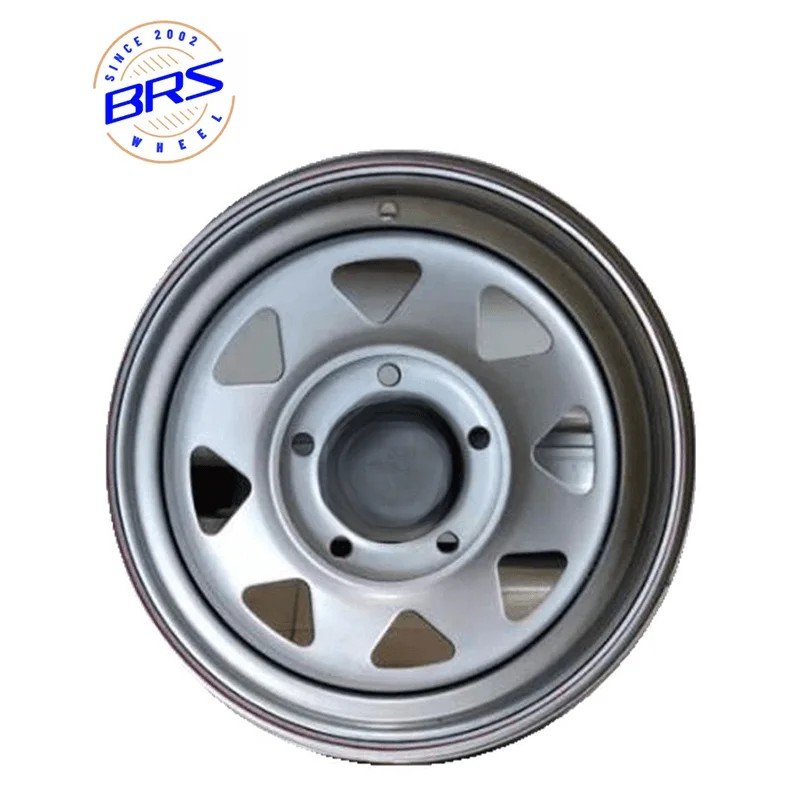
Custom wheels are one of the most popular vehicle upgrades, offering a balance of personalized style, improved performance, and better road presence. Choosing the right wheels is not only about appearance — proper fitment also affects handling, ride quality, and driving safety. The wrong wheel size, offset, or bolt pattern can cause tire rubbing, poor alignment, and unnecessary stress on suspension components. This guide explains the key factors to consider when selecting custom wheels, from fitment measurements to materials, finishes, and installation requirements.
Key Takeaways
- Proper wheel fitment is the foundation of safe driving. Always verify size, bolt pattern, offset and hub bore before purchasing custom wheels.
- Choose between steel and alloy wheels based on your use case: steel for durability and heavy-duty use, alloy for lightweight performance and wider styling variety.
- Wheel finishes such as gloss black, matte and gunmetal differ in appearance and maintenance requirements, so select one that matches your aesthetic and upkeep preferences.
- Always perform a test fit before full installation to prevent tire rubbing, suspension interference and uneven handling.
- Professional installation ensures accurate fitment and helps preserve your tire and vehicle warranty coverage.
Core Wheel Fitment Metrics Explained
Wheel Size and Diameter
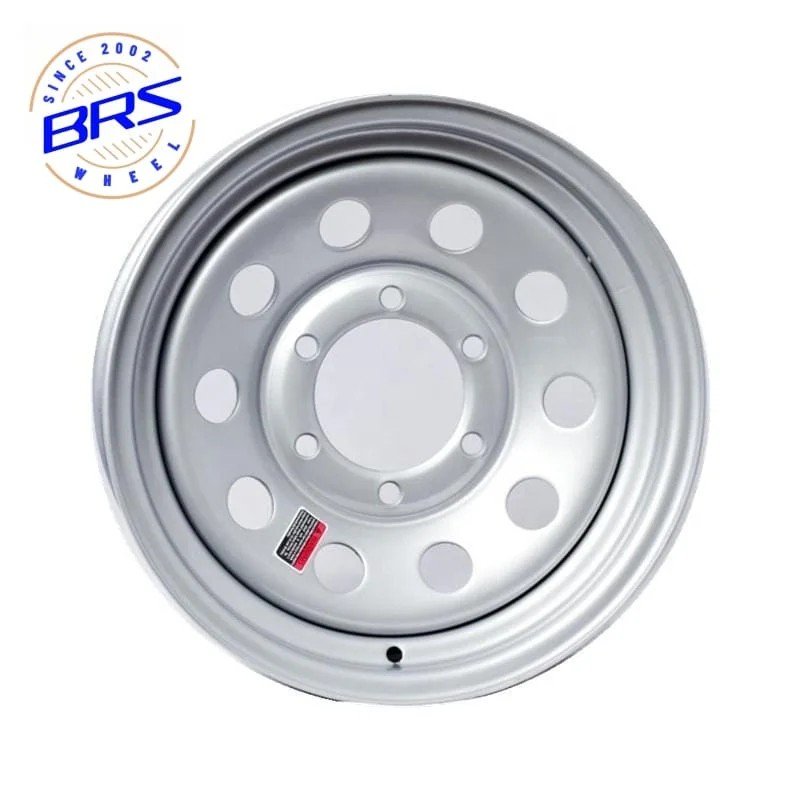
Wheel diameter and width directly shape ride quality, steering response and visual style. Appropriate sizing varies by vehicle category:
| Vehicle Type | Common Wheel Sizes (inches) | Common Tire Sizes |
|---|---|---|
| Passenger Cars | 16–19 | 195/65R15, 205/55R16, 215/55R17, 225/45R17, 225/40R18, 235/45R18, 245/40R19 |
| Crossovers and SUVs | 17–20 | 225–275 width range |
| Light Trucks | 17–22 | LT-rated or flotation sizes, typically 31″–35″ |
Larger diameter wheels paired with low-profile tires deliver sharper steering response and a more aggressive look, but usually create a firmer ride. Smaller wheels with taller sidewalls provide a smoother, more compliant ride and better protection against pothole damage.
Bolt Pattern Compatibility
Bolt pattern describes the number of lug bolts and the diameter of the circle they form, and it is non-negotiable for safe wheel installation. A mismatched pattern prevents the wheel from seating properly on the hub, creating critical safety hazards.
Common bolt patterns and their associated vehicles include:
| Bolt Pattern | Example Vehicle Models |
|---|---|
| 5×114.3 | Ford Mustang, Subaru WRX, Hyundai Veloster N, Tesla Model 3, Nissan 350Z |
| 5×112 | BMW M340i, Toyota GR Supra, Audi A3, Volkswagen Golf R, Mercedes-Benz C-Class |
Always confirm your vehicle’s exact bolt pattern before placing a custom wheel order.
Offset, Backspacing and Hub Bore
These three measurements determine how the wheel sits relative to the vehicle’s suspension and fender line.
| Term | Definition |
|---|---|
| Wheel Offset | The distance between the wheel’s mounting surface and its centerline, which impacts fitment and visual stance |
| Backspacing | The distance from the mounting pad to the back edge of the wheel, easier to measure but less precise for fine-tuning fitment |
Incorrect offset or backspacing can degrade handling performance, including increased steering effort, reduced cornering stability and unpredictable response on uneven surfaces. It can also cause tire rubbing against fenders or suspension components.
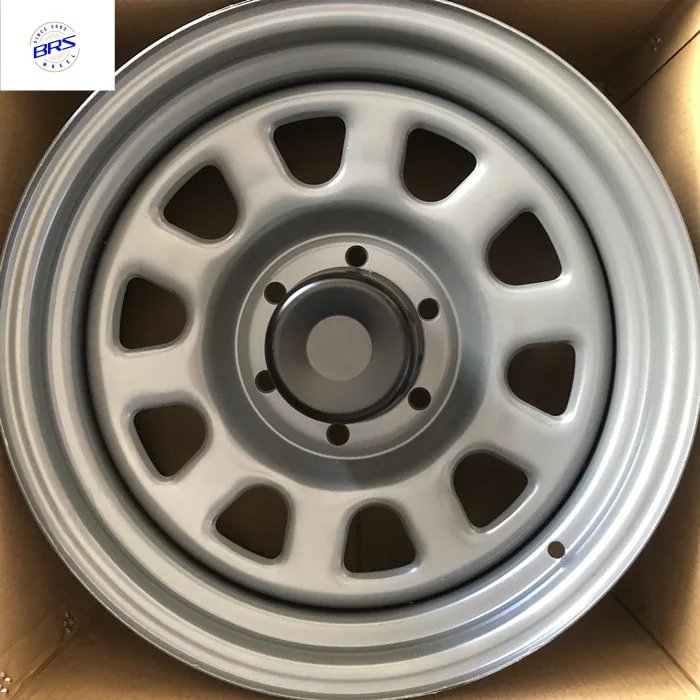
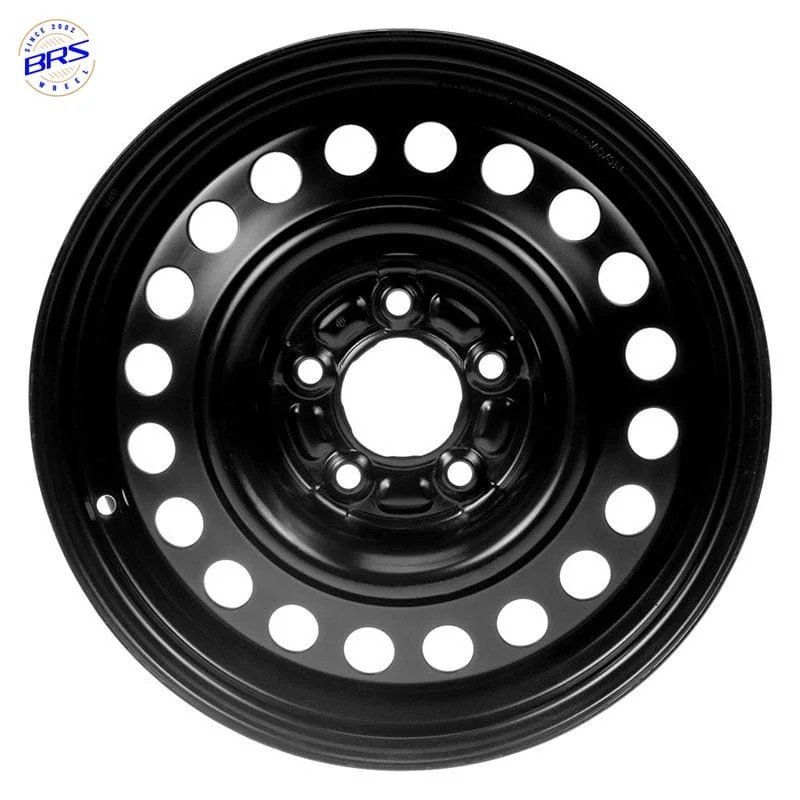
Hub bore size must match your vehicle’s hub diameter to ensure the wheel is centered correctly, preventing vibration at highway speeds. Established Steel Wheels manufacturers such as BRS offer fitment-specific options to eliminate these risks.
Choosing the Right Custom Wheels for Your Vehicle
Steel vs. Alloy Wheels
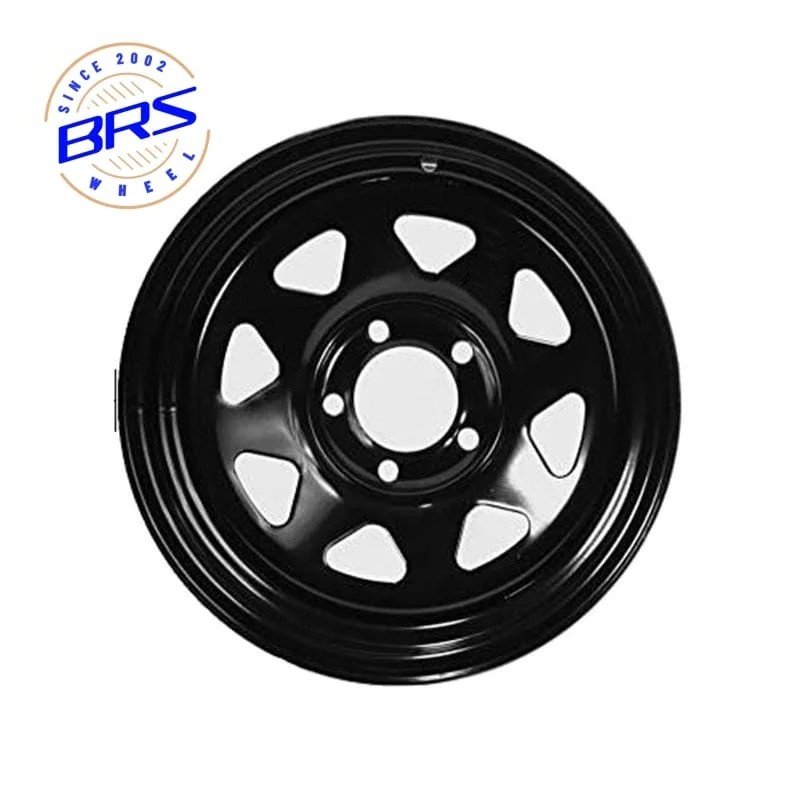
The two most common wheel materials have distinct advantages for different use cases and budgets.
| Feature | Steel Wheels | Alloy Wheels |
|---|---|---|
| Weight | Heavier | Lighter |
| Durability | High impact resistance, tolerant of rough conditions | More prone to cosmetic damage from impacts |
| Heat Dissipation | Less effective | Superior heat dissipation for brake performance |
| Cost | More affordable, starting around $50 per unit | Higher cost, starting around $75 per unit |
| Best For | Work trucks, winter use, heavy-duty applications | Performance builds, styling-focused upgrades |
Steel wheels are easy to repair and hold up well in harsh environments. Alloy wheels offer a far wider range of design options and reduce unsprung weight for improved suspension response.
Wheel Finishes and Styling Options
Wheel finish defines the overall aesthetic and determines how much regular maintenance your wheels will require. Popular 2026 finish options include:
- Gloss black: High-shine, bold appearance, but shows dust and scratches easily
- Chrome: Bright, classic finish with high visual impact
- Matte black: Modern, understated look, but requires special cleaning care to avoid damage
- Gunmetal: Sporty, neutral tone that hides dust and minor blemishes well
Custom color and finish options allow you to match wheels to your vehicle’s paint scheme or build a one-of-a-kind look. When selecting a finish, consider how much time you can commit to regular cleaning and upkeep.
Custom Wheels vs. Aftermarket Wheels
Many drivers confuse custom wheels with generic aftermarket wheels, but there are key differences in fitment, quality and uniqueness.
| Feature | Custom Wheels | Aftermarket Wheels |
|---|---|---|
| Manufacturing | Built to specific design and fitment specifications | Mass-produced by third-party manufacturers for broad vehicle compatibility |
| Fitment | Engineered for precise fit to a specific vehicle | May require adapters or spacers for proper fitment |
| Material Quality | Consistent, high-grade materials tailored to the application | Varies widely from budget to premium tiers |
| Design Uniqueness | Fully customizable, one-of-a-kind designs | Extensive options but widely available and less unique |
Aftermarket wheels range from $50 to $200 per unit for basic steel and alloy options, with premium forged aluminum models costing significantly more. Custom wheels carry a price premium but deliver exact fitment and exclusive styling.
Best Practices for Custom Wheels
Quality Certifications to Verify
Wheels are a critical safety component, so always purchase from manufacturers that meet recognized industry standards.
| Certification | Description |
|---|---|
| KBA Certification | Verifies compliance with German road traffic safety regulations |
| UN/ECE R124 Certification | Ensures wheels meet European Union safety standards across all sizes |
| IATF 16949:2016 | Global automotive quality management standard covering the full production process |
Manufacturers with IATF 16949 certification follow standardized quality control processes for consistent, reliable products.
Pre-Installation Test Fit
Never mount and inflate tires on new wheels without first performing a test fit on the vehicle. Test fitting helps identify:
- Tire rubbing against fenders or inner suspension components
- Brake caliper clearance issues
- Hub bore fitment problems
- Offset-related alignment concerns
Catching these issues before tire installation saves time and prevents damage to wheels and tires.
Professional Installation
While DIY installation is possible for experienced drivers, professional installation is recommended for custom wheels. Certified technicians have the tools and expertise to ensure proper torque values, hub centering and alignment. Professional installation also helps maintain your vehicle’s warranty and reduces the risk of vibration or safety issues.
Conclusion
Choosing custom wheels is a balance of precise fitment, functional performance and personal style.
Start by confirming all core fitment metrics for your vehicle, then select a material and finish that matches your driving needs and aesthetic preferences. Always prioritize products from certified manufacturers, and invest in professional installation to guarantee safe, reliable performance. When selected correctly, custom wheels are a rewarding upgrade that enhances both the look and drivability of your vehicle for years to come.
FAQ
What is wheel fitment and why is it important?
Wheel fitment refers to how well a wheel matches a vehicle’s size, mounting and clearance requirements. Proper fitment ensures safe handling, prevents tire rubbing and avoids premature component wear.
How long does a custom wheel order usually take?
Custom wheel orders typically take 45 to 60 days from design confirmation to delivery, depending on customization complexity and manufacturer production schedules.
Are steel wheels more durable than alloy wheels for rough roads?
Yes. Steel wheels are highly resistant to bending and cracking under impact, making them better suited for rough roads, heavy-duty use and winter driving conditions.
What should I check before installing new custom wheels?
Always perform a test fit to verify bolt pattern match, offset clearance, hub bore fit and brake caliper clearance before mounting tires.
What certifications indicate high-quality custom wheels?
Look for internationally recognized certifications including IATF 16949 (quality management), UN/ECE R124 (wheel safety) and regional market approvals to ensure reliable, safe performance.