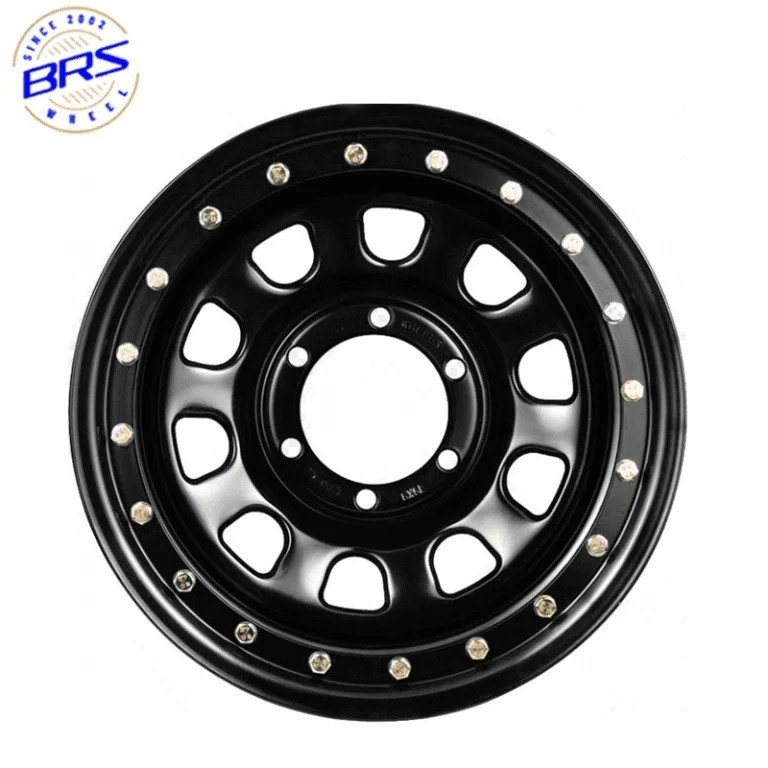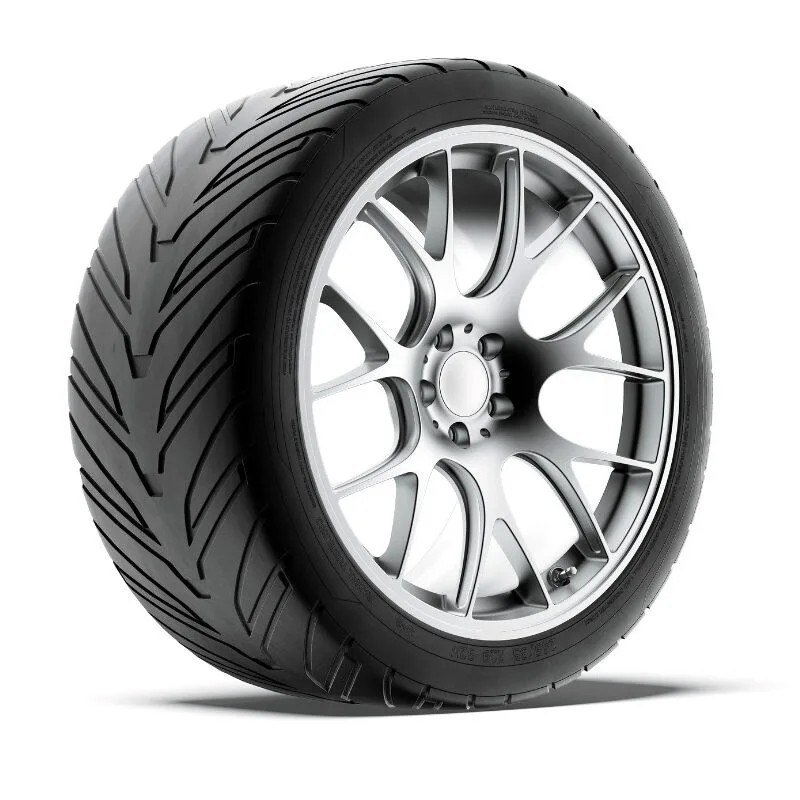


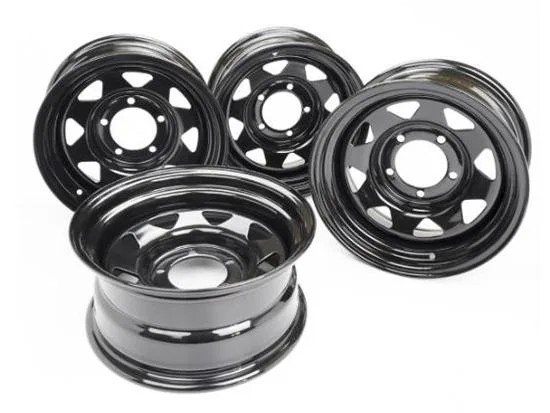
Les roues en acier et les roues en alliage se distinguent principalement par leur matériau, leur poids, leur coût, leur durabilité et leurs performances de conduite. Jantes en acier sont généralement plus lourdes et plus abordables, tandis que les roues en alliage sont plus légères et offrent une plus grande flexibilité de design et une conduite plus réactive.
Aucun des deux types n'est universellement supérieur. Le bon choix dépend de votre budget, de vos conditions de conduite, du type de véhicule et de vos priorités de performance. Les roues en acier sont souvent privilégiées pour leur durabilité, leur prix abordable et leurs applications exigeantes, tandis que les roues en alliage sont appréciées pour la conduite quotidienne, le comportement routier et l'esthétique.
Points clés à retenir
- Les roues en acier sont plus lourdes, plus abordables et bien adaptées aux conditions de conduite exigeantes.
- Les roues en alliage sont plus légères et offrent généralement une conduite plus réactive et une plus grande flexibilité de design.
- Les roues en acier sont pratiques pour la conduite hivernale, les véhicules lourds et l'usage tout-terrain.
- Les roues en alliage constituent un bon choix pour la conduite quotidienne, la performance, l'efficacité énergétique et le style.
- La meilleure roue dépend du véhicule et de son utilisation plutôt que du seul matériau.
Roues en acier : durables et économiques
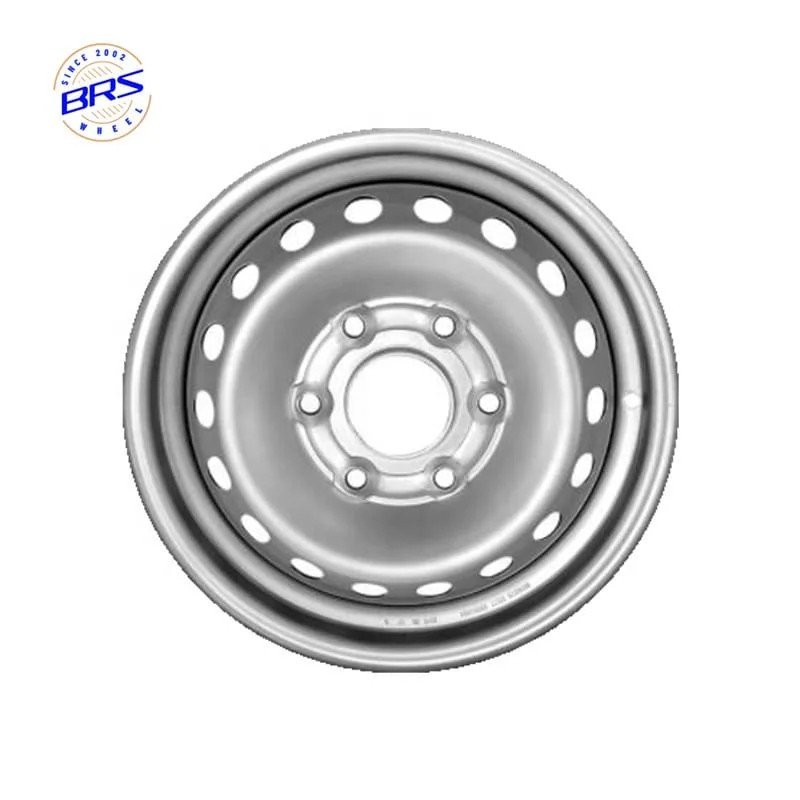
De quoi sont constituées les roues en acier ?
Les roues en acier se composent généralement d'une jante en acier embouti et d'une partie centrale assemblés lors de la fabrication. Cette construction offre une roue solide et pratique à un coût relativement faible.
Le principal avantage de l'acier réside dans sa combinaison de résistance, de durabilité et d'abordabilité. Ces propriétés font que les roues en acier sont courantes sur les camions, les remorques, les équipements agricoles et les véhicules utilisés dans des conditions exigeantes.
Avantages et inconvénients des roues en acier
Avantages :
- Coût d'achat plus faible
- Bonne durabilité dans des conditions difficiles
- Adaptées aux charges lourdes
- Moins susceptibles de se fissurer sous certains impacts
- Réparation souvent plus facile et moins coûteuse
- Pratiques pour les applications hivernales et tout-terrain
Inconvénients :
- Plus lourdes que la plupart des roues en alliage
- Une masse non suspendue plus importante peut affecter la réactivité de la conduite
- Peut réduire légèrement l'efficacité énergétique
- Moins d'options de style que les jantes en alliage
- L'acier exposé peut rouiller si les revêtements de protection sont endommagés
Les roues en acier constituent une option pratique lorsque la durabilité et le coût priment sur le poids ou l'apparence. Elles sont particulièrement utiles pour les véhicules confrontés régulièrement à des nids-de-poule, des routes accidentées, des charges lourdes ou des conditions tout-terrain.
Jantes en alliage : légèreté et réactivité
De quoi sont composées les jantes en alliage ?
La plupart des jantes en alliage modernes utilisent des alliages à base d'aluminium qui allient un poids relativement faible à une résistance suffisante pour les applications automobiles.
Les jantes en alliage peuvent être produites par des procédés tels que le moulage ou la forge. La méthode de fabrication influence le poids, la résistance, le coût et les options de conception de la roue, mais les acheteurs n'ont généralement pas besoin de se concentrer sur les nuances d'alliage spécifiques lors d'une comparaison basique entre acier et alliage.
Avantages et inconvénients des jantes en alliage
Avantages :
- Poids inférieur à celui des roues en acier dans de nombreuses applications
- Masse non suspendue réduite
- Direction et maniabilité plus réactives
- Bonne dissipation de la chaleur des freins
- Large gamme de designs et de finitions
- Apparence plus sportive
Inconvénients :
- Généralement plus chers que les roues en acier
- Les impacts sévères peuvent provoquer des fissures ou des dommages structurels
- Certaines finitions nécessitent un entretien minutieux
- Le remplacement peut être plus coûteux après des dommages importants
Les roues en alliage constituent un excellent choix pour les conducteurs qui privilégient la tenue de route, l'apparence, un poids réduit et les performances de conduite au quotidien.
Roues en acier vs roues en alliage : principales différences
Les différences les plus importantes concernent le poids, les performances, le coût, la durabilité et l'apparence.
| Fonctionnalité | Roues en acier | Jantes en alliage |
|---|---|---|
| Matériau | Acier | Généralement en alliage d'aluminium |
| Poids | Plus lourd | Allume-cigare |
| Coût | Plus faible | Plus élevé |
| Manipulation | Plus robuste mais moins réactif | Généralement plus réactif |
| Économie de carburant | Peut être légèrement inférieur | Peut être légèrement meilleure |
| Réponse aux impacts | Se déforme souvent sous un impact sévère | Peut se fissurer sous un impact sévère |
| Réparabilité | Souvent plus facile à réparer après déformation | Les dommages structurels peuvent nécessiter un remplacement |
| Dissipation thermique | Plus faible | Généralement meilleur |
| Mise en page | Limité | Grande variété |
| Usages courants | Hiver, usage intensif, tout-terrain | Conduite quotidienne, performance, style |
Poids et performances de conduite
Le poids est l'une des plus grandes différences entre les roues en acier et les roues en alliage. Les roues en alliage sont généralement plus légères, ce qui réduit la masse non suspendue, c'est-à-dire le poids des composants tels que les roues et les pneus qui ne sont pas directement supportés par la suspension.
Une masse non suspendue plus faible peut aider la suspension à réagir plus rapidement aux changements de la route. Selon le véhicule et le design de la roue, cela peut contribuer à une direction plus précise, une meilleure réactivité de la suspension et un comportement routier plus réactif.
Les roues en acier ajoutent du poids, ce qui peut donner au véhicule une sensation de moindre réactivité. Cependant, la différence peut être relativement faible en conduite normale, et la durabilité ainsi que le coût inférieur de l'acier peuvent l'emporter sur l'avantage de performance des roues en alliage plus légères pour de nombreux utilisateurs.
Coût, durabilité et entretien
Les roues en acier ont généralement un coût initial plus faible, ce qui les rend attractives pour les acheteurs soucieux de leur budget et les gestionnaires de flottes. Elles sont également pratiques comme second jeu de roues pour les pneus saisonniers.
Lorsqu'une roue en acier subit un choc important, elle peut se déformer plutôt que se fissurer. Dans certains cas, le dommage peut être réparé par un professionnel qualifié de la réparation de roues. Les roues en alliage peuvent également résister aux impacts routiers normaux, mais des impacts sévères peuvent entraîner des fissures ou des dommages structurels qui rendent le remplacement l'option la plus sûre.
Les exigences d'entretien dépendent largement de la finition de la roue et de l'environnement. Les roues en acier doivent être protégées contre la rouille, tandis que les roues en alliage doivent être maintenues propres afin de préserver leur finition de la poussière de frein, du sel de voirie et d'autres contaminants. Pour des conseils pratiques de prévention de la rouille, consultez Comment prévenir la rouille sur les jantes en acier.
Roues en acier ou en alliage : que choisir ?
Le meilleur choix dépend de la manière et de l'endroit où vous conduisez.
Choisissez les roues en acier si vous privilégiez :
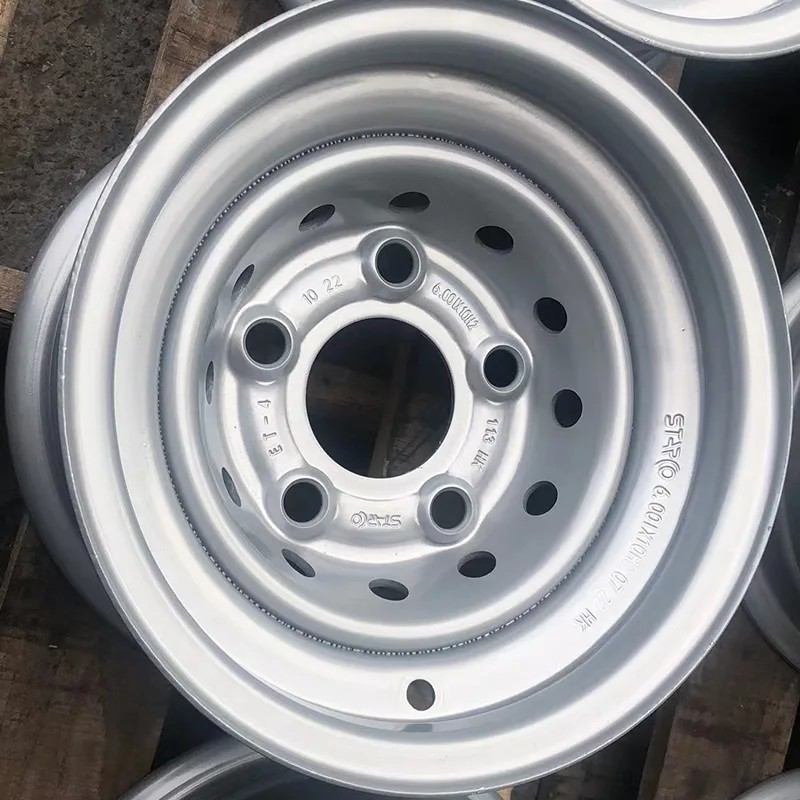
- Coût d'achat plus faible
- Durabilité
- L'utilisation intensive
- La conduite hivernale
- Les routes accidentées
- Les applications tout-terrain
- Le remplacement et la réparation faciles
Les roues en acier sont particulièrement pratiques pour les camions, les remorques, les équipements agricoles et les véhicules évoluant régulièrement dans des conditions difficiles. Les fabricants de roues en acier tels que BRS proposent des solutions pour les applications tout-terrain et agricoles où la durabilité et la capacité de charge sont essentielles.
Choisissez des jantes en alliage si vous privilégiez :
- Un poids de roue plus faible
- Une conduite réactive
- L'efficacité énergétique
- Apparence plus sportive
- Plus de choix de design
- Des performances au quotidien
Pour les voitures particulières et les conducteurs qui circulent principalement sur routes pavées, les jantes en alliage peuvent offrir un bon équilibre entre apparence et performances de conduite.
En résumé : Choisissez des roues en acier lorsque le prix abordable et la durabilité sont vos priorités principales. Choisissez des jantes en alliage lorsque le poids réduit, la tenue de route et l'apparence comptent davantage.
FAQ
Les roues en acier sont-elles meilleures que les jantes en alliage ?
Aucune n'est systématiquement meilleure. Les roues en acier sont généralement plus abordables et plus durables pour les applications exigeantes, tandis que les jantes en alliage sont plus légères et offrent des avantages supérieurs en matière de style et de tenue de route. Le meilleur choix dépend du véhicule et des conditions de conduite.
Les jantes en alliage sont-elles plus légères que les roues en acier ?
Oui, les jantes en alliage sont généralement plus légères que les roues en acier comparables. Ce poids réduit peut diminuer les masses non suspendues et améliorer la réponse de la direction, le comportement de la suspension et la sensation de conduite globale.
Quelles roues sont meilleures pour la conduite hivernale ?
Les roues en acier sont un choix populaire pour l'hiver, car elles sont abordables et pratiques dans des conditions difficiles. Cependant, les pneus eux-mêmes ont un effet bien plus important sur l'adhérence dans la neige et sur la glace que le matériau de la roue.
Les roues en acier se déforment-elles plus facilement que les jantes en alliage ?
Les roues en acier et en alliage réagissent différemment aux impacts violents. Les roues en acier peuvent se déformer sous un impact fort, tandis que les jantes en alliage peuvent se déformer ou se fissurer selon la conception de la jante et l'impact. Les roues endommagées doivent être inspectées par un professionnel qualifié avant toute utilisation continue.
Les jantes en alliage sont-elles plus chères que les roues en acier ?
Généralement, oui. Les jantes en alliage coûtent généralement plus cher en raison de leurs matériaux, de leurs procédés de fabrication et de leur plus large gamme de designs et de finitions. Les roues en acier sont habituellement l'option plus économique.