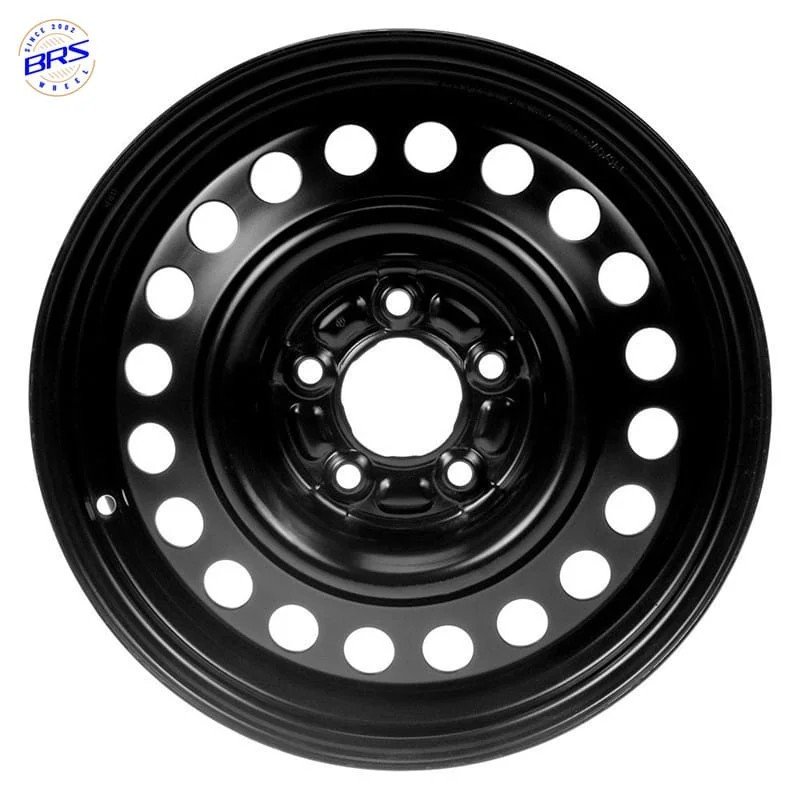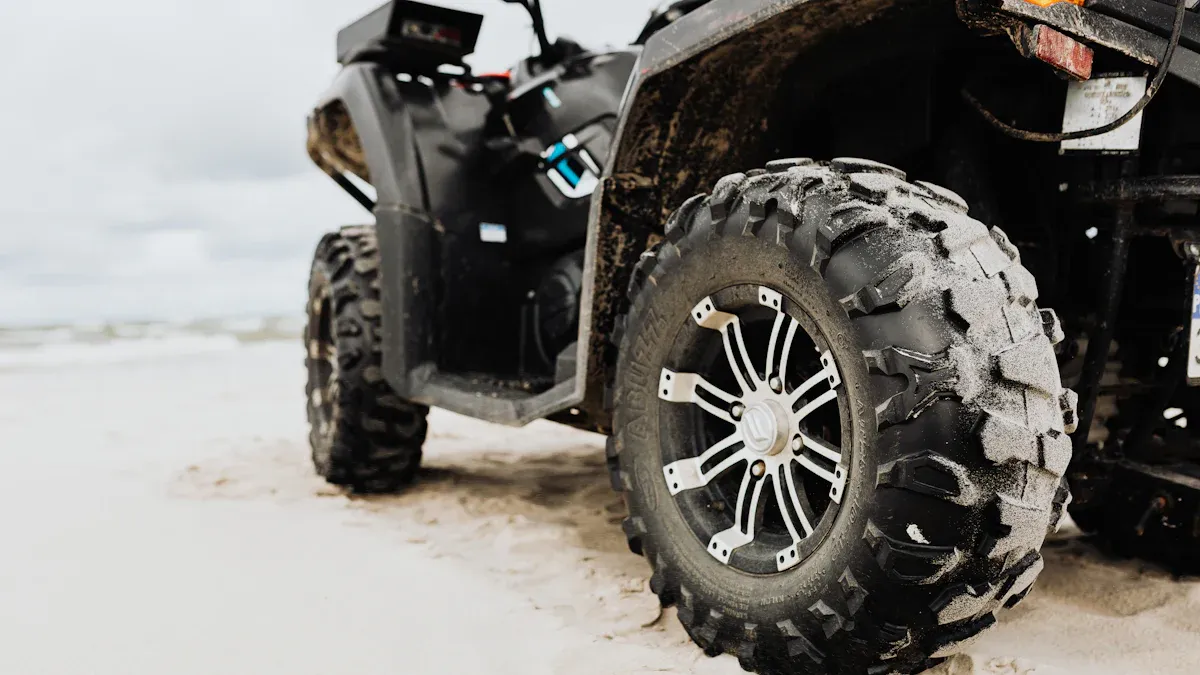
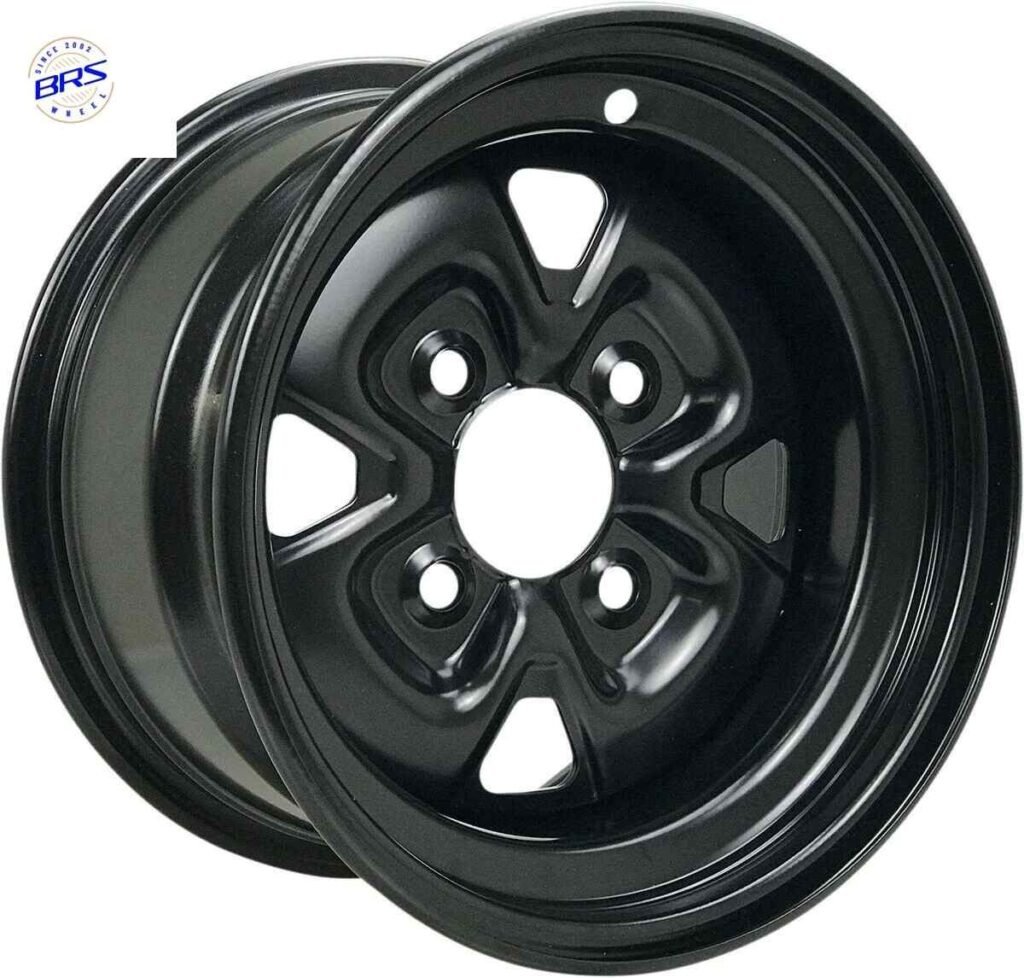
You read rueda de acero specifications by decoding the stamped alphanumeric markings on the wheel’s surface. These codes communicate five core fitment parameters: diameter, rim width, bolt pattern, offset, and center bore. Every steel wheel carries these markings, and understanding them is critical for safe, proper mounting on your vehicle.
Puntos clave
- Steel wheel specs are stamped on the back of spokes, the inner barrel, or the hub center face.
- The five core parameters are diameter, rim width, bolt pattern (PCD), offset, and center bore.
- Always cross-reference wheel markings with your vehicle’s official specs from the owner’s manual or door jamb label.
- Double-check all specifications before installation to avoid fitment issues and safety risks.
Where to Find Steel Wheel Markings
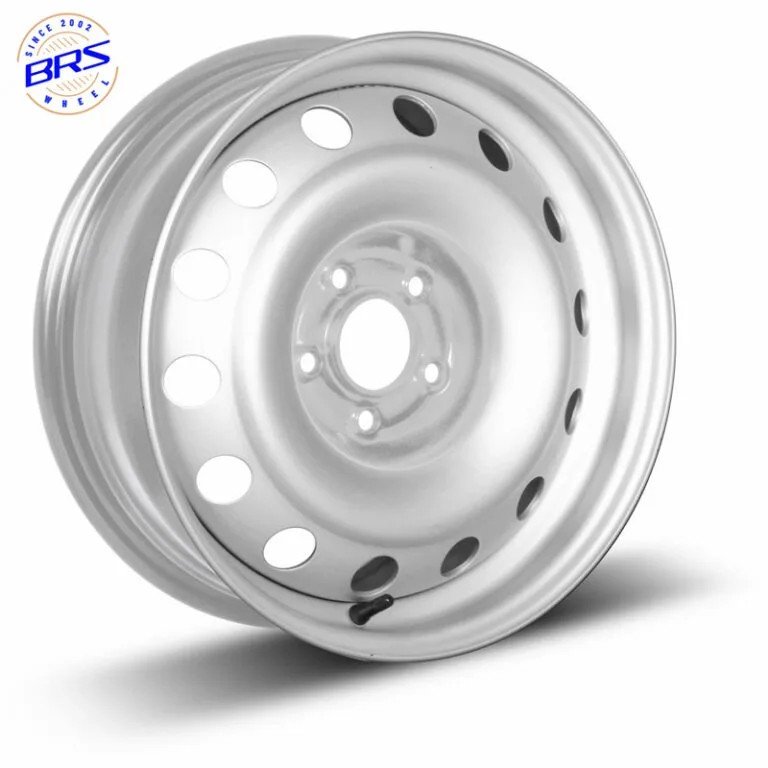
Manufacturers stamp specifications in three common locations, depending on wheel design and production method:
- Back of the spokes: Typically includes casting numbers, part numbers, and date codes, either cast into the metal or stamped post-production.
- Inner barrel: The rounded surface between the spokes and bead seat, usually home to load ratings, JWL/VIA certification marks, and DOT codes.
- Hub center face: The flat area surrounding the center bore (often behind the center cap), where serial numbers or production codes are stamped.
These marking conventions apply to both steel and alloy rims. Checking all three locations will usually uncover every specification you need.
Decoding the Wheel Spec Code
Each segment of the stamped string corresponds to a specific measurement. Below is a breakdown of every parameter:
Diameter & Rim Width
The first number in the spec string is wheel diameter, measured in inches from bead seat to bead seat — the flat ledge where the tire bead seats and seals. For example, a tire marked 225/45R17 is engineered for a 17-inch diameter rim.
The second number is rim width, also measured in inches between the bead seats. Wider rims stretch the tire sidewall for sharper steering response; narrower rims deliver a more compliant, forgiving ride. Mismatched width can destabilize the tire profile, cause bead separation during hard cornering, or accelerate uneven shoulder wear.
Flange Profile Letter
A letter following the rim width indicates the wheel’s flange profile, which controls how the tire bead seats and seals:
- J: Standard passenger car flange profile
- JJ: Common for SUVs and light off-road vehicles
- B: Older passenger car profile
- D, E, F: Commercial vehicle, motorcycle, and industrial machinery profiles
Bolt Pattern (PCD / BCD)
The bolt pattern (also called Pitch Circle Diameter, PCD, or Bolt Circle Diameter, BCD) describes the arrangement of lug holes. It is written as two numbers, e.g. 5x112:
- The first number = total count of lug holes
- The second number = diameter of the circle formed by the hole centers, in millimeters
For 5-lug wheels, you can verify PCD by measuring from the center of one hole to the far edge of the hole opposite it, then cross-referencing with a standard conversion chart.
Desplazamiento
Wheel offset indicates where the wheel’s mounting surface sits relative to the wheel’s centerline, measured in millimeters (often preceded by “ET”):
- Positive offset: Mounting surface sits outward toward the face of the wheel
- Zero offset: Mounting surface aligns exactly with the centerline
- Negative offset: Mounting surface sits inward toward the back of the wheel
Incorrect offset can cause rubbing against suspension components or fenders, alter steering feel, and accelerate uneven tire wear. Always stay within your vehicle’s OEM offset range.
Center Bore
The center bore is the diameter of the hub hole in the middle of the wheel, measured in millimeters. It determines how the wheel centers on the vehicle hub:
- Hub-centric fit: Bore matches the hub diameter within 0.1mm, for precise centering and even load distribution.
- Lug-centric fit: Bore is 2–5mm or more larger than the hub; the wheel centers on the lug nuts instead. Hub-centric rings can be used to convert a lug-centric wheel to hub-centric fitment.
A center bore smaller than the vehicle hub will not fit at all.
How to Match Wheel Specs to Your Vehicle
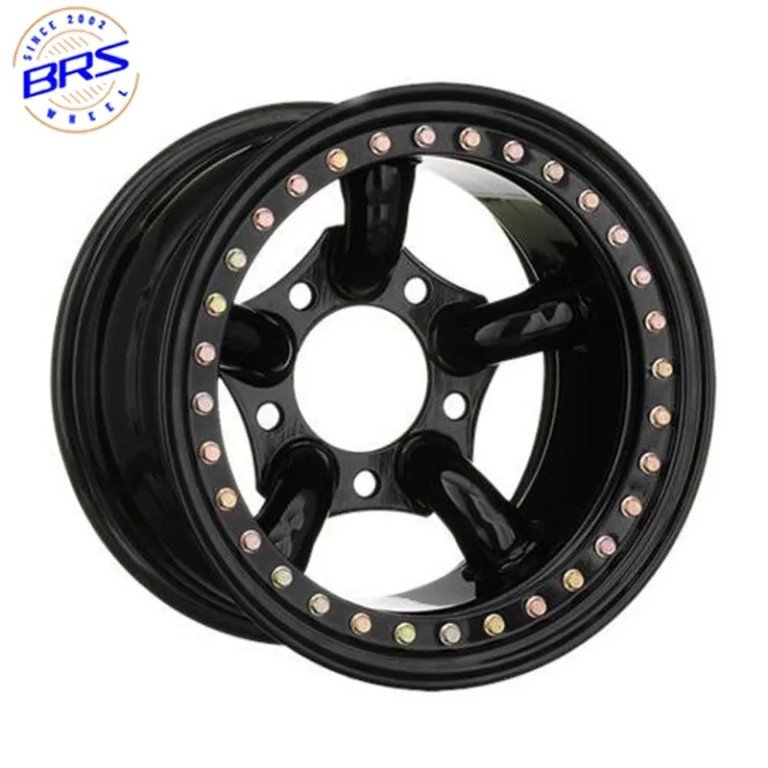
To ensure safe fitment, match the wheel’s markings to your vehicle’s official specifications using three sources, ordered by accuracy:
- Owner’s manual or door jamb certification label (most accurate): Lists OEM PCD, diameter, width, offset, and load rating directly from the manufacturer.
- Online vehicle database: Look up by year, make, model, and trim to find factory PCD, center bore, offset range, and tire size.
- Physical measurement (backup only): Use only to confirm existing specs, not as a primary source.
The markings on the wheel must match these specifications exactly. A mismatch in bolt pattern, offset, or center bore creates an unsafe mounting condition.
Preguntas frecuentes
What do the numbers on a steel wheel mean?
A standard spec string includes (in order) wheel diameter, rim width, flange profile letter, bolt pattern, offset, and center bore. Each value corresponds to a critical fitment measurement.
Can I use the same lug nuts on new steel rims?
Not always. Lug nuts must match the seat type and thread pitch. Steel rims typically use conical seats, while many alloy wheels use ball seats. Always confirm nut compatibility before mounting.
How does wheel offset affect handling?
Offset controls the wheel’s position relative to the suspension. Positive offset moves the wheel inward; negative offset pushes it outward. Incorrect offset causes rubbing, altered steering feel, and accelerated tire wear. Always stay within the OEM recommended range.
Why does center bore matter for fitment?
The center bore aligns the wheel on the hub. A tight hub-centric fit ensures even load distribution and prevents vibration. A bore smaller than the hub will not mount; a larger bore requires hub-centric rings for proper centering.
Do steel rims weigh more than alloy wheels?
Yes, steel rims are typically heavier than alloy equivalents. This extra weight can slightly impact acceleration and fuel economy, but steel offers superior durability and impact resistance for heavy-duty, off-road, and winter use.
Conclusión
Reading steel wheel specifications follows three simple steps: locate the stamped markings on the wheel, decode each core parameter, and match those values to your vehicle’s official specifications. Always verify center bore fit and brake caliper clearance before installation, and double-check all measurements to avoid safety risks.
Trusted fabricantes de llantas de acero follow standard marking conventions, so once you know how to decode the code, you can accurately assess fitment for any vehicle.

Experto en la fabricación de llantas de acero
Pioneros en el sector de la fabricación de llantas para automóviles